
Key actors — tap for context

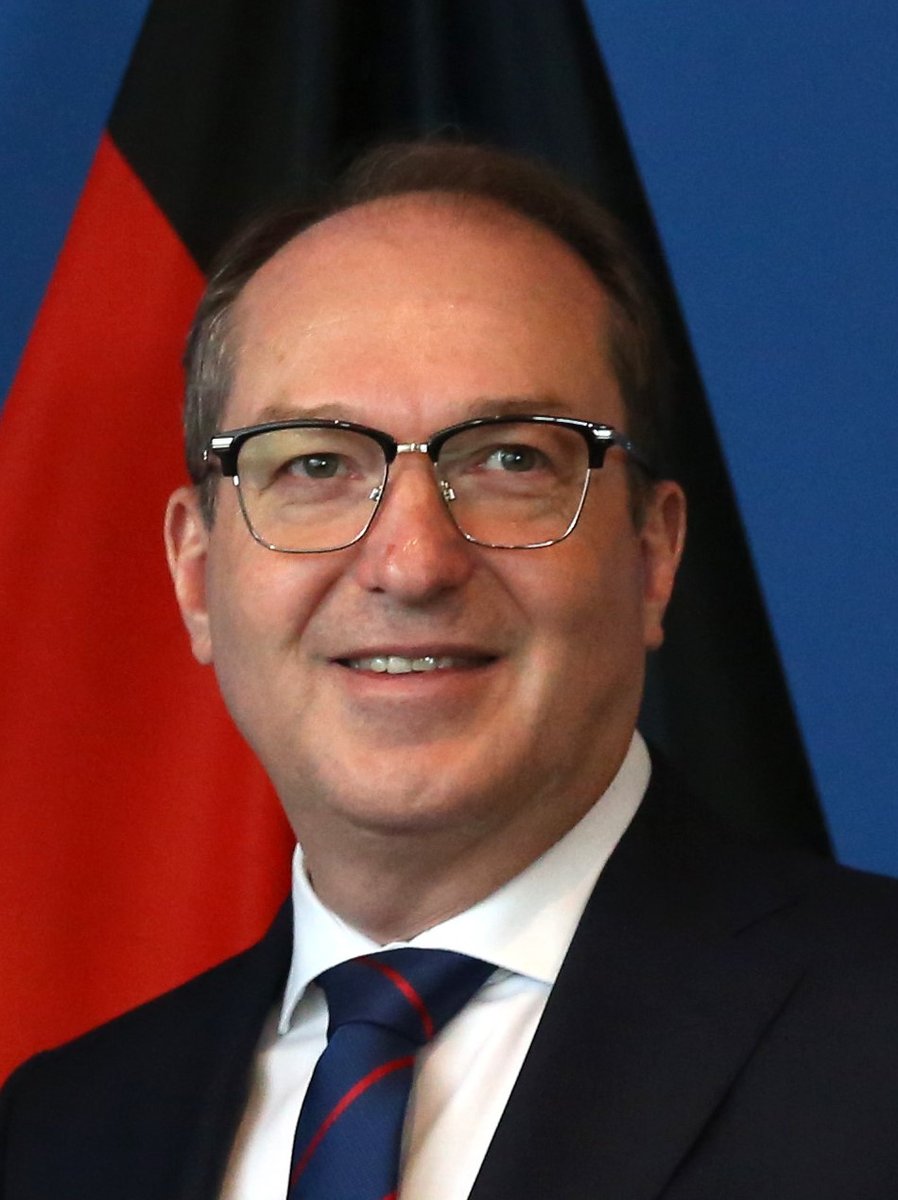
Alexander Stubb
Finnish president, in office since 2024, previously prime minister and foreign minister.
Why here: He welcomed the deployment on platform X with words that the North forms one whole and together they are stronger.
More info →
Antti Häkkänen
Finnish defense minister from the National Coalition Party, in office since June 2023 in Petteri Orpo's government.
Why here: His ministry announced the cooperation and frames it as a natural continuation of Nordic cooperation.
More info →
Pål Jonson
Swedish defense minister from the Moderate Party, in the government of Ulf Kristersson since 2022.
Why here: In the Swedish statement, he speaks about deterrence on the eastern flank, does not name specific equipment.
More info →
NATO
North Atlantic Alliance, of which Finland has been a member since April 2023 and Sweden since March 2024.
Why here: Both governments frame the cooperation as a contribution to the alliance's deterrence and defense.
More info →Esa Kelloniemi
Finnish retired colonel, expert on air defense.
Why here: He estimated for Helsingin Sanomat that demand for munitions exceeds American production capacity.
Martin O'Donnell
U.S. Army colonel who commented on ammunition stockpiles to the AP agency.
Why here: He denied to the agency claims about critically low numbers of Patriots in Europe.
Patriot
American air defense system, according to Kyiv the only one capable of intercepting Russian ballistic missiles.
Why here: According to AP sources, its missiles are critically low in Europe; the U.S. military denies this.

Donald Trump
President of the United States.
Why here: The war he began against Iran in February, according to AP sources, depleted American air defense missile stockpiles in Europe.
More info →
Szolnok
Hungarian city where one of Hungary's Gripens crashed in August.
Why here: It serves as a reminder that the number of available aircraft is finite even among allies.
More info →Gulf of Finland
Eastern part of the Baltic Sea between Finland, Estonia, and Russia.
Why here: According to Finnish authorities, a Russian reconnaissance aircraft allegedly violated the airspace above it in August.
What the ministries announced and what SVT added to it
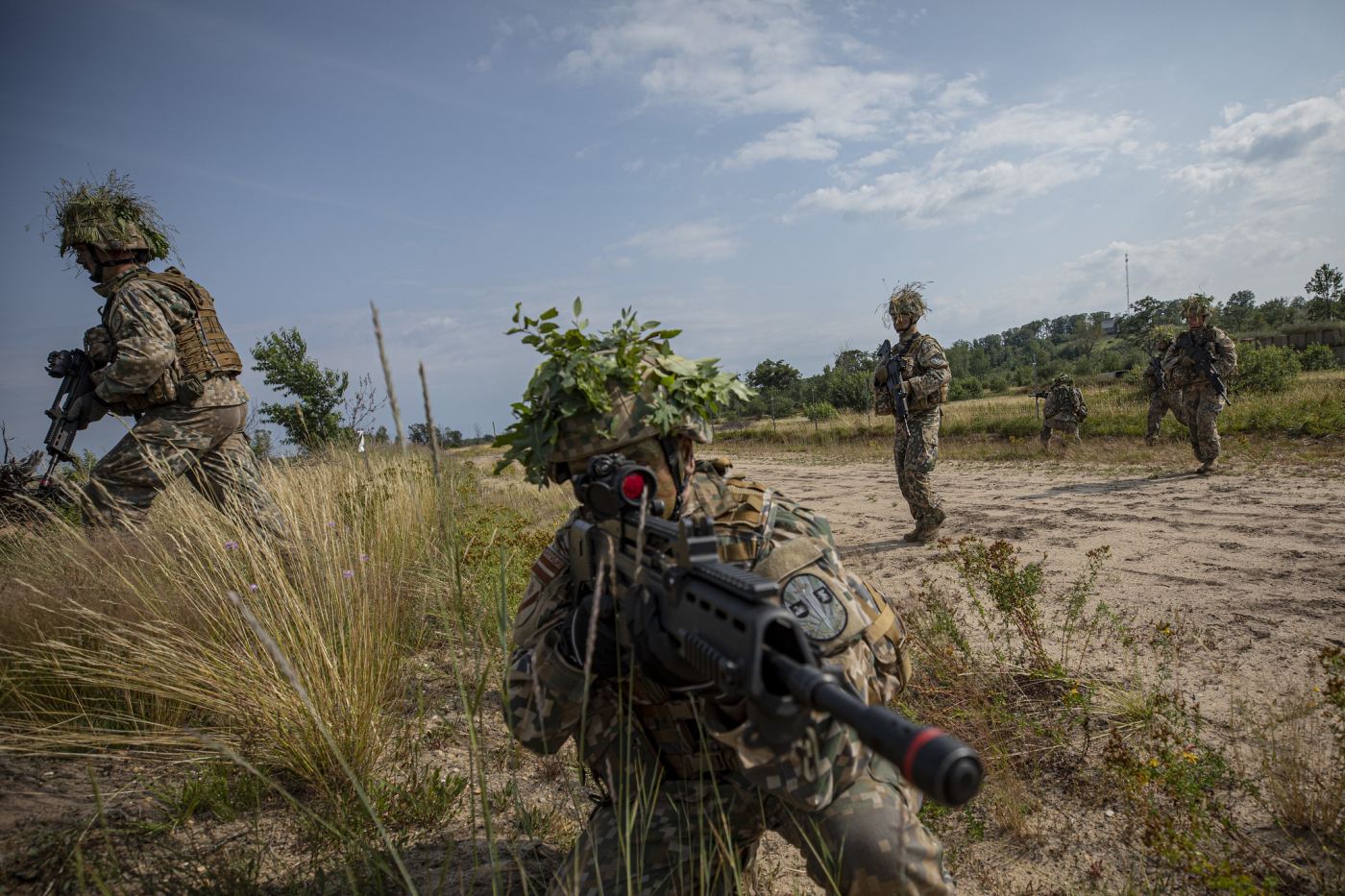
The joint statement is brief and does not name a single type of equipment. In it, both Finnish and Swedish defense ministries state that both countries will jointly strengthen surveillance of Finland's territorial integrity and its protection to support NATO deterrence and defense, as it will complement Finnish national measures against recent drone incursions. Finnish Ministry of Defense ↗The newspaper Ilta-Sanomat obtained more specific wording from the Finnish ministry. According to it, Sweden will participate in surveillance of Finland's territorial integrity with air force fighters and naval vessels, while supervision of the territory will remain under Finnish command and within the framework of Finnish law on territorial surveillance. Ilta-Sanomat ↗
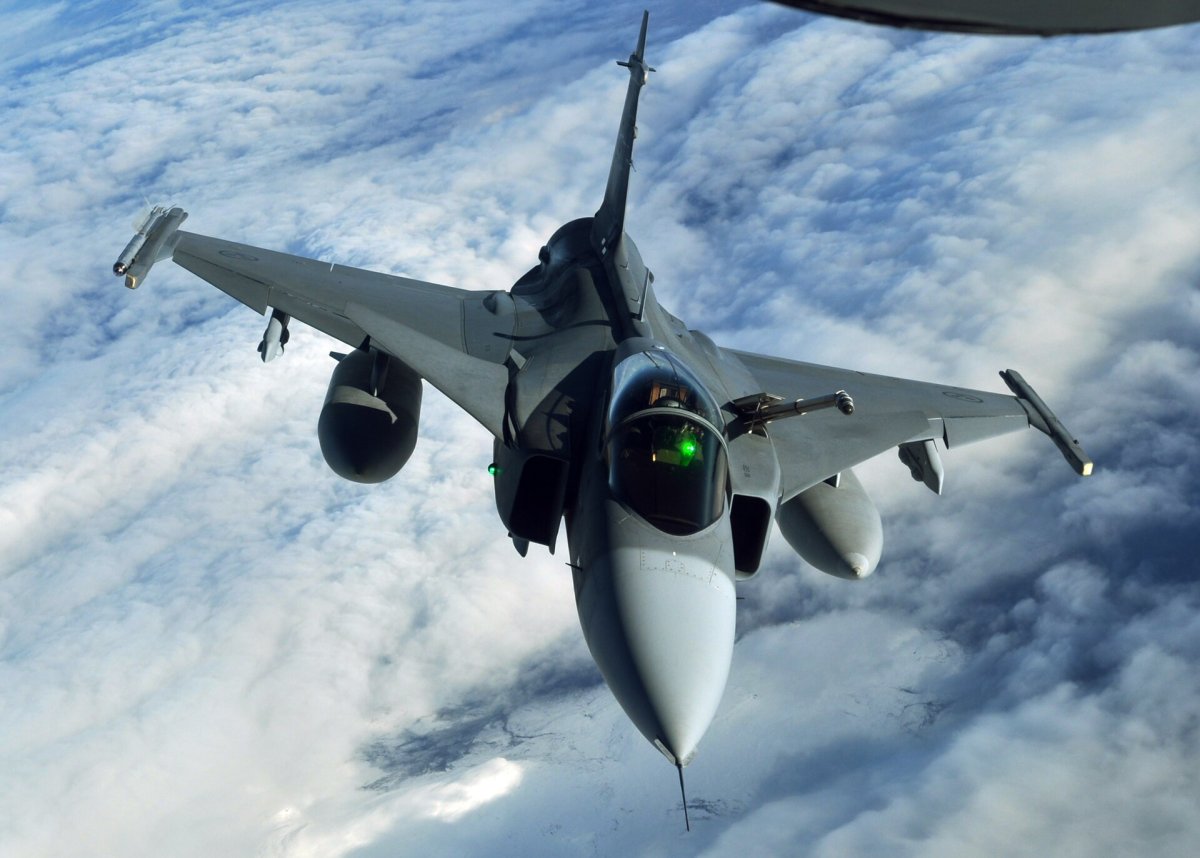
That it will be specifically Gripen fighters and warships and that they will patrol at the border with Russia is not in the official statements. Swedish public broadcaster SVT brought this information, citing its own sources, and added that if the need arose during autumn, Swedish armed forces anti-drone units could also be sent to Finland. SVT ↗
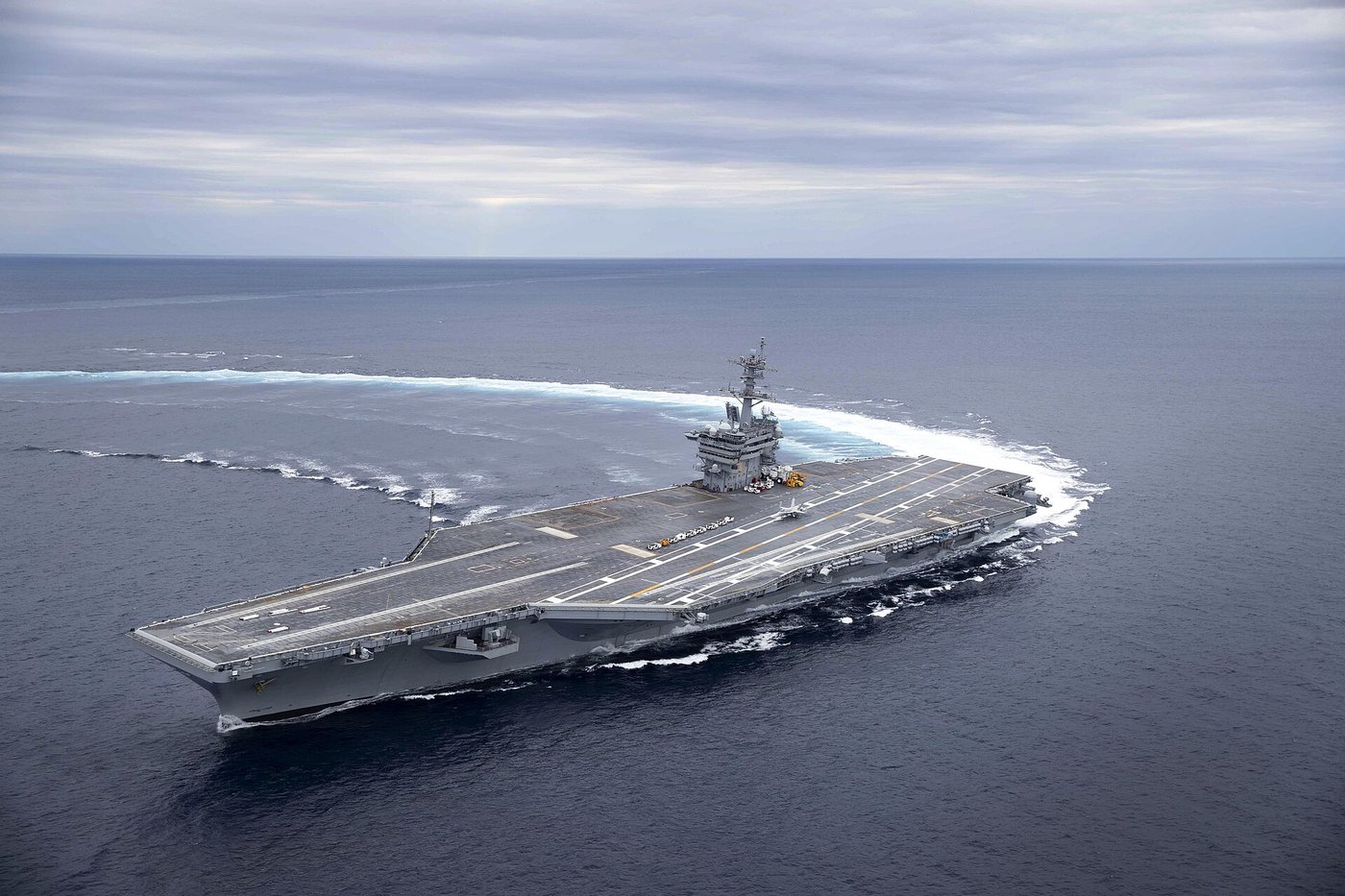
On Saturday, both questions that were missing from the statement were answered by the ministers themselves. Swedish defense minister Pål Jonson confirmed to Reuters that it would be Gripens and a corvette, and that Swedish soldiers will participate in surveillance of Finnish territory at least until the end of 2026. Finnish Ilta-Sanomat clarified that these are Visby-class corvettes. The data, which originally only SVT had from its own sources, thus has official confirmation. (Interfax Ukraine ↗, Ilta-Sanomat ↗)
According to SVT, the Finnish government requested military aid, and Sweden subsequently decided on it. Public broadcaster Yle, which in this case cites SVT, stated that the patrols are to begin shortly. Yle ↗
However, the Finnish president and his defense minister contradict each other on whether Finland requested aid. Alexander Stubb told the newspaper Ilta-Sanomat that the term "military aid request" is "definitely possibly a somewhat questionable formulation" — according to him, it is a deepening of defense cooperation that has been ongoing since the late 1990s. Defense Minister Antti Häkkänen, meanwhile, told the same newspaper on Friday that Finland requested military aid and negotiations about it have been ongoing for the past months. Jonson described it the same way, speaking of a response to a Finnish request. The newspaper notes that Stubb spoke before seeing the minister's statements. (Ilta-Sanomat ↗, Interfax Ukraine ↗)
Stubb also denied that the deployment was related to expected Russian moves. "It's not related. We are planning defense for the long haul and, if I'm not mistaken, this too has been in preparation for almost ten years," he said. He hopes that other Nordic countries will eventually join in the cooperation. (Ilta-Sanomat ↗)
Drones that strayed across the border
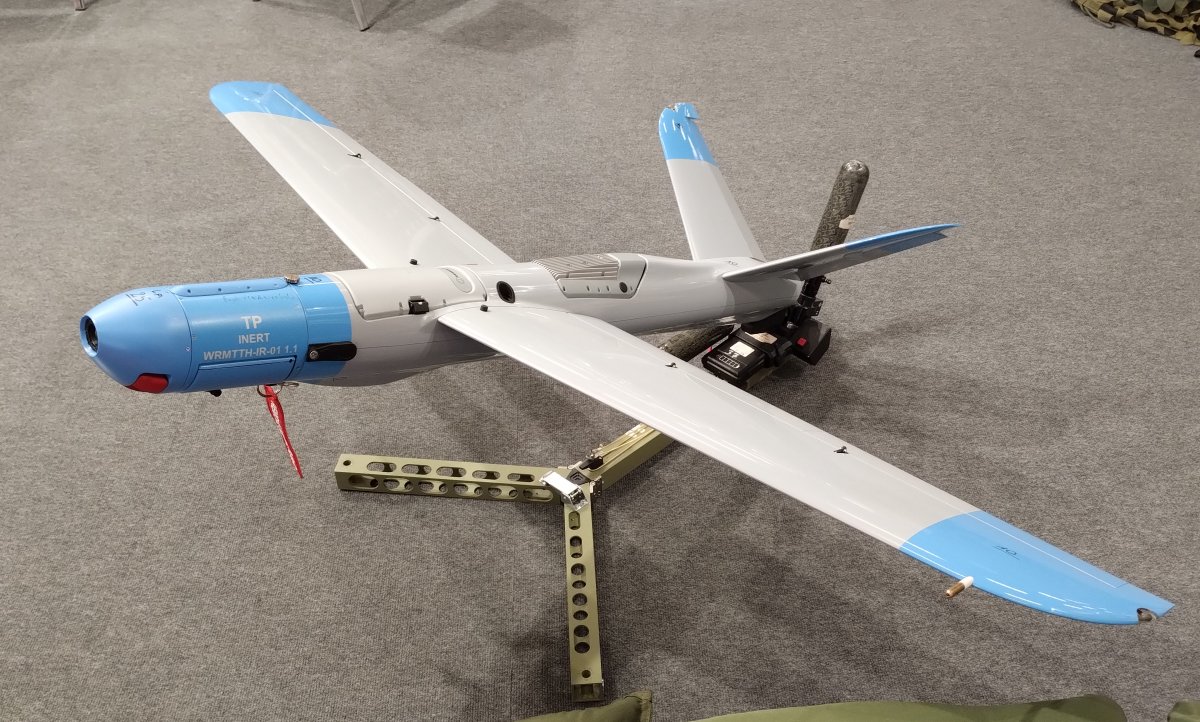
The official reason is named fairly precisely. It is not a Russian attack, but drones that strayed into Finnish territory. SVT divides them into two categories: Ukrainian drones that ended up on the Finnish side of the border, and Russian airspace violations. According to the station, Finland has repeatedly faced aerial threats this year, for which airports had to temporarily close. SVT ↗We have covered both types of incidents over the past two weeks. On August 14, NATO fighters shot down a drone over Latvia, and Finland in response restricted air and sea traffic. A week later, Helsinki recalled the Russian ambassador on suspicion that a Russian reconnaissance Ilyushin Il-20 violated Finnish airspace over the Gulf of Finland.
Read also: NATO shot down a drone over Latvia, Finland restricted traffic and Finland investigates possible Russian aircraft entry into airspace
Surprise after six years of preparations
Ilta-Sanomat headlined the story with the word "surprise," but in connection with the matter, it points to two older documents. In 2020, the Swedish government gained the authority to decide on sending Swedish armed forces to assist Finland to prevent violations of Finnish territory. Two years later, a Finnish-Swedish host country agreement created additional conditions for cooperation precisely in territorial surveillance and protection of territorial integrity. Ilta-Sanomat ↗Both decisions, however, preceded the entry of both countries into NATO. Finland became a member of the alliance in April 2023, Sweden in March 2024. The surprise that Ilta-Sanomat named, therefore, is not the legal possibility of such an operation, but its timing.
Finnish President Alexander Stubb responded on network X with sentences that show how Helsinki frames cooperation. "The North forms one whole. We can trust each other and together we are stronger. Cooperation also supports NATO deterrence and defense. Thank you, Sweden. Together." Yle ↗
Finnish Defense Minister Antti Häkkänen takes a step in an already existing line in his statement. "Cooperation of air and naval forces has long been an integral part of our bilateral and Nordic cooperation, so it is natural to move towards cooperation in surveillance of territorial integrity and its protection, fully in line with the work being done in NATO," states the Finnish defense ministry report. Finnish Ministry of Defense ↗
Swedish Defense Minister Pål Jonson chooses a more cautious tone in his statement and does not name the deployment anywhere. "As allies, we agree that we must ensure strong and capable deterrence and defense in our region and on NATO's eastern flank. We are constantly developing our ability to act together with allies and assess our possibilities to contribute effectively," states the Swedish government's statement. Regeringen.se ↗
Aircraft you can move, missiles you cannot
On the same day, Helsingin Sanomat brought an AP agency report about supplies on which such defense ultimately stands. This is a disputed claim that the U.S. military denies. According to two unnamed U.S. defense officials and a NATO representative, the number of American air defense missiles in Europe has fallen below a critical threshold. The reason is said to be the war that President Donald Trump began against Iran in February, and the associated transfer of supplies from Europe to the Middle East. Helsingin Sanomat ↗According to a NATO representative, the shortage particularly affects Patriot missiles. If Russia were to attack with missiles, for example, a military target or a power plant, the alliance could, according to the agency source, find itself in a similar situation as Ukraine and would have to accept one blow after another. However, U.S. Army Colonel Martin O'Donnell denied the claim to the agency about critically low numbers of Patriots in Europe. Helsingin Sanomat ↗
Finnish air defense expert, retired Colonel Esa Kelloniemi, estimated in an earlier interview with Helsingin Sanomat that the need for missiles likely exceeds American production capacity even if supplies in warehouses are available. "Germany, the Netherlands, Spain, Greece, Poland, and Sweden also have Patriots, but not in huge quantities," he said. According to NATO, the first European Patriot missile manufacturing plant is to open in Germany in September. Helsingin Sanomat ↗
The difference between the two reports is in what can be moved by government decision. Sweden has fighter jets and ships and can send them within days. Supplies of air defense missiles cannot be moved this way; they must first be manufactured. Moreover, the number of aircraft themselves is finite, and Hungarian air force, for example, after the August crash near Szolnok, was left with seventeen Gripens.
Slovak and Czech media have not yet written about the Swedish deployment, although both incidents that led to it were covered by agencies and newspapers. What is missing so far is precisely the answer to them.
See also: Hungary left with 17 Gripens after crash near Szolnok
What hotinfo watches
Whether Swedish units will actually begin patrolling at the Finnish-Russian border and whether either side will confirm their number and type of equipment.Whether Sweden will also send ground-based air defense units to Finland, which SVT mentions as a possibility in the fall.
Whether Finland or Sweden will disclose the scope and duration of the operation, i.e., how long it is to last and who will pay for it.
Whether Russia will respond to the deployment with specific measures at its northern border.
Whether the first European Patriot missile manufacturing plant in Germany will open in September, as NATO announced.
Whether another NATO member state will request similar assistance with monitoring its own territory from its neighbor.