

Key actors — tap for context

Ceuta
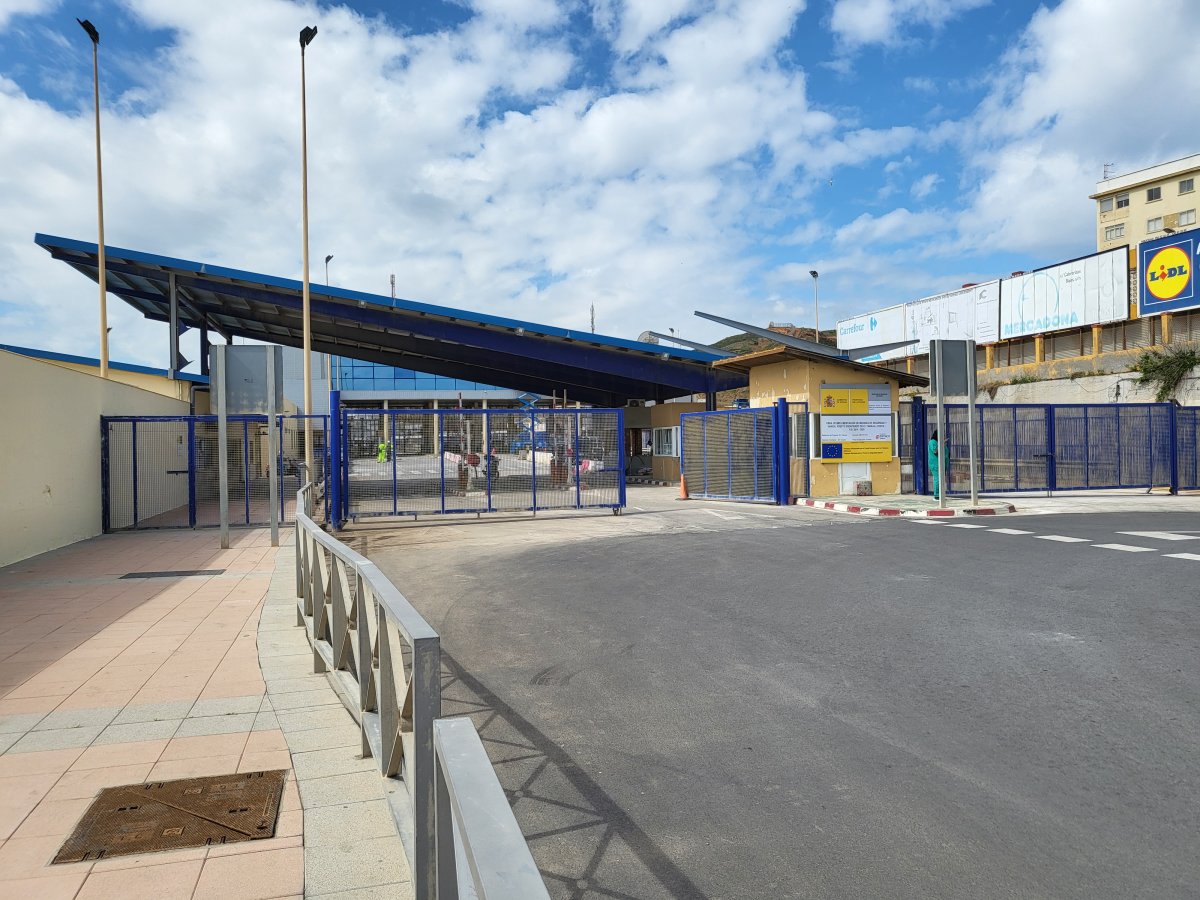
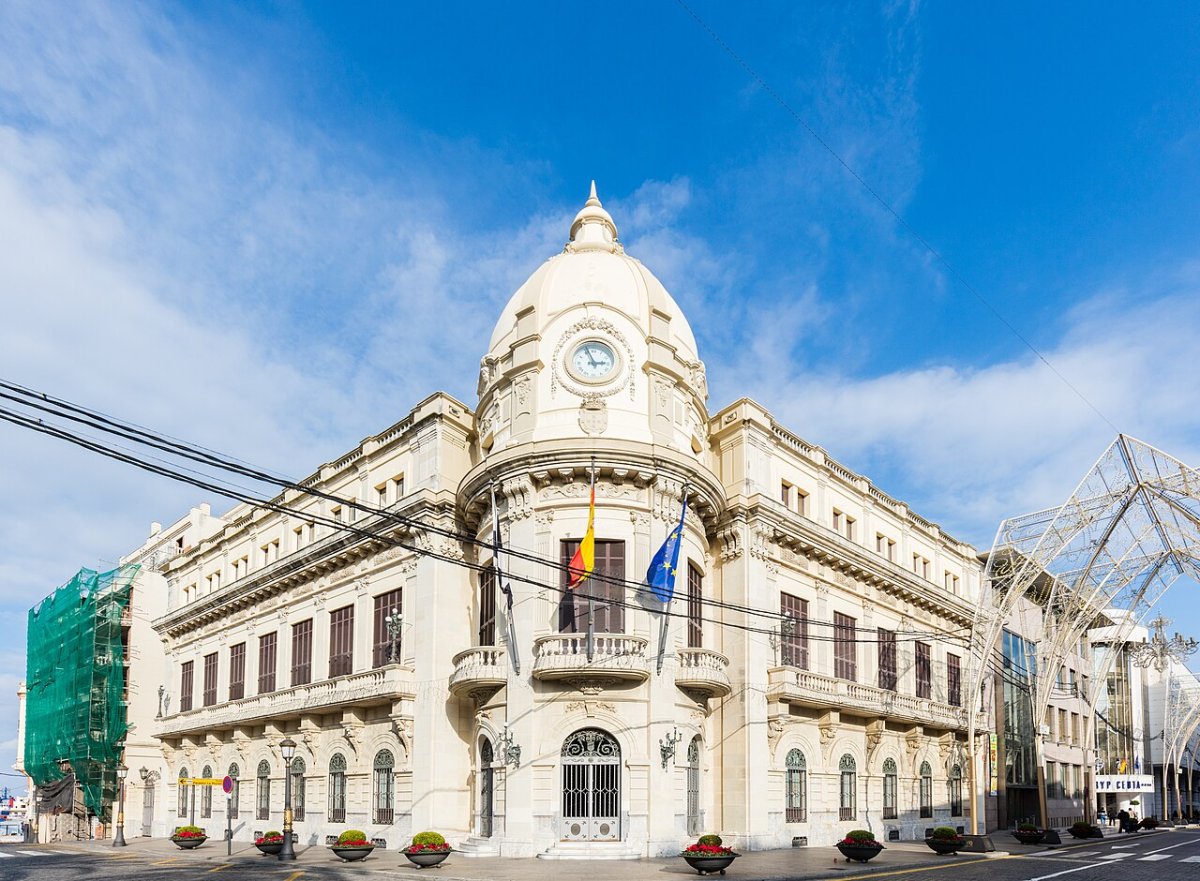
A Spanish autonomous city on the North African coast by the Strait of Gibraltar, and one of two Spanish exclaves on the Moroccan border. Around 83,000 people live there.
Why here: The city whose “liberation” is meant to be the slogan of the announced march and whose sovereignty is disputed.
More info →
Melilla
The second Spanish exclave on the North African coast, about 400 kilometres east of Ceuta.
Why here: The call mentions it together with Ceuta, as do Moroccan ministerial statements.
More info →
Nizar Baraka
A Moroccan economist, Minister of Public Works and Water since 2021 and leader of the Istiqlal party since 2017. He is the grandson of nationalist Allal Al Fassi.
Why here: The third Moroccan minister in a few weeks to repeat the claim to Ceuta—and he did so at his own party's pre-election rally.
More info →
Istiqlal
A Moroccan conservative and monarchist party whose name means independence. It has been part of Aziz Akhannouch's governing coalition since 2021.
Why here: At its rally, someone said Morocco would not give up “even an inch” of territory.
More info →
Pedro Sánchez
Spain's prime minister and Socialist leader, in office since 2018.
Why here: He called territorial integrity a red line in relations with Rabat and announced a European status for Ceuta, although Madrid does not decide on it.
More info →
Mohamed VI.
King of Morocco since 1999, head of state and the country's highest religious authority.
Why here: The claim to both cities is part of Morocco's long-standing state policy. He has not commented on the announced march.
More info →
Felipe González
Spain's prime minister from 1982 to 1996 and Socialist leader.
Why here: Under his government, the 1992 agreement was created that allowed people who had crossed the border illegally to be returned to Morocco.
More info →
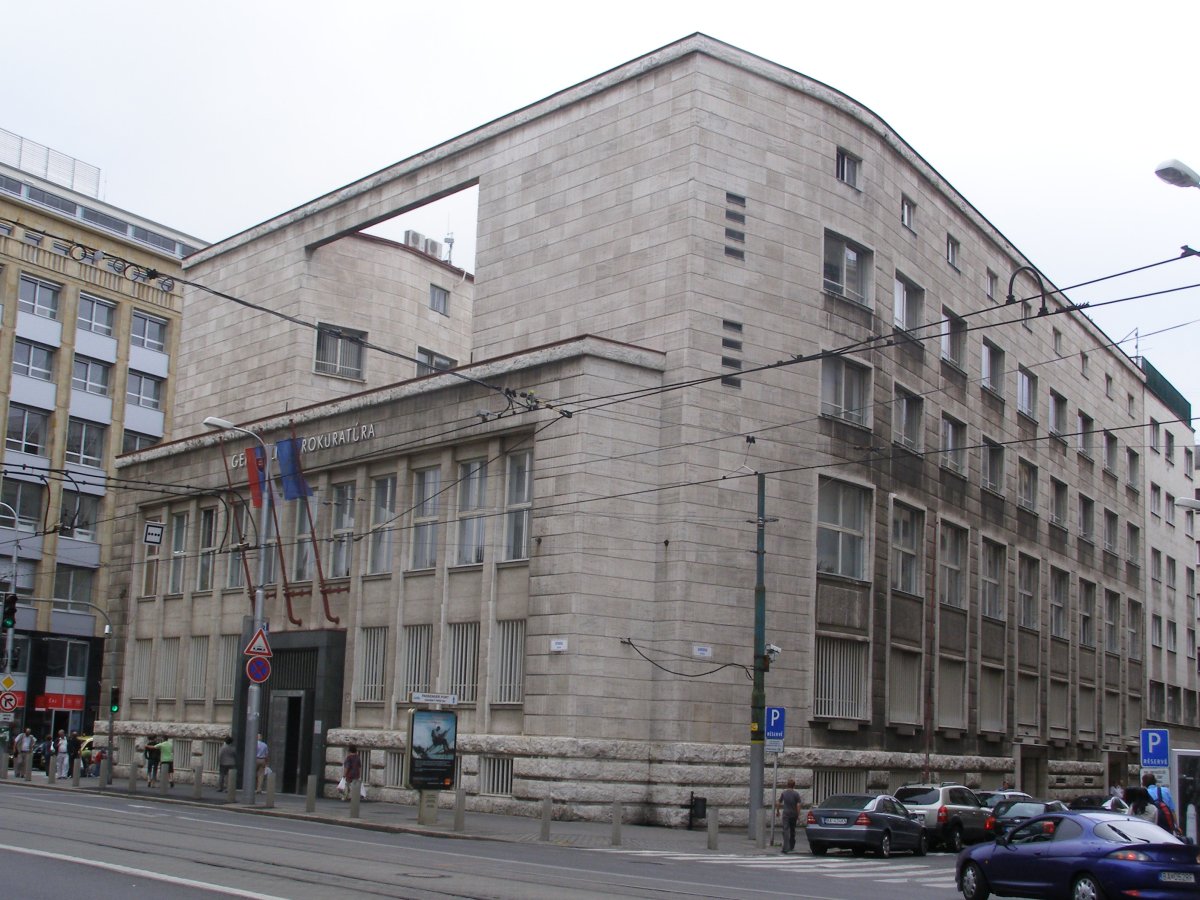
Audiencia Nacional
Spain's high court with jurisdiction across the country, specialising in terrorism, organised crime and offences committed outside Spanish territory.
Why here: The prosecution proposed that it take over the case because, in its view, part of the planning may have taken place outside Spain.
More info →
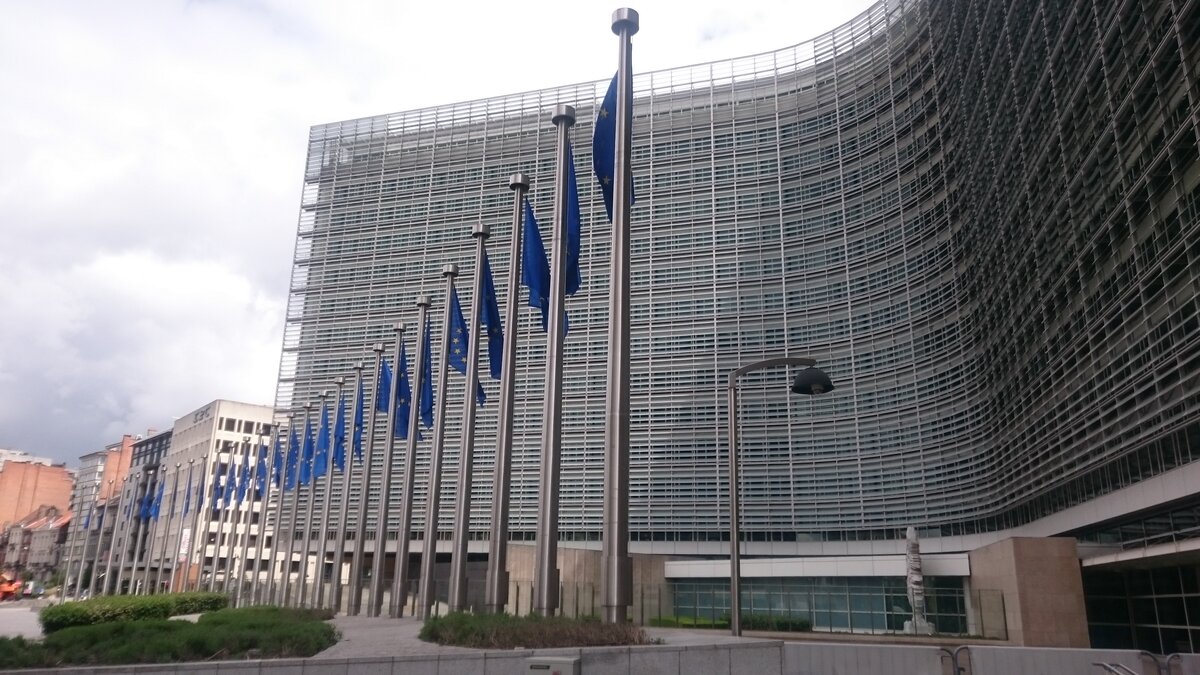
Frontex
The European Border and Coast Guard Agency, headquartered in Warsaw.
Why here: Ceuta is asking it for a more permanent presence, while the agency is simultaneously moving vessels to the English Channel.
More info →
Péter Magyar
Hungary's prime minister and leader of the Tisza party, in office since May 2026.
Why here: He used Ceuta as a reason why Hungary is keeping its borders closed until the end of the year.
More info →Monitor Disinfo
A private platform analysing disinformation campaigns that published a report on calls for the September march.
Why here: Its analysis is the source of the claim about a heightened-risk window between 10 and 23 September.
Alfonso Cabello
Spokesman for the government of the Canary Islands.
Why here: He called Sánchez's proposal for a European status for Ceuta effectism and recalled that Brussels makes the decision.
SocioMétrica
A Spanish polling agency that works for the newspaper El Español.
Why here: The author of the poll according to which most Spaniards want relations with Rabat suspended.
The poster nobody signed
On 4 September, the analytical platform Monitor Disinfo published a report entitled “Ceuta, target 20-S”, drawing attention to a network of messages calling for the “liberation” of both cities and the uninhabited islets Spain holds off the Moroccan coast. It identifies 10 to 23 September as a period of heightened risk. Some versions of the call speak of “million-person marches” in several Moroccan cities; Moroccan media mention a “march of rage” in Rabat towards the Spanish embassy. El Español ↗According to the analysis, the poster's defining feature is precisely its vagueness. Since it does not say who is calling the march or where it should go, it can be used for anything—from a protest outside the embassy to a claim that a mass border crossing is being prepared. The analysts provide no evidence that the Moroccan state is behind the campaign or that a specific plan to attack the border exists. They consider influencing how the Spanish public perceives the border the more likely objective.
Spanish agencies are nevertheless taking it seriously. According to military, police and intelligence sources, the call is being monitored by the General Commissariat for Foreigners and Borders, the CNI, military intelligence service CIFAS, and the information services of the police and Guardia Civil. “We are on it; we will monitor it,” is the quoted formulation. The monitoring is intended to establish the call's actual reach, who is spreading it, and whether there is coordination that could move it from social networks into the streets. El Español ↗
The calendar that gives the march meaning
The window identified by the analysts almost exactly coincides with Morocco's election campaign. On 23 September, voters will decide who fills the 395 seats in the House of Representatives, and the official campaign runs from 10 to 22 September. The announced march therefore does not fall in a politically empty period, but in the campaign's most intense phase.This is also reflected in where the strongest Moroccan statement so far was made. Minister of Public Works and Water Nizar Baraka delivered it at a rally of the Istiqlal party, of which he is secretary-general. “What are we to say to our neighbour Spain after what happened in Ceuta? They told us they regard it as damage to their national security,” he declared, continuing: “We say this sincerely: Spain is a key partner for us, but we will not give up even a single inch of our national territory.” El Mundo ↗
Baraka is the third Moroccan minister to repeat the claim in recent weeks. For a Spanish reader, this is escalation; for a Moroccan voter, it may work as a mobilising pre-election issue. These are two different readings of the same statement, and the difference between them is more significant than the sentence itself.
The city fifty days after the entry
The transfer from the beaches to the port ended in a crush. On Friday 18 September police began moving migrants from Benítez beach to the tent camp the government had built in the port, which has 1,700 places. According to El País the transfer was accompanied by an initial crush, warning shots fired into the air and several injuries, with order maintained by splitting people into groups and issuing wristbands. (El País ↗, BBC ↗, Le Monde ↗)The beaches did not empty, though. According to El País the camp hung out a “full” sign and thousands of people went back to sleeping in the open. El Mundo describes it as the failure of the government’s “operation normality”: thousands more people came down to the port from the surrounding hills, people nobody had counted on the beach before. Fifty days after the entry, El País’s map therefore puts 8,300 migrants in official facilities and more than 4,000 others on the beaches, in the streets and in improvised camps — the paper headlines it as “more than ten thousand”. Immigration-law experts quoted by El Mundo speak of as many as 20,000 irregular people in the city, twice the government’s worst estimate. (El País ↗, El Mundo ↗, El País on the map ↗, El Mundo on the numbers ↗)
More than a thousand minors are still on the street and prosecutors are investigating abuse. According to El País the profile of this group has changed since July: they are now mostly boys aged between 14 and 17. Several underage girls have fled the centres reporting physical abuse, and the prosecution has therefore opened an investigation into conditions in Ceuta’s centres for minors. (El País ↗, El País on the investigation ↗)
The state of exception has also shown up in matters unrelated to migration. The interior ministry has asked for the cancellation of Spain’s under-20 friendly against Mexico, due to be played in Ceuta on 30 September as a gesture of support for the city. Police “advise against” holding it: given the existing migratory pressure and tension in the streets, they say the security conditions cannot be guaranteed. (El País ↗)
The prosecution speaks of peace and the state's independence
At the same time, the legal framework in which Spain is considering the July entry is changing. Audiencia Nacional chief prosecutor Jesús Alonso personally took over the case and proposed that this court investigate it. He argues that “a substantial part of the planning, mobilisation, logistical coordination, digital dissemination and possible strategic direction was to have taken place on Moroccan territory”, while the consequences occurred in Spain. Spain's law on the judiciary gives Audiencia Nacional jurisdiction over offences committed outside the country's territory. El Mundo ↗ Declassified intelligence reports appeared on Thursday, changing the picture of the July crossing. According to them, the CNI warned the Spanish government and the Moroccan side a day in advance, speaking of an “assault by land and sea”; calls on social networks had around 180,000 followers and the service mentioned numbers of up to ten thousand people. According to El Mundo, this caused distrust within PSOE—“we shot ourselves in the foot,” was the party's reaction after the reports were published. Prosecutors also see inaction by Jesús Alonso himself in the case of a former Moroccan spy, which may have complicated a key investigation. (Die Zeit ↗, Tages-Anzeiger ↗, El Mundo ↗, ABC ↗)The prosecution lists aiding illegal migration, death and bodily harm through gross negligence, and an organised criminal group as possible offences. It also acknowledges that the investigation will have to determine whether acts against “collective legal interests, such as peace or the independence of the state” were involved. This wording shifts the event from the migration agenda into the security sphere. The prosecutor also asked the judge for the file to be partially classified. El País ↗
Judge Tardón opened the proceedings, and the government is joining them. The Audiencia Nacional judge opened criminal proceedings over an alleged offence against the peace and independence of Spain and named Ceuta in them as a target of “hybrid warfare” between states. Minister for Territorial Policy Ángel Víctor Torres confirmed that the government would join the proceedings as a party. (La Vanguardia ↗)
And the Moroccan intelligence dimension has entered the case. According to ABC, a former number two in Morocco's intelligence service infected Sánchez's phone and is “in a position to provide” its contents. The same newsroom writes that police commanders refused to sign a report intended to absolve Morocco of blame for the July incursion into Ceuta. Both claims currently come only from ABC, which has long been critical of the government. (ABC ↗, ABC o správe ↗)
The court first allowed the camp, then demanded the file. On 17 September the Audiencia Nacional rejected the most urgent interim measure sought by a police union, thereby permitting temporary use of the camp in the port and unblocking Friday’s transfer. Two days later, however, it admitted the union’s challenge for consideration and demanded the complete file on the construction from the transport ministry within a non-extendable 20 days, so the legality of using the port will be examined. In parallel, the Instituto Elcano concluded that the mass entry went unanticipated because of a “functional failure” of the national security system, and that the main weakness was not the absence of information but what was done with the information available. (El País ↗, El País on the challenge ↗, El Mundo ↗, El País on Elcano ↗)
The 1992 paper that remained unused
The most concrete item to emerge in the Spanish debate this week is an old agreement. The text occupies two pages of the official gazette dated 25 April 1992; it was signed by then foreign minister Francisco Fernández Ordóñez under Felipe González's government, while Hassan II was still ruling Morocco. Under it, a request for the readmission of people who had arrived illegally from Moroccan territory was to be submitted “within ten days of the illegal entry”. El Español ↗The agreement is still in force and, combined with the European Pact on Migration and Asylum, would according to the newspaper have allowed a large proportion of those who crossed into Ceuta on 30 and 31 July to be returned. That did not happen. The reason given by the text is not legal but operational: there were not enough people or resources to meet the ten-day deadline. There is also a restriction that cannot be circumvented by the deadline—minors and vulnerable people cannot be returned en masse, and some of the people at the centre of the dispute to this day belong to these groups.
Madrid looks for an answer in Brussels, not Rabat
Sánchez has meanwhile announced that he will seek the status of an outermost region of the European Union for Ceuta. The response came from a place the government probably did not expect. The Canary Islands, the only Spanish region with this status, called it “effectism” and “tacticism” through spokesman Alfonso Cabello. The argument is factual: the status is defined in European treaties, is tied to structural conditions such as distance from the continent, and is decided in Brussels. “What Pedro Sánchez is announcing is not even within his competence; he would have to go and negotiate it in Brussels,” Cabello said. eldiario.es ↗ The money from Brussels has already arrived. The European Union has released €114 million to Spain to manage the situation in Ceuta. At the same time, ABC reports that Morocco concealed from both the Spanish government and the Guardia Civil that it had installed a new gate in the border zone—a concrete intervention in the disputed area, which Madrid learned about only afterwards. (Telex ↗, ABC ↗)The European angle also has a more practical branch. Ceuta is calling for a more permanent Frontex presence, while the agency is at the same time moving vessels, including Spanish and Lithuanian ones, to the English Channel. El Español ↗
The rest of Europe is taking notice of Ceuta too. Italy is considering extending border controls with Spain, and Belgium's De Standaard devoted an analysis to the case, asking what Spain knew and what Morocco did. (Der Standard ↗, De Standaard ↗)
And the European Parliament has turned against Madrid. On Thursday 17 September it adopted a resolution in support of Ceuta condemning the mass illegal arrival, calling for stronger protection of the EU’s external borders and criticising the “large-scale regularisation applied by the government” — which, the text says, creates a pull effect and sends the wrong message. It assigned responsibility to Sánchez. It also threatens Rabat with suspension of the association agreement, under which Morocco receives multi-billion funds precisely for protecting the border. Feijóo is meanwhile pressing Brussels to get involved in the crisis. (aktuality.sk ↗, El Mundo ↗, El País ↗, El País on Feijóo ↗)
The solution that bypassed local officials has not emptied the city. According to the German daily Welt the government built the tent camp by the port without the local authorities, and at the same time it lost a court case over Ceuta. The camp now stands and is full, and the beaches have remained occupied. Spanish gendarmes deployed with Frontex are, according to ABC, unhappy that they were not called to Ceuta — meaning the very institution the city is asking for a more permanent presence has its own people elsewhere. (Welt ↗, ABC ↗, ABC on Frontex ↗)
And the third player has firmed up its position. El Mundo described the growing alliance between the United States and Morocco in the former Spanish colony of Western Sahara — “the business opportunity in the Sahara is unlimited”, runs a quote from the piece. El País now adds that Morocco has sealed an understanding with the United States and Israel: both governments back Moroccan sovereignty over Western Sahara and call any solution other than autonomy “unacceptable”. Spain’s dispute over the enclaves is therefore being conducted at a time when Rabat is strengthening its international position. (El Mundo ↗, El País ↗)
What foreign observers and the domestic public see in it
Hungarian Prime Minister Péter Magyar most directly translated Ceuta into his own politics. His government extended a measure that was due to expire on 7 September, so the borders will remain closed until 31 December 2026. He justified it specifically by reference to Ceuta: in his view, it showed how quickly migration routes can be redirected and that “even the smallest legislative change can create cracks in the protection of Europe's external borders”. Hungary is still paying an EU fine of one million euros a day for its asylum policy, and Magyar calls this unfair because, he says, Hungary also guards the Union's external border. G4Media ↗Switzerland's NZZ asks more directly whether Ceuta is “one storm too many” that will bring Pedro Sánchez's era to an end. NZZ ↗
At home, sentiment has meanwhile shifted. According to a SocioMétrica poll for El Español, 53.8 percent of Spaniards would suspend relations with Morocco until Rabat withdrew its claims; another 27.7 percent want at least a formal protest, and only 12.4 percent favour leaving the statements unanswered so that tensions do not escalate. Eighty-seven percent of respondents believe Morocco controlled the entry into Ceuta and knows how to use the border at will—and according to the newspaper, this view does not differ by party affiliation. El Español ↗
A new wave of polls shows where sentiment has moved next. According to ABC, PSOE voters do not trust Sánchez in the Ceuta crisis; 73 percent of respondents think he should have allowed the king to visit Ceuta, and a large majority believe Morocco is behind the “invasion” and that the prime minister should not have stayed on holiday. The newspaper also portrayed an unlikely hero of the crisis—the “Vivas effect”, after a local official. ABC ↗ ABC ↗ ABC ↗
At home, the dispute has moved into parliament. Vox wants Sánchez tried for treason, but the PP is blocking the attempt, saying “we are not here to lose votes”; ABC also writes that the PP is preparing a government operation against Ceuta president Vivas and that Sánchez is seizing on the rise of the far right to escape the Ceuta issue. (El Confidencial ↗, ABC ↗)
The crisis has turned against Moroccans across Spain. More than a million people born in Morocco are registered in Spain, more than from any other country, and El País collected testimony about growing hostility and fear. “If we are an invasion, then anything goes against us,” runs one of them. A European commissioner warned, according to Czech media, that the footage from Ceuta is strengthening the far right, even though the number of irregular arrivals in Europe is falling sharply. At home the harshest formulation came from José María Aznar, who accused Sánchez of “treason” and demanded the army be deployed to Ceuta. (El País ↗, Aktuálně.cz ↗, El Mundo ↗)
The limits of this perspective
The source base of this text has shifted over four updates. The early detail and the survey we cite come from El Español, which has long been critical of Sánchez’s government and commissioned the survey itself. The figures on the city fifty days on, by contrast, come from El País, a paper closer to the government’s line, while the harshest formulations about the government’s failure are carried by ABC and El Mundo. That does not mean the figures are wrong, but it does mean that both the choice of questions and the framing have authors. Monitor Disinfo is a private platform, not a state institution, and its report speaks of risk, not of a proven plan — the analysts themselves point out that they have no evidence of state direction behind the campaign.The vocabulary also calls for caution. A call on social networks is not the same as an announced march with an organiser, and neither is the same as Moroccan state policy. The Moroccan government has not commented on the march. At the same time, the opposite is also true: ministerial statements about “not an inch of territory” were made before the election, which is a reason to treat them as pre-election rhetoric, but not a reason to pretend they were never made. At the time of this update, on the morning of Sunday 20 September, the march had not yet taken place and nothing is known about its organiser or route. The Moroccan government has not commented on it.
What hotinfo is monitoring
- Španielsko podalo v Bruseli formálnu žiadosť o štatút najvzdialenejšieho regiónu pre Ceutu
- Madrid použil dohodu z roku 1992 o readmisii do desiatich dní pri ďalšom hromadnom prechode hranice
- Pochod ohlásený na 20. septembra sa uskutočnil a je známy jeho rozsah→ Ceuta: pláž Trampolín sa vypratáva pred kráľom, sudkyňa vidí indície proti vyso…
- Sudkyňa Tardónová otvorila vyšetrovanie na Audiencia Nacional a rozhodla o návrhu na čiastočné utajenie spisu→ Španielske služby sledujú pochod za oslobodenie Ceuty. Zvolaný je na nedeľu 20.…Naplnené vlnou 2 (8.9.): sudkyňa Tardónová otvorila na Audiencia Nacional trestné konanie pre čin proti mieru a nezávislosti Španielska a Ceutu označila za cieľ hybridnej vojny medzi štátmi; vláda sa do konania prihlási ako účastník (La Vanguardia, 7.9.). O návrhu na čiastočné utajenie spisu zatiaľ správa nie je.
- Marocké parlamentné voľby 23. septembra sa uskutočnili a je zrejmé, či nárok na Ceutu pretrval koniec kampane→ Ceuta: pláž Trampolín sa vypratáva pred kráľom, sudkyňa vidí indície proti vyso…Voľby 23.9. prebehli, zvíťazila monarchistická PAM a strana premiéra Achannoucha klesla zo 102 na 66 kresiel. Či nová vláda nárok na Ceutu a Melillu zopakuje, zatiaľ nie je známe.
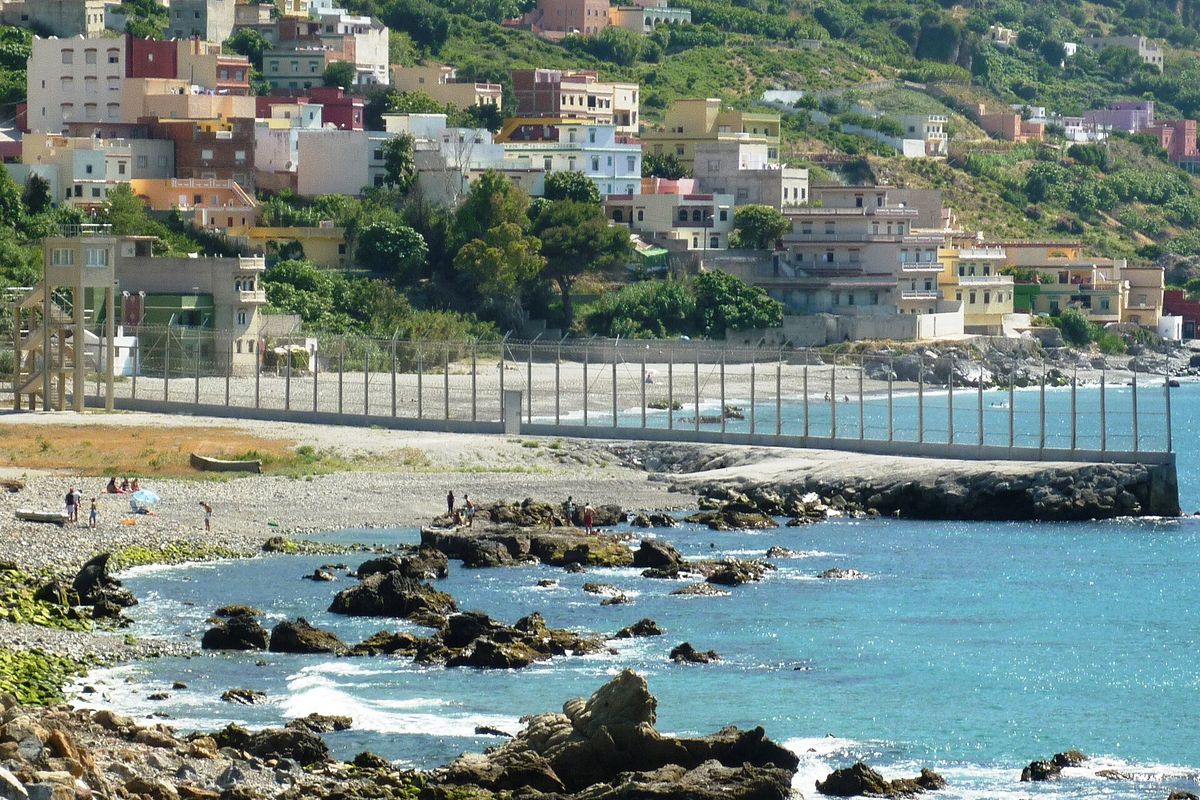
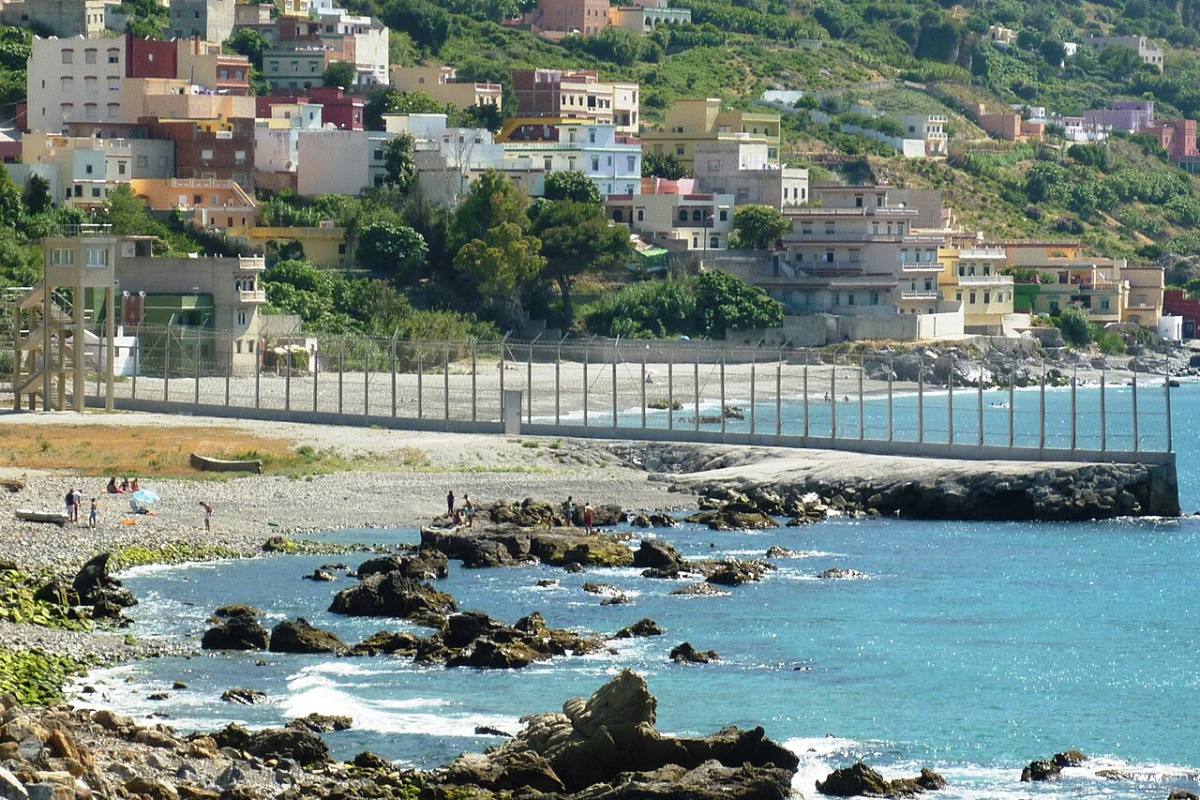
Photo: the border fence between Ceuta and Morocco near Benzú, continuing into the sea. Author Mario Sánchez Bueno, Wikimedia Commons, CC BY-SA 2.0 licence.