
Key actors — tap for context

Ceuta
A Spanish autonomous city on the North African coast by the Strait of Gibraltar. Around 84,000 people live within its twenty square kilometers.
Why here: The city where the sea barrier broke and where, according to calls circulating on social media, another mass crossing attempt is headed.
More info →
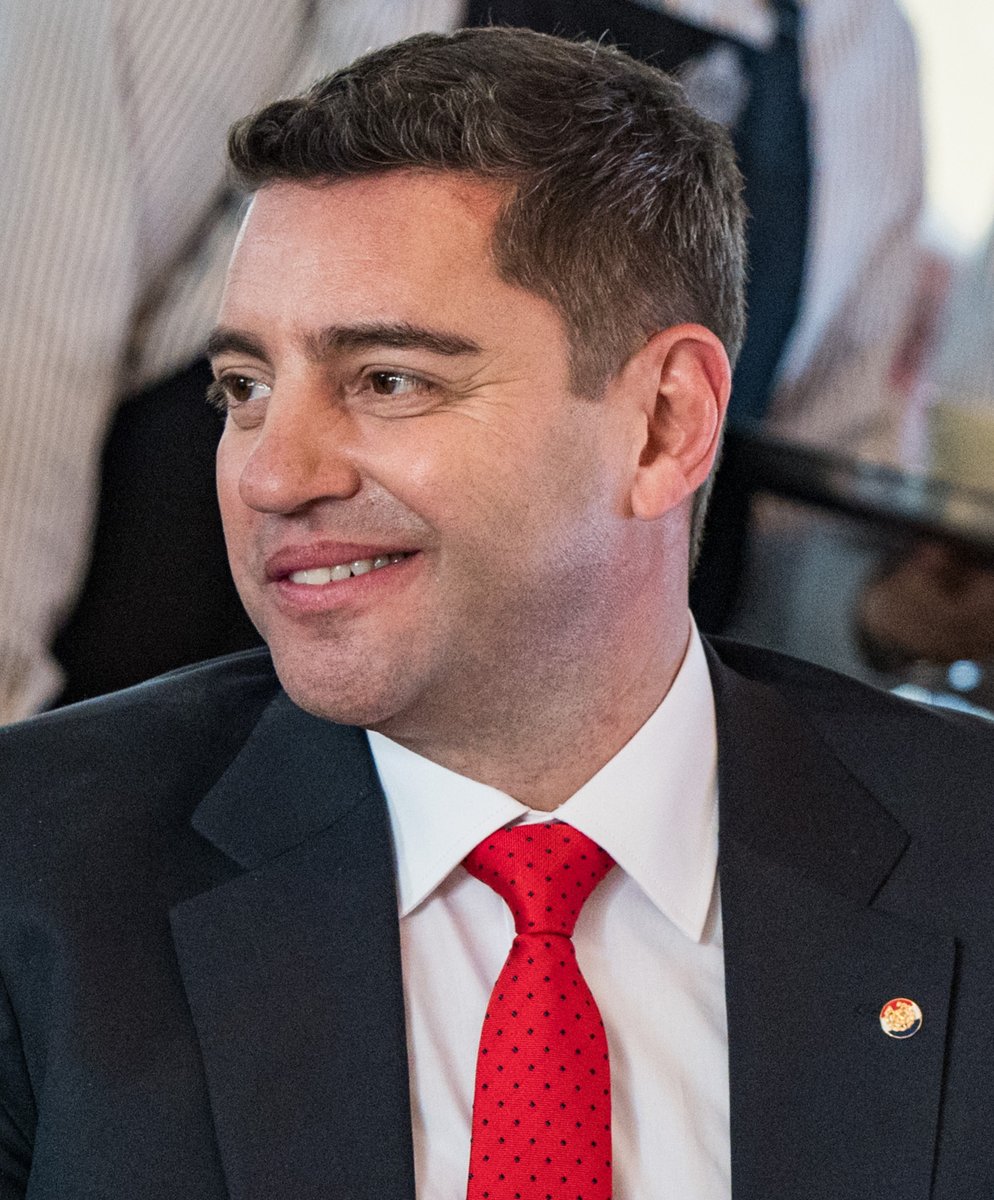
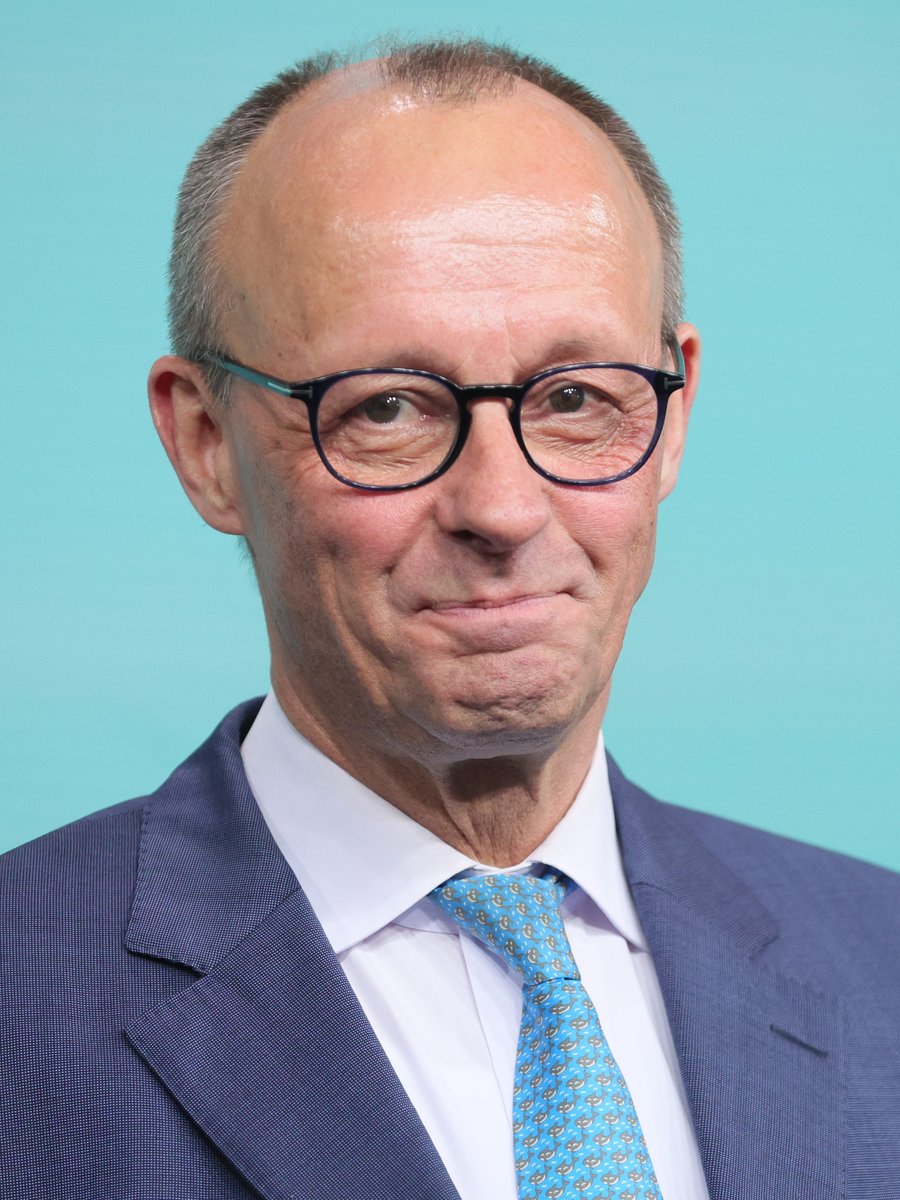
Manfred Weber
German politician, president of the European People's Party and its group in the European Parliament.
Why here: Flew to Ceuta on Monday and saw the torn barrier from the helicopter even before landing. He speaks of a political failure.
More info →
Alberto Núñez Feijóo
Leader of the Spanish People's Party and leader of the opposition, former president of the Galician regional government.
Why here: Visited Ceuta on Monday for the fourth time since the start of August. He will face Sánchez in next year's elections.
More info →
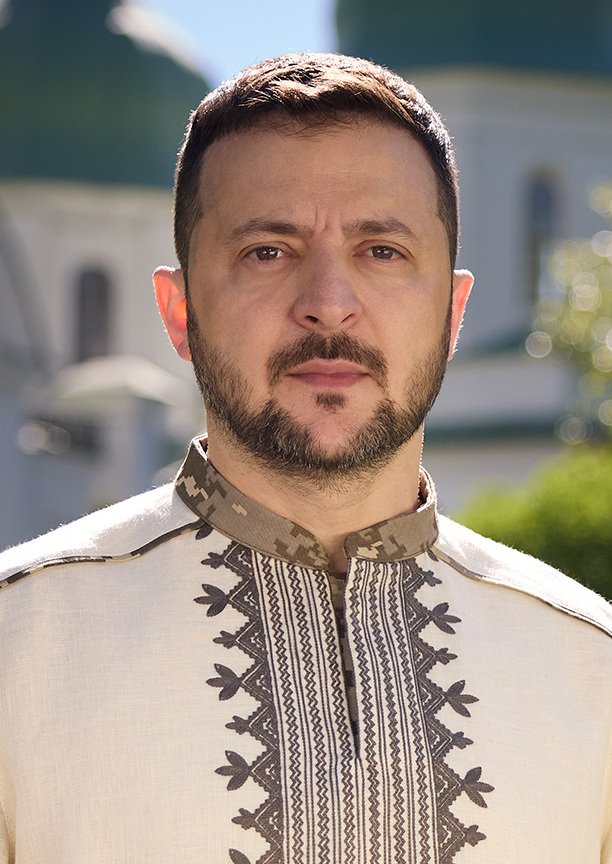
Pedro Sánchez
Spanish prime minister and leader of the Socialists, in office since 2018.
Why here: In New York, he said for the first time that Morocco's border control had failed. He had denied this for two months.
More info →
Christiane Amanpour
British-Iranian journalist, CNN's chief international anchor.
Why here: It was to her that Sánchez, on the sidelines of the UN General Assembly, made the statement about Rabat's failure.
More info →
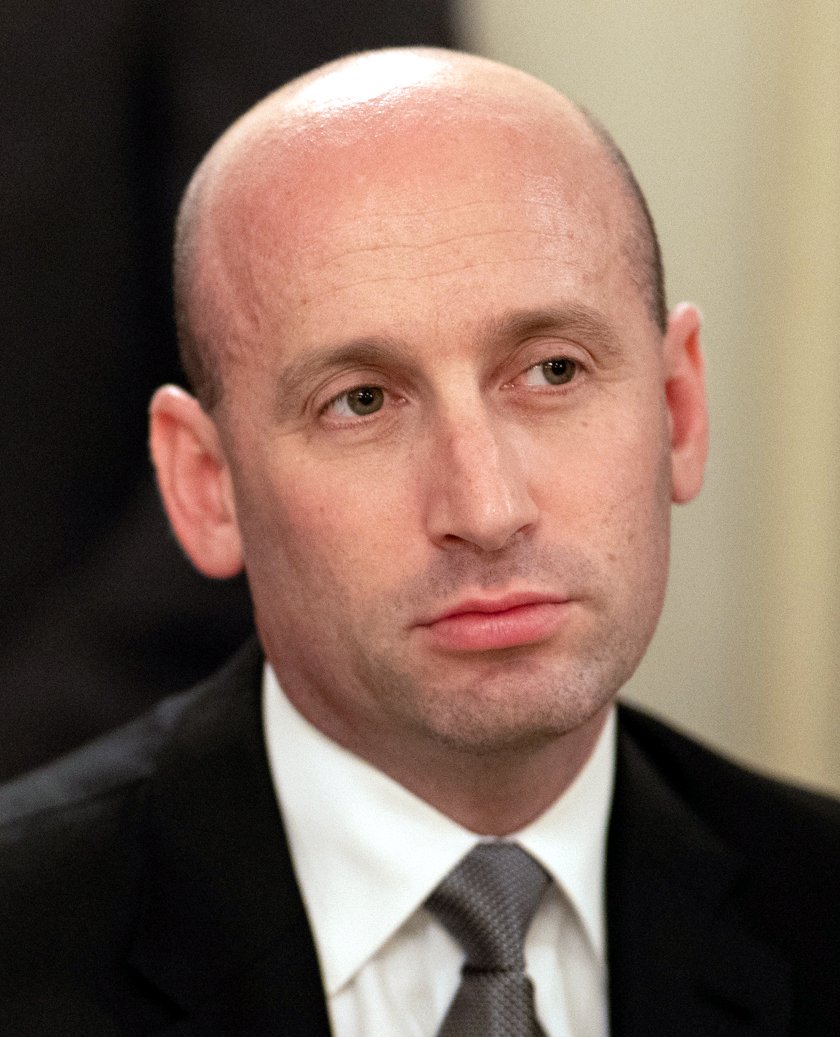
Fernando Grande-Marlaska
Spanish interior minister and former judge.
Why here: Was in Ceuta on Monday and admitted that his ministry is watching the calls on social media with concern. The next day his ministry launched preparatory work on permanent buoys and the extension of the pier.
More info →
Aziz Akhannouch
Moroccan prime minister since 2021 and businessman. He led the National Rally of Independents until February 2026, then handed the party over to Mohamed Chaouki.
Why here: His government is the target of the GenZ 212 movement, and today's elections are its first test after last year's unrest.
More info →GenZ 212
A leaderless Moroccan protest movement that organized last year via Discord, TikTok and Instagram. It demanded hospitals and schools instead of spending on the football championship.
Why here: Its demands remain alive, but only a fraction of young people registered on the electoral rolls.

Fnideq
A Moroccan town right by the border with Ceuta, known in Spanish as Castillejos.
Why here: July's crossings headed from there, and according to rumors on social media, the next one is expected from there too.
More info →
Juan Jesús Vivas
Mayor of Ceuta and member of the People's Party, in office since 2001.
Why here: Described the situation in the city as a pressure cooker that could explode at any moment.
More info →
Frontex
The European Border and Coast Guard Agency, headquartered in Warsaw.
Why here: Has about twenty people in Ceuta; Madrid requested ten more, and the opposition is pushing for even more.
More info →Newtral
A Spanish fact-checking outlet certified by the International Fact-Checking Network.
Why here: Geolocated a video that circulated as supposed proof of a tunnel under the Ceuta border.
María Tardón
Spanish judge at the Audiencia Nacional who has led the investigation into July's entry into Ceuta since early September.
Why here: Is questioning witnesses about who received a warning before July 30, and when.
Gonzalo Sanz
Former chief of staff to the Spanish government delegate in Ceuta, who resigned on September 11.
Why here: Confirmed before the judge that he passed on the CNI's warning to the delegate, and gave her messages from his phone.

Audiencia Nacional
Spain's higher court with jurisdiction across the whole country.
Why here: Is leading the investigation into July's entry into Ceuta.
More info →Felipe VI
King of Spain since 2014.
Why here: Will visit Ceuta and Melilla on October 13 and 14, for the first time in twenty years.
What the president of the European conservatives saw from the helicopter
The president of the European People's Party, Manfred Weber, flew to Ceuta on Monday and spotted the problem before he even landed. From the helicopter carrying him from Málaga across the Mediterranean, several bright red pieces of hose could be seen in the water. This was supposed to be the new barrier against irregular arrivals that the Spanish government installed after the July events, reaching a meter below the surface. Strong waves tore it apart over the preceding weekend. FAZ ↗He was accompanied by Alberto Núñez Feijóo, leader of the Spanish People's Party, for whom this was already his fourth visit to Ceuta since the beginning of August. For Spanish conservatives, Ceuta is a symbol of the socialist government's failed migration policy, and the country holds elections next year. Weber walked along Trampolín beach, where migrants had set up an improvised market with drinks, fruit, and even a barber cutting hair on a discarded office chair. When young men selling baguettes curiously gathered around him and some applauded, he said he thought of only one thing: "Who deceived you? Because the road to Europe will not be there." Of conditions in the city, he then said that in his view Ceuta is governed by political failure. FAZ o návšteve ↗
On Tuesday it emerged that the damage was greater than it had seemed. According to El Confidencial, a substantial part of the barrier had deflated, and the interior ministry launched preparatory work that same day: the inflatable barrier is to be replaced by permanent buoys, and the Tarajal pier will be extended in two phases, first by fifteen meters and then by a hundred meters out to sea. The extension is estimated at seven million euros, the buoys and net at another two, for a total of nine. Cadena SER ↗
The government delegation in Ceuta, however, denies that the border has remained open. It insists that the net placed underwater remains properly anchored to the seabed and that the mechanism retains its function of delimiting the zone despite the visible damage on the surface. Local media add context that shifts the whole picture: the barrier has suffered damage regularly since its installation, because storms and sea currents puncture and tear it. The damage was visible as early as Sunday morning, and the delegation commented on it on Tuesday — that is, on the eve of the day on which calls on social media are summoning a mass entry. Ceuta Actualidad ↗ Infobae ↗ El Confidencial ↗ El Confidencial o móle ↗
Why that hose is a legal tool, not just a fence
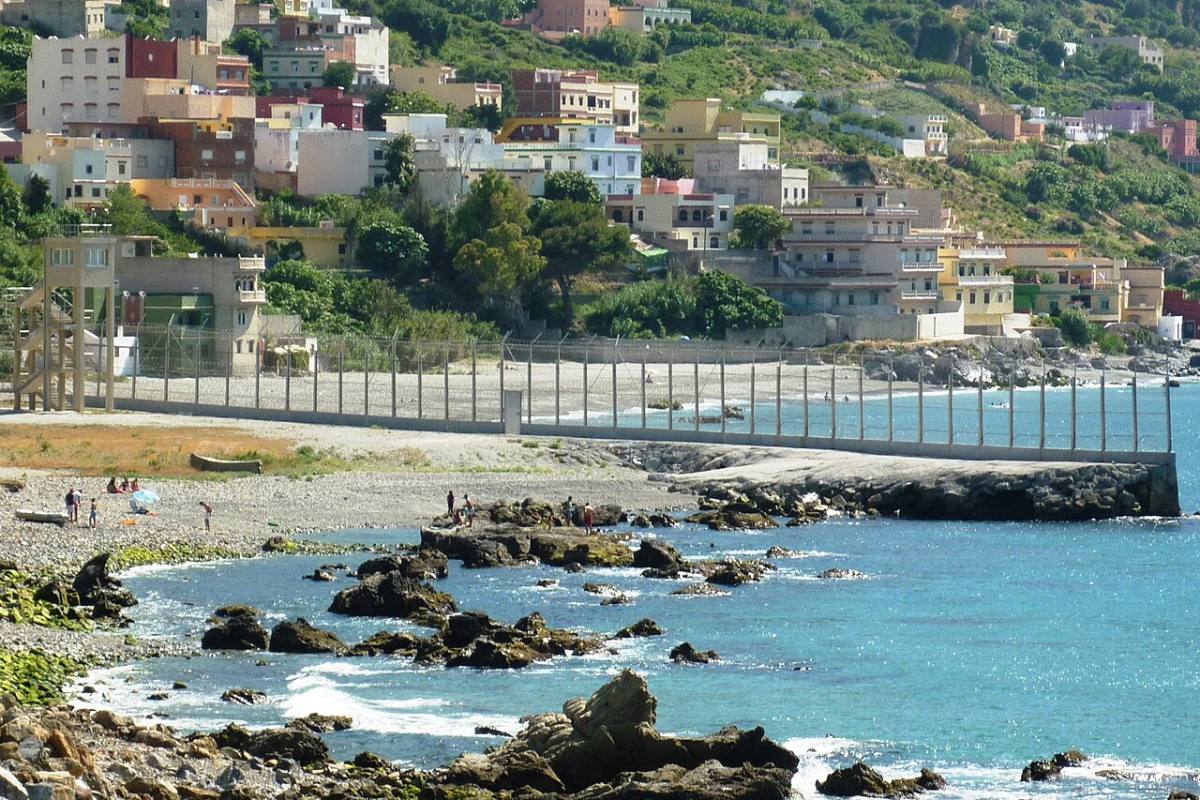
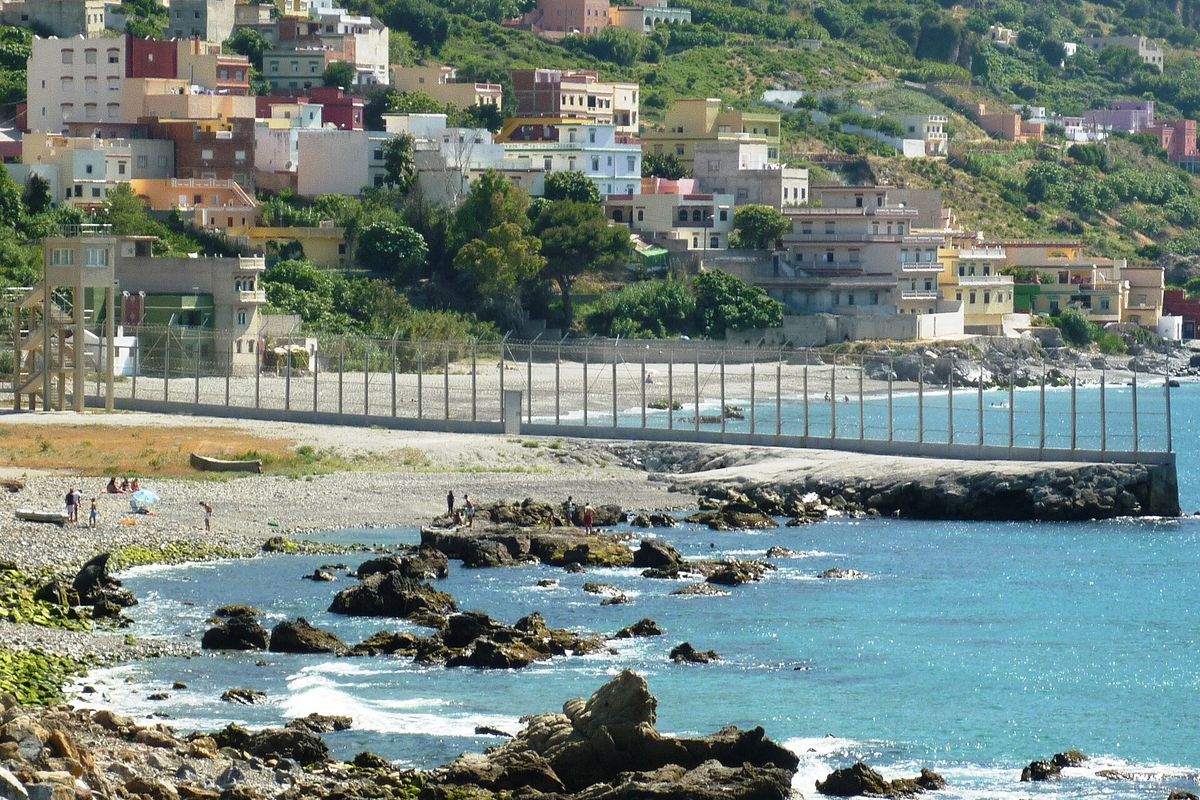
This is the part of the story that gets lost in overviews, and yet it determines everything else. On land, Ceuta is separated from Morocco by a fence six, in places up to ten, meters high, from which Spain removed razor wire and replaced it with other anti-climbing barriers. On the sea border to the south there is only a fifteen-meter-long breakwater with a fence and watchtower, which can be swum around. And that is precisely where the Spanish Supreme Court's decision from late June comes into play. FAZ o hranici ↗Ruling 814/2026 of June 29 excluded the use of the special border rejection procedure on people who arrived by swimming without crossing any physical border barrier. On land, such a barrier is the fence; at sea, according to the court, it is not enough for a swimmer to cross a line in the water. Madrid therefore extended the breakwater with a five-hundred-meter inflatable barrier, though it did so only after the July surge.
What does not follow from this is important. The existence of the barrier by itself does not make every return lawful and does not void Spain's obligations toward people seeking international protection. The simplified border procedure is just one route; alongside it stands the regular return procedure, and unaccompanied minors cannot be returned collectively at all.
This is where the two versions diverge. The FAZ reporter concludes from this that when the hose is torn, the path is physically passable again, and that this is making both the local administration and the Madrid government nervous. The government delegation, on the other hand, claims that the underlying net is what matters, and it is holding, so returns on this stretch of border can continue. Neither side, however, speaks of a right to entry; the dispute is over what procedure the authorities are allowed to use. Which interpretation holds up will only become clear with the first contested case, or possibly in court. FAZ o rozsudku ↗
Security forces are factoring this in. According to ABC, Spain sent 210 Guardia Civil officers and 75 police officers to Ceuta ahead of the key day of Moroccan elections, and Marlaska says the crossings have been reinforced and that Morocco is currently taking its citizens back. El País simultaneously reports movements of sub-Saharan migrants toward the Moroccan coast near the town of Fnideq, in Spanish Castillejos, from where the July crossings originated. According to the paper, it is precisely these movements that are fueling the alarm. ABC ↗ El País ↗
The fact that a mass crossing has not happened does not mean things are quiet at the fence. According to police sources cited by ABC, the Guardia Civil stopped a dozen attempts to breach it on Thursday morning and detained more than fifteen people in the process, in two sections of the perimeter known as Bravo and Charlie. The same sources say such attempts occur daily and are becoming increasingly violent, and that since the razor wire was removed from the fences and replaced with reversed combs, people now manage to get over both fences in under forty seconds. The breach of the barrier has also increased the number of those attempting to cross by sea. ABC ↗
Sánchez names Rabat's failure for the first time
On that same day in New York, the Spanish prime minister spoke a sentence he had never before stated so directly. In an interview with Christiane Amanpour for CNN on the sidelines of the UN General Assembly, Pedro Sánchez said they are investigating what happened in July, and that they are demanding both actions and answers from Rabat, "because it is also clear that its border control failed" As recently as late August, he had denied Morocco's culpability, and in early September he spoke more cautiously about the need for different cooperation, claiming there was no solid evidence that Morocco had organized the entry. eldiario.es ↗ RTÉ ↗ Le Monde ↗Yet the rest of the interview is just as interesting as that one sentence. Sánchez complained about a lack of solidarity from European partners, citing two cases in which he said Spain itself had shown it. The first was Lampedusa, the second Greenland, when other governments questioned the territorial integrity of Greenland and Denmark. That second parallel came on the very same day that Washington, Copenhagen, and Nuuk signed a security agreement on Greenland at the same summit. eldiario.es o Grónsku ↗ eldiario.es o rozhovore ↗
Asked whether he had been warned in advance, Sánchez replied that there had been no clear evidence that something like this would happen. He added that Morocco remains a strategic partner and that a large number of people will need to be returned, but with dignity, because "migrants are not cattle, but human beings." This is in tension with declassified reports from Spain's own intelligence service, according to which the CNI warned a day in advance and spoke of an incursion by both land and sea. The former head of the government delegate's cabinet confirmed before the judge on Thursday that he had passed on the CNI warnings from July 29 to the delegate, more in the new section below. El Mundo ↗ On that same day, it emerged that only Defense Minister Margarita Robles, not CNI director Esperanza Casteleiro, will appear before the Committee on Classified Matters on October 6, even though the opposition had specifically requested her. A day later, Sánchez sounded more conciliatory. According to Le Figaro, he praised the measures Morocco had taken following new calls to cross the border. Le Figaro ↗ In his speech at the UN, he attributed the crisis to inequality, desperation, and disinformation, and said Ceuta would emerge from it without the migrant becoming the enemy. El Mundo ↗ Meanwhile, according to ABC, his government sharpened its tone toward Rabat, saying the situation had "slipped out of Morocco's hands," and more than a hundred migrants in Ceuta have since withdrawn their asylum applications. ABC ↗ ABC ↗ The People's Party used that same day to advance a reform that would allow rejecting at the border people arriving by sea as well. El Mundo ↗ El País ↗ ABC ↗
On Thursday, on the sidelines of the UN General Assembly, the heads of both diplomatic services, José Manuel Albares and Nasser Bourita, met face to face for the first time since July 30. According to Albares, they discussed the return of those migrants who have remained in Ceuta since the July entry and have no right to international protection; according to local authorities, there are still around fifteen thousand of them. Morocco, he said, reiterated "full cooperation" and willingness for them to return "as soon as possible," without a specific deadline or guarantee. The minister did not say whether guarantees that the July scenario would not repeat were also discussed. ABC ↗
The judge is hearing who got a warning and when
While attention was fixed on the fence and the elections, Madrid began examining what lies behind Sánchez's claim that there was no clear evidence of a warning. The investigation into the July crossing, launched after the criminal complaint filed by the Iustitia Europa association, has been led since early September by Audiencia Nacional judge María Tardón, who this week opened the first round of testimonies. The prosecution is led by the city of Ceuta together with the State Attorney's Office (Abogacía del Estado), which represents the government. On Wednesday, Mayor Juan Jesús Vivas testified: before July 30, he said he tried to alert the Prime Minister's Office as well as the ministries of interior, territorial policy, and foreign affairs, but according to him, the central government did not grasp the scale of the crisis, and he was unable to reach Sánchez even after ten attempts, always ending up with the head of his cabinet. Moncloa denies this: it has "no record of ten calls" and claims Vivas requested a conversation only once, on July 30, and received it that same day. El País ↗On Thursday, Gonzalo Sanz testified. He was chief of staff to government delegate Miguel Ángel Pérez Triana during the crossing and resigned on September 11, two days after Moncloa declassified the CNI communications. According to El Mundo, he confirmed before the judge that the warnings handed to him by a CNI agent on July 29 were relayed orally and in the same words to the delegate. The delegate, who also resigned, had claimed he was never given them. According to El País, Sanz admitted the delegate might have denied it simply because he doesn't remember, but given the irreconcilable versions, he believed he had to resign. El Mundo ↗ El País ↗
Sanz also described how the delegation had called for help before July 30. According to El País, it sent two messages to the ministries in July about the consequences of the Supreme Court ruling that banned swift returns of swimmers: the first requested a change to the foreign nationals law, the second requested reinforcements or a migrant sorting center, and warned of a highly probable mass crossing. According to his account, no response came. A Guardia Civil informant, he said, reported that on the night of July 29 to 30 there were more Moroccan boats than usual near the coast. He handed the judge a copy of the messages from his phone and claims there are a further 19 CNI messages and one call that the government did not disclose when it declassified the material. The judge will decide on their declassification later, and the copy will remain in the sealed part of the case file. El País ↗ El Mundo ↗
Sanz also said he witnessed passivity on the part of Moroccan forces at the border. According to his account, reported by El Mundo, when he asked the Moroccan police chief to close the border, the chief replied with the question "Why would I close the border?", since the situation at the land crossing was normal at that moment. The Spanish side did not close it either: the delegate has no authority to do so, and the National Police commander, according to Sanz, said that was a decision for Interior Minister Fernando Grande-Marlaska. El Mundo ↗
At the same time, the king is set to visit Ceuta and Melilla. According to El Mundo, Felipe VI and Queen Letizia will visit on October 13 and 14, one day in each city, marking the first visit by a head of state in twenty years. Unlike his father, the king will not call Muhammad VI before the trip; according to the newspaper, Madrid is waiting for a "response" from Rabat, and diplomatic channels are trying to soften the visit's impact. Sánchez will not accompany the king: Moncloa explains this by saying the prime minister never accompanies him on his trips around the country, though other sources cited by El Mundo suggest a personal decision is behind it. According to El País, the Casa Real wants the visit to underline that both cities are Spanish, so that relations with Morocco can then be "normalized." El Mundo ↗ El País ↗
On Saturday a shift followed that moves the hearings from gathering testimony towards charges: according to El Mundo, Judge Tardón already sees indications against senior officials and is trying to prevent interference in the investigation. El Mundo ↗ A second track will run through parliament — on Wednesday the Senate is due to set up an inquiry committee into the July entry and into why the government did not react. El Español ↗
Morocco votes, but the young did not register
On the other side of the fence, today's vote decides 395 seats in the House of Representatives, with more than 15.8 million registered voters. The incumbent government of Prime Minister Aziz Akhannouch, a businessman whose National Rally of Independents won 102 seats five years ago and whose resignation was demanded by last year's protests, is defending its mandate. In February he handed party leadership to Mohamed Chaouki, but remained prime minister. Polls are banned in the kingdom, so almost nothing can be predicted before the votes are counted, except that another coalition government is expected. The AP agency reports that the number of registered voters has fallen by 9.7 percent compared to 2021, even though the population has grown. According to another published register from 2021, the decline would be even larger, so the exact figure depends on which baseline is used. The vote itself confirmed this. After polling stations closed, the Interior Ministry announced turnout of 38.02 percent compared to 50.35 percent in 2021 — the second lowest since 2002. Yabiladi ↗ France's RFI closed out election day by noting that enthusiasm was precisely what was missing among the young. RFI ↗ Al Jazeera ↗The results were announced by Interior Minister Abdelouafi Laftit on Thursday morning, nearly nine hours after polling stations closed. The PAM won 97 of 395 seats. Founded in 2008, among others, by Fouad Ali El Himma, a classmate and advisor of King Muhammad VI, it has since the summer also been the party of Fouzi Lekjaa, delegate minister for the budget and head of the Moroccan football federation, who is in charge of the 2030 World Cup, which Morocco is organizing together with Spain and Portugal. Akhannouch's RNI fell from first to second place with 66 seats, the nationalist Istiqlal has 65, and the moderate Islamists of the PJD rose from thirteen seats to 54. elDiario.es ↗ El País ↗
All three strongest parties had also governed together until now, and the system, which allocates seats according to the number of registered voters rather than valid votes, does not allow any single party a majority. Under the constitution, the king appoints the prime minister from the winning party, and if the results are confirmed, that could be Fátima Zahra Mansouri, who coordinates the PAM's collective leadership. HN (ČTK) ↗ Whether the new government will change its tone toward Madrid and the claim over Ceuta and Melilla remains unknown for now. The results are preliminary and the government has not yet been formed.
The most telling figure is one ratio. There are about 3.89 million Moroccans aged 18 to 24, but only a fraction of them registered on the electoral rolls: official figures put it at three to four percent of all voters, that is, roughly five hundred thousand people. Yet it was precisely the young who took to the streets last year under the banner of the GenZ 212 movement, which organized leaderlessly via Discord, TikTok and Instagram and demanded hospitals and schools instead of spending on the football World Cup. At least three people died in the October unrest. The Italian daily Il Manifesto sums it up by saying that the only choice left for these young people is unemployment or emigration. This doesn't mean young people have vanished from politics entirely — they are on the candidate lists — but their weight among voters is incomparably smaller than their share of the population. Al Jazeera o mladých ↗ Il Manifesto ↗
Spain's public broadcaster RTVE summed up Morocco's pre-election situation in a report that names abstention as the main protagonist of the vote. The commentary is in Spanish.
That is the other half of the same equation. Khalid, a twenty-year-old high-school graduate and student who reached Ceuta by swimming, told an FAZ reporter the following. "Spaniards don't need to be afraid of us," he says. "We're not invaders, we have no weapons. We're just looking for a better life and work." In Morocco, there is no future for him. When he saw that the gate was open, he came right away, without hesitation. FAZ o Khalidovi ↗
The march did take place, just the other way around
All through September, Spanish services monitored a call that had been spreading from Moroccan accounts since September 4, summoning people to a march on Sunday, September 20, for the liberation of Ceuta and Melilla. We wrote about it three days ago. The Moroccan government never commented on it, and the conservative El Mundo, as cited by the French Courrier International, noted that this call had nowhere near the response of the one in July, nor of another that ultimately fell through on August 15. Courrier International ↗Also read: Spanish services monitor march for the liberation of Ceuta
The march did eventually take place on Sunday, just called by someone else entirely. Several thousand residents of Ceuta walked from the Chorrillo esplanade to the Tarajal border crossing carrying Spanish and Ceutan flags and chanting "where are our rights," summoned by the Federation of Residents' Associations of the city. Hundreds of motorcyclists joined in. The procession arrived exactly at the spot where the avalanche of people had come on July 30. Organizers carried a banner reading "S.O.S. Ceuta under attack," read a manifesto in defense of the border, and called on the European Union to take up the dispute as its own. The procession passed peacefully, with a majority of women and without incidents, although soldiers stood on the slopes of the El Príncipe neighborhood, where most Moroccans live, and police formed a human wall between the demonstrators and passing young men. Moncloa ↗ El Correo Gallego ↗
Footage of the march was published on Sunday by the daily El Mundo. In the one-minute clip, the procession can be seen with Spanish and Ceutan flags on the way from the Chorrillo esplanade, with commentary in Spanish.
Meanwhile, the online calls themselves have had a sequel in Morocco. The General Directorate of National Security (DGSN) announced it had detained ten people suspected of spreading false news and digital content that incited "mass" illegal migration to Ceuta and Melilla. The raids took place in Casablanca, Marrakesh, Fez, Nador, Témara, Béni Mellal, Taza, and Tarudant, and according to the Moroccan portal Le360, two of those detained are minors, which the authorities have not officially confirmed. The timing coincided with the day of the parliamentary elections. 20 Minutos ↗
Trampolín beach is being cleared before the king arrives
The camp on Trampolín beach was the last large place where people from the July entry were sleeping outside any facility, and nine days before the royal visit the police began taking it apart. The operation started on Saturday morning; El País describes it as a zone-by-zone clearance, and El Español had written three days earlier about armoured vehicles landed in the city. The first phase ended without incident and the people from it were moved to temporary accommodation. El País ↗ Daily Mail ↗ RFI ↗The second part of the same operation is disputed. According to El Español, the police are forcing dozens of departures by telling migrants that if they apply for asylum it will be refused and they will not be able to return — and in a single day almost a thousand people went back to Morocco this way. Two Moroccans told El País their departure was coerced: "They told us the decision to send us back had already been taken." The interior ministry insists they left of their own will. El Español ↗ El Español on the thousand ↗ El País ↗ El País on the ministry's version ↗
Clearing the beach does not end the problem, it only moves it. In the same week the NZZ wrote that thousands of people are sleeping on the streets of Ceuta anyway, and Romania's Digi24 reported two minor migrants stabbed and a beach contaminated with bacteria. The ombudsman has meanwhile admitted for review the complaints about conditions for the soldiers sent to the city. NZZ ↗ Digi24 ↗ El Español ↗
The political cost of the crisis is already being measured. According to La Vanguardia, 65 percent of Catalans rate the government's handling of Ceuta negatively, and El Confidencial's poll aggregate suggests the People's Party would win an election held after Ceuta and the housing protests. One side effect is that the reconciliation summit with Algeria is, according to El Español, in the air precisely because of the election and the royal trip. La Vanguardia ↗ El Confidencial ↗ El Español ↗
What can and cannot be verified from this crisis
So much material is circulating around Ceuta that some of it is demonstrably false. Since early September, a video has been spreading showing people climbing out of a street drain and running off, captioned as Moroccans passing through a tunnel under the Ceuta border. Fact-checkers debunked it as early as September 8, but it resurfaced before the elections. The Spanish fact-checking outlet Newtral geolocated it to the port of Beni Ensar in Nador province, a kilometer from the border with Melilla and more than two hundred kilometers from Ceuta. Open ↗ Maldita ↗The numbers also call for caution. For the entry of July 30 and 31, figures ranging from just over seventy thousand to eighty thousand people are used, depending on which newsroom is counting, with the British tabloid press using the highest figure. More significant is what happened afterward, and here two different numbers need to be distinguished. According to FAZ, in the hours and days immediately following the surge, the majority of those who arrived returned to Morocco spontaneously, on the order of 65,000 people, while other estimates put the figure at 65,000 to 70,000 and themselves flag the uncertainty. The official return program, which has only been running since August 10, is nearly ten times smaller: the minister for territorial policy and democratic memory, Ángel Víctor Torres, gave a tally on September 22 of 6,791 voluntary returns, including 1,309 in the past week, with another 318 people departing under expulsion orders, for a total of more than 7,100. Government Office ↗ Anyone who conflates the two figures gets an entirely different picture. According to Torres, the accommodation facilities hold about six thousand adults and two thousand minors, whose regime is different, since unaccompanied minors cannot be returned en masse. How many people are sleeping outside the facilities, nobody knows exactly: Marlaska spoke on September 21 of three to three and a half thousand, while an FAZ report estimates three to five thousand. FAZ on the numbers ↗ Courrier International on July ↗
In the city itself, tension persists. Courts in Ceuta opened 37 proceedings for sexual assault between July 30 and September 14, of which 28 were still ongoing as of that date, eight had been provisionally shelved, and one had been merged with another. So this is not 37 proven acts. The president of the Andalusian High Court, Lorenzo del Río, speaks of a 60 percent rise in crime in Ceuta compared to the same period last year. On Tuesday afternoon the city went through several incidents, including a brawl after which local media reported people detained and injured, though the figures changed throughout the day. Mayor Juan Jesús Vivas speaks of a pressure cooker. ABC on the court cases ↗ El Español ↗ El Confidencial on the brawl ↗
Two aspects of this tension can be measured more precisely. The first is healthcare: Health Minister Mónica García claims that bed occupancy at Ceuta's university hospital is 53 percent and that there was no collapse, while an ABC report from the emergency department describes staff who, in their own words, lost what they knew as a normal routine. The overcrowded corridors of early August, according to that report, are no longer the norm. ABC ↗ The second is childcare: in the city it is provided by two organizations, Fundación Samu and Asociación Engloba, and the number of minors still outside suitable facilities is estimated very differently — the government speaks of five hundred, the organizations themselves of two thousand. More associations are therefore arriving in the city. ABC ↗
The limits of this account
The key dispute at the heart of this text remains unresolved, and the reader should know that. Whether the damaged barrier means an open path or not is claimed oppositely by the two sides, and neither is impartial: the government delegation has an interest in the system appearing to function, while the opposition and part of the media have an interest in the opposite. What can be verified so far is only that the surface part of the barrier is damaged and that the government insists on the anchoring of the lower net.Most of the on-the-ground detail in this text comes from the FAZ report, produced during a trip organized around a visit by Manfred Weber and Alberto Núñez Feijóo, two politicians for whom Ceuta serves as an argument against the Sánchez government. This does not invalidate the facts about the barrier or the numbers, but the selection of what makes it into the text has its own author. Crime data are reported by ABC and El Español, newspapers long critical of the government, while figures on migrant care come from El País, which is closer to the government line. With the court proceedings it is different: these come from an inspection report by the General Council of the Judiciary and are reported consistently by wire agencies as well, so political selection is not at play there.
The account of the interrogations in the new section comes from sources close to the case and from what witnesses told journalists, not from a published transcript, and part of the file is sealed. These are therefore witness statements, not established facts. Sanz is a former Socialist official who defends the delegation's work, Vivas is a member of the opposition People's Party, and the prosecution is being led by the city together with the State Attorney's Office, which acts on behalf of the government. The newspapers also differ in emphasis: El Mundo plays up the "Moroccan trail," El País the delegation's frustration with Madrid. The words of the former chief of the local police, Sebastián Vega, that "in Morocco nobody moves without the information structure around power, exercised by the king, knowing about it," are his opinion, not evidence. El País ↗ El Mundo ↗
It likewise holds that an online call is not the same as an announced march, and neither is Moroccan state policy. The Moroccan government made no statement regarding the calls for September 20 or 23, and no one has produced evidence of state orchestration of the campaign. That the surface part of the barrier is damaged is a fact, as is the government's insistence on the functionality of the lower net. That another mass crossing will occur on election day is, for now, a concern of the security services and speculation on social media, not an event.
Two versions stand against each other over the clearing of the beach, and neither can yet be settled. The migrants quoted by El País speak of pressure, the interior ministry of a voluntary departure; both are statements by the parties involved, not findings of an independent body. The figure of "almost a thousand in a single day" likewise comes from El Español, a paper long critical of the government, and no official tally has been published.
This is the fifth and final update to this article. Further developments — the royal visit on 13 and 14 October, the testimony before the official secrets committee, the judge's decision on declassifying the remaining nineteen CNI messages and the work of the Senate committee — will be covered in a separate piece, not here. The reason is readability: the update log is already longer than the intro, and a sixth wave would make the article unreadable.
What hotinfo is monitoring
- Spain restored the sea barrier at Tarajal or extended the breakwater by the announced hundred metres
- The Moroccan election has a result and the new government has stated its position on the claim to Ceuta and Melilla
- The CNI director testified before lawmakers about the July crossing
- Morocco answered Sánchez request for an explanation of the border failure
- Judge Tardón ruled on declassifying 19 more CNI messages and one call that the government did not release
- King Felipe VI visited Ceuta and Melilla on 13 and 14 October and Rabat responded to the visit
- Another mass crossing into Ceuta happened, or the election window passed without oneNaplnené vlnou 1 (24.9.): volebné okno prešlo bez hromadného prechodu, výzva na nový masový vstup podľa El Mundo vyfučala a hranica zostala opancierovaná.
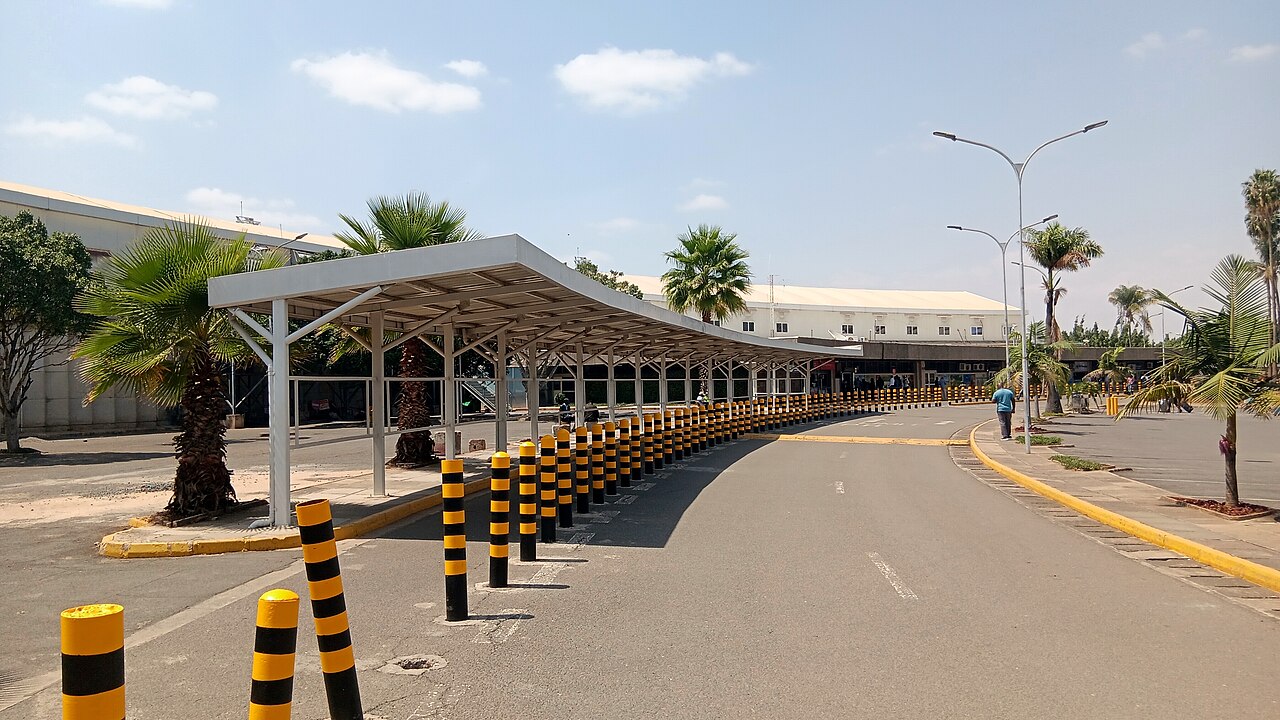
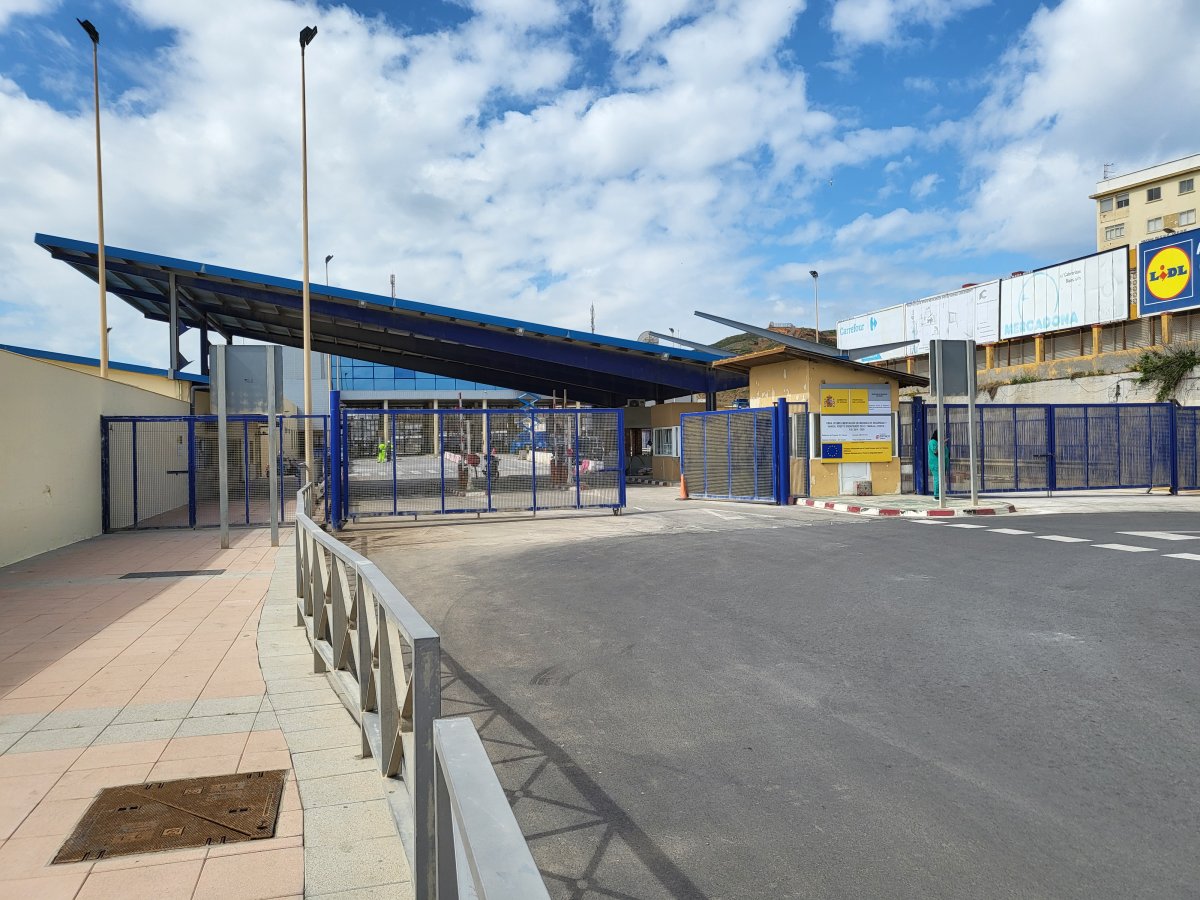
Photograph: the El Tarajal border crossing between Ceuta and Morocco. The image is from 2022, when the crossing was still closed due to the pandemic. It is to this very spot that Spain sent reinforcements ahead of the Moroccan elections. Author Xemenendura, Wikimedia Commons, license CC BY-SA 4.0.