





Key actors — tap for context
Štátna ochrana prírody SR
A professional organization of the Ministry of the Environment for nature and landscape protection.
Why here: Confirmed the occurrence of the Asian hornet in Uloža and coordinated the location and destruction of the nest.
More info →
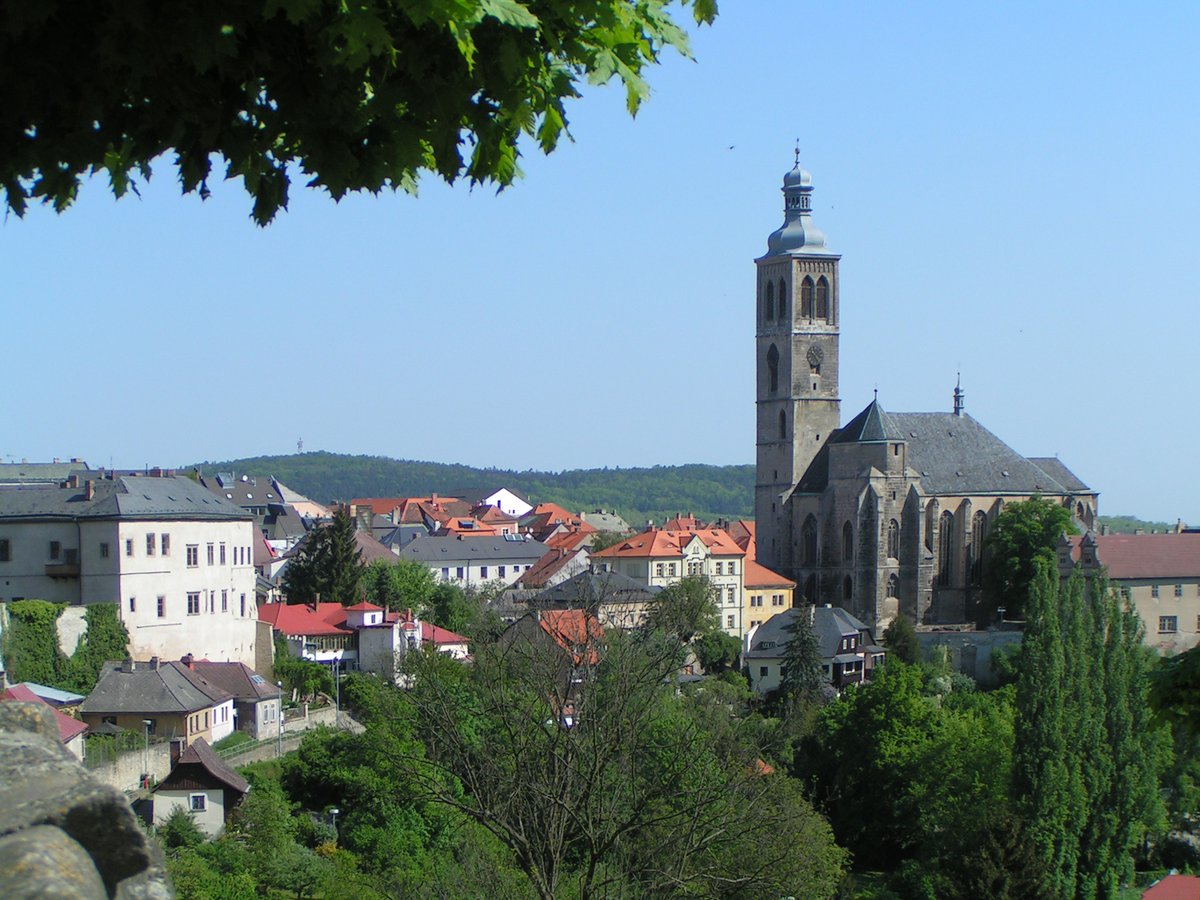
Uloža
A village in the Levoča district in the Spiš region.
Why here: Conservationists found a nest of the Asian hornet on the façade of a house in the village on October 13.
More info →
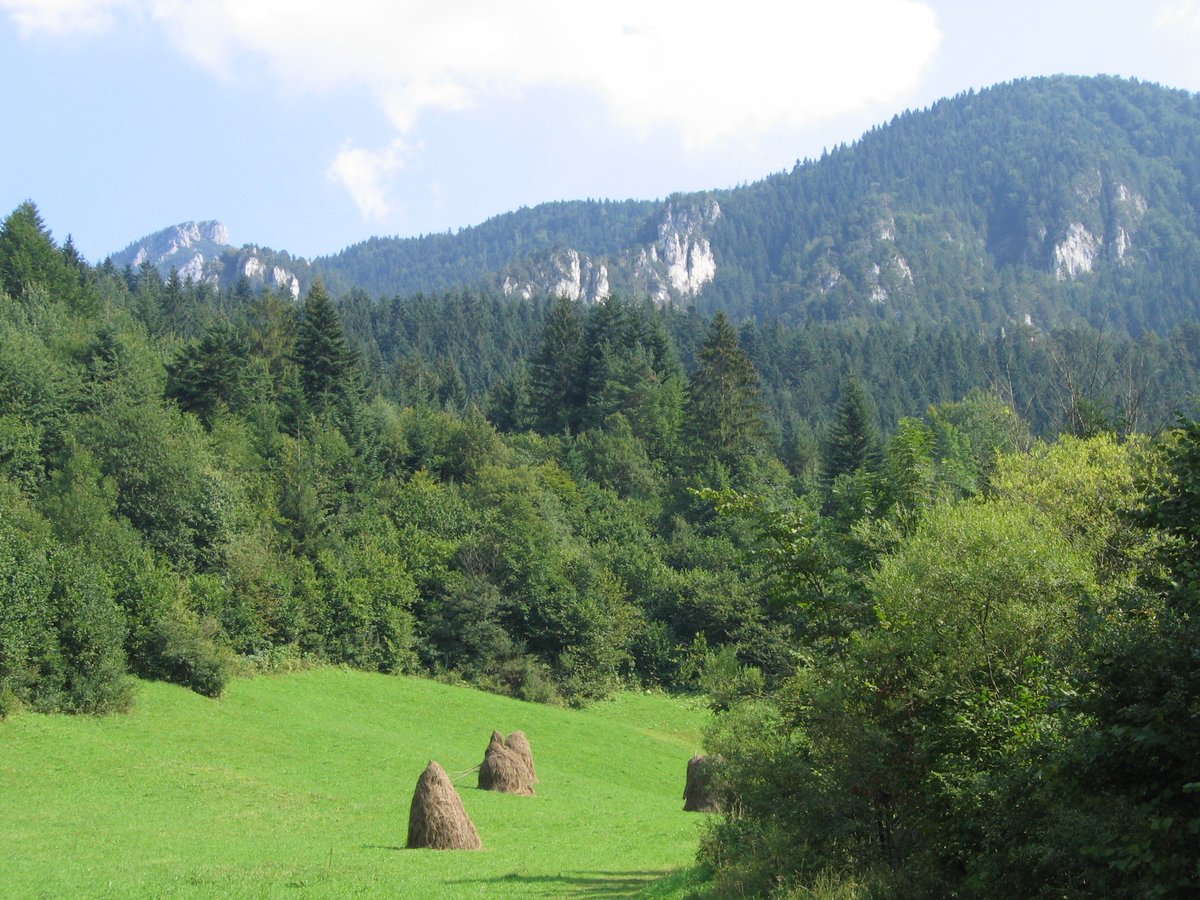
Slovenský raj
A national park in the Spiš region.
Why here: Its administration cooperated with the State Nature Conservancy on monitoring hornets in Uloža.
More info →Peter Olekšák
Deputy director of the Slovenský raj National Park Administration.
Why here: Describes the new ultra-light transmitter that conservationists used to track hornets all the way to the nest.
Filip Kuffa
State Secretary of the Ministry of the Environment of the Slovak Republic.
Why here: Announced the occurrence of the hornet in Uloža on social media on October 12.
More info →Ingrid Károlyová
Communications manager of the State Nature Conservancy of the Slovak Republic.
Why here: Urges people to report hornet sightings to conservationists.

Palárikovo
A village in the Nové Zámky district.
Why here: In 2024, the first nest of the Asian hornet in Slovakia was found and destroyed here.
More info →A transmitter on the hornet's back led conservationists to the house
The State Nature Conservancy received a report of possible hornet occurrence in Uloža on September 26, confirmed the occurrence, and on October 12 it was announced on social media by the state secretary of the environment ministry, Filip Kuffa. ŠOP SR ↗ TASR ↗ Conservationists captured, tagged, and tracked hornets, tried a drone as well as thermal imaging, and eventually discovered the nest on the façade of a house right in the village. Peter Olekšák, deputy director of the Slovenský raj National Park Administration, said about the tool that made the difference: "They developed a special new type of transmitter that is completely lightweight, completely nano." STVR ↗ The nest was then removed by a professional company. Pravda ↗The same approach was used in early October by Irish nature wardens in County Cork. They attached a miniature transmitter to a living hornet and located the nest near Ringaskiddy a few hours later. RTÉ ↗
The fifth location, the first with witnesses from the village
Besides Uloža, the State Nature Conservancy records four other findings. In 2024, a nest was found in Palárikovo and a male specimen in Dolný Ohaj. In 2025, an overwintering queen was found in Pravenec and an individual in Lozorno. According to conservationists, the latter two involved hornets introduced along with goods from abroad, and no further individuals or nests were confirmed in the vicinity of either location. Korzár ↗In Uloža, what the villagers say is different. Former beekeeper Viliam Chmelár told STVR that he had spotted Asian hornets as early as two years ago but did not report them to anyone, and according to him they destroyed all four of his bee colonies. Beekeeper Helena Proková warns: "If we do nothing, they will be here, we will find them in every region, in the thousands." STVR ↗ Official data from the State Nature Conservancy mention only the report from the end of September. Conservationists have not confirmed a longer presence of hornets in the village. ŠOP SR ↗
The local TV Levoča filmed a report in Uloža on Tuesday, with drone footage of the village, the captured hornet, and an interview with the State Nature Conservancy's communications manager Ingrid Károlyová (5:48, in Slovak).
What Europe has already experienced
In France, the Asian hornet first appeared in 2004, probably with ceramics imported from China, and has since occupied a large part of the country. In early October, a swarm of Asian hornets there attacked runners at a trail race in Saint-Maurice-en-Gourgois: about twenty participants suffered stings, and one with a severe allergic reaction was taken to hospital by helicopter. TA3 ↗ In September, the French government announced a national plan to fight the hornet worth 3 million euros. Le Figaro ↗In the German region of Aachen, the hornet is already considered an established species, which is why authorities there mostly do not pay for nest removal, with the costs borne by the affected property owners. WDR ↗ In the Czech Republic, the Nature and Landscape Protection Agency received approximately 700 reports this year, but the occurrence was confirmed in only two cases, in Rozvadov and in Liběchov near Mělník. iDNES.cz ↗
How to recognize it and what to do
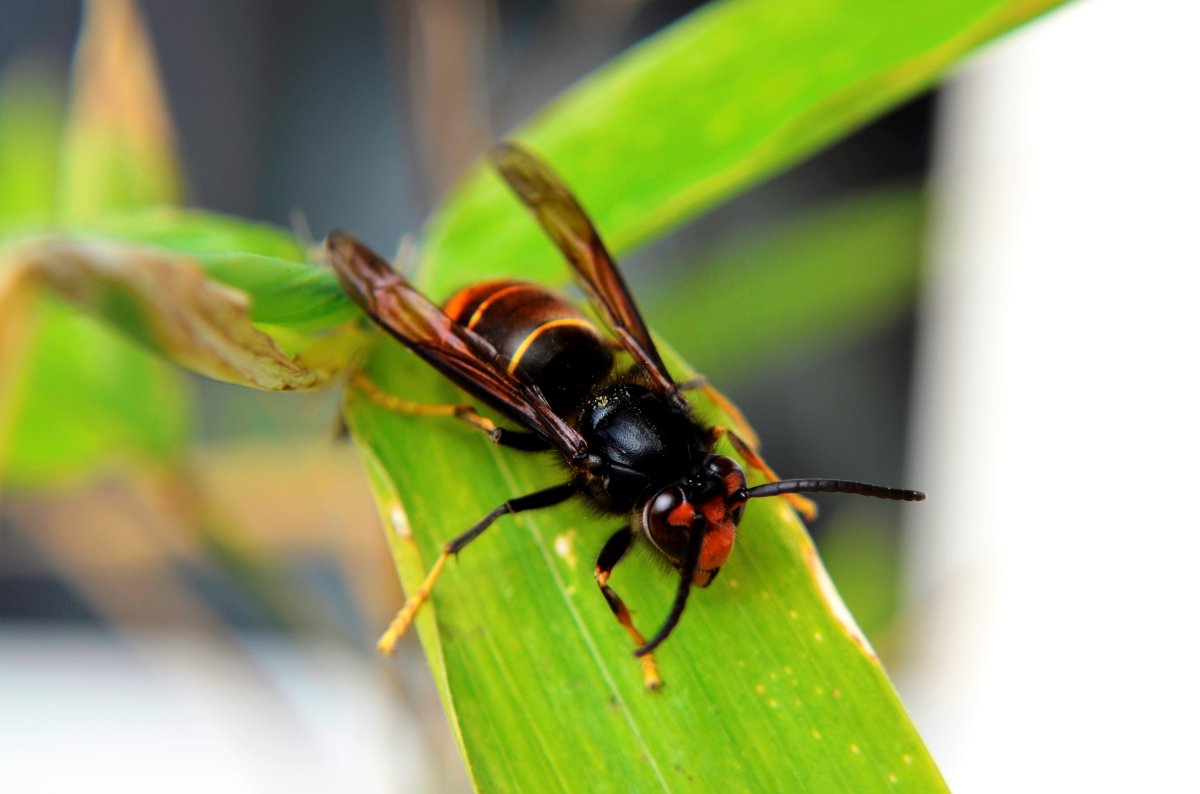
The Asian hornet is somewhat smaller and significantly darker than the native European hornet. It has a black head and thorax, a dark abdomen with one conspicuous wide orange band, and distinctly yellow leg tips. In spring, the queen establishes a primary nest the size of a tennis ball. A large secondary nest with a side opening is later typically suspended freely high in a tree crown. According to conservationists, it is dangerous to humans mainly when the nest is disturbed, and for allergy sufferers. Korzár ↗The State Nature Conservancy asks that people not interfere with the nest and not approach it. It is enough to photograph the finding, note the exact location, date and time, and report it via the Rapid Warning System of the State Nature Conservancy of the Slovak Republic, the "Zastav sršňa" (Stop the Hornet) mobile app, or by email to srsen@sopsr.sk. According to conservationists, early detection is important to prevent the species from spreading further. ŠOP SR ↗
What hotinfo is watching
- ŠOP dohľadala v okolí Uloži ďalšie hniezdo, alebo monitoring uzavrela bez nového nálezu.
- Na jar 2027 sa na Spiši objavilo nové primárne hniezdo, teda niektorá kráľovná v regióne prezimovala.
*Illustrative photo: an Asian hornet in Poitiers, France, Wikimedia Commons (CC0).*