




Key actors — tap for context

Kaja Kallas
High Representative of the EU for Foreign Affairs and Security Policy, former Estonian Prime Minister.
Why here: The addressee of the letter, who is to bring the proposal to the ministerial meeting.
More info →
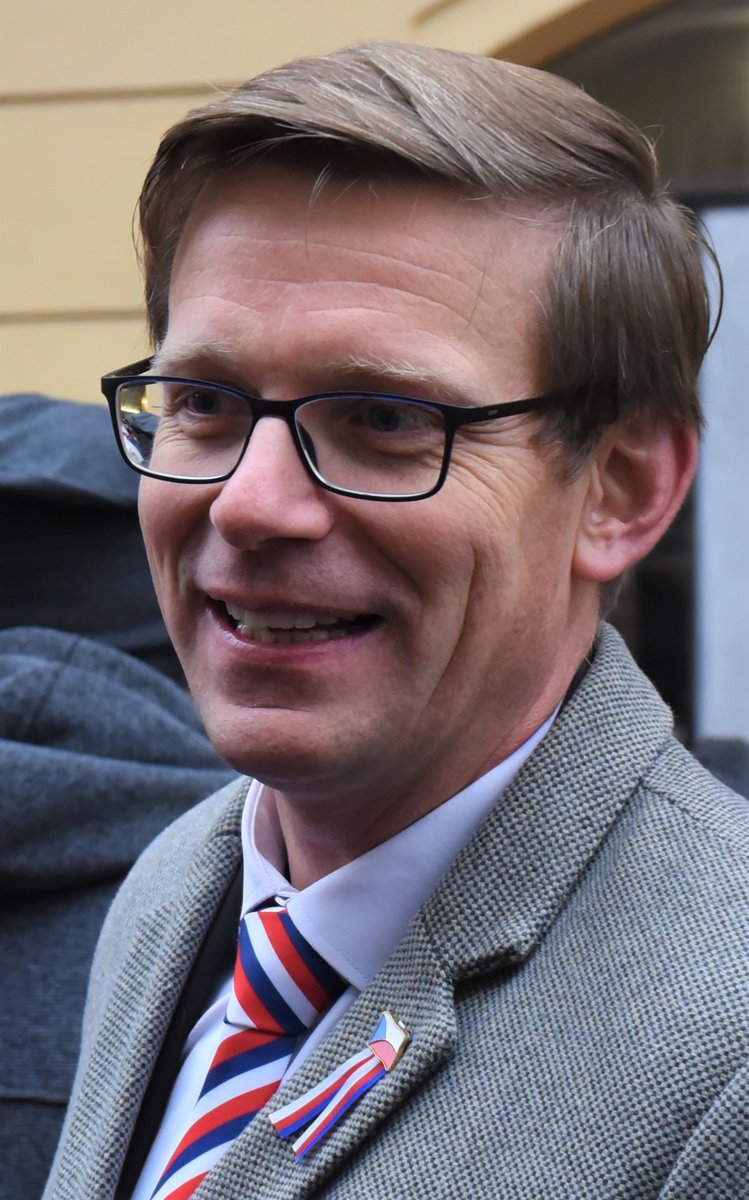
Janez Janša
Prime Minister of Slovenia and leader of the SDS party, elected by parliament in May 2026 and whose government took office in June for the fourth time.
Why here: Under his government, Slovenia withdrew from the group advocating majority voting.
More info →
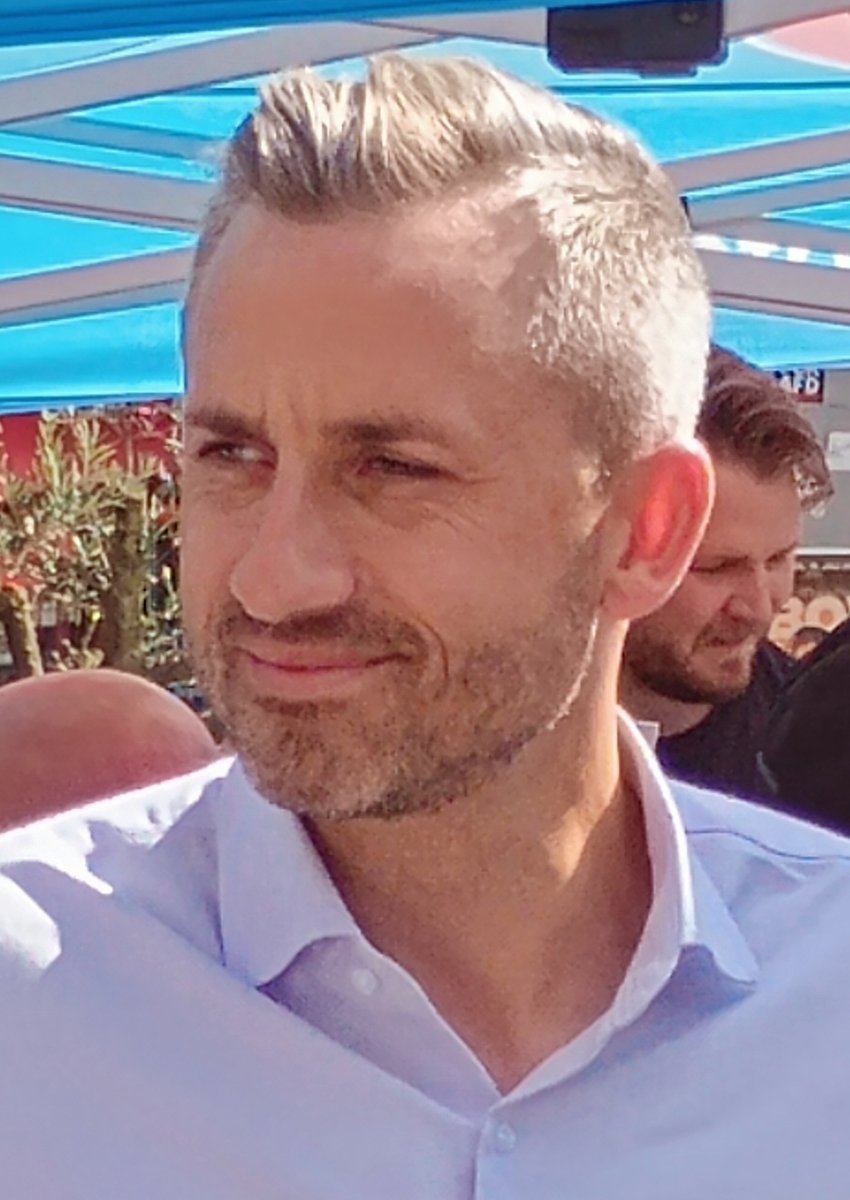
Péter Magyar
Prime Minister of Hungary, who replaced Viktor Orbán in 2026.
Why here: He backed away from blanket blocking of accession talks with Ukraine, but further progress is slowing.
More info →
Viktor Orbán
Former Hungarian Prime Minister who led the country for over a decade.
Why here: His governments turned veto into a tool for extracting concessions from Brussels.
More info →
Robert Fico
Prime Minister of the Slovak Republic.
Why here: Leads a country that defends veto rights and is not among the signatories of the letter.
More info →
European Council
A body composed of the heads of state and government of EU member states, which determines the political direction of the union.
Why here: It would be the one to have to decide unanimously to abandon unanimity.
More info →Five Principles to Limit Obstructionist Veto
The letter does not contain a proposal to change treaties, but five principles that, according to the signatories, can be applied immediately. States should maintain sincere cooperation and mutual solidarity, more frequently use constructive abstention instead of veto, not link foreign policy decisions to substantively unrelated issues, examine possibilities for transitioning from unanimity to qualified majority, and require properly substantiated fundamental reasons from a state that would resort to an emergency brake when deciding by qualified majority. "The legal framework for all five principles already exists. It is up to us to put them into practice," the letter states. Kyiv Post ↗The signatories' argument is straightforward. "A culture of consensus is an important source of the union's legitimacy, and we will continue to pursue it wherever possible," the text reads. "However, we must ensure that this culture supports joint action and does not prevent it, otherwise we will have legitimacy but not strength." Germany also calls for "more creative" interpretations of EU treaties. RTV Slovenija ↗
Currently, political decisions in common foreign and security policy, including sanctions regimes against Russia, must be approved by all twenty-seven member states, so a single country can block what the other twenty-six have agreed to. With qualified majority voting, a proposal would need the support of at least fifteen countries representing at least sixty-five percent of the EU's population. CEDMO ↗
Slovenia Backed Down and Then Used Its Veto
Under the previous government, Slovenia was among the countries advocating for majority voting. It is no longer among the signatories of this letter. The Slovenian Foreign Ministry told the STA agency that decision-making in common foreign and security policy should continue to require the consent of all, although the country is open to further discussion. In the informal group for more efficient decision-making, Slovenia has had only observer status since July. RTV Slovenija ↗Why the country changed its position was demonstrated in practice shortly thereafter. Last week, it was Slovenia that prevented the EU from issuing a joint statement criticizing the Israeli government's decision to build settlements in area E1 on the West Bank—construction that violates international law. Prime Minister Janez Janša accused the union of double standards and of empty foreign policy statements that, in his view, solve nothing. A country that once wanted to weaken veto rights used it itself just months later.
Who Is Missing from the List
Sixteen member states are absent from the list of signatories, and they are not only those readers might expect. Neither Poland nor the Baltic states, the loudest advocates of a hard line against Moscow, joined. The resistance of smaller members has its logic: they see unanimity as insurance against being outvoted by larger states. They also argue that foreign policy touches on the security and sovereign interests of the state, and therefore each country should retain the final brake.Slovakia has held this position long-term and, together with Hungary, is among the countries that defend veto rights most openly. That it resolves disputes with Brussels in ways other than voting was demonstrated this year when it filed a lawsuit against an EU ban on Russian gas imports and challenged its legal basis. Ministry of Justice of the Slovak Republic ↗
The Hungarian example, meanwhile, shows that blocking may not stem from just one political establishment. Viktor Orbán's governments used veto to extract concessions, including guarantees around the Druzhba oil pipeline. His successor Péter Magyar, after talks with Kyiv over the rights of the Hungarian minority in Transcarpathia, backed away from blanket blocking, and the first negotiating cluster opened in mid-June, the sixth in mid-July. Further progress, however, is stalling: Budapest twice refused to move clusters number two and three, first at the working level on July 17 and then on July 22 before the summer break. At the June summit, it ensured that the formulation about opening further chapters "as soon as possible" was removed from the conclusions. The Kyiv Independent ↗
Read also: Neutral Ireland Negotiates Entry into British Military Coalition Against Russia
The Trap the Proposal Cannot Avoid
The signatories invoke the so-called bridging clause in Article 31 of the Treaty on European Union. It allows the extension of qualified majority voting to other areas of foreign policy without having to amend and re-ratify treaties, which is its main practical advantage.However, it has a catch that has kept the entire debate at a standstill for years. Its use must be decided by the European Council, and unanimously at that. Countries that wish to keep their veto would therefore have to unanimously agree to relinquish it. Moreover, the clause does not apply to decisions with military or defense implications, and even where majority voting would apply, an emergency brake remains: any state can object on "fundamental reasons of national policy." The fifth principle of the letter is precisely aimed at this brake, demanding that such objections be properly substantiated. Interfax-Ukraina ↗
The Limits of This Approach
The letter is neither a decision nor a legislative proposal, but a political signal ahead of the ministerial meeting. Its text has not yet been published—journalists are working with a draft that the Euractiv server had access to, so the final version may differ.There is also a difference between what the signatories are asking for and how it reads. Four of the five principles speak of restraint in using veto and of proper conduct in negotiations, not of its abolition. The actual transition to qualified majority voting is formulated in the letter as "examine possibilities," not as a done deal. Anyone who would make this the end of veto rights is getting ahead of several steps.
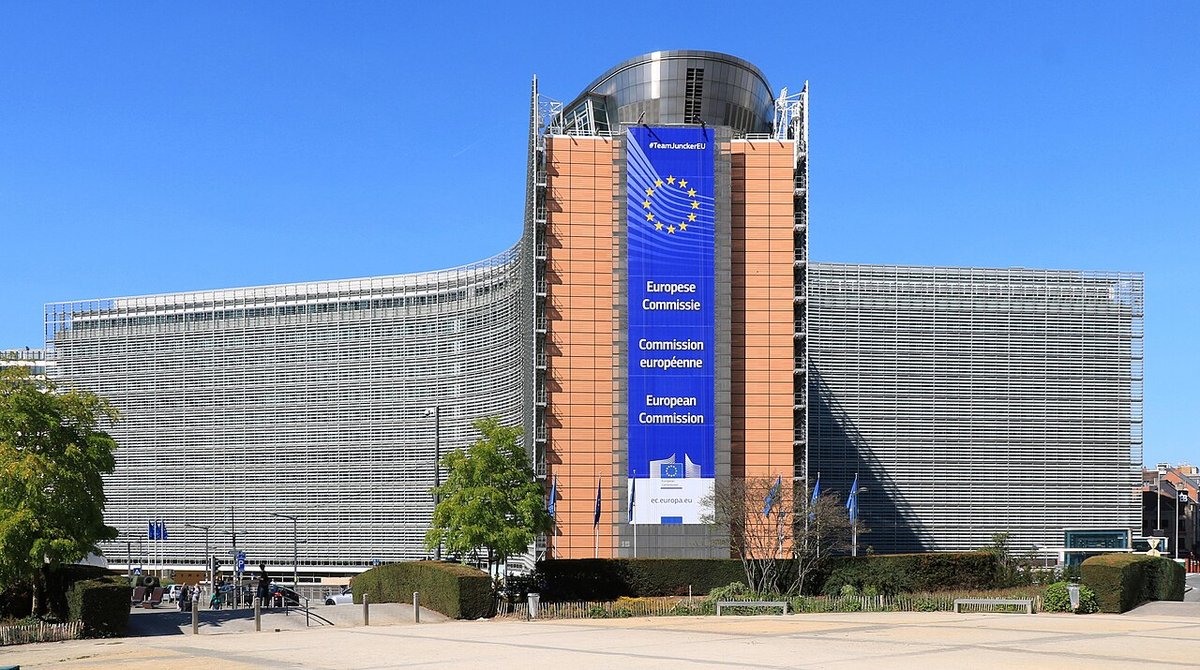
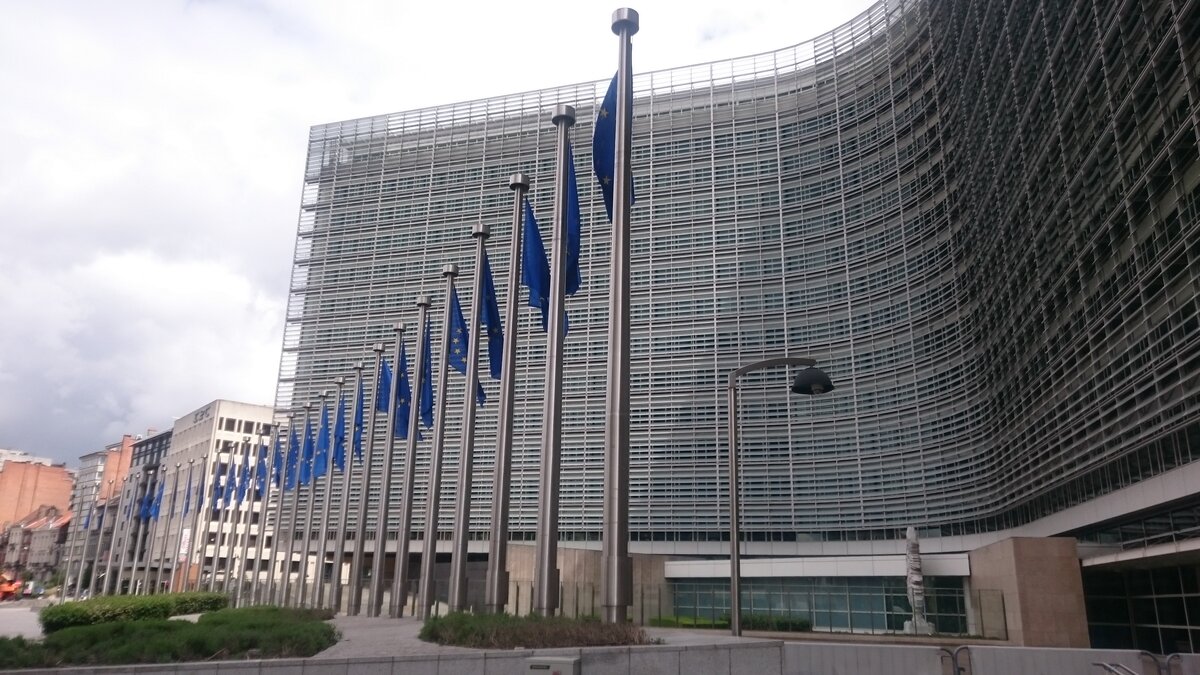
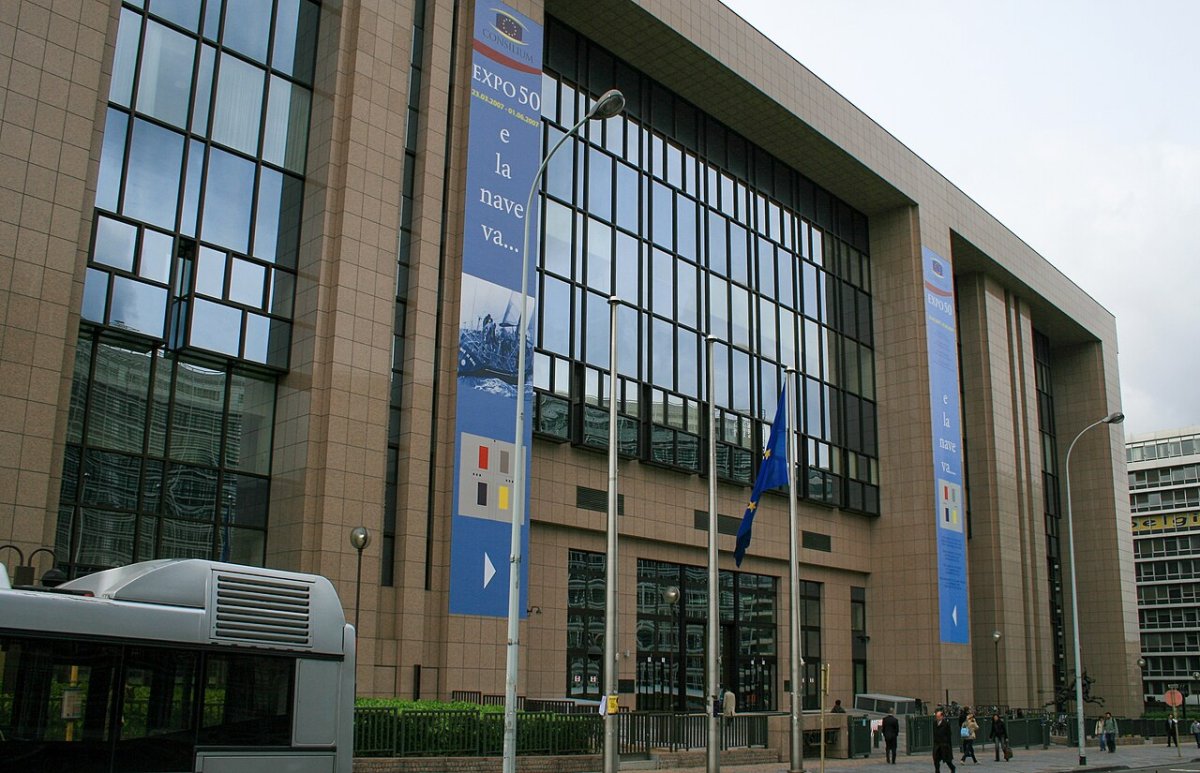
Illustrative photograph: the Justus Lipsius building in Brussels, seat of the Council of the European Union. Author Szilas, Wikimedia Commons, CC BY-SA 4.0.
What hotinfo Is Monitoring
- EU foreign ministers commented on the proposal to restrict veto after their meeting in Wicklow.
- The full text of the letter addressed to Kaja Kallas was published.
- Another member state joined the eleven signatories, or one of them withdrew.
- The Slovak government officially commented on the proposal.
- The European Council included the use of the bridging clause according to Article 31 on the agenda of its meeting.