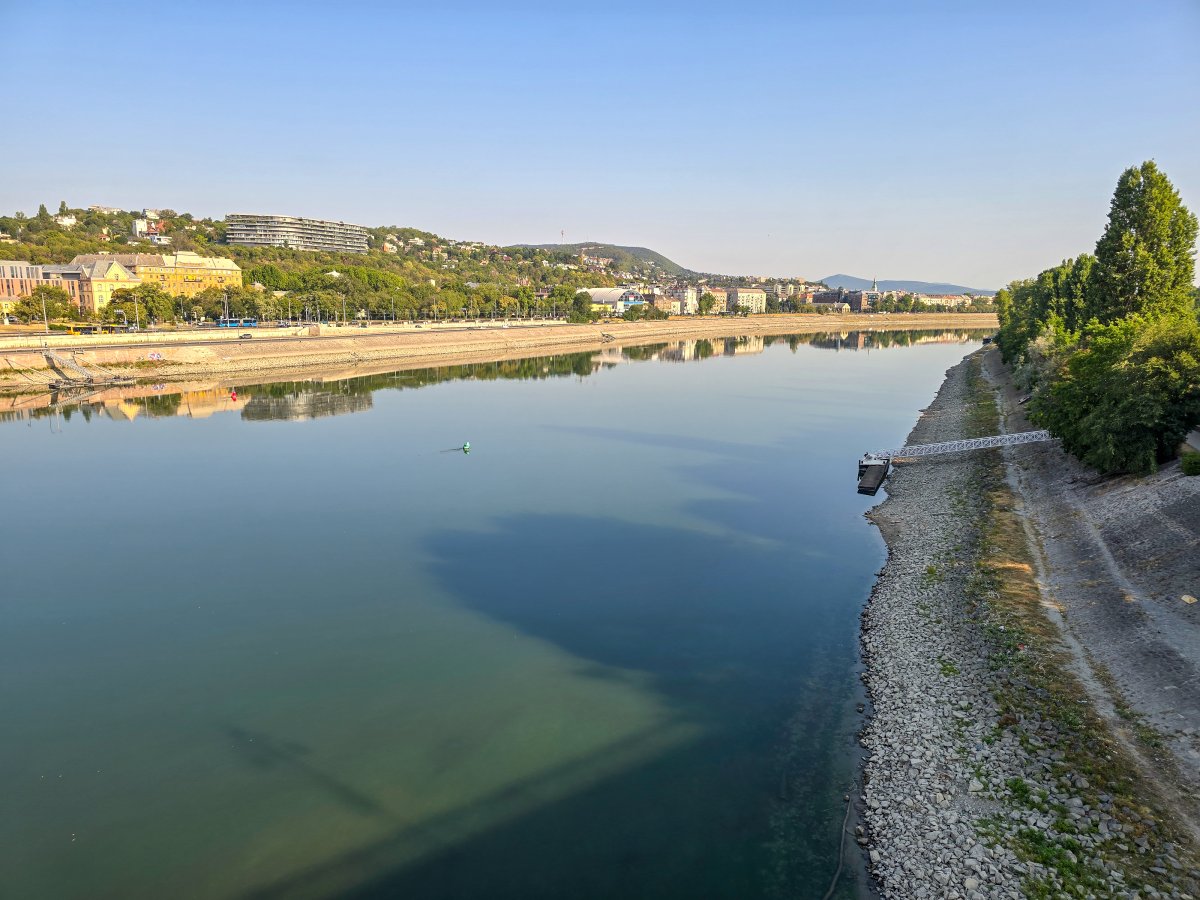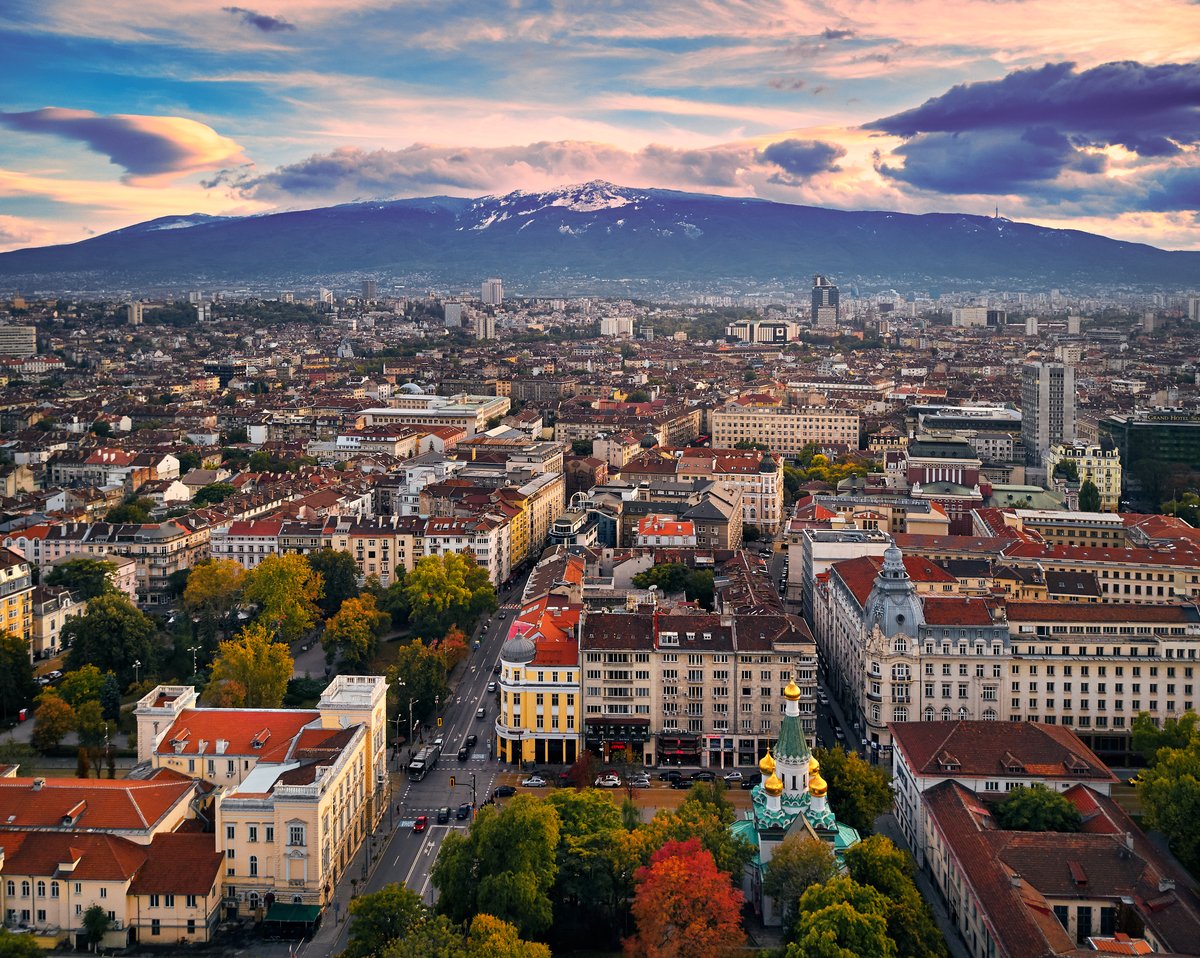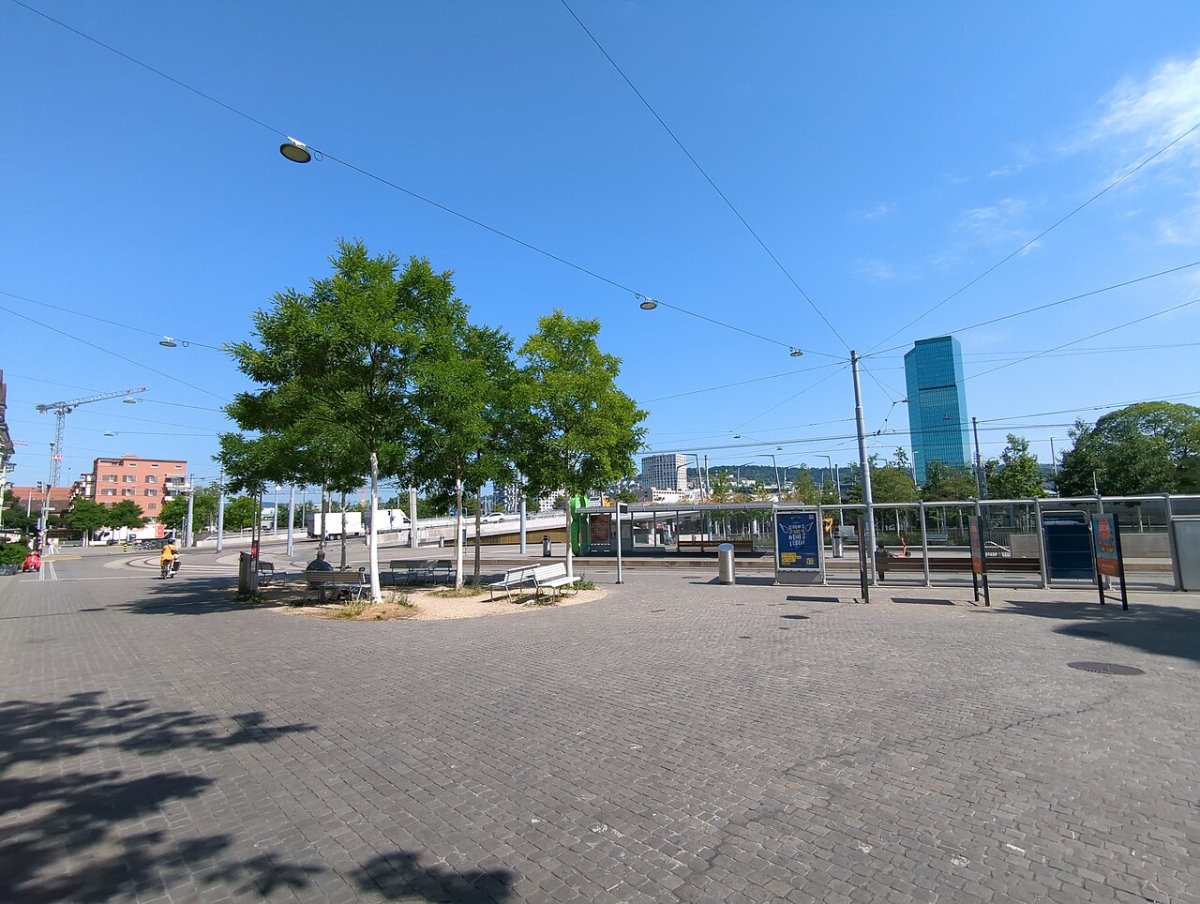


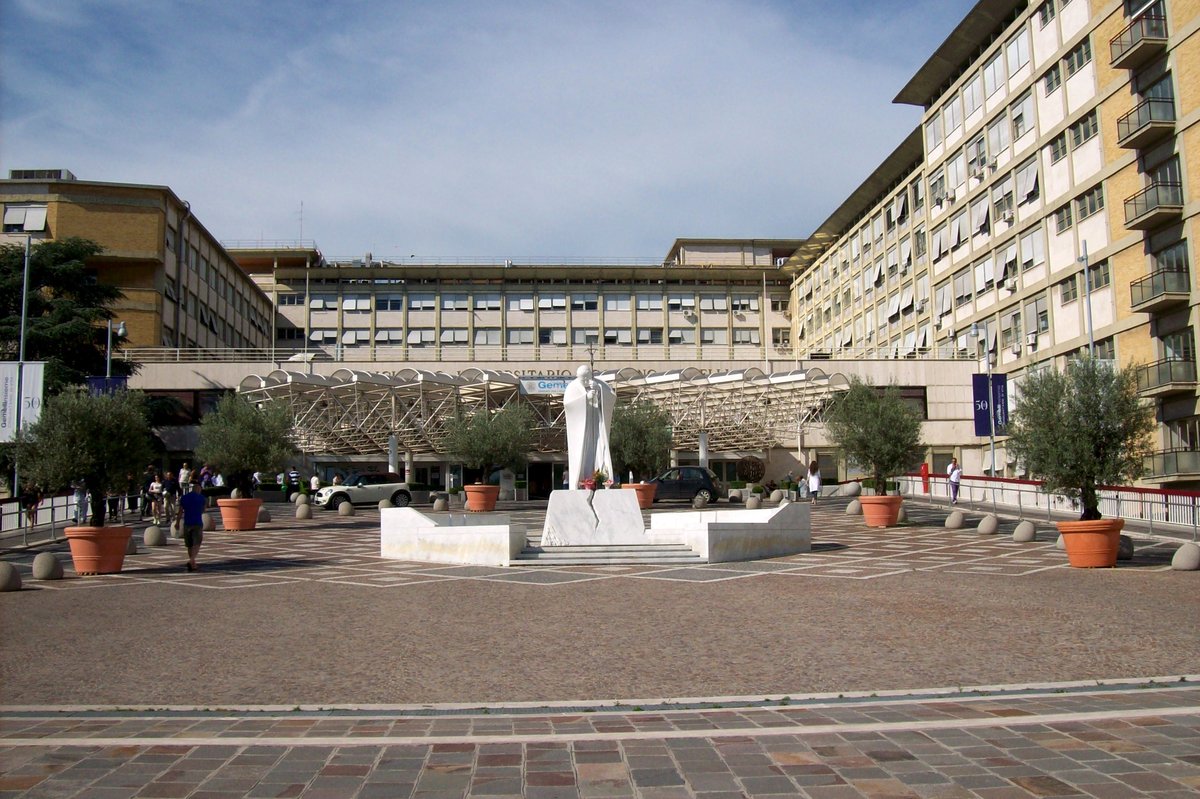



Kozloduj is Bulgaria's only nuclear power plant and supplies over a third of the country's electricity. It thus joins a month in which all three nuclear power plants on the Danube were reduced in output. Romania shut down Cernavodă completely on August 13, Hungary pushed Paks far below its normal output, and only now is beginning to bring turbines back online. Yet just two weeks earlier, Bulgaria was the country that benefited from its neighbors' outages — it was selling electricity in record volumes precisely because Cernavodă had been reduced. "A miracle, I've never seen such an export," was the headline from Romanian television at the time. Pro TV Stirile ↗ aktuality.sk ↗
Key actors — tap for context

Kozloduj
Bulgaria's only nuclear power plant, its two operating units supply over a third of the country's electricity
Why here: On August 21 it reduced the output of unit 5 by approximately 120 megawatts, the first time in 52 years due to weather
More info →
Cernavodă
Romania's only nuclear power plant, situated on the Danube and normally supplies approximately one-fifth of Romania's electricity
Why here: Romania shut it down completely on August 13 due to low Danube levels
More info →
Paks
Hungary's only nuclear power plant, covers approximately one-third of the country's electricity consumption
Why here: It ran far below normal output from late July, and from Sunday August 23 began bringing shut-down turbines back online
More info →
Danube
Europe's second longest river, flows through ten countries from Germany to the Black Sea
Why here: Its record low water level connects three nuclear power plants and diminishing groundwater near Bratislava
More info →
Robert Fico
Prime Minister of the Slovak Republic
Why here: On August 17 explained why Slovak nuclear power plants do not face the same scenario
More info →
Jaslovské Bohunice
Slovak nuclear power plant in Trnava district, in operation since the 1970s
Why here: Fico cited it as an example of a plant that cools via towers, not directly with river water
More info →
Mochovce
Slovakia's second nuclear power plant, at the site of the former settlement of the same name near Levice
Why here: According to the Prime Minister, like Bohunice it has cooling towers instead of direct river cooling
More info →
Žitný Island
Europe's largest river island and Central Europe's largest drinking water reservoir, between the Danube and Little Danube
Why here: Conservationists warn that the falling Danube level is draining its reserves
More info →
Péter Magyar
Prime Minister of Hungary
Why here: On Wednesday August 19 announced directly from Paks the plant's return to full capacity
More info →
István Kapitány
Hungarian politician and former corporate executive, since 2026 Minister of Economy and Energy
Why here: Announced that an emergency dam raised the Danube level by 15 centimeters and no turbine needs to be shut down
More info →Lányi András
Hungarian writer and university lecturer in retirement, author of opinion texts on ecology
Why here: In a commentary for the G7 column on Telex called inaction at Paks "sinful irresponsibility"

Dunasentbenedek
Hungarian village on the Danube in Bács-Kiskun County, north of Paks
Why here: The government built an emergency dam near it that raised the water level for the power plant
More info →
Beznau
nuclear power plant of Swiss energy company Axpo in Aargau canton
Why here: At the end of June, both its units were shut down due to high temperatures in the Aare River
More info →
Rhine
Germany's most important waterway for transport
Why here: Its low water level makes river freight transport more expensive and affects cruise ships
More info →What Bulgaria Announced
- The rise didn't hold: a new drop was measured at Ruse, minus 126 centimeters. The two-centimeter upward movement from Friday was thus an episode, not a reversal — and the Bulgarian section of the river is again deeper below normal 24 Chasa ↗.
- In the afternoon, the plant calculated the reduction itself and in a different unit than the one the ministry announced. According to the newspaper 24 Chasa, the output of unit 5 fell by 8.96 percent and the unit is running at 91.4 percent capacity. The ministry spoke in the morning of approximately 120 megawatts, which for a unit just over 1,000 megawatts is somewhat more — so both figures describe the same step, just once as a share of output and once as absolute power. 24 Chasa ↗
- The state came forward with assurances that there is no crisis. Energy Minister Iva Petrova, NEK transmission system director Georgi Dobrev, and dispatch chief Dimitar Zarčev unanimously assert that the measure "has no relation to nuclear safety," the system has sufficient backup capacity, and neither domestic consumption nor exports of around 30,000 megawatt-hours nor market prices are threatened. Dnevnik ↗24 Chasa ↗
- First sign that the river is turning: the Danube rose by two centimeters over the past 24 hours. It's too little for output to be restored, but it's the first upward movement since the plant established a crisis group in summer. 24 Chasa ↗
The Ministry of Energy speaks of a "preventive reduction in output of unit 5 of Kozloduj by approximately 120 megawatts on August 21." The unit has an installed capacity just over 1,000 megawatts, so this is roughly an eighth of its capacity — not an eighth of the entire plant's output, which has two units in operation. According to the ministry, forecasts of Danube flow above the Bulgarian section "continue to show a declining trend." Index.hr ↗ HotNews ↗
A significant technical detail is easily lost in reports: Danube water at Kozloduj does not cool the reactors. It cools steam in condensers in the non-nuclear part of the plant, and a riverside pump station designed to maintain supply even at low levels provides the water. A crisis working group for such situations was established at the plant in early summer when the water level began to fall and forecasts indicated prolonged drought in Western and Central Europe. Sources differ on whether it was in June or July. Index.hr ↗
Why These Three Plants Are Vulnerable
- Romania decided to release water from the Olt River into the Danube to raise its water level. This is the second state intervention in the riverbed in two weeks — after Hungary's emergency dam HotNews ↗.
- The struggle to keep Romania's nuclear power plant alive continues meanwhile. Portfolio writes that Cernavodă remains vulnerable even after shutdown Portfolio ↗.
They have in common that they cool directly with river water. When the river falls, so does the amount of heat they can discharge. This is not, however, an immediate threat to nuclear safety, but rather an operational limit on heat dissipation — the plant simply has nowhere to put the heat from the condensers. The same logic forced operator Axpo to shut down both units of Swiss Beznau in late June due to high temperatures in the Aare River, and France to limit the output of several reactors during heat waves. BFM TV ↗
Slovak power plants do not belong to this group, and the reason is technological, not a matter of credit. Prime Minister Robert Fico summarized it this way on August 17: "In the case of nuclear power plants in Slovakia, both at Jaslovské Bohunice and at Mochovce, we have cooling towers. That is what distinguishes us from the nuclear power plants we see in Hungary or what we see for example in Romania." A closed circuit with cooling towers requires far less water for cooling than direct cooling from the river. Hospodárske noviny ↗
Read also: Record-low Danube shuts down nuclear reactor in Romania. Hungary's Paks faces the same threat
Hungary has a quick solution and an open account
- The submerged dam at Paks is growing faster than planned, and the water level is rising. This was announced by Minister Ruszin-Szendi; the meteorological service HungaroMet expects the Danube water level to rise significantly soon Telex ↗Portfolio ↗24.hu ↗.
- The government says "we may have the worst behind us" and is preparing to restart the Paks blocks. The power plant no longer has boats submerged that were supposed to raise the water level Portfolio ↗444 ↗.
- Index warns that while monitoring Paks, another section of the Danube was overlooked where something happened that Hungary has never seen before. The Washington Post is already writing about why the country is drying up Index ↗HVG ↗.
At Paks, according to the government, what it decided two weeks ago is working — a submerged dam on the riverbed near the village of Dunaszentbenedek. "Enormous work, enormous result! The dam has raised the water level by 15 centimeters," announced Minister of Economy and Energy István Kapitány. According to him, no turbine needs to be shut down; starting Sunday, August 23, the shut-down ones will begin to restart, and in the second half of the following week, around August 27, the power plant is to run at full capacity. Prime Minister Péter Magyar announced this on Wednesday, August 19 in the evening directly from Paks. Index.hu ↗ aktuality.sk ↗
In Hungary, a debate has also opened about what this solution says about previous decisions. In a commentary for the G7 section on Telex, writer Lányi András writes that the dam seemed like the only quick and effective solution, but it is questionable whether it is worth choosing the fastest option when faced with a problem that, according to him, will remain here. He calls it "sinful irresponsibility" that nothing was done against the consequences of climate change predicted for decades — including keeping the power plant's cooling tied to the Danube and deciding on its expansion without disconnecting it from the river's water level. Building a cooling tower takes a long time and costs a lot, according to him. This is an opinion text, not editorial reporting. Telex ↗
That the dam may not be a definitive answer is also suggested by experts from the Budapest University of Technology and Economics. According to them, the entire structure may need to be redesigned in the long term. Index.hu ↗ HVG ↗
At Bratislava, the Danube reversed its role
Slovakia is not affected by the same drought through reactor cooling, but through groundwater. The flow of the Danube is so low that the river no longer supplies water to the surrounding nature — it functions more like a canal and, with the falling water level, draws water from the surrounding area towards itself. Around Bratislava, the groundwater level has thus dropped by tens of centimeters, in some places by approximately one meter. ta3 ↗ STVR ↗This is a reversal of the relationship that the entire landscape around the river is based on: the Danube normally replenishes groundwater. Conservationists see this as a warning signal for the Žitný Island as well, Europe's largest river island and Central Europe's largest drinking water reservoir. Pravda ↗ Hospodárske noviny ↗
It's not just the Danube
- On the Rhine, the water level has turned upward and ferries are gradually returning to operation. For now with restrictions — unlike the Danube, the rise here has lasted Spiegel ↗n-tv ↗.
The same applies to the Rhine in a different form. Low water makes river freight transport more expensive and affects cruise ships, while the Duisburg port reports more ships, just less loaded. Spiegel ↗ Die Zeit ↗ Hospodárske noviny ↗
The limits of this perspective
The figures on Kozloduj come from an announcement by the Bulgarian energy ministry and the BTA agency, not from independent measurement. Some media derived from them that the power plant is reducing capacity "by 12 percent" — this applies to block 5, not the entire power plant with two operating blocks. Likewise, the restriction is precautionary and concerns the non-nuclear part of the power plant.Paks' return to full capacity is so far a government expectation, not a verified result — the power plant was not running at full capacity at the time of this article's deadline. The assessment of Hungarian decisions comes from an opinion column, not from reporting. Fico's statement is a political statement by the prime minister; however, the technical difference between cooling towers and direct cooling from the river is verifiable and uncontested. Moreover, the situation is changing from day to day depending on whether and when it rains in the basin.
What hotinfo is monitoring
- Will Paks really return to full power in the second half of next week, as minister Kapitány promises?
- Will the BME experts' estimate be confirmed that the underwater weir at Dunaszentbenedek needs redesigning?
- When will groundwater around Bratislava and on Žitný ostrov start to recover, and how long will it take?
- When will Romania's Cernavodă, shut down since August 13, return to operation?
- Will Kozloduy have to cut unit 6 as well, or will reducing unit 5 prove enough?Doplnené kontrolou 7.10.2026: Kozloduj znížil výkon aj na 6. bloku. https://www.24chasa.bg/biznes/article/23687530