




What NZZ says
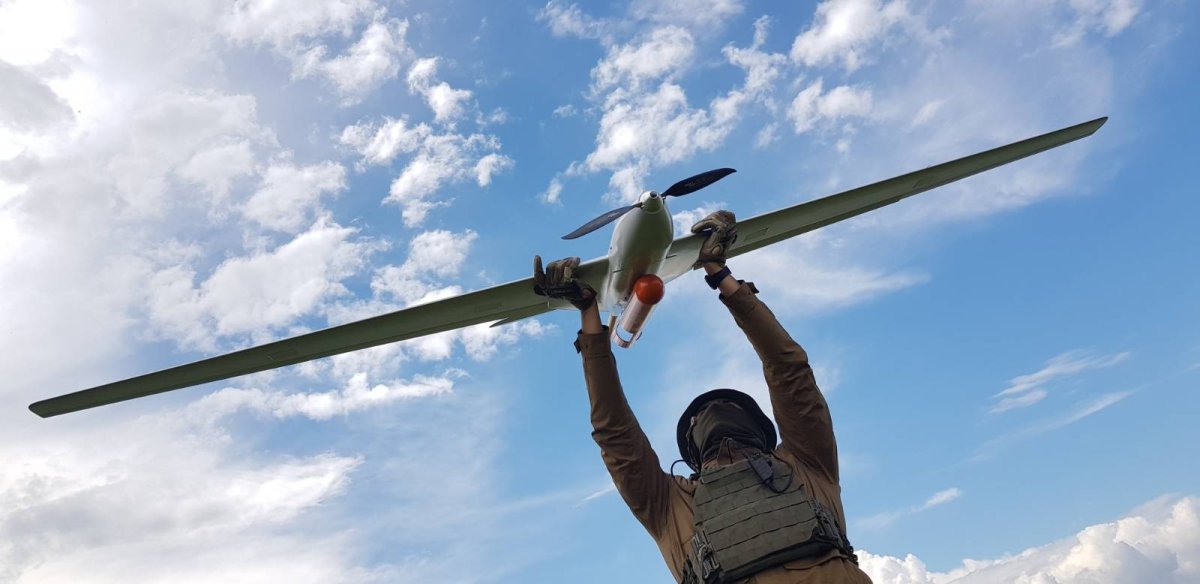
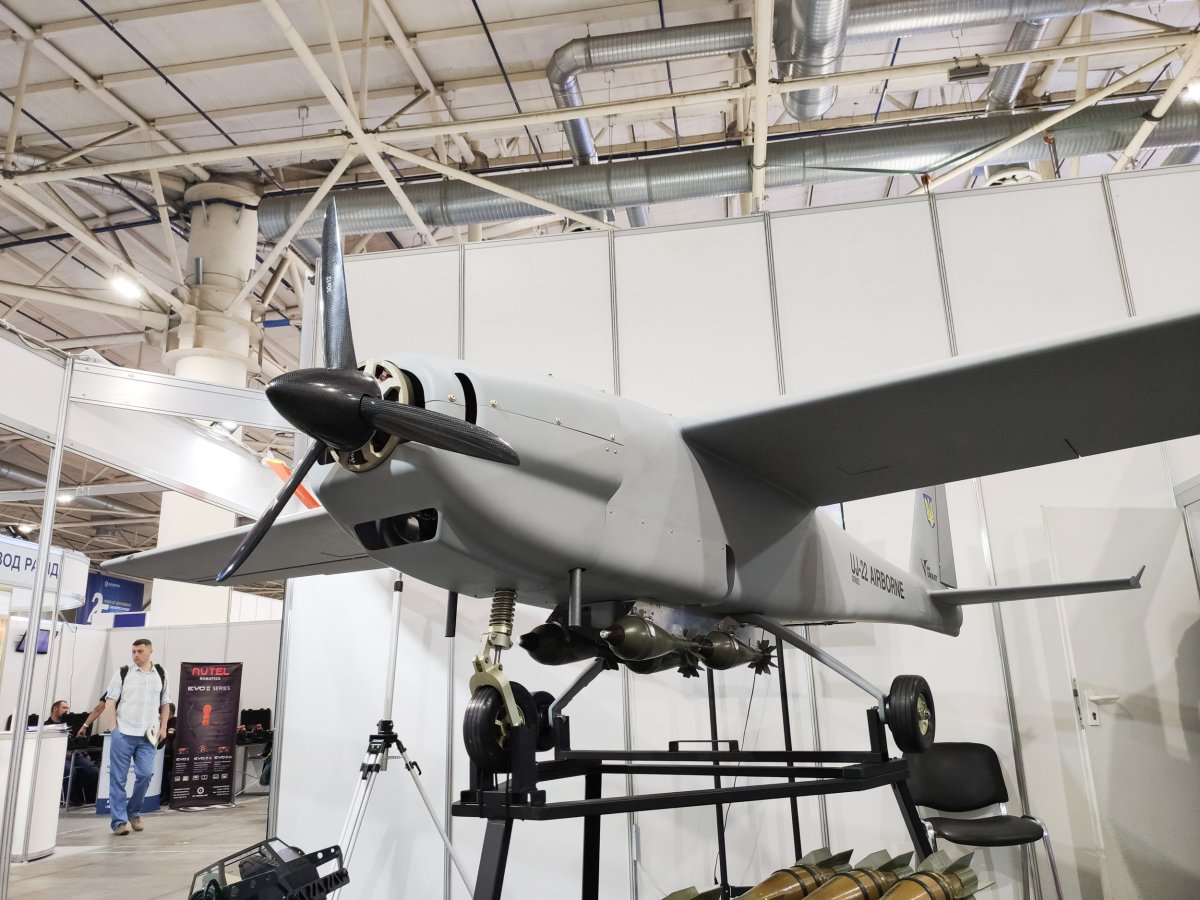
According to the newspaper's analyst Andreas Rüesch, the war has entered a new phase. On the Donbas front, advances have almost come to a halt — the Russians occupied less than 20 km² in May, the least in roughly two and a half years — and both sides are therefore seeking a decision through strikes on strategic targets deep in the rear. Neue Zürcher Zeitung ↗At the core is the E-58 highway, which Russia is building as a link for "Novorossiya" and which runs from Russian territory through the occupied south of Ukraine to Crimea. The route runs about 100 kilometers behind the front and was long considered safe — it was too far for ordinary front-line FPV drones, while long-range drones aimed at oil depots are not suited to moving targets. According to NZZ, Ukraine has filled this gap with new machines: since mid-April, attacks on targets 80 to 150 kilometers from the front have been increasing. It is deploying FP-2 drones from Ukrainian manufacturer Fire Point (with a payload of up to 200 kg, for larger objects) and especially the smaller and cheaper Hornet drones, developed in partnership with the American company Perennial Autonomy of former Google CEO Eric Schmidt — thanks to artificial intelligence, they reportedly can circle over the supply route and strike once they recognize a specific type of vehicle.
French analyst Clément Molin counted 230 hits on trucks and tankers on this road this spring. "Civilian truck drivers are refusing to keep using the route," NZZ writes, citing Russian sources, "and insurance for such transport no longer exists." The result is a gasoline crisis, which the newspaper also documents through restrictions in the border region of Belgorod and at some gas stations around Moscow.
How this view differs
Slovak readers hear about Ukrainian strikes mainly through the lens of escalation. Prime Minister Robert Fico has long warned against dragging Europe into the war and labels Volodymyr Zelensky an obstacle to peace. Washington, too, warns against escalation: after the attack on St. Petersburg, US Secretary of State Marco Rubio said the risk of the war escalating is "real," as Kyiv is increasingly successful at striking deep inside Russia. Le Figaro ↗ Kyiv Post ↗ Ukraine, meanwhile, described the attack as retaliation for Russian strikes that, according to Kyiv, killed at least 23 people, seven of them in Kyiv.NZZ places the emphasis elsewhere — not on morality, but on military effect. The drones are not meant merely to humiliate Putin on the day his economic forum opened in St. Petersburg (although that happened too). They are meant to strangle the supply of Crimea: naval drones have destroyed the railway ferries, the depot in Feodosia is nearly knocked out, and the only remaining route is the car ferry from Krasnodar Krai. The scale of the civilian fuel crisis is also confirmed by independent Western media — it has been described by both CNN and the exiled Moscow Times, according to which Ukraine is systematically expanding strikes on Russian oil facilities. CNN ↗ The Moscow Times ↗
Limits of this view
NZZ is a conservative Swiss newspaper with an analytical, pro-Western outlook — a parallel commentary by Andreas Rüesch carries the headline "Five Signs That Russia Is Losing Its Advantage in the War." Part of the picture rests on Russian Telegram channels and on the count of 230 hits from a single French analyst, which cannot be independently verified. And the newspaper itself tempers expectations: the military consequences remain to be seen. The Russian army will secure priority for itself when distributing fuel, so the shortage today falls first on civilians on the occupied peninsula, not on soldiers. A real turning point would come only if the drones began systematically destroying ammunition transports as well.What hotinfo is watching
- Whether the crisis spreads from the civilian sector to the Russian army — that is, whether Ukraine also hits ammunition convoys in the south, not just tankers.
- Russia's response: after St. Petersburg, more intense bombardment of Kyiv looms, as it lacks ammunition for its Patriot systems.
- Washington's stance — whether Rubio's warning against "escalation" affects US arms deliveries to Kyiv.
- The impact on the summer tourist season and the mood of residents in annexed Crimea.
- The joint plan by Germany, France, and Britain to bring Putin into negotiations, as reported by Bloomberg.