Six weeks after the US and Israel launched attacks on Iran on 28 February, the conflict is taking on dimensions that could grow into a global economic crisis. British Prime Minister Keir Starmer, at the close of a three-day trip around the Persian Gulf, declared that this conflict "defines us for a whole generation" and that it must be "answered with strength". He called the Pakistan-brokered ceasefire "fragile" and added that he is "sickened that families across the country are watching their bills rise and fall because of the actions of Putin or Trump". BBC News ↗
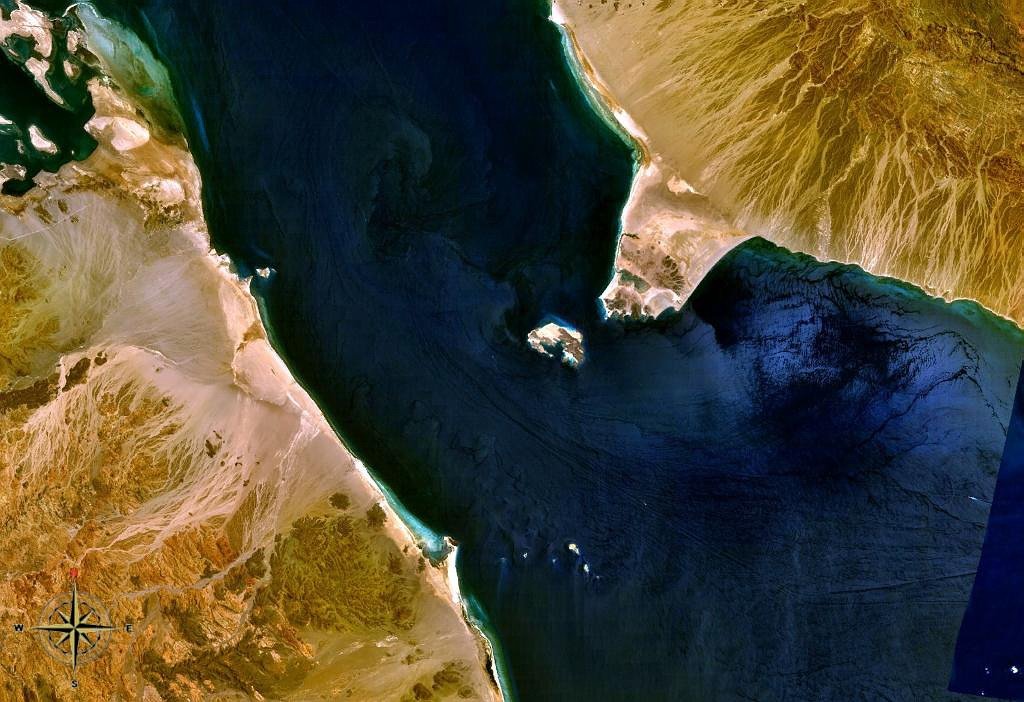
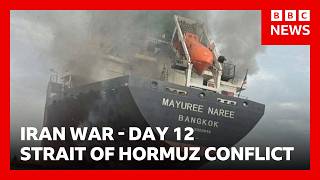
The Strait of Hormuz — a narrow waterway through which hundreds of ships carrying a fifth of the world's energy supplies passed daily before the war — has been de facto blocked since the conflict began. Some ships do pass through with permission, but for ordinary maritime traffic the strait is non-functional, with hundreds of tankers waiting. Iran's navy is warning vessels without authorization that they will be attacked. According to Starmer, Britain has assembled a coalition of more than 30 countries working on "a political and diplomatic plan, but also on military capabilities and the logistics of moving vessels through the strait". He said Gulf allies agree that there should be "no tolls or navigation restrictions" on the strait — a measure Iran is reportedly considering, including specific fees for each ship. BBC News ↗
The numbers speak clearly. The price of Brent crude has risen to $99 a barrel, an increase of 35 percent since the war began. Analysts are calling it the biggest shock to the energy market in decades. The price of jet fuel has hit a record high of $1,838 a tonne — before the war it stood at $831. Europe sources roughly half its jet fuel from the Gulf region, and fears of shortages are driving prices sharply upward. Airlines are responding with flight cuts and price increases. Air New Zealand is cancelling flights, Delta Air Lines is cutting back overnight and midweek services, and Air France-KLM is raising prices on long-haul flights. BBC News ↗
The effects are spreading beyond airports. In Britain, the average price of petrol has risen by 25 pence per litre since the conflict began, with diesel rising even more sharply. According to British regulator Cornwall Insight, energy bills could rise by £288 a year, or 18 percent, from July. Thousands of households are still protected by the price cap for now, but it will be reset this summer. The British government has promised targeted, income-based support, but estimates suggest it won't arrive until autumn. BBC News ↗
The ceasefire, meanwhile, is standing on shaky ground. Just hours after it was declared, the Israeli military carried out what it called "the largest coordinated operation in Lebanon" — striking more than 100 Hezbollah targets in Beirut, the Bekaa Valley and southern Lebanon within ten minutes. According to Lebanon's Ministry of Health, at least 303 people were killed and more than 1,150 injured. Iran called the strike a "gross violation" of the ceasefire agreement. Israel maintains that the ceasefire does not apply to operations against Hezbollah in Lebanon. Trump agreed, declaring that the war in Lebanon is "a separate skirmish". BBC News ↗
Iran's deputy foreign minister, Saeed Khatibzadeh, told Washington it "cannot have its cake and eat it too" — it cannot demand a ceasefire while also accepting that its ally is attacking a country that is party to it. UN Secretary-General António Guterres warned that continued fighting in Lebanon could derail the talks between the US and Iran in Pakistan. BBC News ↗
The nuclear question — the original cause of the war — remains unresolved. Trump claimed back in June last year that his strikes on nuclear facilities in Isfahan, Fordow and Natanz had "obliterated" Iran's nuclear capabilities. But after another five weeks of war, Iran, according to the BBC, still retains stockpiles of highly enriched uranium, likely in gas cylinders buried under rubble. In the third week of the war, the head of the International Atomic Energy Agency, Rafael Grossi, declared that there "ultimately cannot be a military solution" to Iran's nuclear ambitions. Experts warn, according to the BBC, that Tehran — now under an even more suspicious leadership — may become more determined, not less, to acquire nuclear capability as a deterrent against further attack. BBC News ↗
Meanwhile, Washington and Tehran are coming to the negotiating table with positions that, according to the BBC, are "as far apart as they could possibly be". Trump has a 15-point plan that has not been made public, but leaked versions, according to the BBC, "sound more like capitulation than a basis for negotiation". Iran has its own 10-point plan with demands the US has consistently rejected in the past. Pakistani mediators, who will shuttle between the delegations, face a difficult task, according to the BBC — in wartime, with no mutual trust whatsoever, even an agreement to keep talking will be considered a success. BBC News ↗
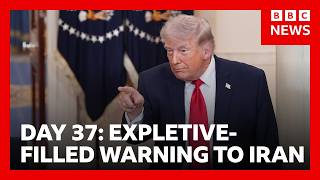
NATO is caught in the middle of this pressure. On the social network Truth Social, after a meeting with NATO Secretary-General Mark Rutte, Trump wrote: "NATO WASN'T THERE WHEN WE NEEDED THEM, AND THEY WON'T BE THERE WHEN WE NEED THEM AGAIN." White House press secretary Karoline Leavitt quoted the president as saying NATO had been "tested and failed". Rutte described the meeting as "very open" and pointed out that "the vast majority of European countries have been helpful with bases, logistics and overflights". Asked whether the world is safer than before the war, Rutte answered "absolutely" and credited it to Trump's "leadership". BBC News ↗
Behind the figures on oil and airfares are people. According to the BBC, more than 20 percent of Iran's population — around 20.4 million — are children under 14. Fifteen-year-old Ali from Iran describes how every loud sound terrifies him. "Before the war I had no stress. Now even the smallest sound makes my brain react very badly," he says. Psychologists call this state "hyperarousal" — an early symptom of post-traumatic stress disorder. According to the American organization HRANA, which collects data from across Iran, the war has so far killed 3,636 people. BBC News ↗
Starmer left the Gulf with pledges of cooperation from Saudi Arabia, Bahrain, the United Arab Emirates and Qatar. He spoke by phone with Trump about "a practical plan to restore shipping as soon as possible", and the two agreed to talk again. The question all of Europe is asking is simple: will the ceasefire hold long enough for oil to get cheaper, airfares to return to normal, and energy prices to stop rising? The answer depends on the negotiations in Islamabad — and on whether Israel stops bombing Lebanon. BBC News ↗
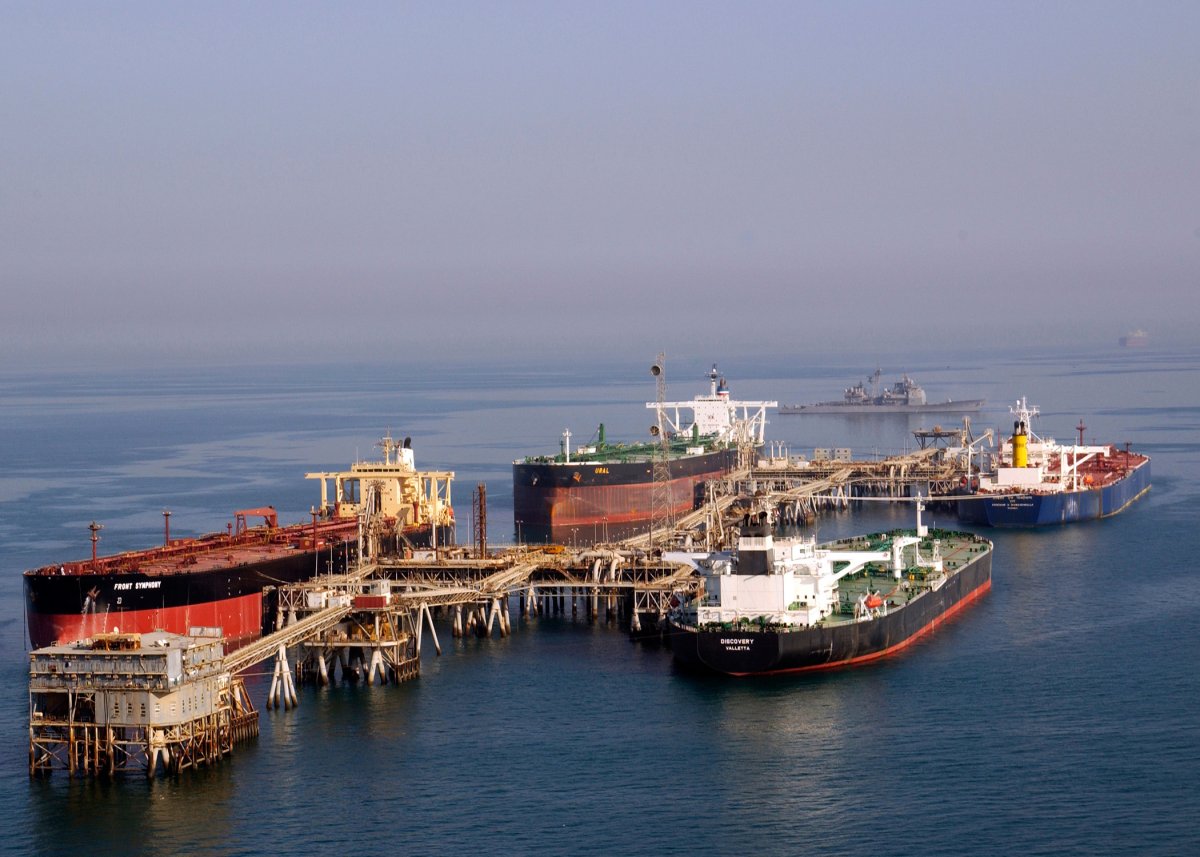
The crisis that defines a generation: what the war in Iran is costing Europe
Videos
🔥 You might also like
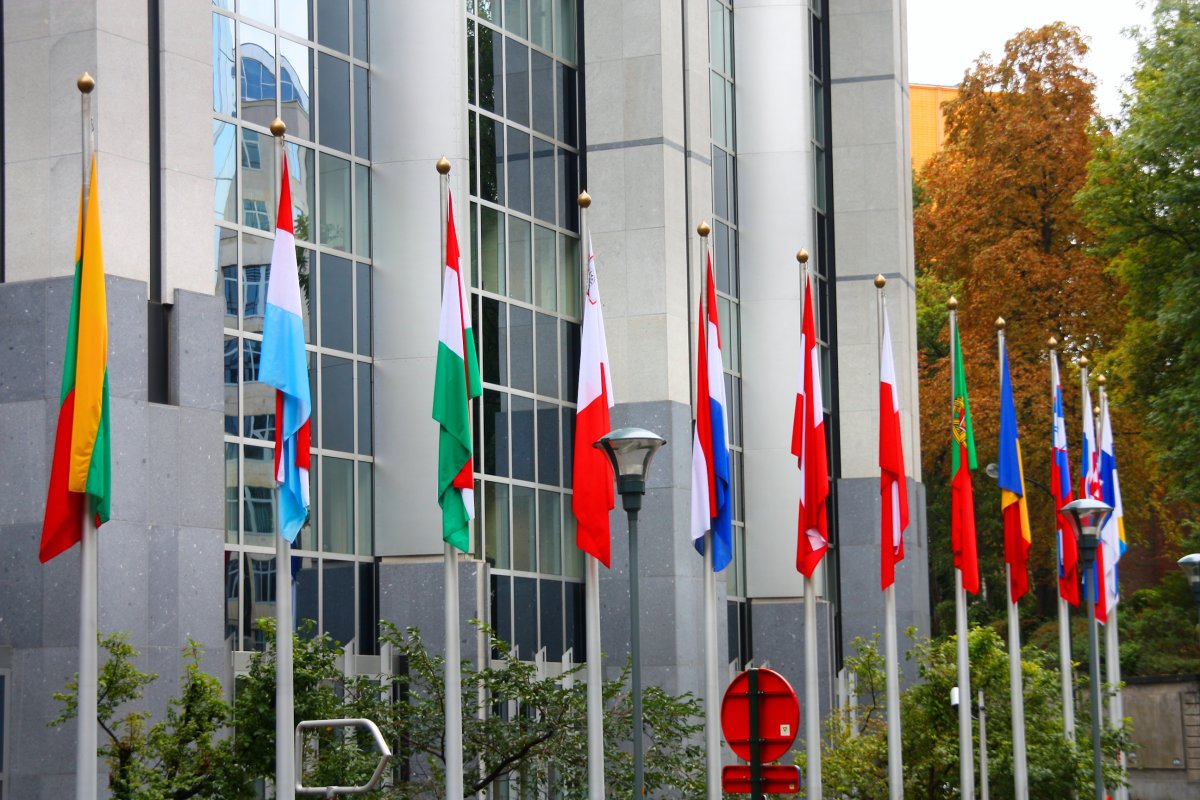
European Union
What Europe writes about: bloody Pryluky on Putin's birthday, Abascal's death intensifies Spanish campaign, Rubio stirs Athens
Russia strikes Pryluky on Putin's birthday, Abascal's death sharpens campaign before snap elections, Rubio mobilizes Europe from Athens. Overview from 37 countr …
World
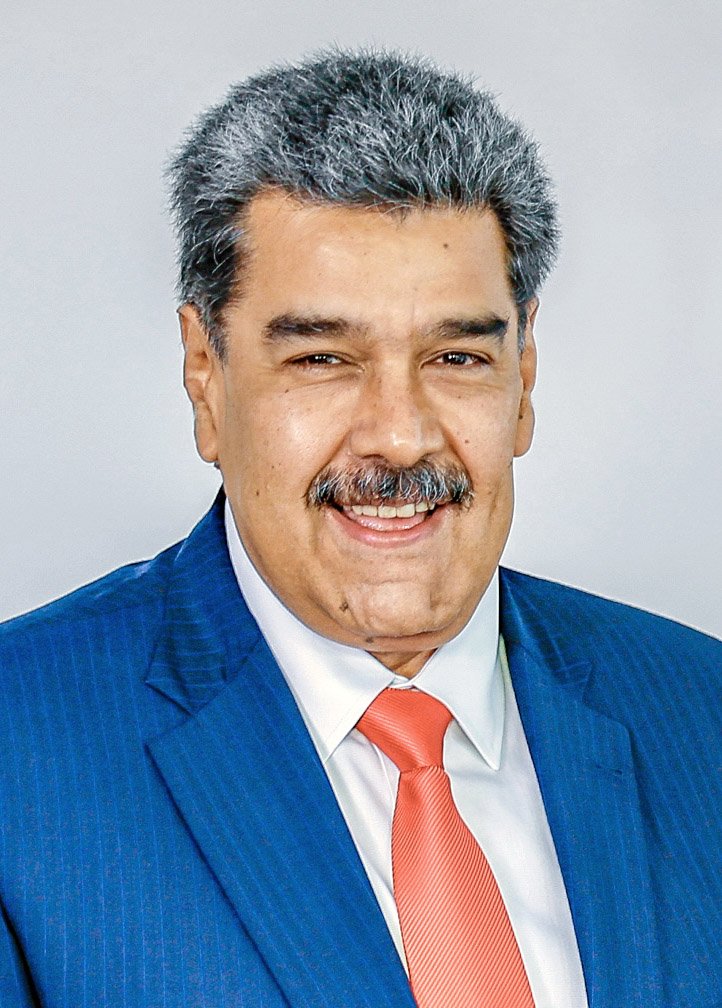
Maduro and Cilia Flores set to face torture charges in the US
Former Venezuelan president Nicolás Maduro and his wife Cilia Flores are set to face new charges in the US related to alleged torture of American...
World
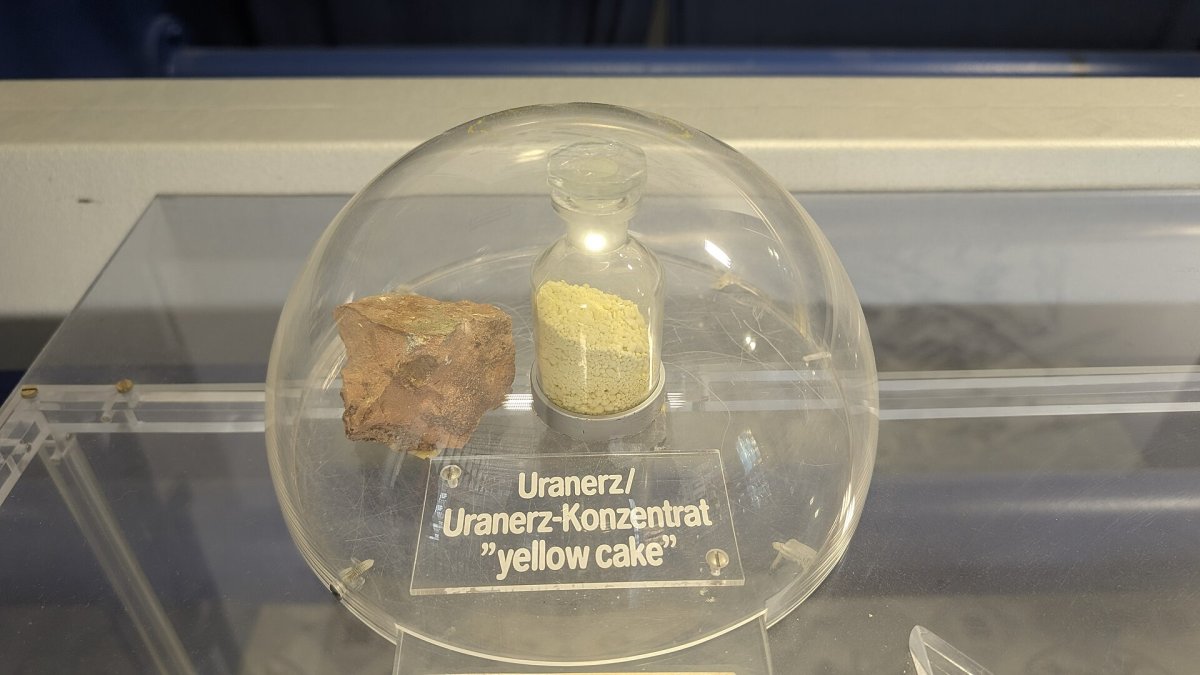
Man suspected of attempting to sell uranium-238 for $700,000 detained in Georgia
Georgia's State Security Service detained a citizen it says planned to sell uranium-238 to a foreigner. He faces up to 10 years in prison.
Geographic locations
From our newsroom original
All →
Vance Accused Microsoft of Abusing Visas for Foreign Workers

Crew-12 crew returns to Earth after eight months
SaS labeled the salary increase in the Interior Ministry a pre-election move
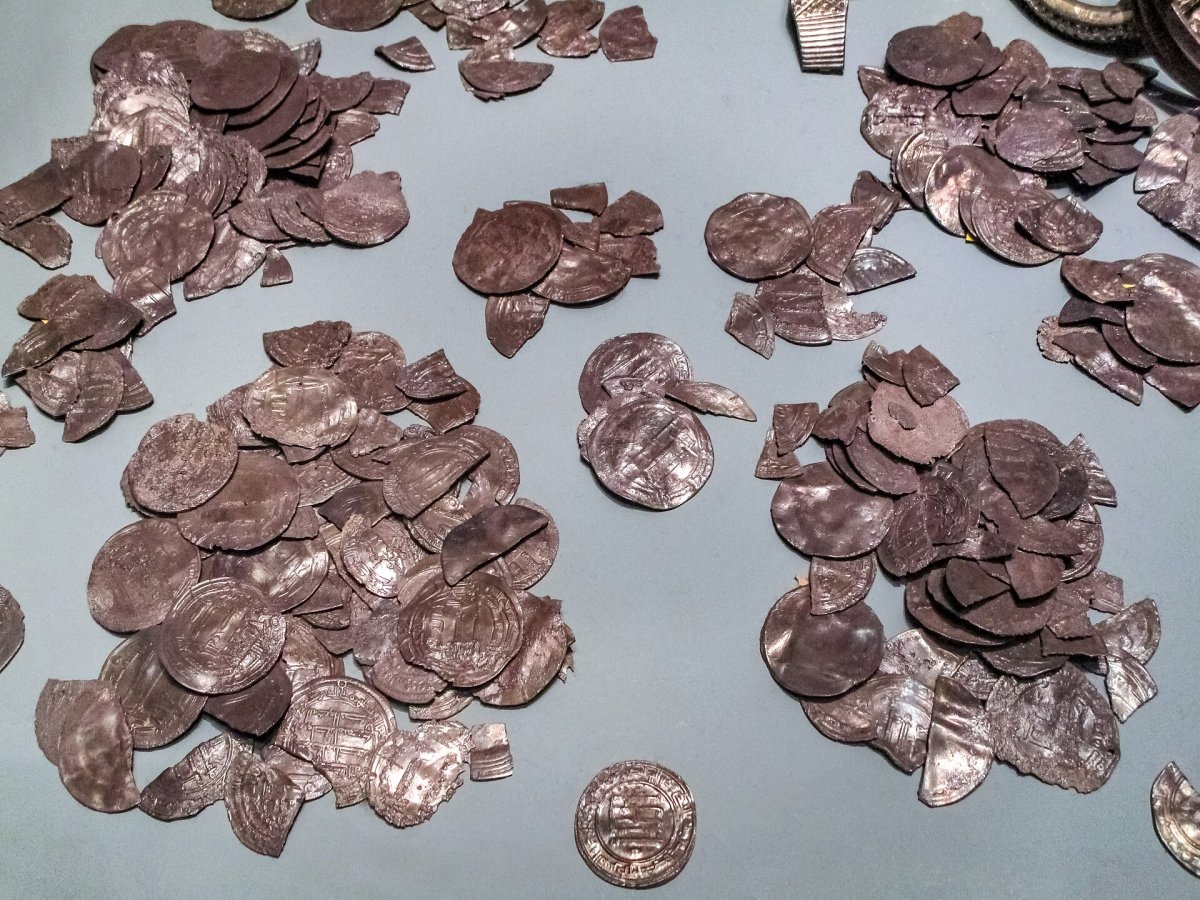
Swedish court convicts two men over concealed Viking-era treasure, acquits third man accused of selling it
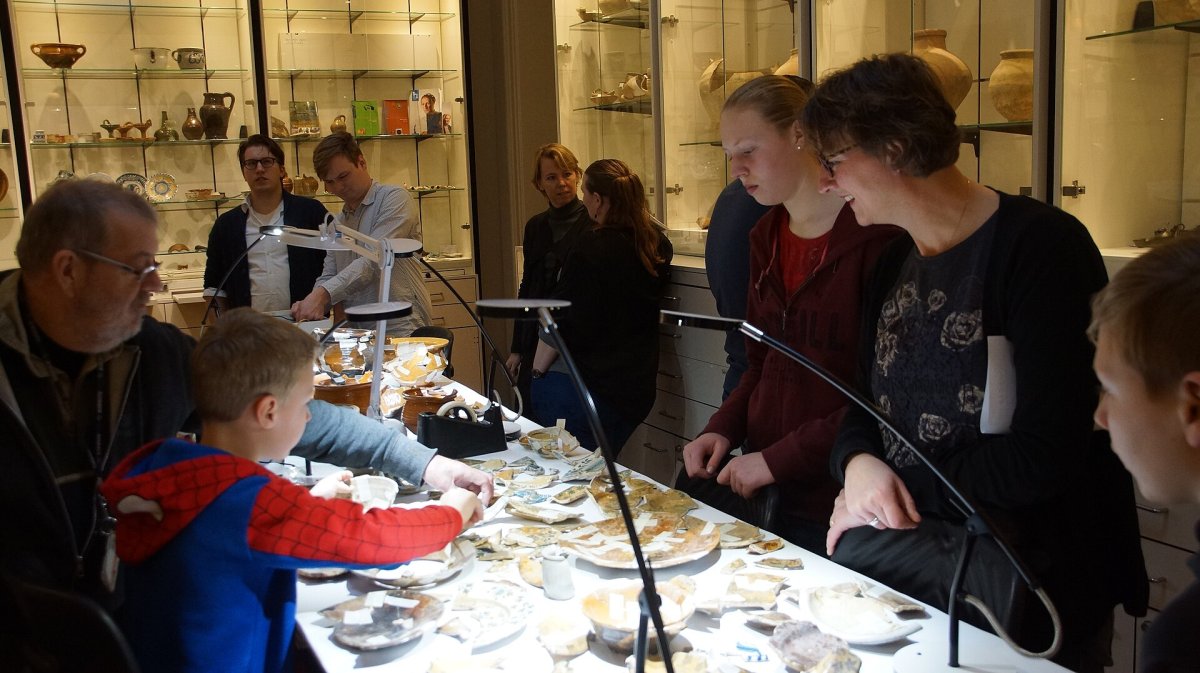
Amsterdam museum returned ancient vase to Sicily, theft revealed by 1976 wedding photo
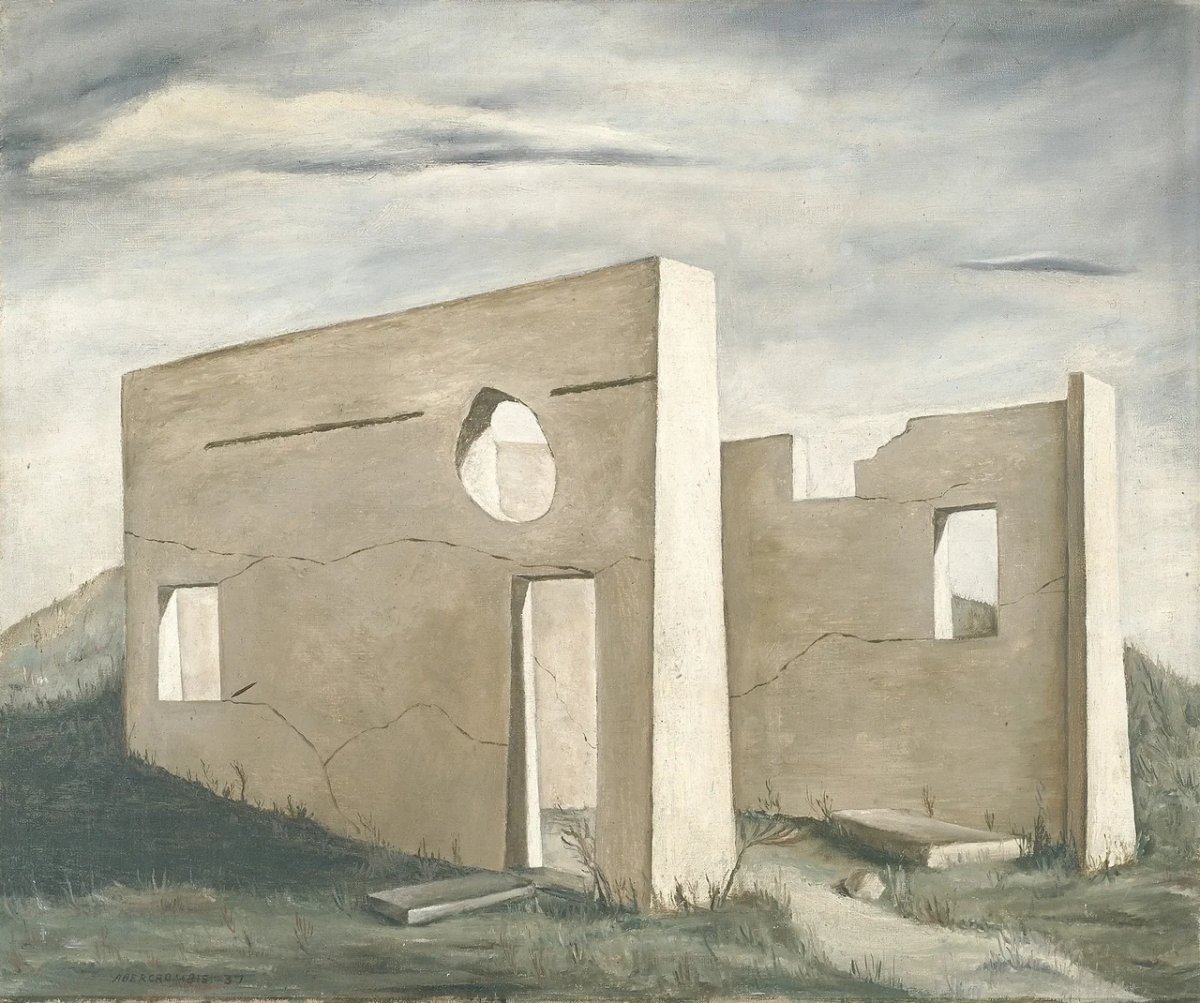
Painting bought for $30 at an estate sale sold at auction for $1.35 million, it's by Gertrude Abercrombie
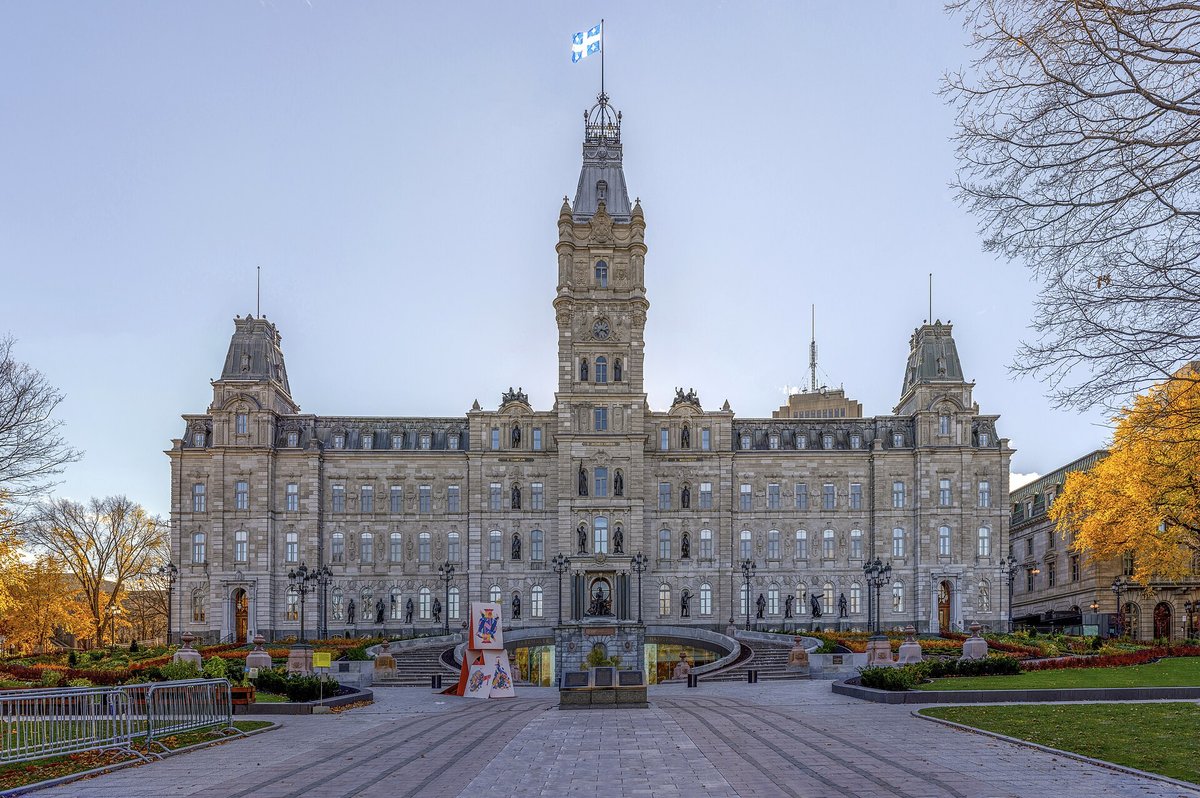
Quebec: Separatists Win with 28% of the Vote and No Majority, Promise Referendum Only After Trump
What Europe Is Writing About: AfD Leads a State Parliament, Ex-BND Chief Arrested, Puigdemont May Return