
Key actors — tap for context
WHO
The World Health Organization, a UN agency that, upon suspicion of a dangerous infection, requests data from states under the International Health Regulations.
Why here: It is waiting for Moscow to answer which pathogen killed the lab worker, and is also asking about reports of a second employee.
More info →
Rospotrebnadzor
Russia's federal agency for the supervision of consumer rights protection and public health.
Why here: It is the only body speaking for Moscow on medical findings and claims it found no dangerous pathogen.
More info →
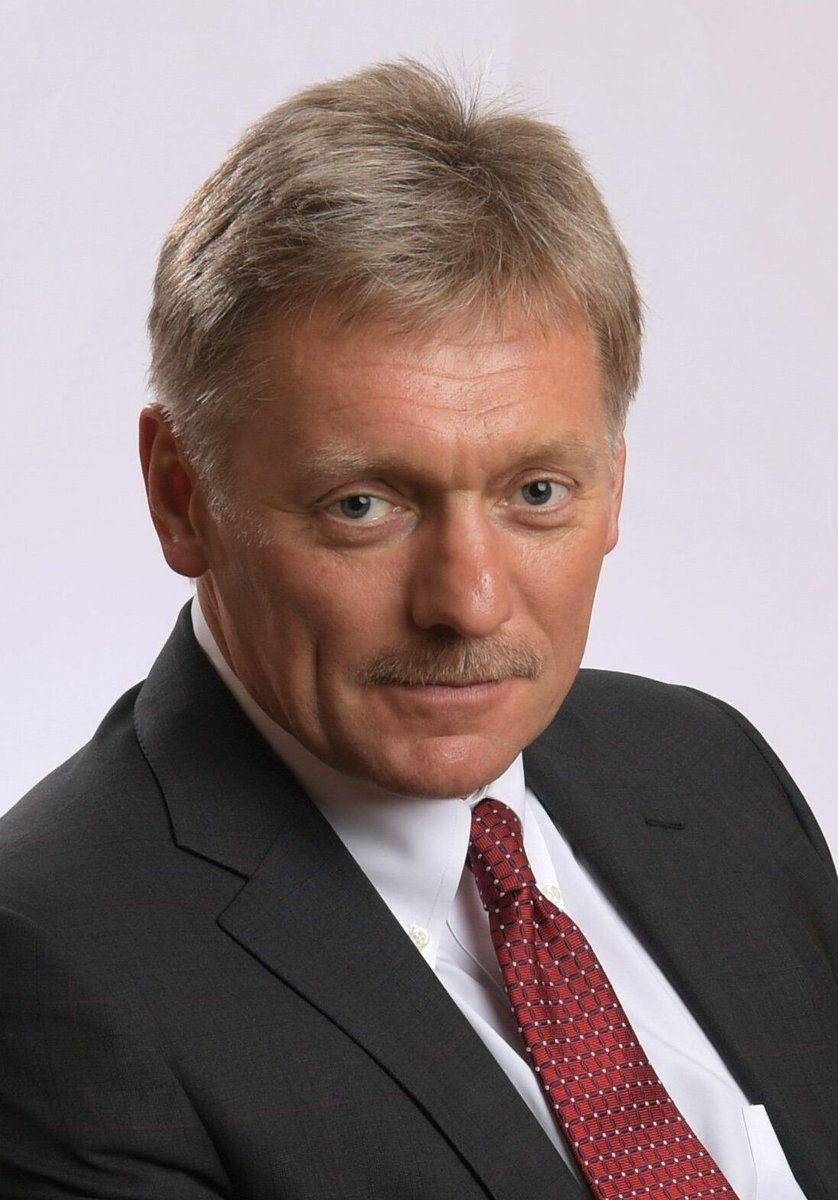
Dmitry Peskov
Spokesman for Russian President Vladimir Putin.
Why here: Called most media reports about the case untrue and referred to Rospotrebnadzor.
More info →
Igor Kobzev
Governor of the Irkutsk Region.
Why here: Said no microorganisms linked to her work were found in the lab worker's body.
More info →
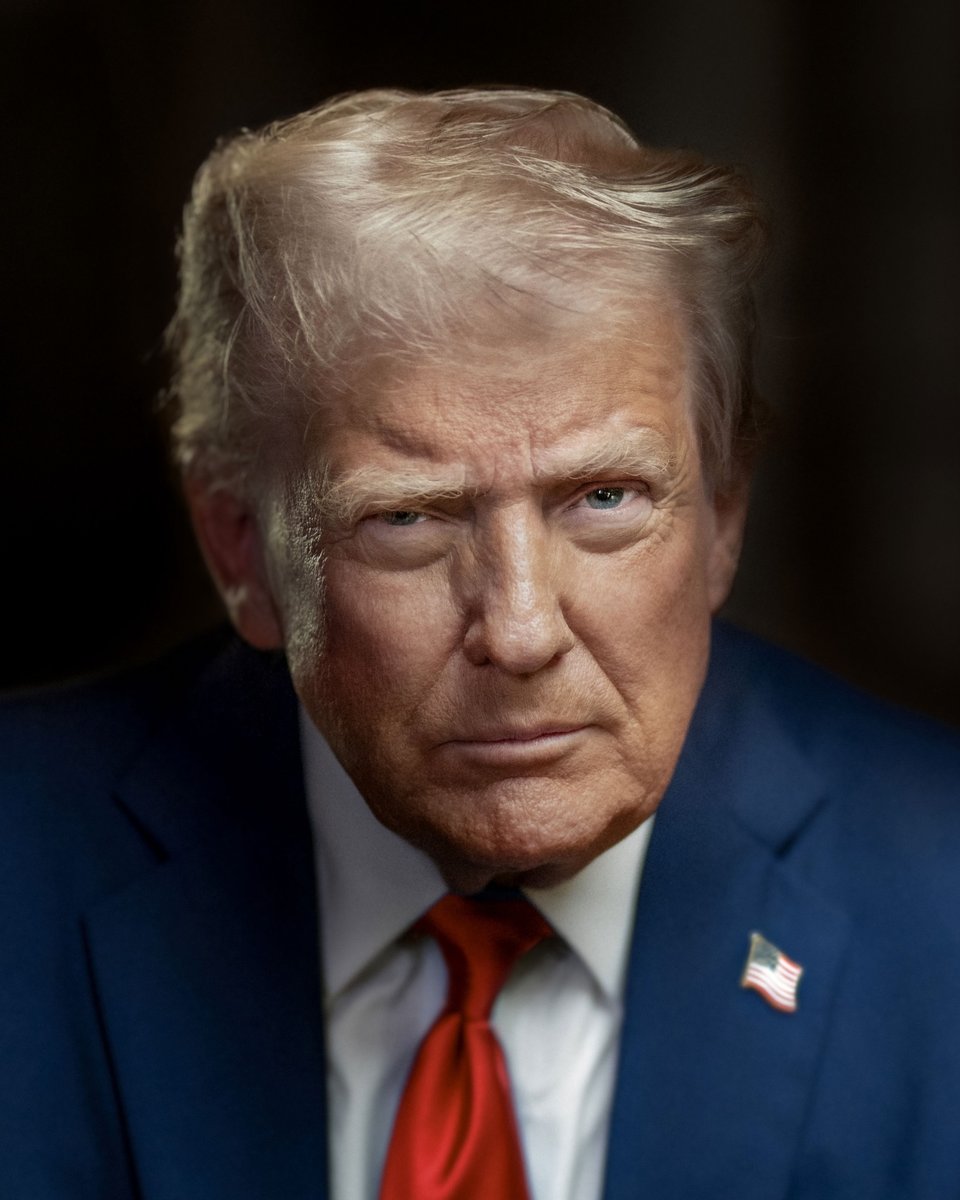
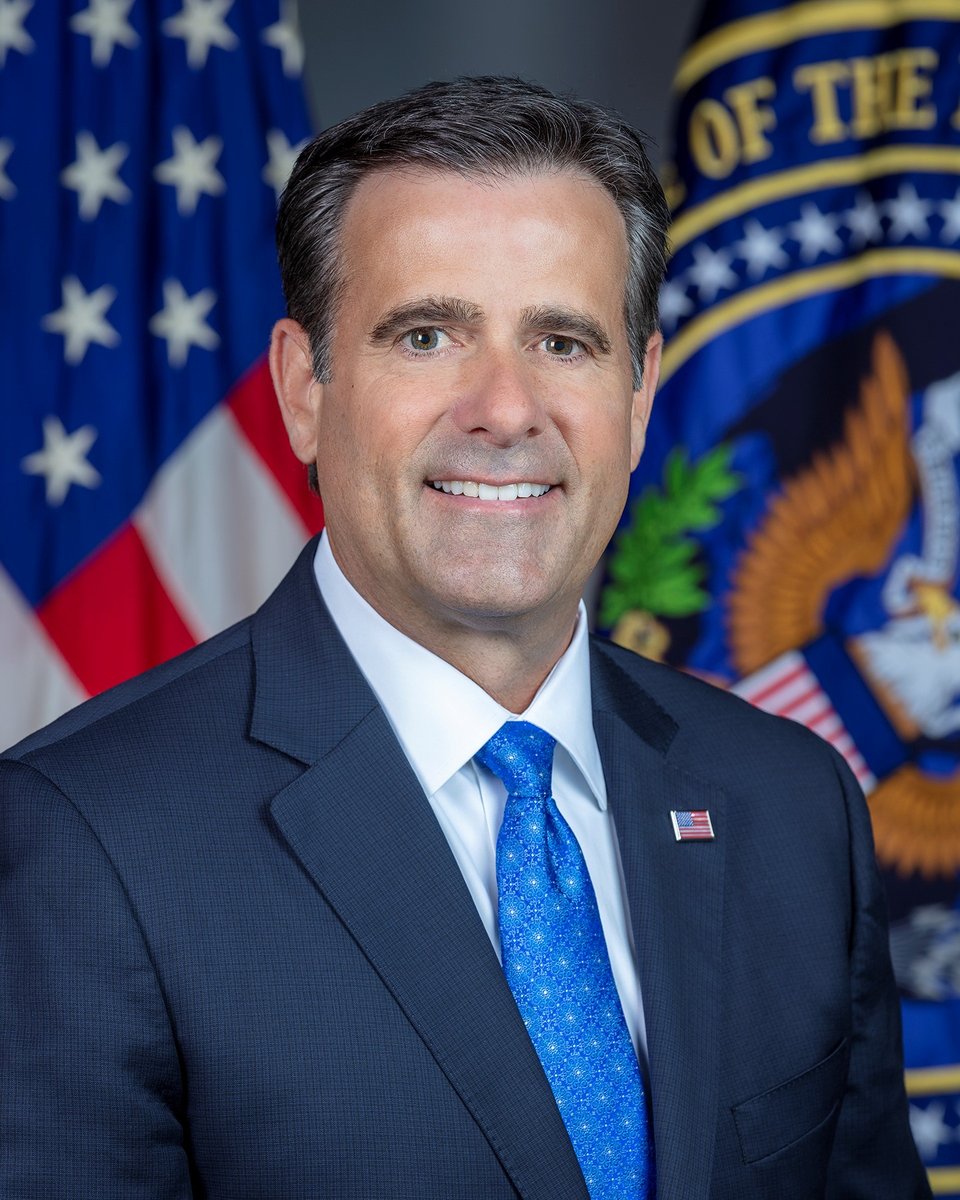
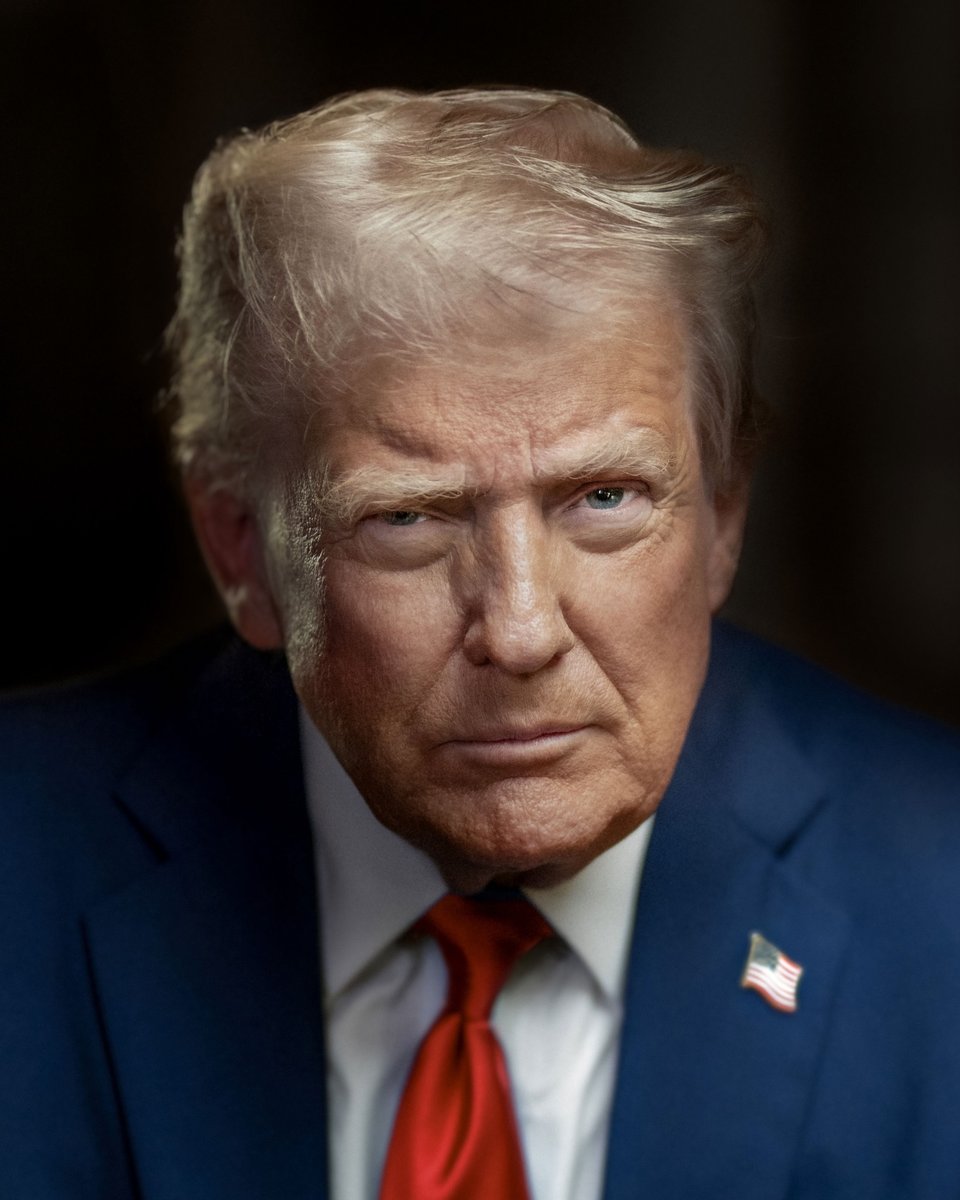
Donald Trump
President of the United States.
Why here: Says the US does not see a biological weapon in the case, and claims he has a call scheduled with Putin.
More info →
Tedros Adhanom Ghebreyesus
Director-General of the WHO.
Why here: Publicly demands timely and complete information from Moscow.
More info →Jennifer Nuzzo
American epidemiologist from Brown University.
Why here: Points out that the case did not even report standard post-exposure administration of antibiotics.

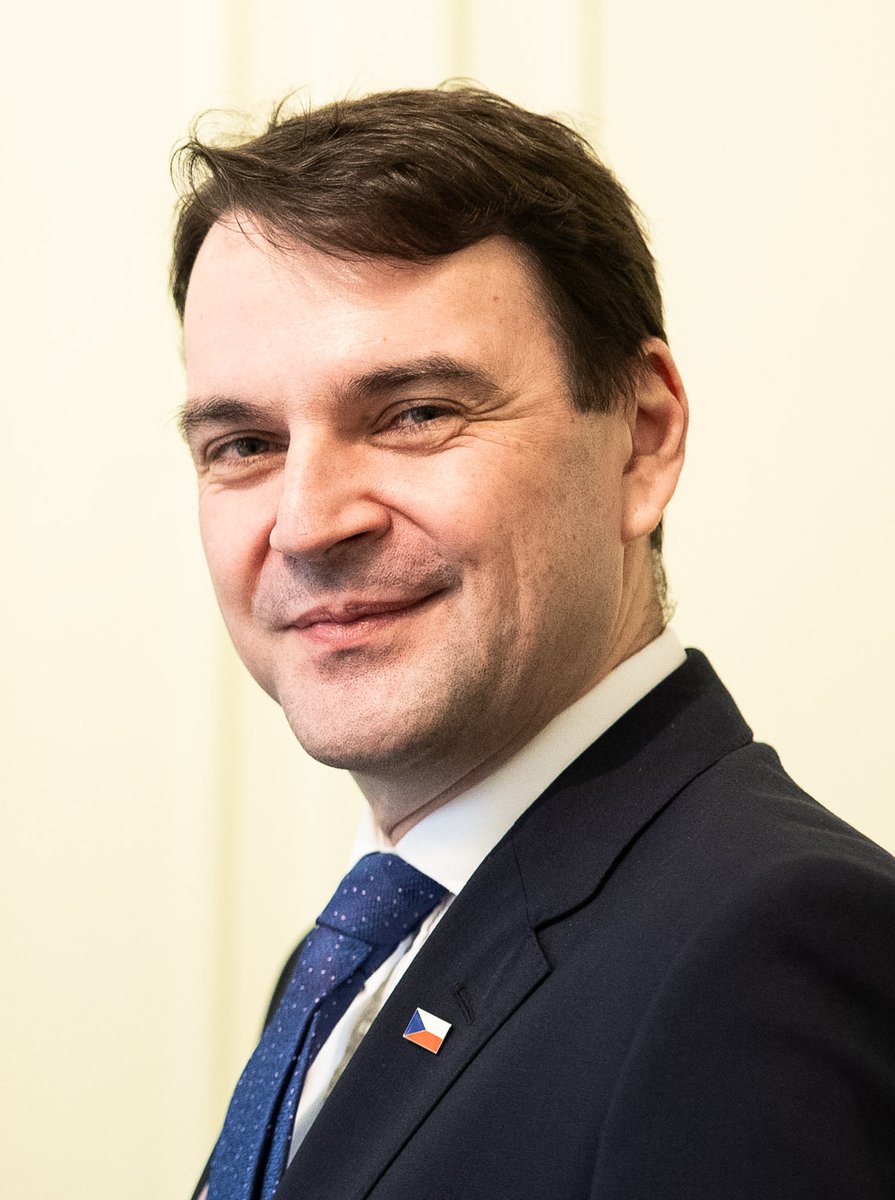
Roman Prymula
Czech epidemiologist and former health minister.
Why here: Assesses how great the risk is in the case of classic pneumonic plague.
More info →What is confirmed
An employee of the Irkutsk Anti-Plague Research Institute of Siberia and the Far East died in early October in a hospital in Shelekhov near Irkutsk. The Rospotrebnadzor agency announced the death on Sunday, October 4, as pneumonia "of undetermined origin." NBC News ↗ The institute was established in 1934 and is located in Shelekhov alongside a large aluminum plant. Denník N ↗ Approximately 200 people who may have come into contact with her were placed under medical observation. The Moscow Times ↗What Moscow claims and what is missing
Governor Igor Kobzev stated on Monday, October 5, that no microorganisms linked to her profession were found in her samples. NBC News ↗ Rospotrebnadzor claims that nearly 5,000 laboratory tests found no dangerous pathogens, and that tracing of contacts has already been completed for more than 90% of them. Euronews ↗ Among the contacts, two cases of COVID and two of rhinovirus were confirmed. NBC News ↗ Kremlin spokesman Dmitry Peskov added that, in his view, the overwhelming majority of media reports are untrue. Euronews ↗What is missing, however, is the main point: no Russian statement names the pathogen that caused the pneumonia, and that is exactly what the WHO is asking about. "We did not find plague" and "we know what it was" are two different claims. According to Time, epidemiologist Jennifer Nuzzo of Brown University asks why not even standard post-exposure administration of antibiotics was reported, and speaks of pneumonia of unknown etiology, not plague. Time ↗
What is only an unconfirmed report
Three claims that are circulating the most have not been officially confirmed by anyone.First: that the lab worker broke a test tube containing live bacteria while taking samples. This came from a regional website, has not been confirmed by authorities, and Rospotrebnadzor says it recorded no incident involving work with pathogens at the institute. Time ↗
Second: that a second employee fell ill. The WHO is asking about "media reports of a second employee with pneumonia of undetermined cause," but has not itself confirmed it. Euronews ↗
Third: that it is plague. The head of Buryatia, Alexey Tsydenov, wrote that she died of an unspecified form of plague, immediately adding that there is no outbreak in the republic. This is a statement by a regional official that federal authorities have not adopted. The Moscow Times further reports that the hospital in Shelekhov was placed under quarantine and that, according to reports, criminal proceedings have also been opened for violation of health regulations resulting in death. The Moscow Times ↗
Who put the word plague into the story
The word entered international reporting from Washington. The US State Department spoke of "reports of a fatal case of suspected pneumonic plague," which is an American characterization, not a Russian finding. NBC News ↗ On Wednesday, October 7, Washington sent Moscow a diplomatic démarche requesting more information. Asked whether this could be a biological weapon, Donald Trump answered in the Oval Office: "Well, we don't think so. We're going to find out soon enough, but we don't think so." ABC News ↗Watch out for headlines about a call to leave Russia. The US Embassy in Moscow issued a health alert on Tuesday, October 6, for the area where the institute is located. At the same time, it repeated that Americans should leave Russia, but that applies for security reasons: the "do not travel" level has been in effect since January 2022. Reports that link these two things create the impression that the call is related to the plague. The Moscow Times ↗
What the risk is for us
The WHO rates the risk as moderate to low for Irkutsk, low for Russia as a whole, and very low for the European region. Time ↗ WHO Director-General Tedros Adhanom Ghebreyesus, meanwhile, is demanding openness from Moscow: "Timely, complete and transparent information-sharing in line with the International Health Regulations is critical." Euronews ↗Czech epidemiologist Roman Prymula told Radiožurnál that if it were classic pneumonic plague, there would be no major risk. A bigger problem, in his view, would arise if the institute were conducting research on biological agents that could be exploited in warfare. However, that is his hypothesis, not a finding, and none of the officials we read presented any evidence of such research. iROZHLAS ↗
Limits of this account
We rely mainly on English-language agencies and media, which often merely quote the Russian side when reporting on Russian findings. The Moscow Times is an exile media outlet, and for the first reports about the test tube and about the contacts it cites regional sources we could not verify. We do not have access to the laboratory results, the autopsy report, or the medical records, so we cannot distinguish between "it was not plague" and "plague was not proven." The situation is changing by the hour, and this text reflects the state of affairs as of October 8, 2026.What hotinfo is monitoring
- Russian authorities or the WHO name the pathogen that killed the lab worker.
- The WHO receives information from Russia on the reported second employee with pneumonia.
- Trump and Putin actually speak on the issue and the Kremlin confirms the call.
- Russia publishes the autopsy result or a laboratory finding from the institute.
- Russia answers the US démarche and the WHO closes its risk assessment.
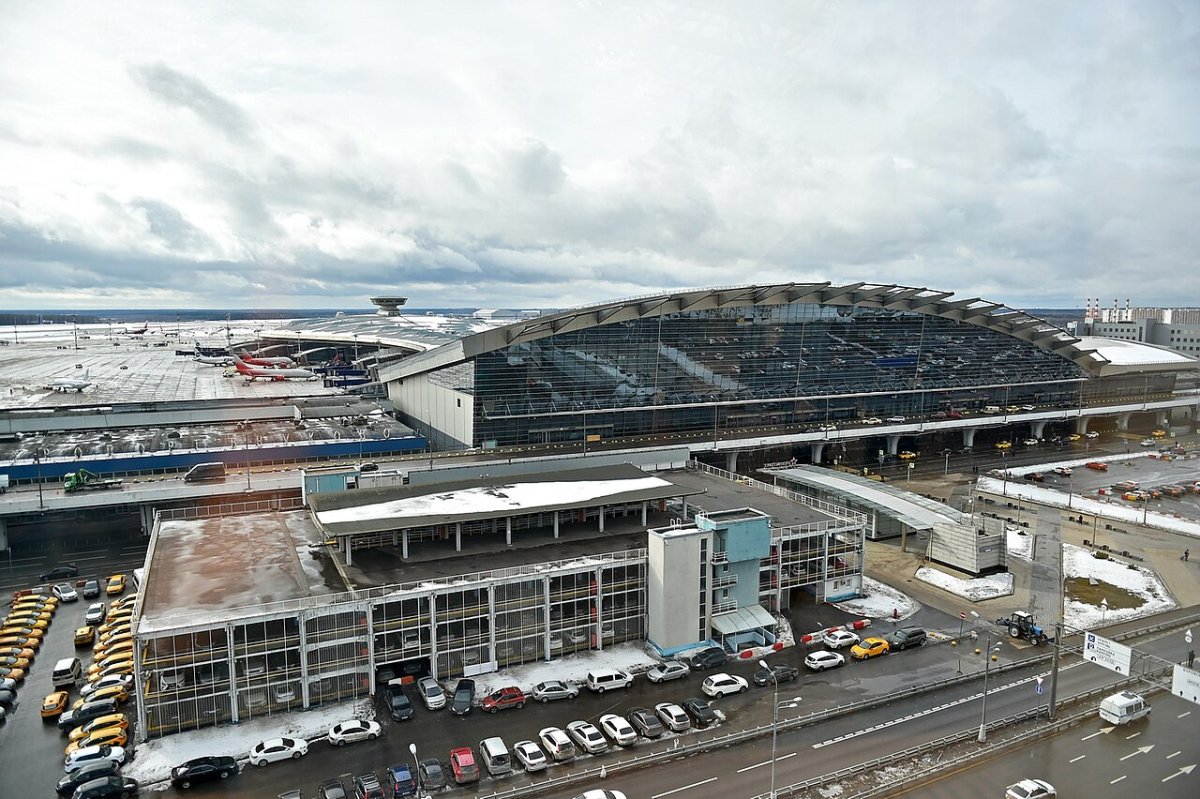
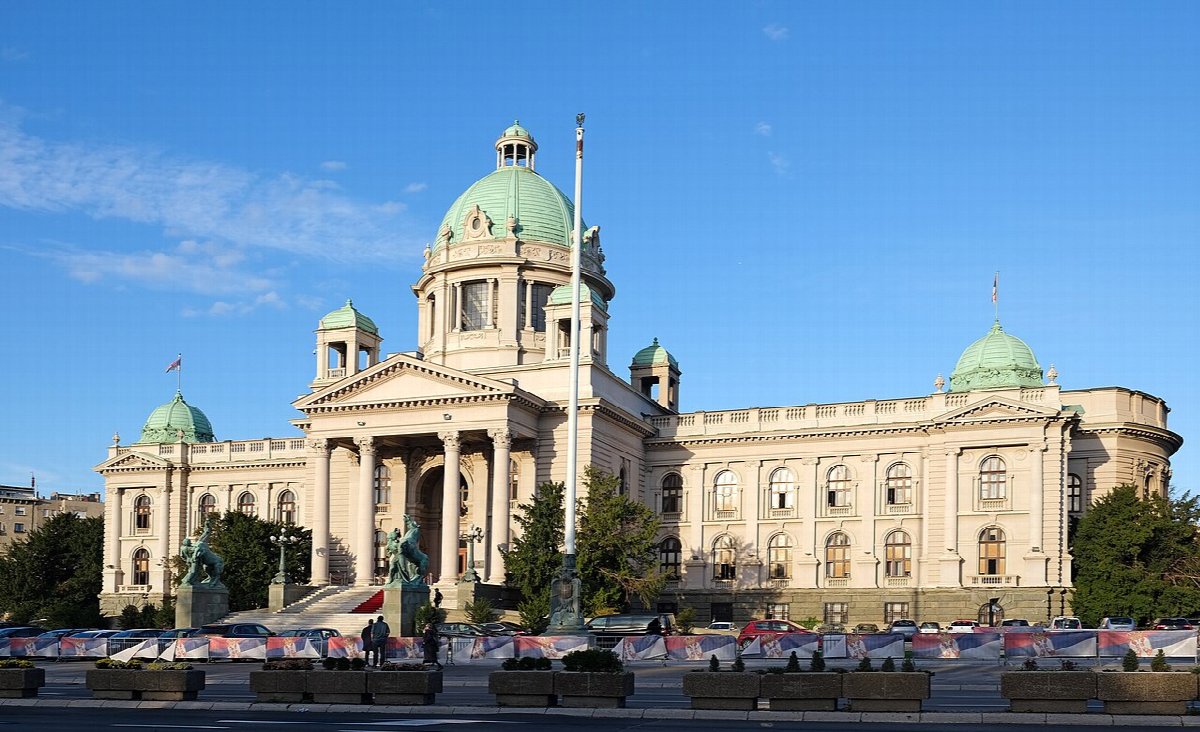
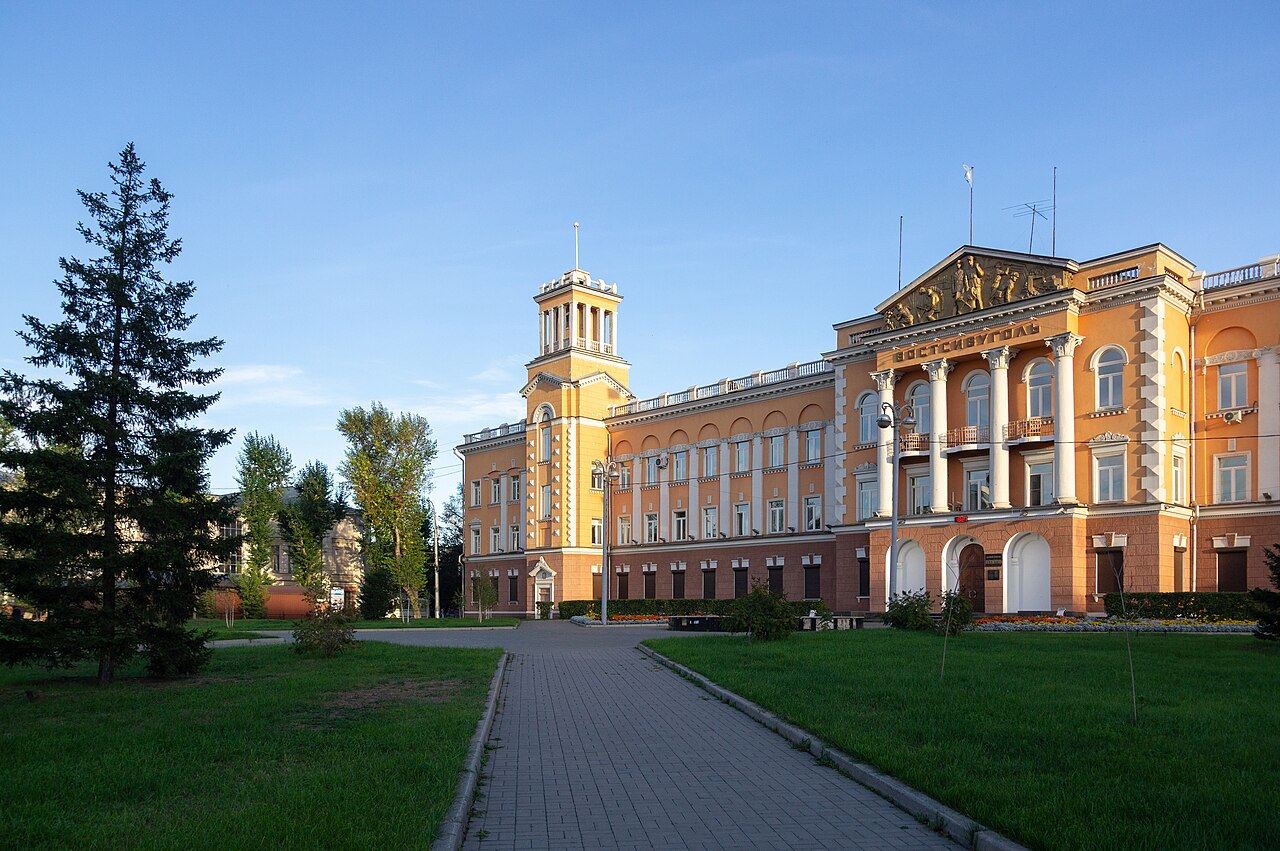
*Photo: A building in Irkutsk (illustrative, not the institute in question). Vyacheslav Argenberg / Wikimedia Commons, CC BY 4.0.*