



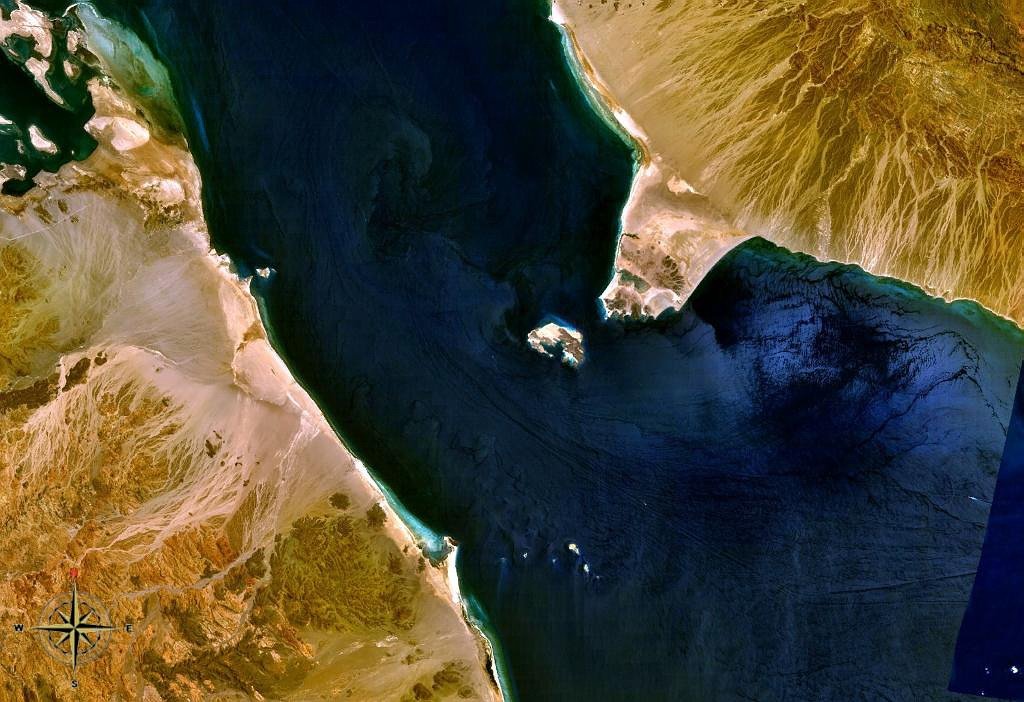


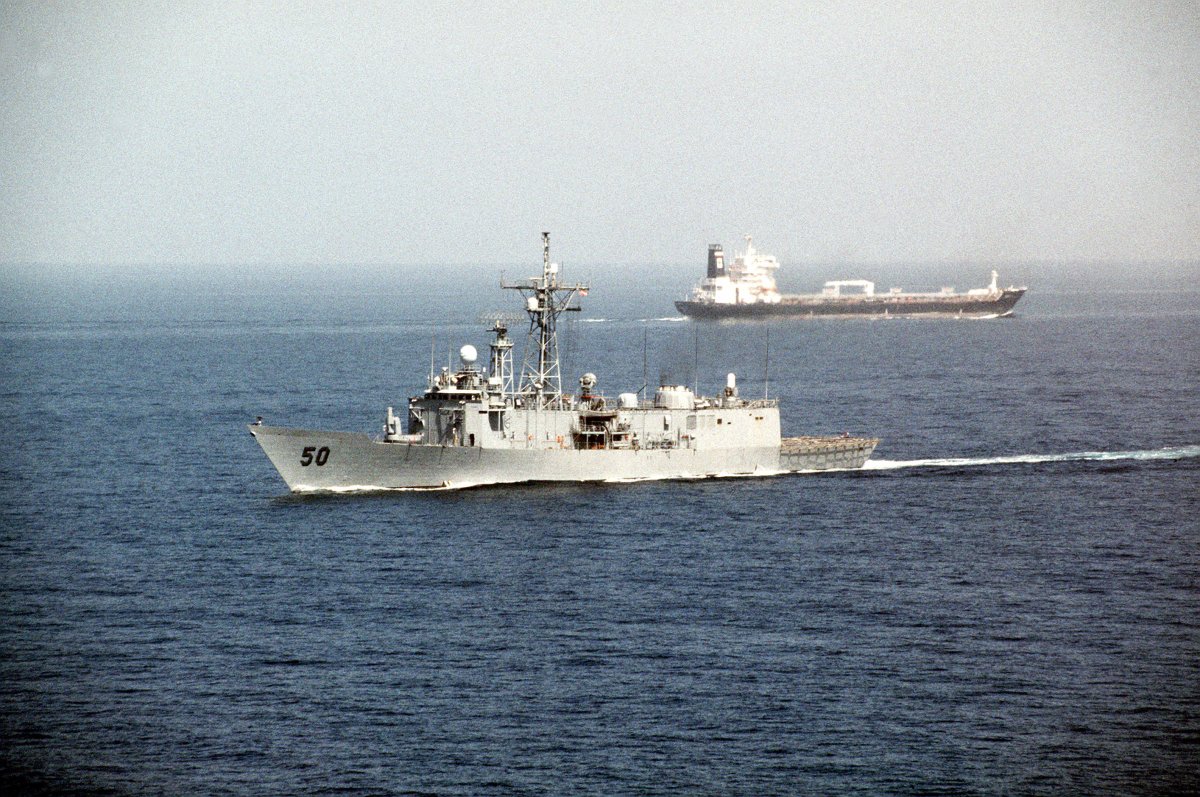
The price of Brent crude oil surpassed $116 per barrel in March, representing an increase of approximately 55 percent compared to the level before the start of the war with Iran in late February, according to CNBC. According to the same source, this is the largest monthly increase since records for this contract began in 1988. The Strait of Hormuz, through which approximately 20 percent of the world's oil normally flows, is according to several sources nearly paralyzed. Analysts estimate the loss at several million barrels per day. CNBC ↗ CNBC ↗
Eurozone inflation jumped to 2.5 percent in March, which according to CNBC is the steepest monthly jump since 2022. The main driver is energy prices. Germany, Europe's largest economy, recorded a rise in inflation to 2.8 percent, according to Bloomberg. The eurozone's private sector fell to a ten-month low according to the PMI index, which analysts describe as a warning sign of stagflation — a combination of rising prices and a stagnant economy. Markets expect the European Central Bank to proceed with raising interest rates, according to Bloomberg. CNBC ↗ Bloomberg ↗
In the United States, the price of gasoline reached almost $4 per gallon, according to CNBC, an increase of roughly a third in a single month. In California it exceeded $5. According to NPR, this is the largest monthly increase since October 1990. American consumers are starting to cut back on food and travel. According to economists, the full impact of more expensive fuel on store prices will only become apparent in April. CNBC ↗ NPR ↗
Australia has taken a drastic step. According to Al Jazeera, the government is temporarily halving the fuel tax from April 1 in order to ease the financial pressure on motorists. The savings of approximately 26 cents per liter will apply until the end of June. Critics, however, point out that fuel prices have in the meantime risen by 33 cents per liter, so the tax cut will barely cover the increase. The government has also suspended fees for heavy vehicles for three months. Al Jazeera ↗
According to Al Jazeera, India has moved to reduce import duties on fuel in order to keep prices down for consumers. The country is the world's third-largest oil importer, and the price increase is placing a significant burden on its budget. Al Jazeera ↗
Asian airlines are facing a sharp rise in fuel prices. According to Al Jazeera, the price of jet fuel jumped from approximately $85 to $90 per barrel before the war to $150 to $200. Hong Kong airlines have raised fuel surcharges by as much as 35 percent, while New Zealand's Air New Zealand has raised the price of long-haul flights by $53. According to Bloomberg, Asian carriers face the risk of grounding part of their fleets, as South Korea considers redirecting exported jet fuel to the domestic market. Al Jazeera ↗ Bloomberg ↗
G7 finance ministers have convened an emergency meeting to address rising prices, according to CNBC. The head of the International Energy Agency described the situation as one of the most serious energy crises in decades, according to Al Jazeera. According to Al Jazeera, at least 85 countries around the world have recorded higher fuel prices since the start of the war, with the largest increases seen in Asian countries dependent on imports through the Strait of Hormuz. CNBC ↗ Al Jazeera ↗
According to Al Jazeera, global stock markets have fallen by 5.5 percent since the start of the war, with Asian exchanges recording the largest losses. Analysts warn that if the Strait of Hormuz remains blocked for longer, the price of oil could head toward the historic record of $147 per barrel set in 2008. Al Jazeera ↗ CNBC ↗
Oil shock from the Iran war hit the entire world: how the US, Europe, Asia and Australia are responding
Videos
🔥 You might also like

World
What Europe is Writing About: Spain Heads to Early Elections, German Intelligence Warns of Russia
Sánchez called elections for November 29 after housing decrees fell. Intruders gained access to data of 8.8 million Danes, German intelligence warns of Russia.

Iran–Israel
Australia investigates the second pilot of Flydubai flight to Israel
Australian authorities are investigating a link between Australia and the second pilot of Flydubai, who reportedly attempted to take control of the aircraft bou …
📰
World Politics
Slovakia to open embassy in Australia
Slovakia wants to strengthen ties with the Indo-Pacific region and is preparing to open an embassy in Australia, reflecting the region's...
Geographic locations



From our newsroom original
All →
Prosecution seeks up to 12 years in prison over Maradona's death

ICE agent shoots man in car in New York's Marble Hill neighborhood

Crew-12 crew returns to Earth after eight months

Swedish court convicts two men over concealed Viking-era treasure, acquits third man accused of selling it
Man suspected of attempting to sell uranium-238 for $700,000 detained in Georgia

Amsterdam museum returned ancient vase to Sicily, theft revealed by 1976 wedding photo

Quebec: Separatists Win with 28% of the Vote and No Majority, Promise Referendum Only After Trump
What Europe Is Writing About: AfD Leads a State Parliament, Ex-BND Chief Arrested, Puigdemont May Return