

Key actors — tap for context

Northern Sea Route
A shipping route along the Russian Arctic coast between the Bering Strait and the Barents Sea, shortening the journey from Asia to Europe by thousands of kilometers.
Why here: The route Dubai Tower used to sail to England.
More info →
Rosatom
A Russian state nuclear energy corporation that also operates a fleet of nuclear icebreakers.
Why here: Through its Northern Sea Route Administration, it issues transit permits — deciding who is allowed to sail the route.
More info →
Teesport
A port on the northeastern coast of England at the mouth of the River Tees, one of the larger container ports in the United Kingdom.
Why here: The voyage's destination port.
More info →
Red Sea
A sea arm between Africa and the Arabian Peninsula, through which access to the Suez Canal runs.
Why here: The stretch the new route avoids.
More info →
Bellona
A Norwegian environmental foundation based in Oslo, founded in 1986, which has long tracked the Russian nuclear industry and Arctic shipping. Russia designated it an undesirable organization in 2023.
Why here: Author of the report on sanctioned ships on the Northern Sea Route.
More info →
Maersk
A Danish shipping company, one of the largest container carriers in the world.
Why here: One of the carriers that has rejected the Arctic route.
More info →
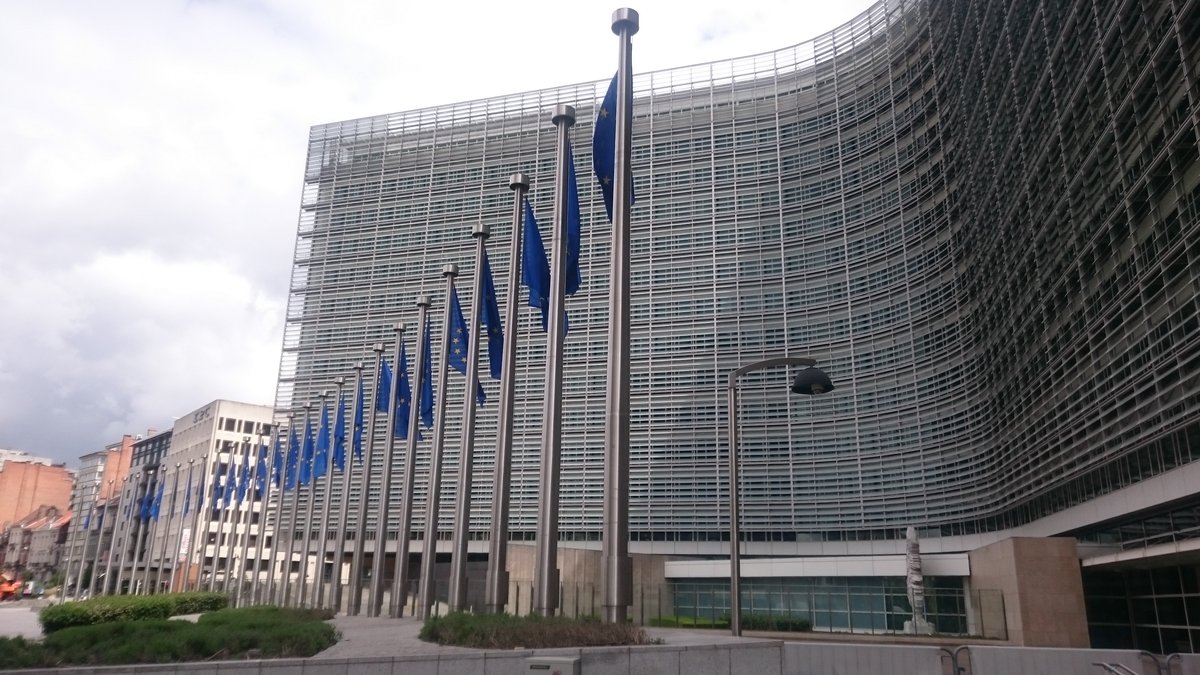
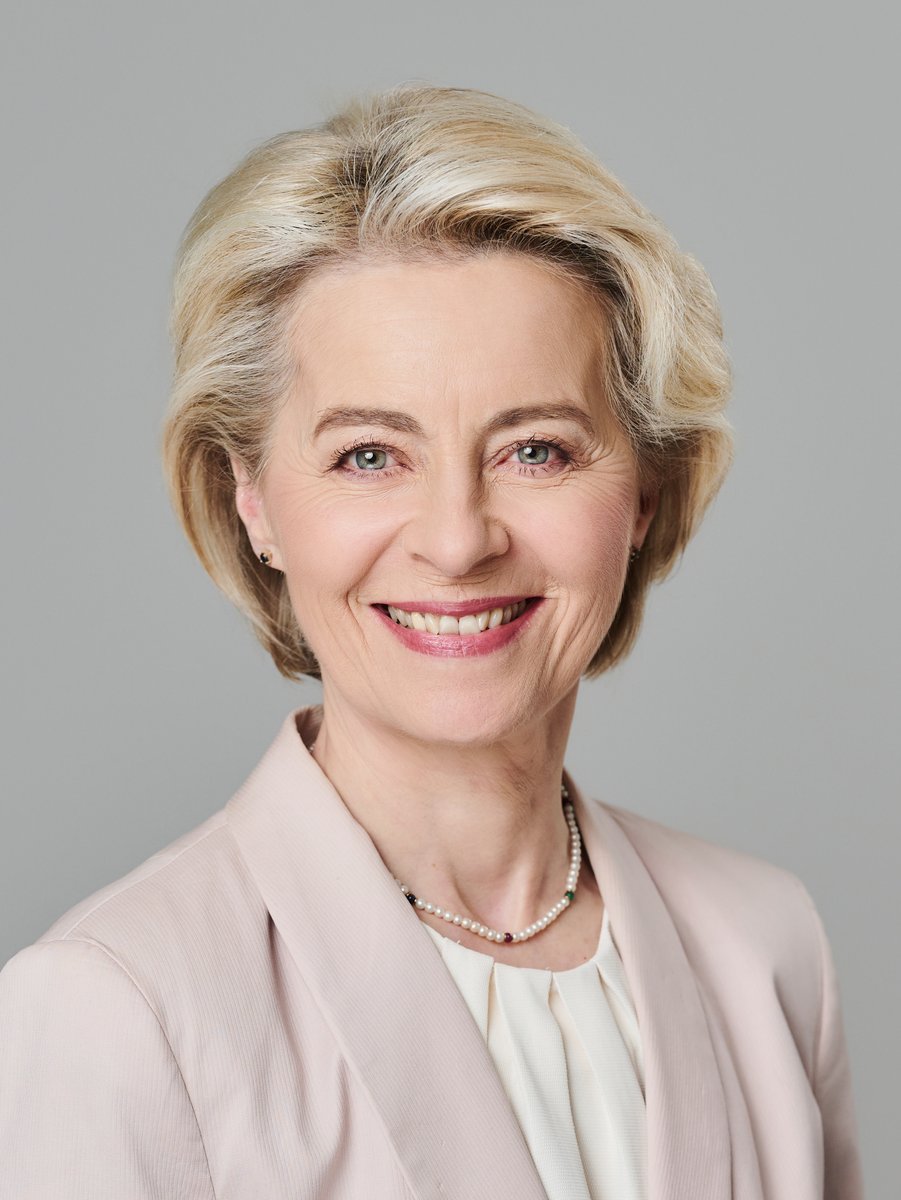
Ursula von der Leyen
President of the European Commission.
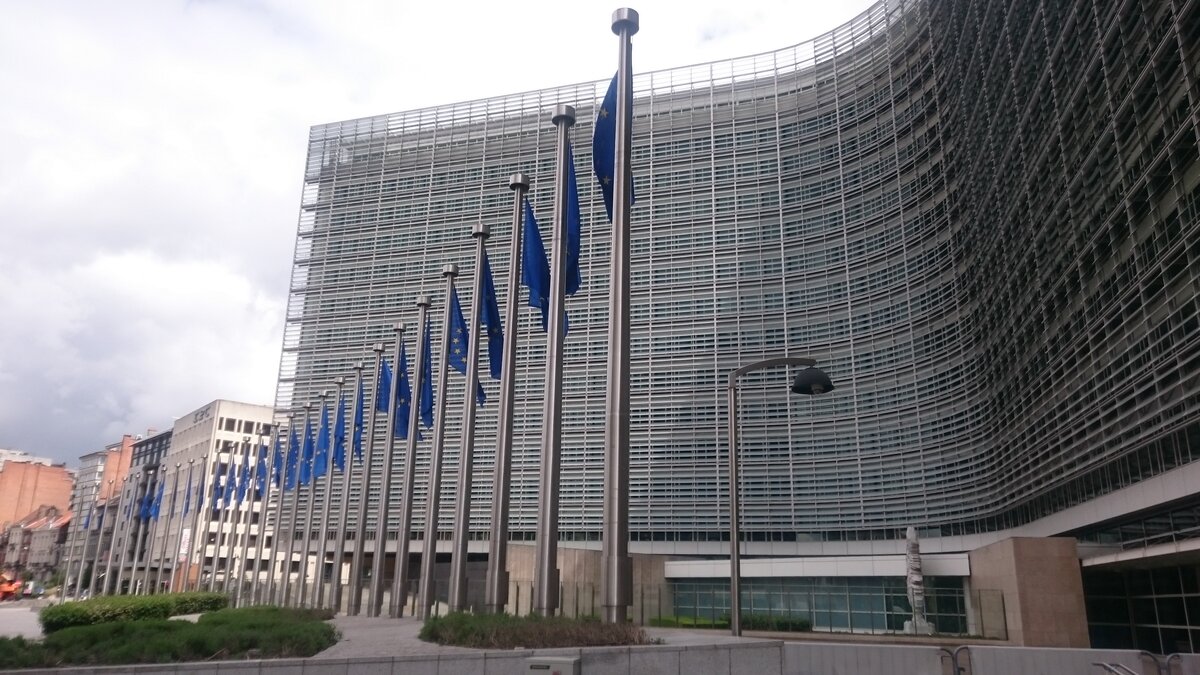
Why here: In early September she visited Greenland and announced investments while the Union reworks its Arctic policy.
More info →
Greenland
An autonomous territory of the Kingdom of Denmark in the North Atlantic, the world's largest island.
Why here: The focus of European Arctic policy.
More info →Twenty-five days instead of forty
The time difference is the main argument for the entire route. According to Al Jazeera, the journey from China to England via the Northern Sea Route takes about twenty days, roughly forty via the Suez Canal, and about fifty around the Cape of Good Hope. Dubai Tower completed the voyage in twenty-five days. However, that comparison should be taken with caution: the Norwegian Centre for High North Logistics calculated the southern route between the same ports at approximately twenty-seven days without port calls, and notes that the forty to fifty days cited in the media likely include stops. The difference is therefore smaller than it first appears. Al Jazeera ↗, CHNL ↗This is not a one-off experiment. According to wire service reports, the voyage is meant to be the start of a regular container line to Europe, and a South Korean ship is making a similar journey at the same time. The route is particularly suited to cargo sensitive to time and temperature — lithium-ion batteries and photovoltaic components are named. Asharq Al-Awsat ↗, The Standard ↗
Rosatom issues the permit
This is where the story of the shortcut gets complicated. The Northern Sea Route runs along the Russian coast, and transit permits are issued by the Northern Sea Route Administration, which falls under the state corporation Rosatom. Anyone who wants to save time via this route needs approval from Moscow — the Red Sea can also be avoided by sailing around Africa, but that route is even longer than via Suez. Al Jazeera ↗Volumes are still small, and the figures vary depending on methodology. The Norwegian Centre for High North Logistics recorded fifteen container voyages for the 2025 season — eight eastbound and seven westbound — with tankers accounting for the largest share of transits, at thirty-four voyages. Rosatom itself tends to publish official statistics only after the season ends. CHNL ↗
Also read: The Hormuz agreement promised a toll-free strait. The text says it's only for sixty days
Who is actually sailing the route
European container giants are not on the route. CMA CGM and Hapag-Lloyd took a rejectionist stance toward Arctic routes back at the end of the last decade, citing primarily the ecological risks to the fragile Arctic environment. Maersk added commercial reasons as well. Lloyd's List reported back in 2024 that the threat of sanctions was holding back the Northern Sea Route. Lloyd's List (2024) ↗The composition of traffic is shown by a report from the Norwegian foundation Bellona, which the trade outlet gCaptain covered late last year. According to the report, a hundred sanctioned ships — mostly oil and gas tankers — used the Northern Sea Route over the year, compared with thirteen a year earlier. The foundation also notes that some of them had already operated on the route before, and that roughly a third of cargo vessels fell into this category — so the figures are not directly comparable to the number of complete transits. These are often older tankers without ice class and without reliable insurance, sailing under problematic flags and switching off their transponders. Russian authorities have also stopped publishing precise records of traffic. gCaptain ↗, Bellona ↗
Analyst William Yang noted in this context, for Al Jazeera, that nearly all the ships that have used the Northern Sea Route for shipping belong to Russian shadow fleets under harsh sanctions, and that this creates political risk for other countries. Bellona's figures are more moderate — putting it at roughly a third of cargo ships — so Yang's estimate should be read as an expression of the degree of risk, not as a precise share. Al Jazeera ↗
Europe is currently reworking its Arctic policy
European Commission President Ursula von der Leyen was in Nuuk, Greenland, on September 6 and 7, where she announced an investment package worth two hundred million euros for 2026 and 2027, intended to go, among other things, toward critical raw materials, satellite communications, and renewable energy sources. The Union is simultaneously reworking its Arctic policy, and the Commission itself acknowledges that the revision is urgent given the changed security environment. Európska komisia ↗, CNBC ↗The Union has not yet freed itself from Russian Arctic energy. The Council of the EU approved a phased ban on imports of Russian gas, whose final phase is not due to take effect until 2027. The new container line is thus emerging at a time when European policy toward the Russian Arctic is still being fine-tuned. Council of the EU ↗
Limits of this view
The route is seasonal. Expert Dylan Loh of Nanyang Technological University notes that dependence on when the ice melts adds uncertainty. The season does not end in late summer — transit navigation in 2025 ran until November 17 — but year-round operation without icebreakers is not yet possible. Al Jazeera ↗, CHNL ↗The question of return on investment is also open. Wire service reports speak of unpredictable weather and uncertain commercial profitability, and fifteen container voyages per season is a negligible number compared with the volumes of the Suez Canal. Environmental organizations also criticize Arctic routes for contributing to further ice melt. The extent of Arctic sea ice at its winter peak in February and March fell by 5.8 percent between 2024 and 2025, which, according to researchers from the University of Southampton, is the largest year-on-year winter decline in satellite records. Asharq Al-Awsat ↗, University of Southampton ↗
Ultimately, one voyage does not prove a shift of world trade to the north. It only shows that it is worth trying — and that this particular shortcut is conditional on Moscow's approval. Serbia's Politika called it a breakthrough, while Bulgaria's Dnevnik explained it as a way around the Middle East. Politika ↗
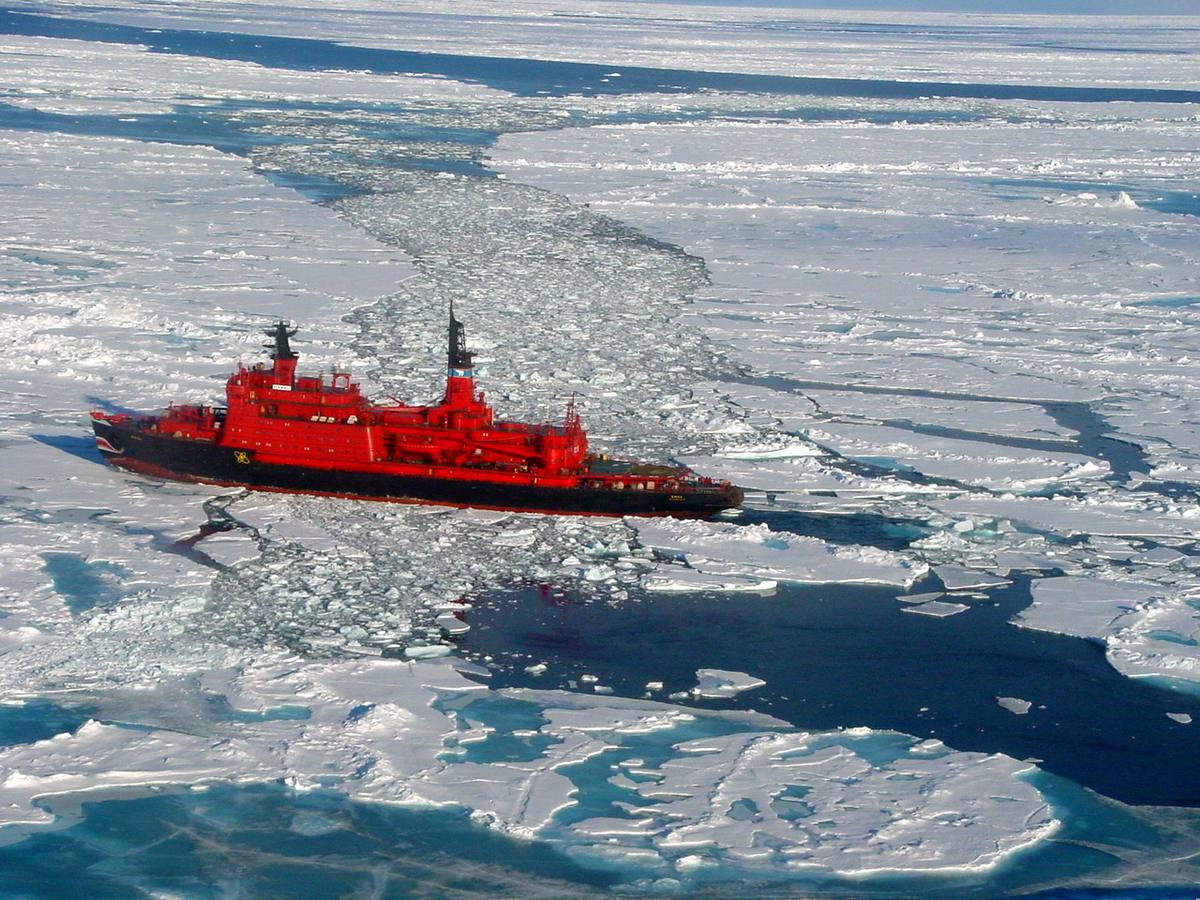
Illustrative photo: the Russian nuclear icebreaker Yamal, which belongs to the Rosatom fleet operating the Northern Sea Route. Author: Wofratz / Wikimedia Commons / CC BY-SA 2.5.
What hotinfo is following
- Further container ships have sailed the Northern Sea Route as part of the announced Chinese service
- A major European container carrier has announced it will use the Arctic route
- The EU has published its revised Arctic policy and its stance on transit through Russian waters is known
- Rosatom has published full end-of-season transit statistics for the Northern Sea Route for 2026
- The final phase of the EU ban on Russian gas imports has entered into force