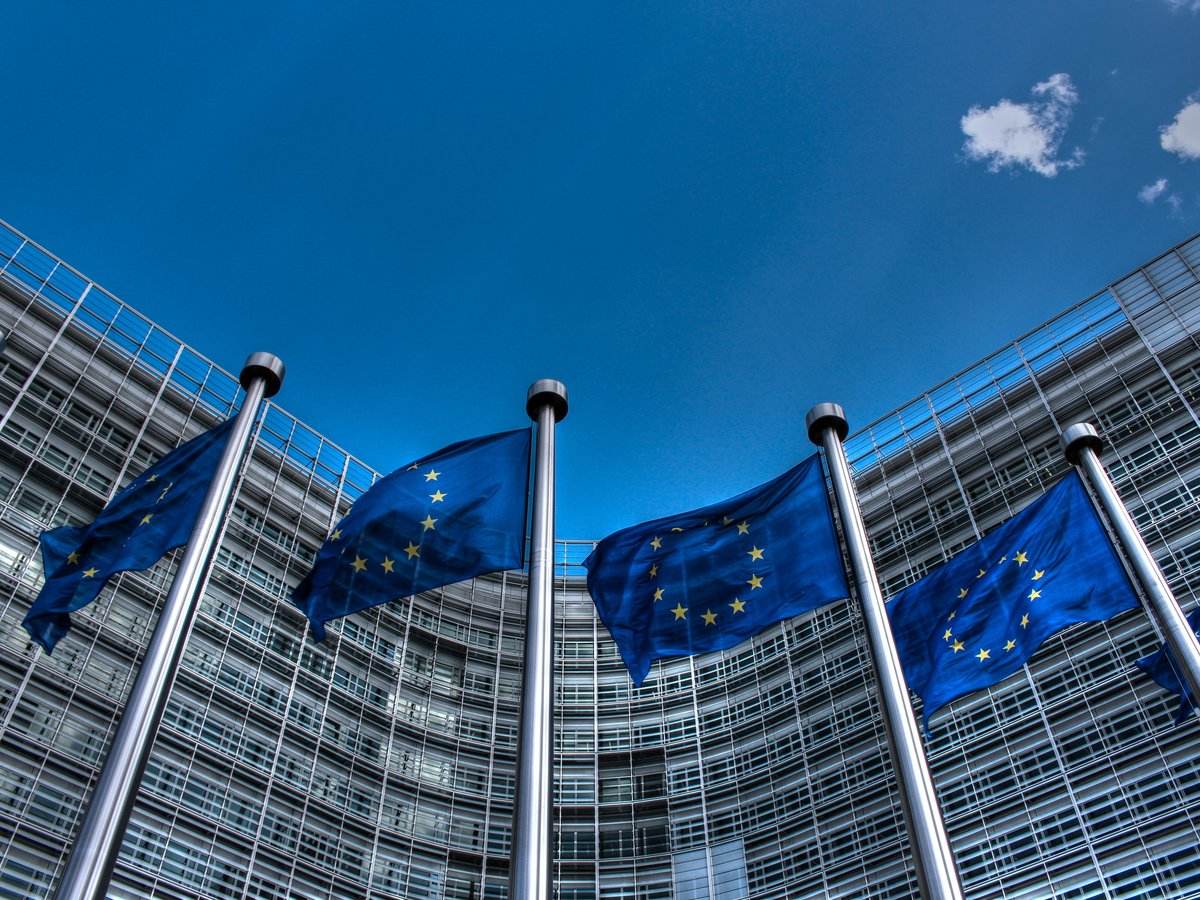

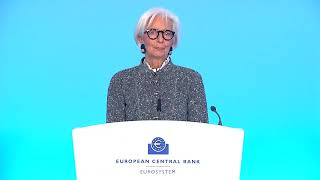
On Thursday, the European Central Bank left its key deposit rate at 2% (the refinancing rate remains at 2.15%), but its chief Christine Lagarde warned that the war in Iran will have a "material impact on short-term inflation." If the conflict does not end quickly, the ECB may start discussing rate hikes as soon as its meeting on April 29–30 — with the first actual increase in June. Euronews ↗
ECB economists have dramatically worsened the inflation outlook. In the baseline scenario they expect inflation of 2.6% in 2026 (originally 1.9%). At the same time, the ECB modeled two alternative scenarios — not forecasts, but stress tests: in the case of a longer disruption of supplies through the Strait of Hormuz, inflation could reach 3.5%, and in an extreme case with long-term high energy prices, as much as 4.4%. Eurozone GDP growth was also lowered to 0.9%, which amounts to near-stagnation. Euronews ↗
Energy is behind the deterioration. Brent crude is trading around 111 dollars per barrel — an increase of 55% since the start of the war. The price of natural gas in Europe jumped 13% in just the last day following Iran's attack on Qatar's Ras Laffan LNG plant. The prediction market Polymarket shows a 42% probability of an ECB rate hike in 2026 — before the war it was only 12%. Euronews ↗ Index.hr ↗
Austria reacted immediately. Four key economic institutes uniformly worsened their inflation forecasts: Bank Austria raised its estimate from 1.9 to 2.5%, Erste Group from 2.1 to 2.5%, the Institute for Advanced Studies (IHS) expects inflation around 3% in March, and WIFO is preparing a correction for April. Austria's central bank (OeNB) is modeling two scenarios: in a short conflict, inflation would rise by 0.5 percentage points, in a long one by a full point. Austrian mortgages are around 3.38% — similar to Slovak ones. MeinBezirk.at ↗ Global Property Guide ↗
For Slovakia this is a direct hit. The country uses the euro, so ECB decisions affect Slovak mortgages immediately. Variable-rate mortgages are tied to EURIBOR, which currently stands at approximately 2.2–2.4%. The average interest rate on Slovak mortgages was 3.65% in mid-2025. If the ECB raises rates by 25 to 50 basis points, EURIBOR will rise proportionally. For a household with a 100,000-euro mortgage over 25 years, a 1 percentage point increase means roughly 55 euros more per month — more than 650 euros a year. Global Property Guide ↗ Euribor-rates.eu ↗
Croatia, which joined the eurozone in January 2023, is even worse off. The average rate on Croatian mortgages is 3.9% — double the average of wealthy EU countries. Croatian inflation remains at 3.4%, significantly above the ECB's target. Before joining the eurozone, Croatia could at least partially influence its own interest rates — now it is just as dependent on Frankfurt as Slovakia. Portal.hr ↗
The Polish paradox shows what countries like Slovakia and Croatia lost by joining the eurozone. Poland's central bank (NBP) cut rates to 3.75% on March 8 — the main reason was falling inflation and slowing wage growth, not the war directly. Polish mortgages, with an average of 8.04%, are the most expensive in the entire EU — more than twice as much as Slovak ones. But Poland has a key advantage: its own central bank, which decides according to Poland's needs, not the average of 21 countries. XYZ.pl ↗ Warsaw Business Journal ↗
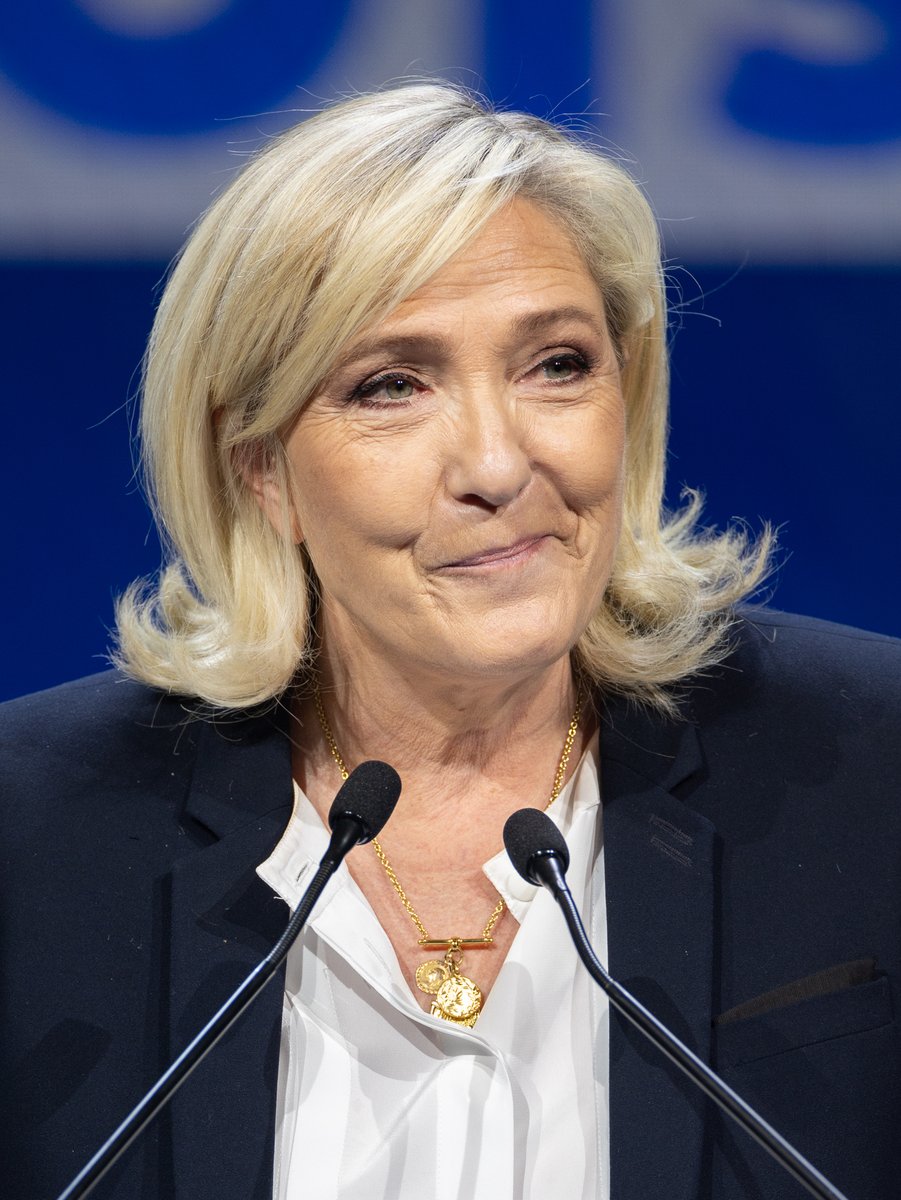
The energy shock from the war in Iran also has political consequences. In French municipal elections last weekend, the far right recorded its historically strongest result. Marine Le Pen's Rassemblement National won in several large cities in the south. The long-term rise of the far right was also fueled by the current rise in fuel prices of 20 cents per liter. This is not the only factor — the RN has been growing for years thanks to immigration and identity issues — but more expensive fuel in rural France added another argument for voters who say the far right "was right" on questions of purchasing power. NPR ↗ France 24 ↗
All figures in this article are a snapshot of a single day. Oil at 111 dollars could be at 90 or at 130 a week from now. EURIBOR at 2.3% could move in either direction. Just as tech giant stocks can rise 10% in a week and then fall 15%, interest rates and energy prices react to every piece of news from the front, every tweet from the White House, every negotiation in Geneva. Anyone fixing a mortgage today based on a single ECB decision is making the same mistake as someone who sells stocks in a panic after one red day.
The risk, however, is clear: if the war in Iran continues, the chain war → more expensive energy → higher inflation → rising rates → more expensive mortgages could hit millions of households in the eurozone. The French elections have already shown that frustration over rising fuel prices strengthens the far right. None of this is inevitable, though — a ceasefire, a diplomatic solution, or stabilization of oil supplies could change the whole scenario overnight. The difference lies in who has the tools to respond: Poland can adjust rates to its domestic needs. Slovakia, Croatia, and Austria wait on Frankfurt.

ECB holds rates but warns: war in Iran pushes inflation upward — what it means for Slovak mortgages
🔥 You might also like
Economy & Business
Lagarde admits possible early departure from ECB helm
European Central Bank President Christine Lagarde has admitted the possibility of leaving her post early. In an interview with Irish broadcaster RTÉ, she respon …
📰
Economy & Business
ECB left interest rates unchanged at 2.25 percent
The European Central Bank in Frankfurt left key interest rates unchanged on Thursday. The deposit rate, important for both banks and savers, remains at ...

Economy & Business
French debt set to rise to a record 121.7 percent of GDP. Government wants to freeze housing benefits for 5.7 million households
Finance Ministry announced on Saturday a forecast of 119.3% of GDP for 2026 and 121.7% for 2027. Slovak and Czech media gave it no separate coverage.
Geographic locations


From our newsroom original
All →
AfD wins in Mecklenburg, Merz calls result a catastrophe

Meloni announces limit on foreign students in classrooms
Le Pen and Bardella reject Russian influence on French politics

In China, a woman's skeleton with a cut-off nose was found. If the interpretation is confirmed, it is the first physical evidence of a punishment known from chronicles

Dutch Court Convicted a Municipality Over Rubber Granulate on Playing Fields. It Pollutes the Surroundings, but Measurements Show It Doesn't Endanger Players' Health
Russia's mandatory Max app can read data from the services it hosts. Researchers described five capabilities but found no evidence of abuse
What Slovakia is writing about: According to Danko, Pellegrini will decide on Taraba next week. Saková and Šutaj Eštok could not be ousted even on the fourth attempt
What Europe Is Writing About: Tusk Warns of Russian Attacks on NATO, Swedish PM Falls, Carney Addresses the European Parliament on Canada's Associate Membership