

Key actors — tap for context

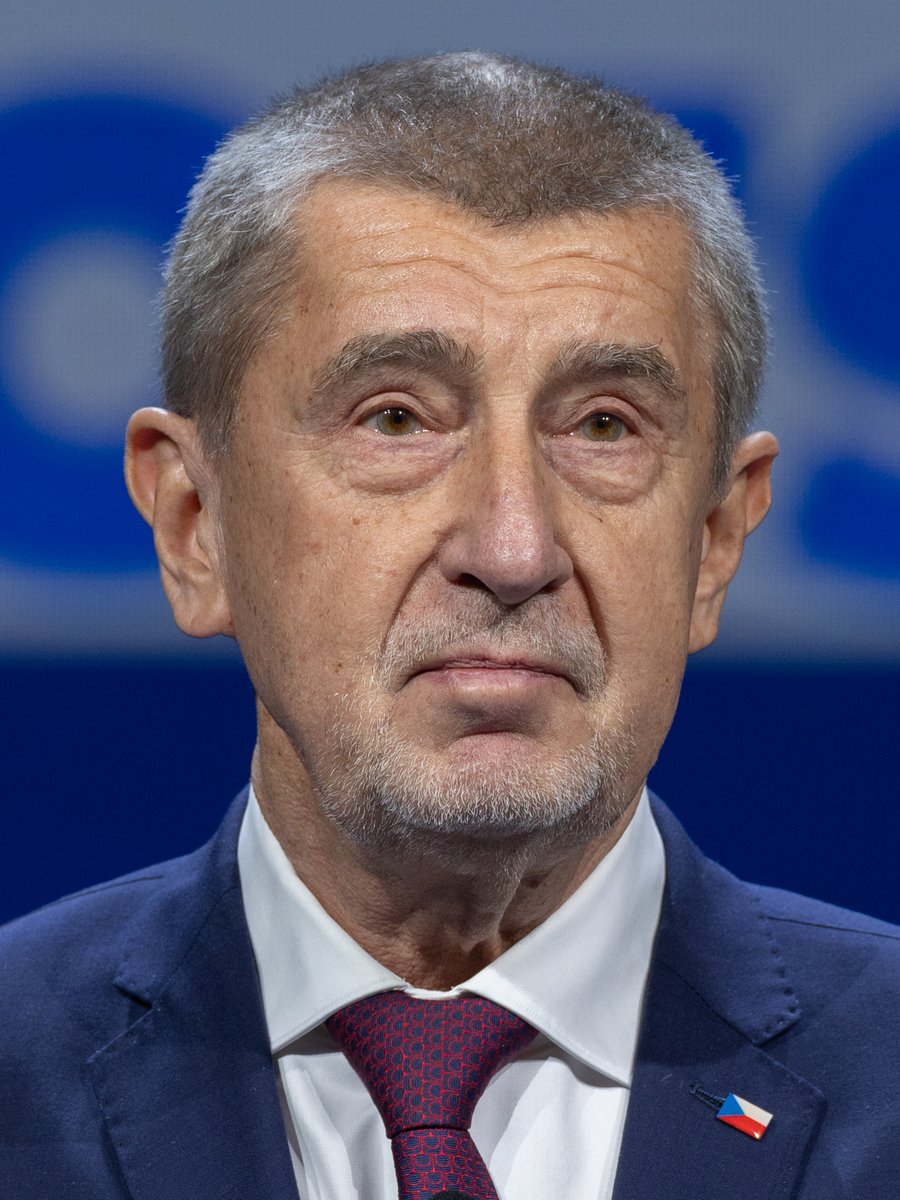
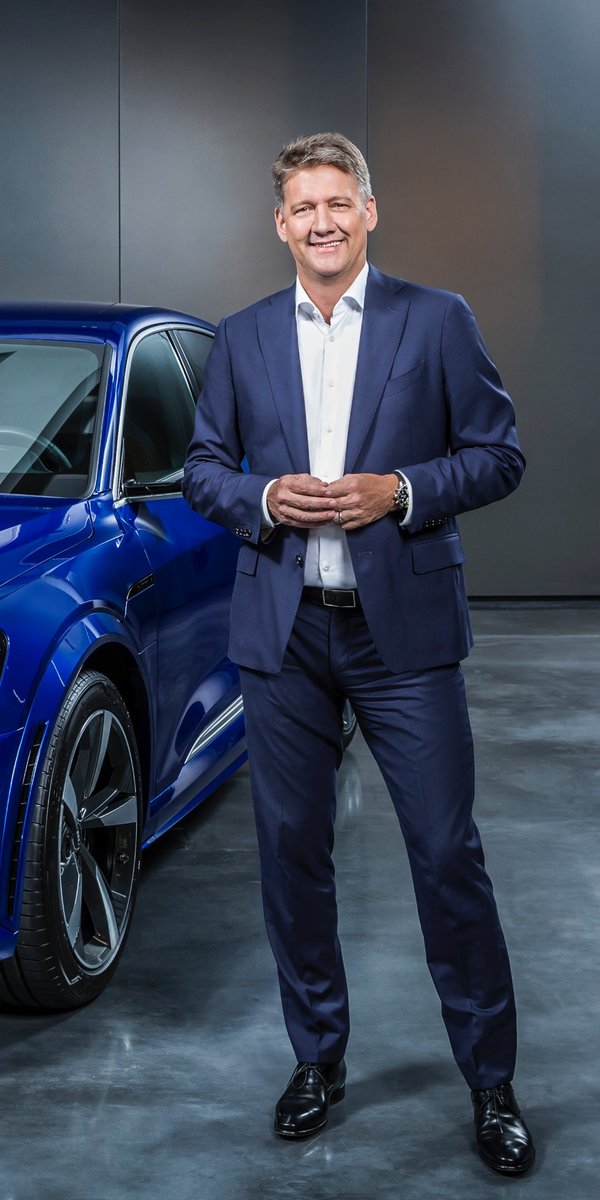
Viktor Orbán
former Hungarian prime minister (2010–2026) and chairman of Fidesz
Why here: according to the WSJ op-ed, Washington is persuading him to run for UN chief
More info →
Donald Trump
President of the United States
Why here: his administration is reportedly pushing Orbán's candidacy, according to WSJ
More info →
The Wall Street Journal
American newspaper, its editorial board writes conservative commentary
Why here: it broke the story in an opinion piece citing sources from three countries
More info →
António Guterres
UN Secretary-General, former Portuguese prime minister
Why here: his second term ends on December 31, 2026
More info →
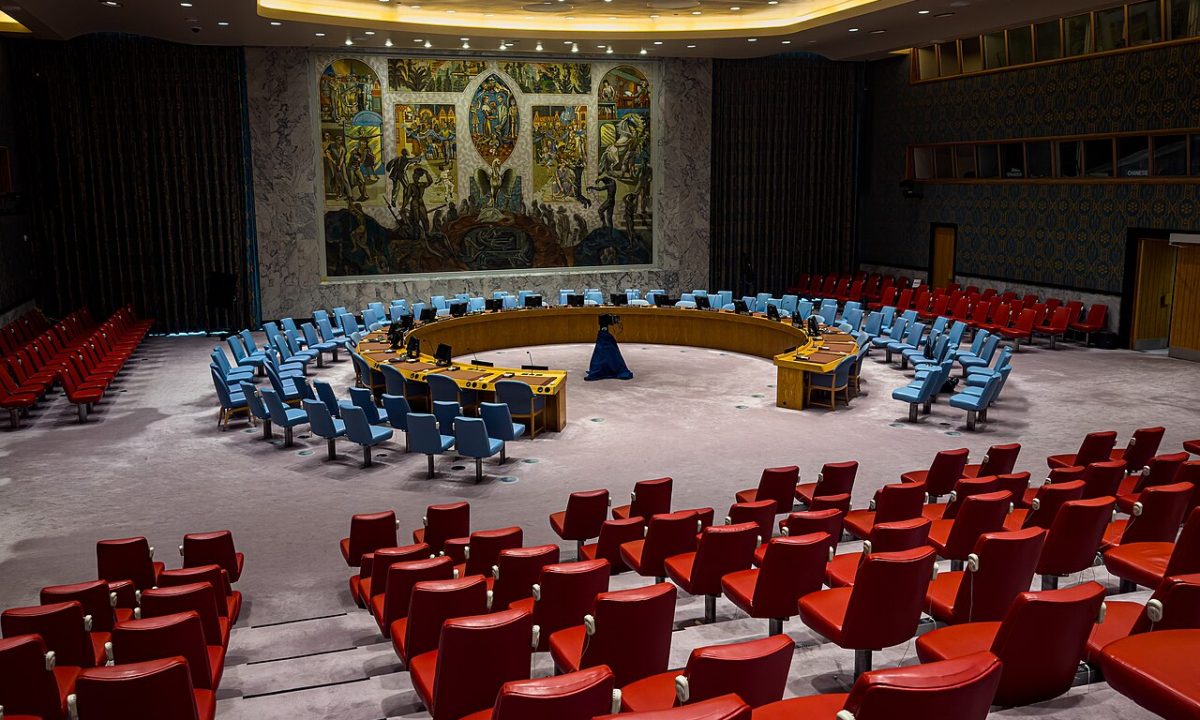
Security Council
15-member UN body, five permanent members hold veto power
Why here: its recommendation to the General Assembly is in practice decisive
More info →
General Assembly
UN body in which each member state has one vote
Why here: formally appoints the Secretary-General on the Security Council's recommendation
More info →Alexander Alimov
Russian Deputy Foreign Minister
Why here: responded for Moscow that this time it's Latin America's turn

Andrii Sybiha
Ukraine's Foreign Minister
Why here: mocked Orbán's candidacy by recalling his EU vetoes
More info →
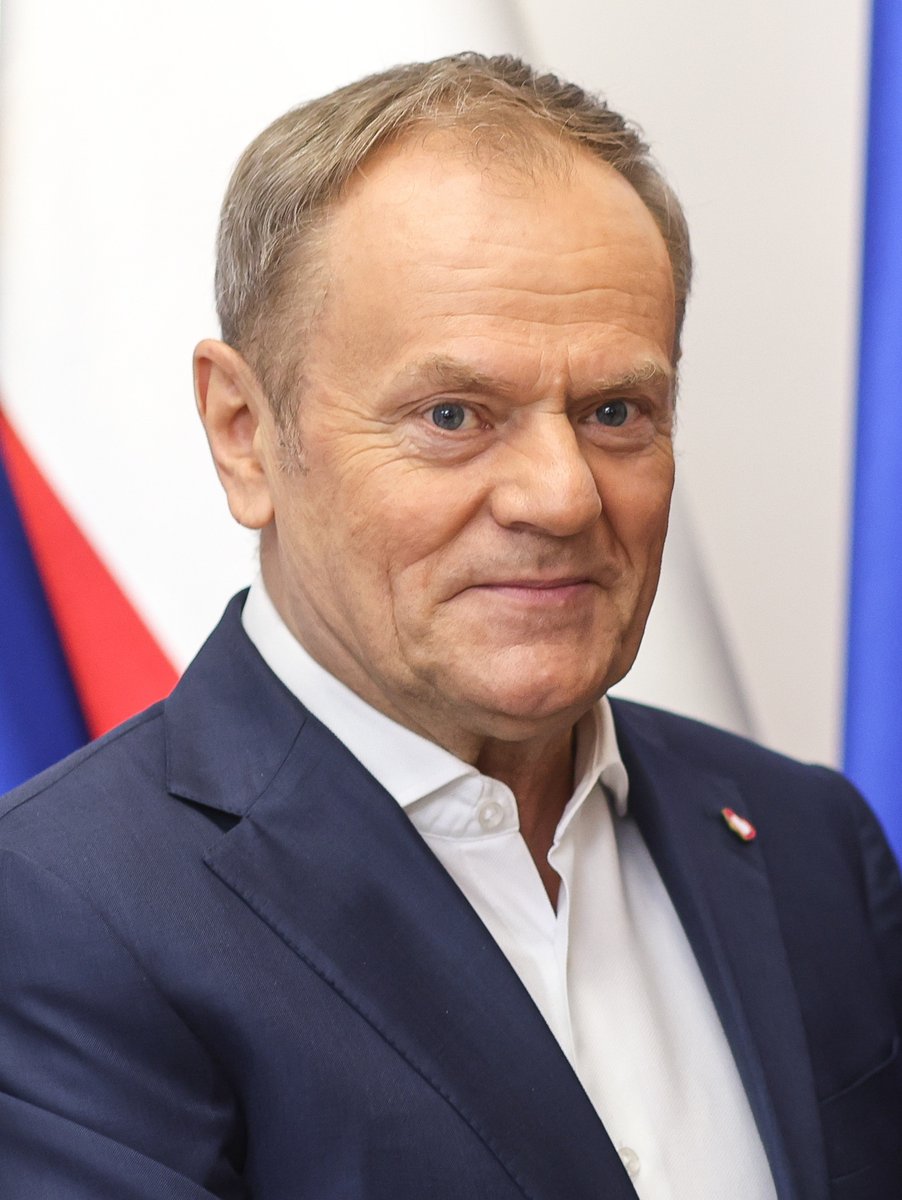
Donald Tusk
Prime Minister of Poland
Why here: called the report just as ridiculous as an earlier rumor
More info →
Radosław Sikorski
Poland's Foreign Minister
Why here: wrote that Poland will not support Orbán
More info →
Karol Nawrocki
President of Poland
Why here: backed Orbán before the April elections, Sikorski reminded him of this
More info →Gábor Török
Hungarian political scientist and commentator
Why here: speaks of a "new game" in Hungarian politics
Szabolcs Panyi
Hungarian investigative journalist, writes for the VSquare network
Why here: already wrote in late May about a plan to secure a UN post for Orbán

Lana Nusseibeh
diplomat from the United Arab Emirates, UN ambassador 2013–2024
Why here: entered the race last week
More info →
Rafael Grossi
Argentine diplomat, head of the International Atomic Energy Agency
Why here: one of the Latin American candidates
More info →
Rebeca Grynspan
Costa Rican economist, head of UNCTAD
Why here: another Latin American candidate
More info →
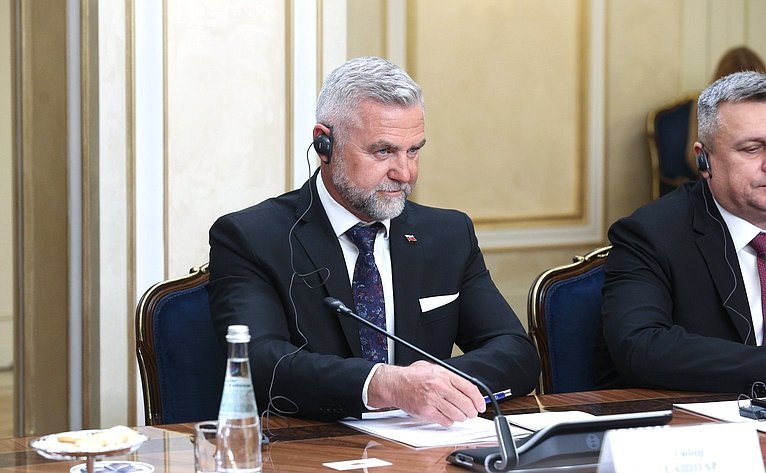
Miroslav Lajčák
Slovak diplomat, former Foreign Minister
Why here: in 2016 was among the strongest candidates from Eastern Europe
More info →
Vuk Jeremić
Serbian politician, former President of the UN General Assembly
Why here: in 2016, alongside Lajčák, was the strongest Eastern European candidate
More info →
Dag Hammarskjöld
Swedish diplomat, UN Secretary-General 1953–1961
Why here: chosen by the great powers because they considered him a cautious official
More info →
Péter Magyar
Hungarian prime minister, leader of the Tisza party
Why here: his party defeated Orbán's Fidesz in April
More info →
Tisza
Hungarian party led by Péter Magyar, in government since May 2026
Why here: another state could still nominate Orbán, so its government can be bypassed
More info →
Fidesz
Hungarian right-wing party led by Orbán
Why here: its spokesman called reports of Orbán's FIFA and UN posts fake news
More info →
György Matolcsy
former governor of the National Bank of Hungary and Orbán's economy minister
Why here: a court remanded him into custody in October
More info →What exactly did The Wall Street Journal write
The piece is not a news report but an editorial board commentary, published on October 25 in the opinion section. According to it, the idea originated in Washington: American officials were looking for "someone like Orbán," their Russian and Chinese counterparts nodded along, and eventually the Americans asked why not Orbán himself. A State Department official reportedly admitted that at first glance this sounds crazy. Der Standard ↗The same official, according to the commentary, counted eight sure votes for Orbán on the Security Council, and up to ten on a good day. According to the paper, Orbán was open to it but only wants to run if victory is certain. According to a source familiar with the process, the announcement is being planned only after the American midterm elections to Congress. Telex ↗ Index.hu ↗
The editorial board itself does not praise the idea. It says there are "plenty of reasons" against Orbán, for example that he would defend Vladimir Putin and other dictators. The best that can be said about the idea, it writes, is that the UN would get a chief who has sunk just as low as its current leadership. Thus it combined criticism of Guterres with criticism of the candidate. Index.hu ↗ HuffPost via Yahoo ↗
We published a brief summary of the report itself here.
How the UN chief is chosen, and why three great powers wouldn't be enough
Under Article 97 of the UN Charter, the Secretary-General is appointed by the General Assembly on the recommendation of the Security Council. A candidate needs at least nine votes in the 15-member Council and must not be vetoed by any of the five permanent members. Since 1981, the Council has screened candidates through secret straw polls, in which permanent members use ballots of a different color, so everyone can tell whether any great power has said no. Index.hu ↗Agreement among the US, Russia and China therefore would not be enough; Britain and France could be the deciding factor. According to the WSJ commentary, both use their veto power carefully, and Ukraine spoke up immediately. Ukraine's Foreign Minister Andrii Sybiha wrote that Orbán would "usefully put to use at the UN his masterful vetoing and blackmail skills, honed over years of blocking important EU decisions." He added that Ukraine could share its experience of when it's necessary to "invite him for coffee." Interfax-Ukraine ↗
The jab refers to the December 2023 EU summit, when Orbán left the room for coffee before a vote on negotiations with Ukraine, and the other leaders decided without him. Telex ↗
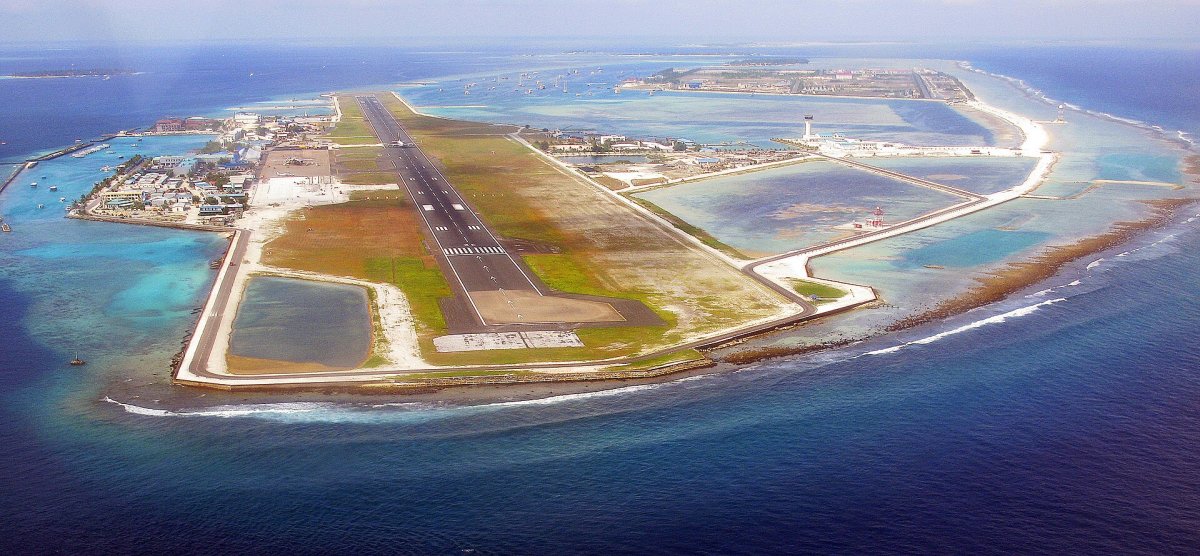
Moreover, Orbán need not be nominated by Hungary. A candidate must be put forward by a member state, but not necessarily their home country: in this year's race, the Maldives nominated Argentina's Virginia Gamba, and Tonga nominated Ecuador's Ivonne A-Baki. So Tisza's government can be bypassed. Index.hu ↗
It's Latin America's turn, not Eastern Europe's
Moscow's reaction was the most interesting. Russian Deputy Foreign Minister Alexander Alimov told the Interfax agency that the Security Council had not discussed Orbán and that the Russians learned about it from the press. "Neither Russia, nor the United States, nor China will nominate Orbán," he declared, adding that permanent members do not propose candidates. According to him, Moscow respects the informal rotation of regions, under which it is now Latin America and the Caribbean's turn, and it will only look elsewhere once their candidates are exhausted. Telex ↗There are plenty of Latin American candidates: Ecuador's Ivonne A-Baki and María Fernanda Espinosa, atomic agency chief Rafael Grossi, former Costa Rican vice president Rebeca Grynspan, and Carolyn Rodrigues Birkett of Guyana. Competing with them are Uganda's Olara Otunnu and, since last week, Lana Nusseibeh of the United Arab Emirates. 444 ↗ The race has stalled because after the sixth straw poll on October 16, every candidate had at least one "no" from a permanent member. According to Hungarian media, the next round is expected on Wednesday, October 28. Telex ↗ Index.hu ↗
The UN's Eastern European group has never had a Secretary-General, and the post has never been held by a woman. In 2016, when it was said to be the former socialist bloc's turn, Portugal's Guterres won. After him, according to 444, Slovakia's Miroslav Lajčák and Serbia's Vuk Jeremić had the best chances. Orbán's candidacy would thus "favor" Eastern Europe only at a time when the rotation rule doesn't even mention it. 444 ↗
What this says about the UN
In the past, the great powers tended to pick unremarkable officials. According to Index.hu, Sweden's Dag Hammarskjöld was chosen in 1953 because he was seen as a cautious official who would not pursue politics. The Secretary-General has no army, is funded by member states, and if he does his job well, he will sooner or later anger someone with veto power. Index.hu ↗The WSJ commentary describes the opposite model. According to an official from another country, most candidates are the "secretary" type, whereas Orbán would be a "general" who can't be intimidated by UN bureaucracy. The paradox is that in 2018, on Kossuth Radio, Orbán himself said that politicians who failed at home "parachute" into the UN, calling it a matter of "perverse personal ambitions." 24.hu ↗
Polish Prime Minister Donald Tusk, asked about it, first just smiled silently. He then admitted he hadn't heard of it and remarked that Orbán had "just recently" been a candidate for head of the European Commission, which he finds equally ridiculous. Foreign Minister Radosław Sikorski wrote that Poland will not support his candidacy, despite their "old acquaintance" and despite Polish President Karol Nawrocki having backed Orbán during the election campaign. TVN24 ↗
At home in Hungary
Political scientist Gábor Török pointed out that so far this is not an official nomination but a diplomatic initiative. If confirmed, he said it would be an unexpected and powerful shift in Hungarian politics: "Even if it's not a game-changer, it could clearly be a new game." 24.hu ↗Investigative journalist Szabolcs Panyi wrote for VSquare back in late May that people around Trump could secure Orbán a UN post with diplomatic immunity. Index.hu ↗ He later also wrote about negotiations over a FIFA position or the post of UN Deputy Secretary-General. Fidesz spokesman Bertalan Havasi called such reports fake news. HVG ↗
Immunity would mean something back home. Former central bank governor György Matolcsy, once Orbán's economy minister, has been in custody since October. At the same time, the new government reported corrected troop numbers to NATO, according to which Orbán's governments reported 1,700 to 2,500 more soldiers between 2023 and 2025 than actually served in the military. That's roughly an entire brigade. 444 ↗
Orbán's term would run until the end of 2031, while the next Hungarian elections are in spring 2030. Article 100 of the Charter forbids the Secretary-General from taking instructions from any government, so party leadership could not be reconciled with the post. No former UN chief has ever returned to domestic executive power by winning an election. Index.hu ↗
What hotinfo is monitoring
- Niektorý členský štát OSN Orbána formálne nominoval na generálneho tajomníka.
- Orbánovo meno sa objavilo v skúšobnom hlasovaní Bezpečnostnej rady.
- Británia alebo Francúzsko dali najavo, či by Orbánovu kandidatúru vetovali.
- Čína alebo Rusko verejne potvrdili podporu Orbánovej kandidatúry.
- Orbán alebo Fidesz kandidatúru verejne potvrdili alebo vylúčili.
*Illustrative photo: the UN Security Council chamber in New York. Wikimedia Commons. Author: Jdforrester. License CC BY 4.0.*