

Key actors — tap for context
Schengen
Zone of free movement without controls at internal borders, created by an agreement in 1985 and now covers 450 million people.
Why here: This is precisely what is being dismantled — ten member states have introduced temporary controls.

Alberto Alemanno
Italian professor of European law at HEC Paris, known for work on transparency of EU institutions.
Why here: For Yle, he called the Italian-Spanish dispute completely unprecedented and criticized the Commission's inaction.
More info →
Alexander Dobrindt
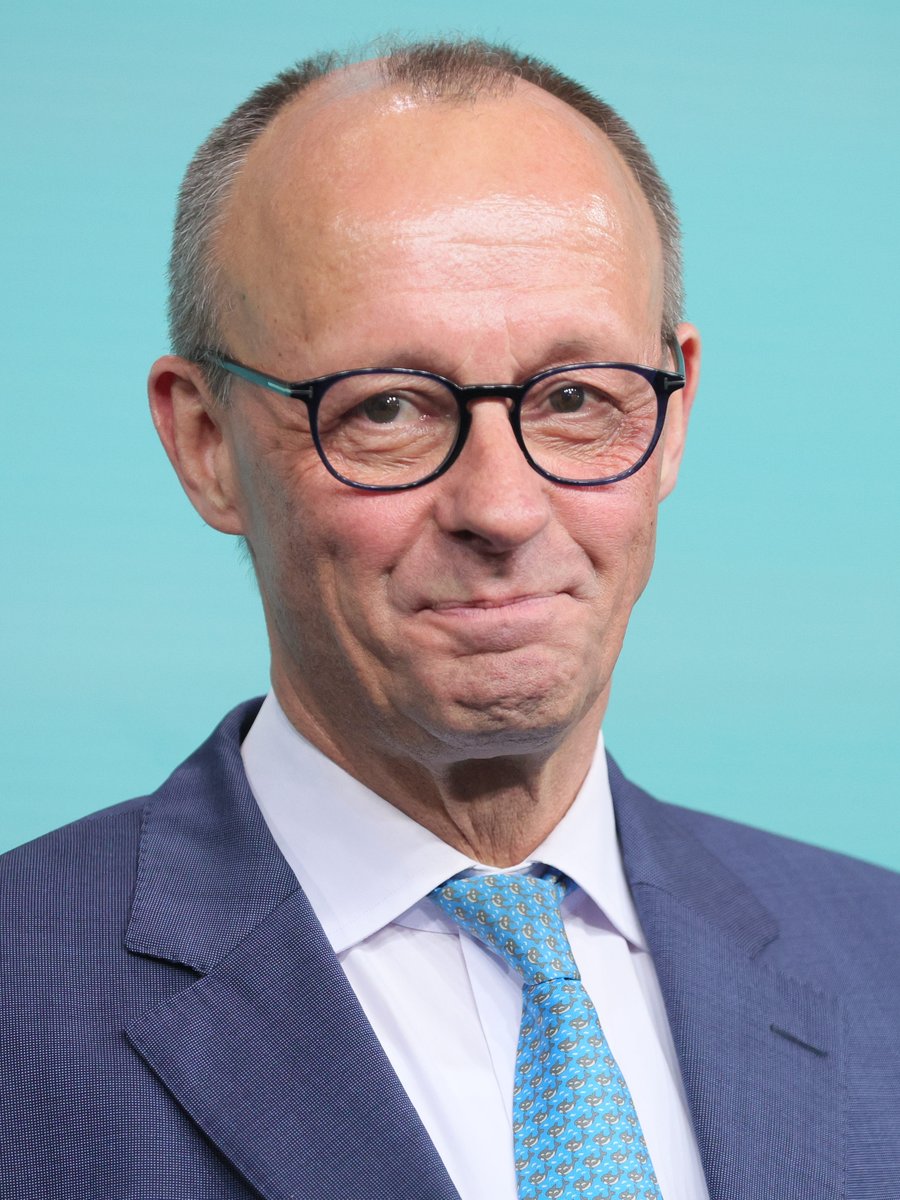
German Interior Minister for the CSU, in office since 2025.
Why here: Announced the extension of German border controls until March 15, 2027.
More info →European Commission
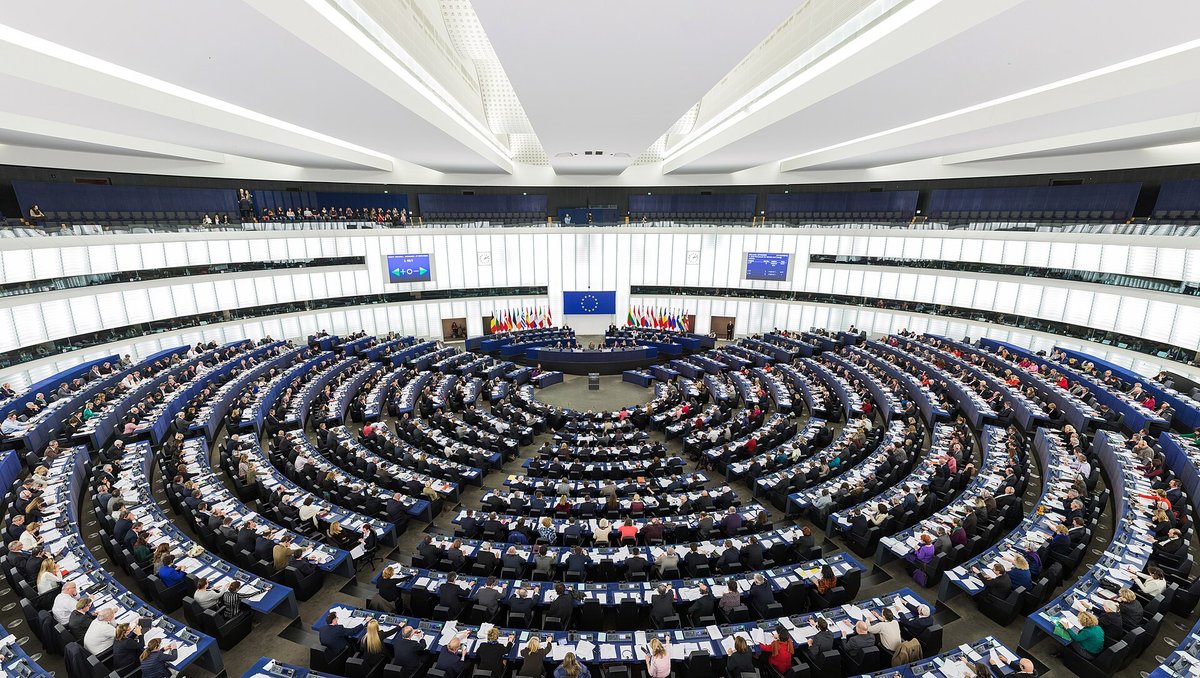
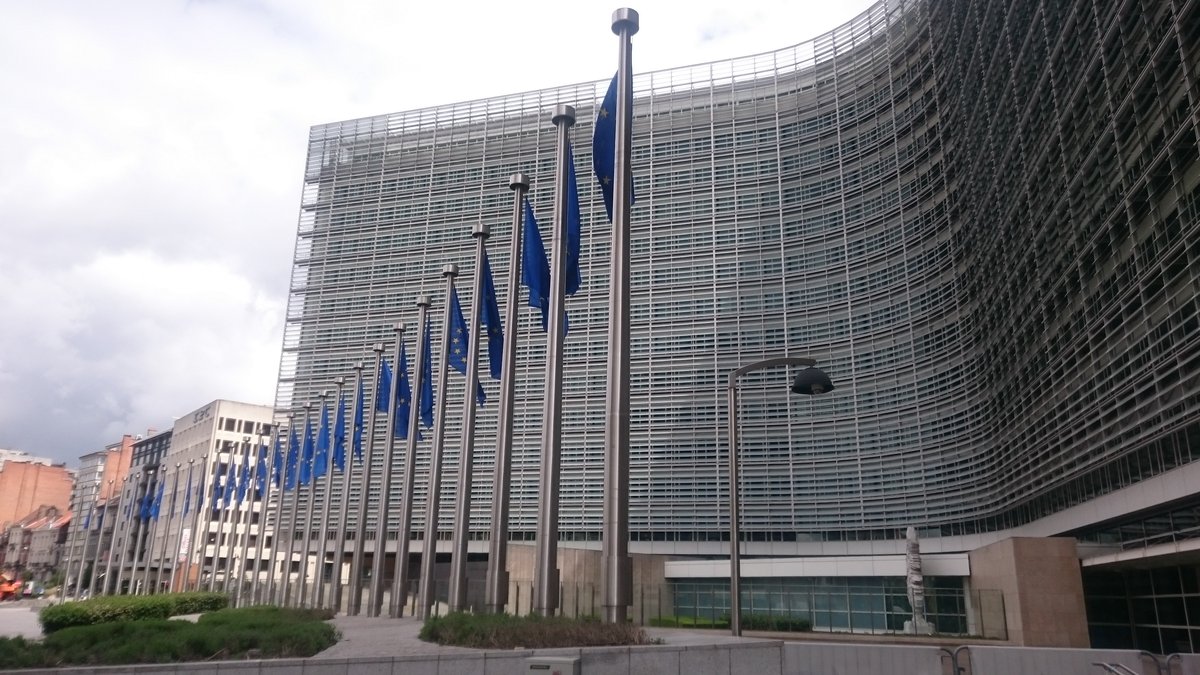
Executive body of the EU that oversees compliance with European law, including the Schengen Borders Code.
Why here: Records notifications about controls but, according to critics, does not effectively verify them.

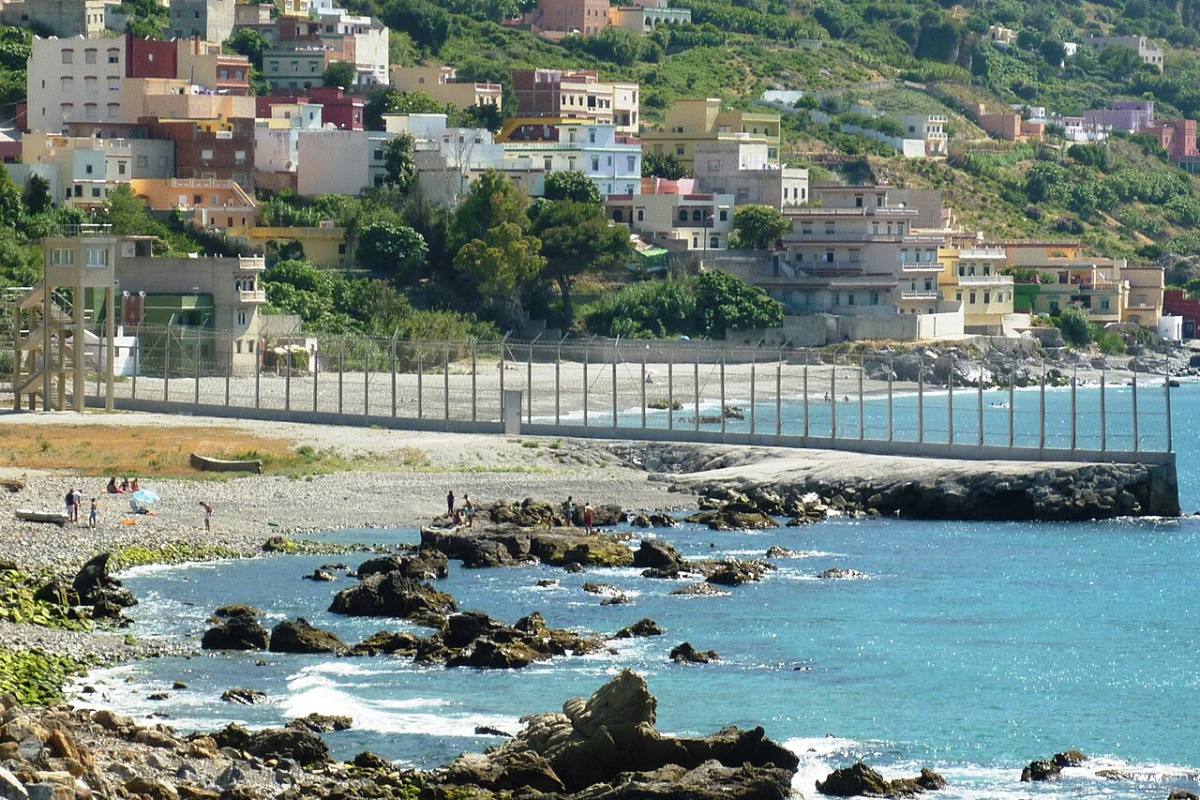
Ceuta
Spanish autonomous enclave on the North African coast, bordering Morocco.
Why here: The surge of tens of thousands of people from Morocco in late July triggered a chain of controls across Europe.
More info →
Giorgia Meloni
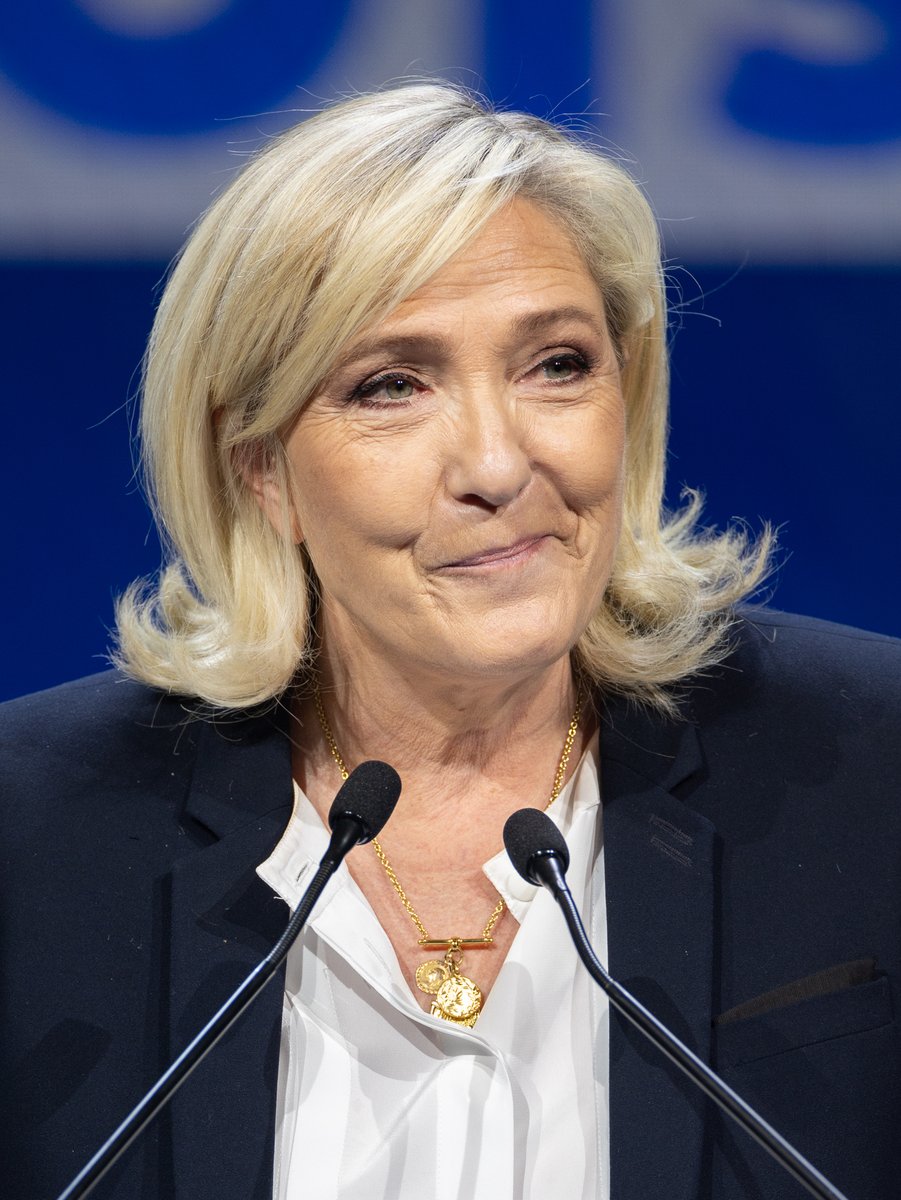
Italian Prime Minister since October 2022, leader of the Brothers of Italy party.
Why here: Her government introduced controls against Spain and demands compensation from Germany for migrants.
More info →
Matteo Piantedosi
Italian Interior Minister, former prefect and career official of the ministry.
Why here: Made negotiations with Berlin about taking migrants conditional on resolving financial responsibility.
More info →
Yle
Finnish public broadcasting corporation, equivalent to STVR or ČT.
Why here: Its analysis provided a cumulative framework that was missing in SK and CZ coverage.
More info →What Yle wrote
Yle bases its analysis on four experts and one map. Professor of European law Jukka Snell from the University of Turku points out that the possibility of temporary controls has been part of the Schengen agreement from the beginning, but can only be introduced when a country faces serious threat. Davide Colombi from the Brussels think tank CEPS speaks of a crisis caused not by migration to Europe but by the behavior of the member states themselves. "As if compliance with Schengen rules were voluntary for Schengen countries," Yle quotes him. Yle ↗The most pointed view comes from Alberto Alemanno, an Italian professor of European law at HEC Paris. The situation where one Schengen country retaliates against another in this manner, he called completely unprecedented. He is most frustrated with the European Commission, which is supposed to oversee compliance with the rules but has not intervened in the chain of controls. According to him, it should threaten countries with litigation at the EU Court of Justice. "And this happens perhaps at the worst possible time, when Europe faces a military challenge from Russia and economic and ideological challenge from the United States," he told Yle. Yle ↗
A counterargument is also voiced. Snell is more lenient toward the Commission and considers the Schengen system still credible. "After all, Finland is undoubtedly a rule of law, even though police don't intervene in everything," he says. The cited experts tend to believe that Schengen will not collapse because the economic benefit of free movement of goods and workers persists. Yle ↗
Commission figures: "temporary" lasts in four countries over seven years
The European Commission maintains a public list of all notifications of temporary reintroduction of controls at internal borders. Its latest version is from August 18 and contains 501 records. HotInfo reviewed them and as of today, eleven notifications from ten countries are valid — Austria, Germany, France, Italy, Spain, Denmark, Sweden, Norway, Poland and the Netherlands. This corresponds exactly to the number cited by Yle. European Commission ↗From the same data emerges something that Yle describes in words. The older part of the list looks completely different from today's: the reason for controls was almost exclusively specific one-off events — G8 and G20 summits, NATO meetings, European football championships in 2008 and 2012, awarding the Nobel Peace Prize in Oslo, climate conferences or a papal visit to Malta. The entries are brief and tied to the date of the event. In today's notifications, such reasons almost never appear, and instead the same formula repeating about a persistent threat is renewed every few months. European Commission — list of notifications ↗
This is most visible when successive notifications of one country are combined into continuous periods, that is, when an interruption is counted only as a gap between the end of one and the beginning of another. Calculated this way, controls on at least part of internal borders run without interruption in Austria since May 2019, in Sweden since February 2019, and in France and Denmark also since 2019. This is not the first such period — most of these states had a continuous series already in 2015-2018, interrupted only by a few-month pause. In all four cases, this is over seven years of uninterrupted duration of a measure that the Schengen Borders Code defines as exceptional and temporary. Germany has had a continuous series since November 2020 and extended it with a new notification until March 2027, thus for more than six years in a row. European Commission — list of notifications ↗
What this shows for Slovakia
Slovak and Czech media picked up one piece of this topic — the extension announced by German Interior Minister Alexander Dobrindt. A TASR news dispatch, published by SME and Teraz.sk, described it as extension of controls on Germany's "external borders." In a Schengen context, this is an unfortunate shorthand, probably from the German Außengrenzen meaning state borders. The notification Berlin sent to the Commission, however, lists land borders with France, Luxembourg, Belgium, the Netherlands, Denmark, Austria, Switzerland, the Czech Republic and Poland — that is, internal Schengen borders. The difference is not formal. A control on the external border of Schengen is a sign that the system works; a control on an internal border is a sign that it is falling apart. TASR/Teraz.sk ↗ SME ↗For a Slovak reader, the same database has a more concrete entry. Austria has been continuously controlling the border with Slovakia since October 4, 2023, thus for almost three years, and the current notification is valid until September 15, 2026. From October 2025, in addition to the land border, a river border is also mentioned. It is not a new story in the sense of an event, precisely because there is nothing to report about it — it is a permanent state that ceased to be news. European Commission — list of notifications ↗
The dispute between Rome and Berlin has meanwhile expanded beyond borders. Italy on Tuesday asked Germany for financial compensation for migrants brought to Italian shores by German private rescue organizations. According to the Italian Interior Ministry, since Prime Minister Giorgia Meloni took office in October 2022, there have been approximately 22,500, with another approximately 4,500 brought by ships under the German flag. Interior Minister Matteo Piantedosi also stated that until the issue of financial responsibility is resolved, Rome will not negotiate with Berlin about taking migrants according to Dublin rules. Aktuality.sk ↗
Read also: [What Europe is writing about: Spain closed border with Italy, drone from Leipzig may belong to Russia, defense pact formed in Mecca](/article/what-europe-writes-about-spain-closed-border-with-italy-drone-from-leipzig-may-belong-to-russia-defense-pact-formed-in-mecca-1327937)
Limits of this perspective
Yle writes for a Finnish audience and this shows in the selection. While Finland does have Schengen land neighbors, Sweden and Norway, those borders run through sparsely populated areas and daily crossings there are incomparably fewer than on the Austrian-Slovak border. The analysis admits this when its own expert Saila Heinikoski from the Finnish Institute of International Relations says that for Finnish travelers, the significance of controls is primarily symbolic and political. For a Slovak commuting to Vienna, it is a more practical matter than a symbol. Yle ↗The second limit is in what Yle does not mention. German, Austrian or Danish notifications are not dominated only by migration — Denmark and Norway mention the risk of Russian sabotage and attacks on energy and logistics infrastructure, Sweden organized crime with links to foreign states. The frame "states abuse rules for domestic audiences" is legitimate, but does not cover the full content of those documents. And finally, none of the cited experts claim that Schengen will fall. Yle asks whether it is falling apart, and the answer it takes from its sources is rather no. European Commission — list of notifications ↗
What HotInfo is monitoring
- Whether Austria will extend controls on the Slovak border after September 15, 2026, or let them expire for the first time since October 2023.
- Whether the Spanish notification ends on September 7 and the Italian one on September 1, or whether the chain of controls between the two countries is extended.
- Whether the European Commission uses the tool that Alemanno is calling for and begins proceedings against some state for unjustified controls.
- How the Italian-German dispute over compensation turns out and whether Rome really refuses to take migrants according to Dublin rules.
- Whether after the September expirations of current notifications, there will be fewer, or whether they will be replaced by further extensions.