
Key actors — tap for context
Tanguy Botman
admiral, commander of the Belgian Navy (Marine Component) since June 2023
Why here: warned in interviews with La Libre of a "capability gap" without frigates and described the Russian shadow fleet as more than a thousand ships behaving like smugglers

Damen
Dutch shipbuilding group, one of Europe's largest warship builders
Why here: together with Thales, building the new Belgian-Dutch anti-submarine frigates (ASWF), whose delivery has been repeatedly postponed
More info →Thales
French defense technology group (sensors, radars, combat systems), whose Dutch subsidiary Thales Nederland is based in Hengelo
Why here: supplies sensors and combat systems for the ASWF frigate program, likewise affected by delays
More info →
Micheál Martin
Irish Prime Minister (Taoiseach); Ireland holds the Presidency of the Council of the EU in the second half of 2026
Why here: leads negotiations among the 27 member states on the EU's future seven-year budget, in which defense is set to receive significantly more money
More info →
Karel Doorman
Dutch World War II admiral, commander of the Allied fleet against the Japanese invasion in 1942
Why here: a class of frigates is named after him, which Belgium also purchased — the same ships now at risk of a gap in service
More info →Kerč Strait
strait between Crimea and Russia connecting the Sea of Azov to the Black Sea
Why here: Russia suspended shipping through it after Ukrainian drone attacks, along with the Don-Azov Canal

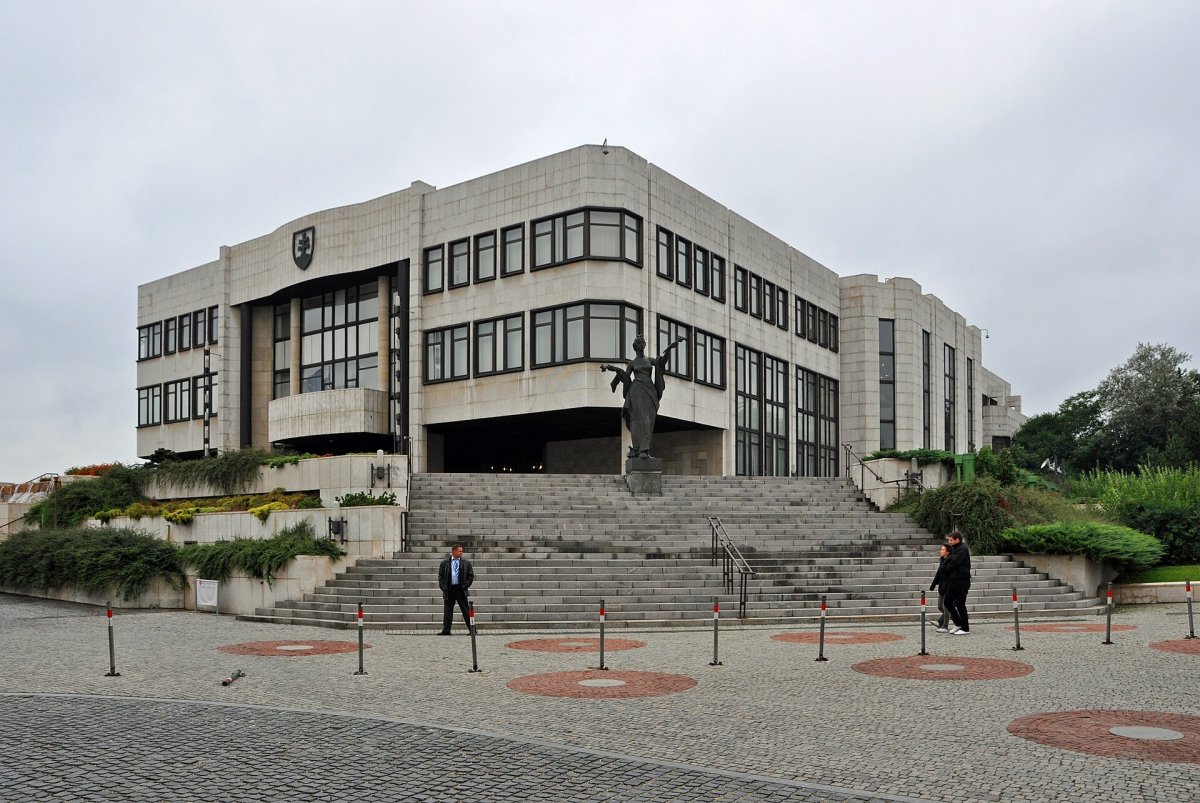
Siegfried Mureșan
Romanian MEP, vice-chair of the European People's Party and the Parliament's longtime budget negotiator
Why here: speaks of raising defense spending in the future EU budget from €15 billion to €135 billion
More info →The frigate that may not arrive until 2034
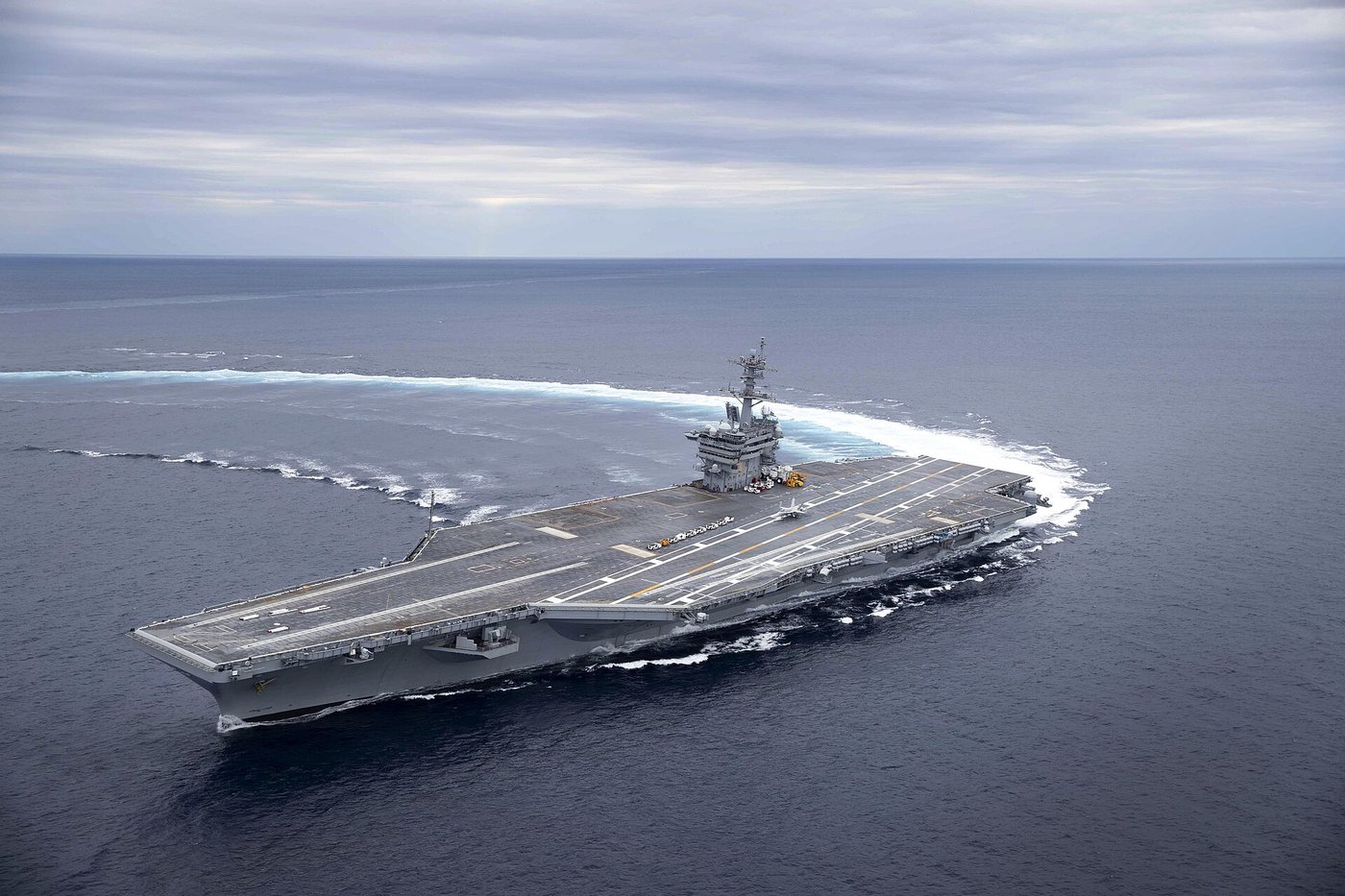
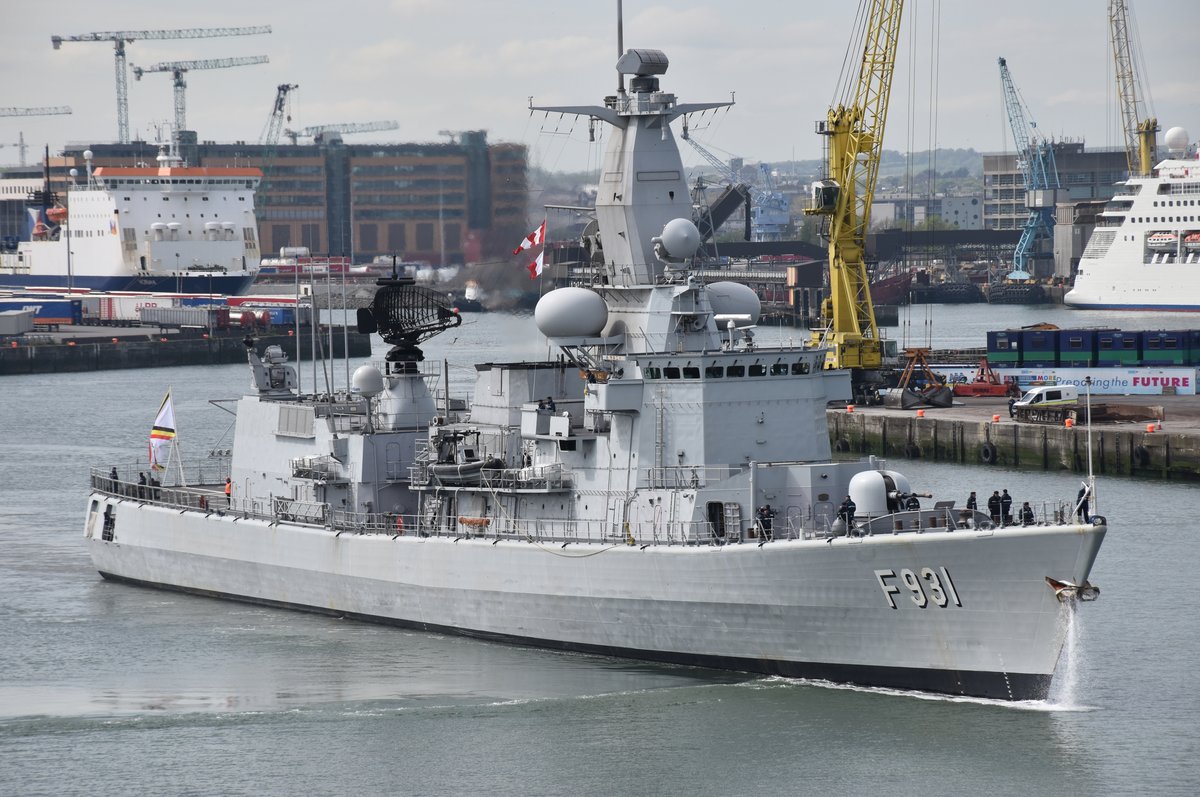
Belgium formally has two frigates today — Léopold Ier and Louise-Marie, originally Dutch Karel Doorman-class ships that Belgium bought from the Netherlands and put into its own service in 2007 and 2008. Léopold Ier is currently out of service in the United States due to an engine fault; its deployment to the Red Sea is planned for October or November 2026, provided the repair and ministry approval both come through in time. Louise-Marie is undergoing maintenance. La Libre ↗Both ships are to be decommissioned by 2031 at the latest. They were meant to be replaced by the joint Belgian-Dutch program for new anti-submarine frigates (ASWF) with shipyard Damen and the Thales group — the original timeline promised deliveries in 2024 to 2029, a second delay pushed that to 2030–2031, and Botman admitted in the interview with La Libre that realistically it will be more like 2033 to 2034. "At some point we won't have a frigate — we risk ending up with a capability gap," he said. According to him, the new ship is meant to last forty years and be continuously upgradeable, since threats keep changing. La Libre ↗
"More than a thousand ships that behave like smugglers"
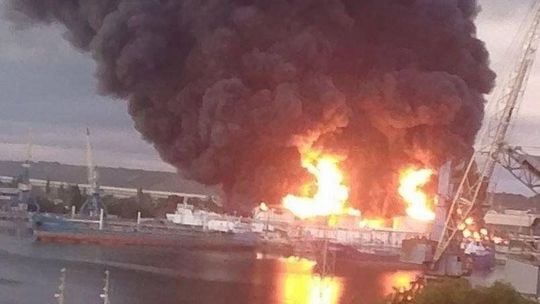
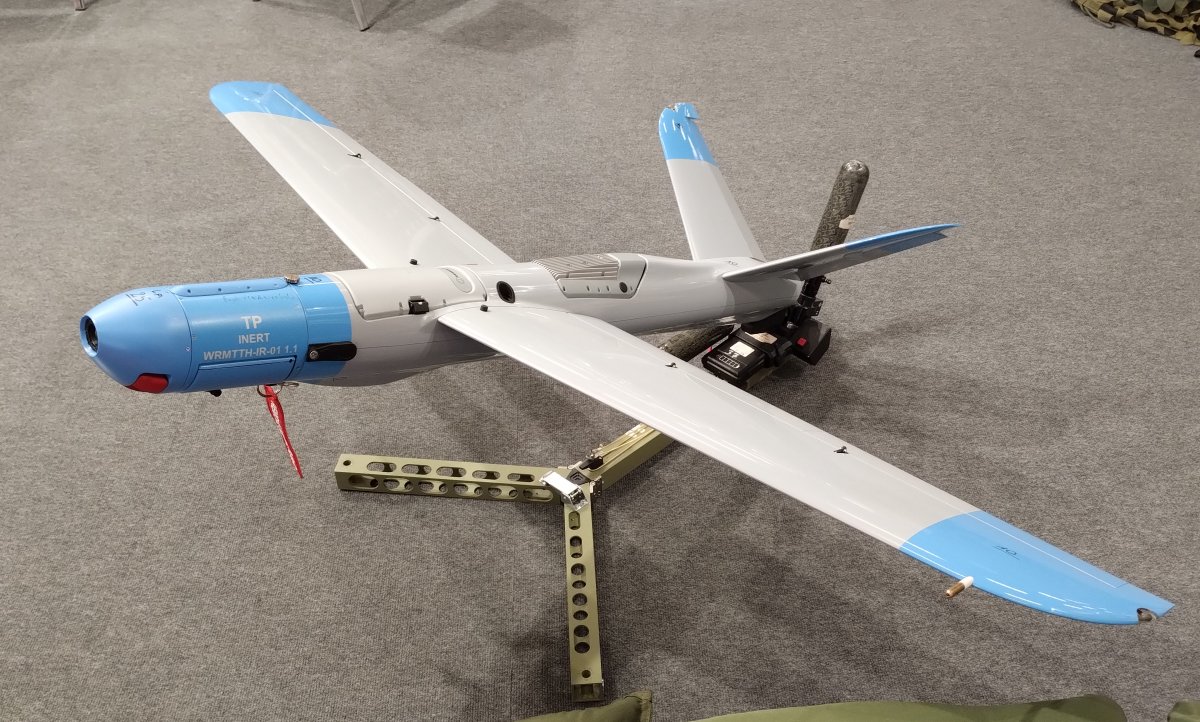
In a second interview for the same newspaper, Botman described what the future frigate will have to face. Russia's shadow fleet — tankers sailing under false or repeatedly changed flags that evade sanctions on Russian oil — has, in his words, "more than a thousand ships that behave like smugglers." This year Belgian forces, together with France, stopped and inspected the tanker Ethera, which was sailing under a false flag. Since then, according to the admiral, shadow fleet ships have preferred to avoid the English Channel west of Britain, and are increasingly escorted by Russian warships. In the Baltic Sea, he said, Russia repeatedly "drags anchors" along the seabed and severs undersea cables. La Libre ↗That very same fleet is right now under direct fire — just from the opposite side. On the night before Saturday, according to Russia, Ukrainian drones struck four vessels in Taganrog Bay in the Sea of Azov, including a methanol tanker, killing one sailor. This followed several days of a Ukrainian campaign during which, according to sources in Kyiv, drones struck more than a dozen tankers near Crimea, forcing Russia to suspend shipping through both the Kerch Strait and the Don-Azov Canal. Bloomberg ↗ Kyiv claims that near Crimea alone it struck thirteen shadow fleet vessels. Aktuality.sk ↗
What isn't being reported at home — and why the EU is scrambling for money mainly for defense
Slovak and Czech websites reported on the Ukrainian strike on the tankers this week in near-unison — Pravda, Aktuality, teraz.sk, hnonline.sk, Seznam Zprávy, and ČT24. Pravda.sk ↗ Botman's warning about the gap in the Belgian fleet went unnoticed here — yet it shows the other side of the same coin. While Ukraine is destroying the fleet by force, the Western European states those same tankers routinely pass through are not certain they will be able to guard it with their own ships. The Belgian case is not an isolated one — the same Damen-Thales program is also building frigates for the Netherlands, where delivery of the first ship has likewise slipped to 2033. Brussels Times ↗Connected to this is a fresh dispute over the EU's future seven-year budget for 2028 to 2034. MEP Siegfried Mureșan, one of the European Parliament's main negotiators, is talking about raising defense spending from roughly €15 billion to €135 billion — the Parliament considers the sum agreed before Russia's invasion of Ukraine to be clearly insufficient. Negotiations among the 27 member states are being led, through the end of the year, by Irish Prime Minister Micheál Martin, whose country currently holds the Presidency of the Council of the EU. The Journal ↗
Limits of this perspective
La Libre is a Belgian Francophone daily focused mainly on domestic politics rather than European security strategy, and Botman's interview also serves a fairly down-to-earth purpose — a service commander publicly dramatizing an equipment shortfall is thereby laying the groundwork for budget negotiations with his own government. What's more, the Belgian navy is tiny, with just two frigates, so a "gap" in it will not by itself determine European security — what remains decisive are the larger fleets of Britain, France, Germany, the Netherlands, Denmark, and Sweden. Even so, the nearly decade-long slippage of the joint Belgian-Dutch program is concrete evidence that the problem of warship construction in Europe extends beyond a single country.What hotinfo is following
- Whether delivery of the ASWF frigates slips again past 2033/2034 — the next announcement from Damen, Thales, or the Belgian or Dutch defense ministry
- The engine repair on the frigate Léopold Ier and its planned deployment to the Red Sea in October or November 2026
- Further actions by Belgium or France against Russian shadow fleet ships in the English Channel or North Sea
- The outcome of negotiations on the defense chapter of the EU's future seven-year budget (MFF 2028–2034) by the end of 2026 under the Irish Presidency
- Whether further Ukrainian strikes on the shadow fleet near Crimea and Azov force a more direct European response
Also read: Britain seizes a Russian shadow fleet tanker in the Channel for the first time. An invalid flag was decisive