





Key actors — tap for context

Maroš Šefčovič
Slovak European Commissioner for Trade and Economic Security at the European Commission.
Why here: He pushed through the duty on small parcels as the commissioner responsible for EU trade.
More info →Temu
A Chinese online marketplace owned by PDD Holdings, known for extremely low prices.
Why here: One of the main targets of the new duty — most shipments come from China.
More info →Shein
A Chinese fast-fashion giant that ships goods directly from Asian warehouses.
Why here: The second major platform directly affected by the measure.
More info →
AliExpress
A Chinese online marketplace owned by the Alibaba Group.
Why here: The third major platform affected by the abolition of the customs exemption.
More info →
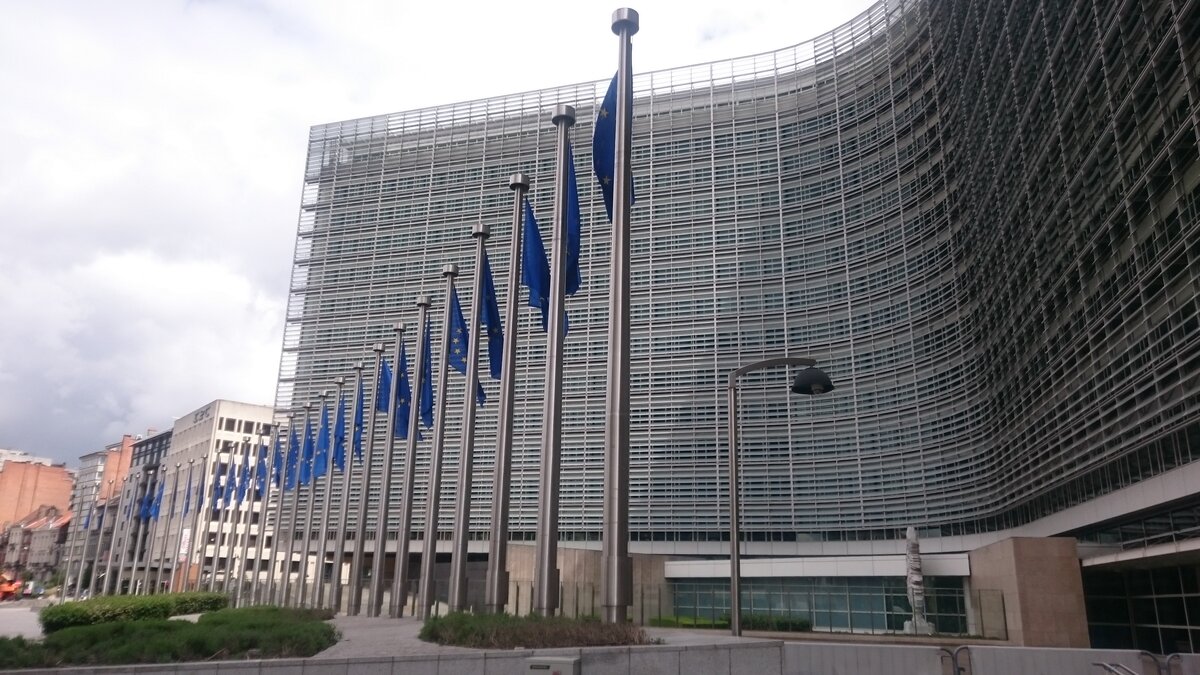
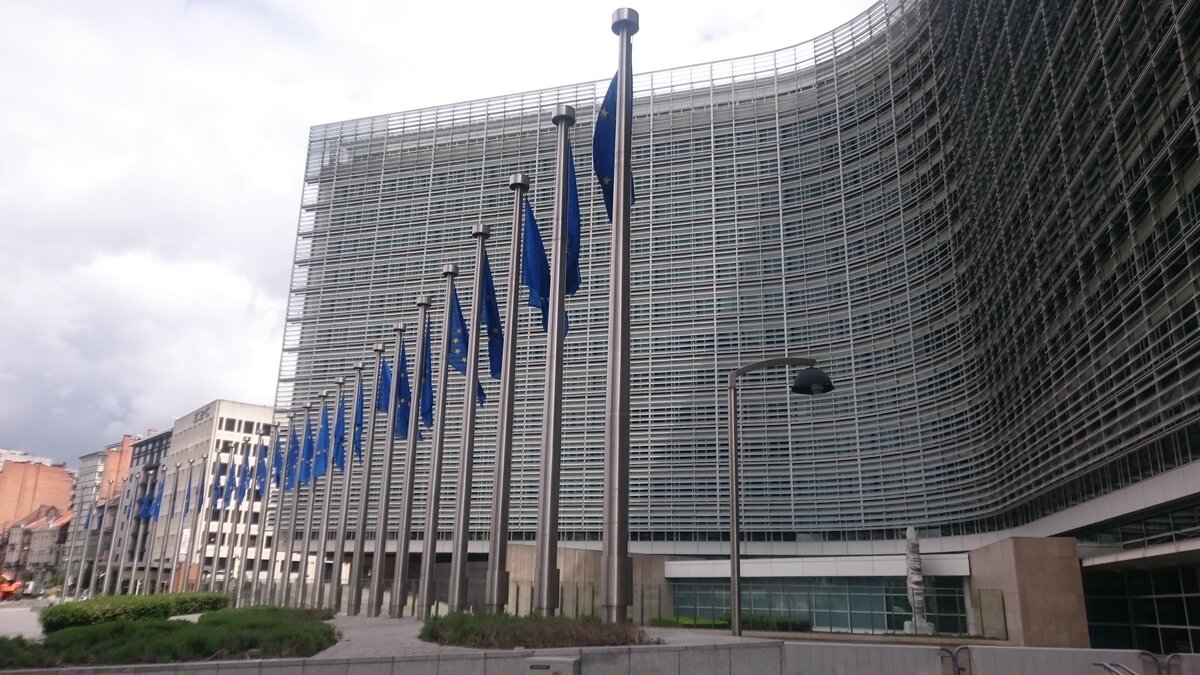
Európska únia
A community of 27 states with a common customs policy and external border.
Why here: It has introduced a fixed customs duty and is abolishing the de minimis customs exemption for parcels up to €150.
More info →Ľubomíra Murgašová
Tax advisor at the consulting firm Grant Thornton.
Why here: She explains how the new fee is calculated for individual customs categories.
The end of the "free up to €150" rule
Until now, a simple rule applied: if you ordered goods worth up to €150 from a Chinese e-shop, you paid no customs duty. The Union decided to abolish this exemption (known in customs jargon as "de minimis") two years earlier than originally planned — under pressure from several member states led by France, which claimed that platforms like Shein and Temu were circumventing the €150 threshold by artificially splitting orders into smaller shipments and undervaluing their price. Euronews ↗This isn't just a plan on paper. Ministers of the member states politically approved the measure in December 2025, and in early 2026 it underwent formal legislative approval, so as of July 1 it is binding for all states, including Slovakia. For now, this will be a temporary regime intended to remain in place until 2028 — by which time Brussels wants to build a centralized customs IT infrastructure and launch a full-fledged customs reform. Rada EÚ ↗
How much you'll actually pay: €3 per category, not per parcel
This is where the most important detail lies — one that was often lost in the initial reports. The measure was originally described as a flat "€3 per parcel" fee, but in reality the €3 is charged for each distinct customs category (customs nomenclature code) in a shipment. The difference is not small. "If you order a T-shirt and a USB cable in a single parcel directly from a third country, you'll pay €6 extra. Each product falls into a different customs category," explains tax advisor Ľubomíra Murgašová of Grant Thornton. A parcel containing a smartphone, a charger and headphones would thus trigger three separate fees, i.e. €9. SITA ↗What determines this is the customs classification of the goods: five identical T-shirts belong to a single category and you'll pay the duty only once, but a wool T-shirt and a synthetic T-shirt each fall under a different subcategory, so you'll pay for them twice. On top of the duty, VAT is also added, which has been levied on shipments since 2021. And that's not all — starting in November 2026, a handling fee is set to be added for most shipments from third countries, intended to cover the administrative costs of customs authorities. Its exact amount has yet to be set by the Commission; for now, a figure of around two euros is being mentioned. VATCalc ↗
Why the EU is doing this — and what role a Slovak plays in it
The figures behind the measure are staggering. In 2024, 4.6 billion shipments worth up to €150 arrived in the Union — an average of 12 million parcels a day — and more than 91 percent of them came from China; by comparison, in 2022 the figure was "only" 1.4 billion. Last year, according to the British newspaper The Guardian, the volume grew to almost six billion. The Guardian ↗The face of the measure is the Slovak European Commissioner for Trade, Maroš Šefčovič. "With e-commerce growing rapidly, the world is changing fast and we need the right tools to keep pace," he stated, according to European media, adding that the decision on duty for small shipments is important for fair competition at the Union's borders. Brussels argues that European sellers who comply with duties and standards cannot compete against a flood of duty-free goods that often fail to meet safety standards. WWD ↗
How this will show up at checkout
In practice, the customer does not pay the duty at customs. It is paid by the so-called importer — which can be the platform itself, the seller, or the carrier — and the cost is passed on to you. Large platforms like Temu and Shein will likely include both the duty and VAT directly in the cart price, similar to how they handle tax today, so you'll see the full amount before placing your order. Where the fee is not collected at the time of purchase, the post office or courier will request it before delivery. RTÉ ↗Some merchants are adapting to the new reality even before it takes effect. Shein has been moving goods into warehouses within the Union for months — it opened a distribution center in Poland, for example — and goods that are already in the EU are not subject to the new duty. Other platforms may adopt a similar model. For customers, this could mean faster delivery for a select range of products, but higher prices for everything that still arrives directly from China. The Guardian ↗
What hotinfo is watching
- Whether and by how much Temu, Shein and AliExpress will raise final prices for Slovak customers after July 1, or whether they will absorb the fee out of their margins.
- What the final amount of the handling fee to be added in November 2026 will be — its parameters are still being finalized.
- Whether the temporary regime (in effect until 2028) will be replaced by the announced centralized EU customs IT infrastructure and a full-fledged customs reform.
- Beijing's response and the risk of trade friction, since the measure affects almost exclusively Chinese platforms.