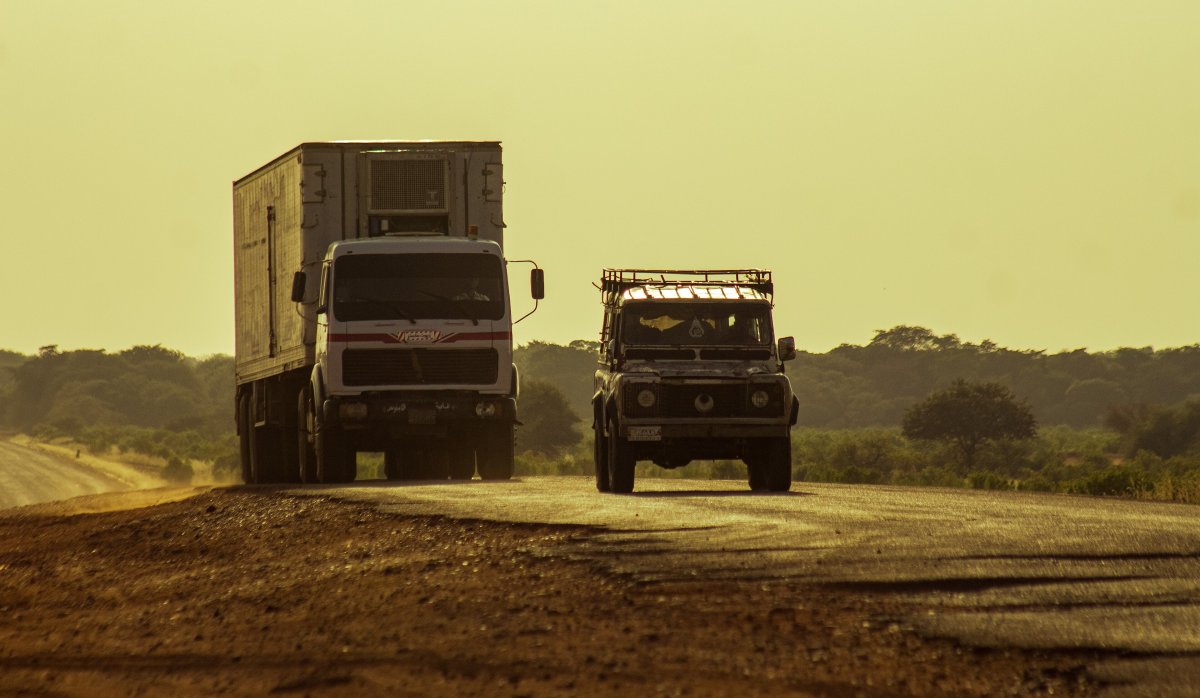
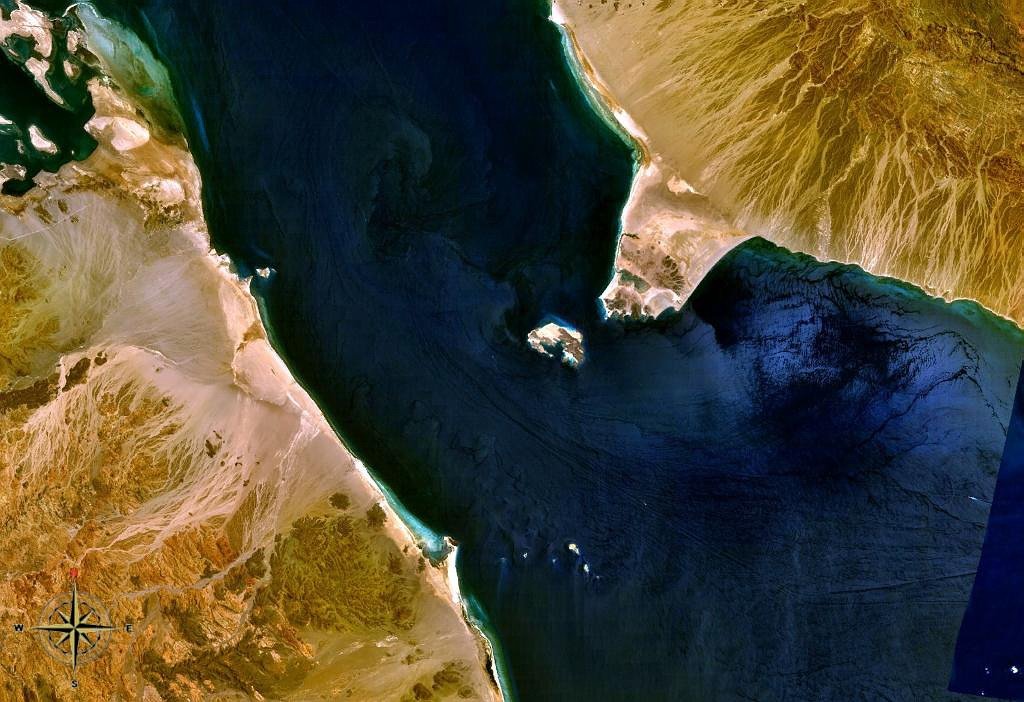
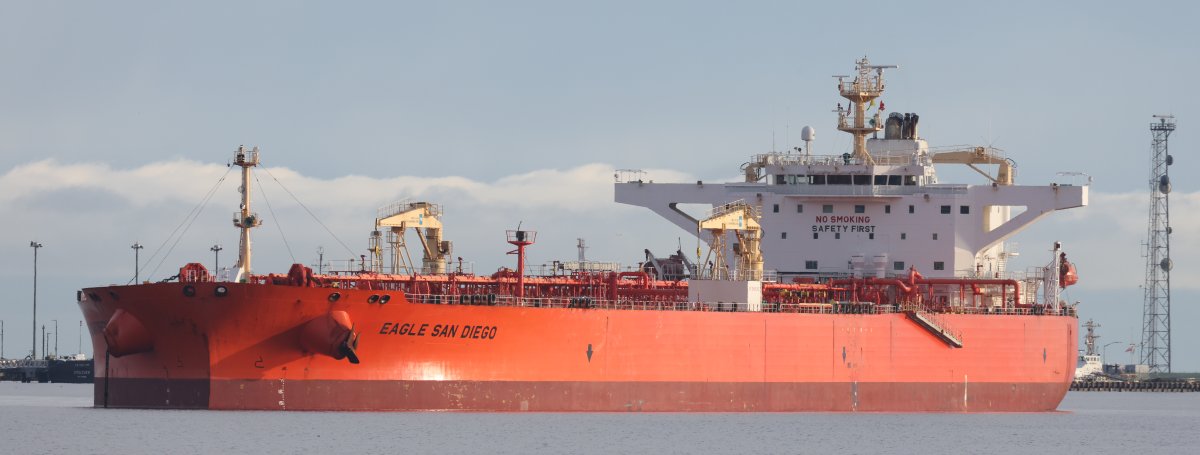
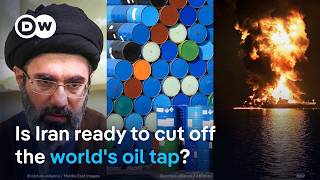
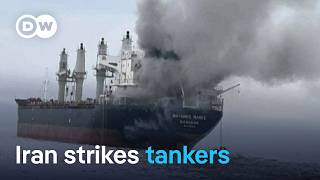
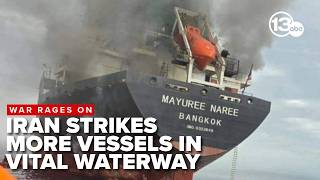
Roughly a fifth of the world's oil flows through this strait between Iran and the Arabian Peninsula. Every missile over the Persian Gulf therefore quickly translates into prices at gas stations from Bratislava to Seoul. A war that after a hundred days had seemed frozen turned over the weekend into a global economic problem. ANSA ↗
Why the world hangs on a single strait
At its narrowest point, the Strait of Hormuz is just over 30 kilometers wide, yet it is the planet's most important oil chokepoint. Besides roughly a fifth of the world's oil, it also carries a significant share of liquefied natural gas from Qatar. There is no full-fledged alternative route — the pipelines that bypass the strait via Saudi Arabia and the United Arab Emirates can absorb only a fraction of the volume.Markets therefore react with panic to Hormuz even at the mere threat. A risk premium has been built into the oil price since March, when the conflict broke out, but Monday's strikes and Iranian rhetoric sharply increased it. It was precisely the uncertainty surrounding unimpeded shipping that sent both Brent and American WTI more than four percent higher. ANSA ↗
Tehran raises both fees and threats
Meanwhile, Iran has opened two pressure points at once. The semi-official Iranian news agency Tasnim reported over the weekend that Tehran is preparing regulations that would charge fees to ships passing through Hormuz — officially for "maritime security and environmental protection." According to Iranian Vice President Shina Ansari, quoted by the agency, the strait falls within the territorial waters of Iran and Oman, and the coastal states therefore have the right to charge fees. However, Hormuz is an international waterway where, under maritime law, the right of innocent passage applies — Iran's claim to charge for transit is therefore disputed and is not recognized by either Western or Gulf states. The amount of the fees has not yet been set.The second pressure point is threats. Ali Akbar Velayati, an adviser to the Supreme Leader, declared that the "circles of resistance" are capable of blocking both straits — Hormuz and Bab al-Mandab at the entrance to the Red Sea. In parallel, Yemen's Houthis declared on Monday a "complete ban" on the passage of Israeli ships through the Red Sea — for now, however, this remains a declaration by the group, not a verified blockade of the strait. Al Jazeera ↗
Markets tally the damage
The stock market reaction was harsh. In Asia, the South Korean index plunged nearly nine percent, Tokyo's Nikkei lost 3.85 percent, and Taiwan, Hong Kong, and Shanghai also closed in negative territory. European and American futures also pointed to a negative open. Besides Middle East tensions, a sell-off in technology stocks also contributed to the decline. Al Jazeera ↗Besides oil, natural gas also became more expensive — the European benchmark jumped six percent to €51.4 per megawatt-hour, a rise to which a strike in Australia also contributed. Paradoxically, gold, traditionally a "safe haven," fell (by 3.8 percent), which traders attribute to sell-offs to cover losses elsewhere. German factory orders also came in weaker than expected, falling 3.8 percent in April. ANSA ↗
The OPEC+ oil cartel did agree on Sunday to raise production by 188,000 barrels per day starting in July, but analysts described it as a largely symbolic step that will not resolve the tight balance. ANSA ↗
What this means for Slovakia and the EU
For the Slovak and European consumer, the chain is simple: a higher world oil price feeds through into gasoline and diesel prices at the pump with a lag of two to three weeks. At the same time, the jump in the European gas benchmark is raising energy costs for households and industry just as the European Central Bank was hoping for further cooling of inflation. If prices stay above $95 for longer, inflation expectations in the eurozone could rise again.The political background to the entire escalation — the rift between Donald Trump and Benjamin Netanyahu after Israel struck Iran despite Trump's call for restraint — we have covered separately.
Read also: Israel struck Iran despite Trump: "I decide everything." The alliance cracks after 100 days
What hotinfo is watching
- Whether Iran proceeds to a physical blockade of Hormuz or Bab al-Mandab, or stays with fees and threats.
- Whether OPEC+ raises production beyond the symbolic 188,000 barrels per day if Brent stays above $95.
- How quickly and by how much the rise in oil prices feeds through into fuel prices in Slovakia and the eurozone.
- Whether the deal with Iran that Trump signaled for "Monday, Tuesday, or Wednesday" will calm the markets, or remain unfulfilled.