
Key actors — tap for context

Sándor Pintér
Hungarian interior minister from 1998 to 2002 and from 2010 to 2026
Why here: his ministry moved into the renovated palace
More info →
Mihály Varga
longtime Hungarian finance minister, now governor of the central bank
Why here: the building was prepared for years for his ministry
More info →
Viktor Orbán
Hungarian prime minister from 1998 to 2002 and from 2010 to 2026
Why here: the renovation took place under his government
More info →
Péter Magyar
leader of the Tisza party, Hungarian prime minister since May 2026
Why here: presented the palace in a video shortly after taking office
More info →444.hu
Hungarian news portal
Why here: requested and published the breakdown of furniture costs

Budapest
capital of Hungary
Why here: the palace stands on Holy Trinity Square in Buda Castle
More info →What cost how much
The breakdown that 444.hu obtained is specific. Nineteen coat racks at 475,000 forints each. The minister's desk for 8.2 million, his meeting table for 15.7 million. Most of the desks for top management were bought at 2.18 million each, the chairs for them came to just over a million, and the chairs for the secretariats cost 740,000 forints apiece. HVG ↗ Telex ↗On top of that come nineteen hand-knotted carpets at 5.2 million forints each, 220 armchairs for 187 million in total and 95 sofas for 125 million in total. Overall, more than two billion forints was spent on furniture for the building. HVG ↗ Telex ↗
At the Hungarian National Bank's exchange rate of 23 September 2026, i.e. around 363 forints to the euro, that means a coat rack for over 1,300 euros, the minister's desk for over 22,000 and a single carpet for roughly 14,000 euros. The furniture comes to over 5.5 million euros in total, and the renovation of the building to roughly 190 million.
A building that was waiting for a different minister
More interesting than the prices is the question of who the palace was being prepared for. According to 444.hu, everything was ordered by a subordinate institution of the Ministry of Finance, for years in the belief that the then finance minister Mihály Varga would move into the building. In the meantime, however, he became governor of the Hungarian National Bank, and the palace ultimately went to Sándor Pintér's Interior Ministry. 444.hu ↗ HVG ↗The timeline is tight, though. The Interior Ministry moved into the building in February 2025. Elections were held in April 2026 and were won by Tisza; on 9 May parliament elected Péter Magyar prime minister, and three days later he presented the palace in a video. Pintér, who had headed the ministry since 2010, has meanwhile left. 444.hu published the cost breakdown on 23 September 2026. 444.hu ↗ Telex ↗
Limits of this view
The figures come from a reply to a freedom-of-information request, which 444.hu published and HVG and Telex picked up. They are therefore data from an office, not a finding of a state audit, and they say nothing about whether the procurement complied with the rules.The sources name the purchaser, i.e. the then subordinate institution of the Ministry of Finance, but not the specific people who decided on the choice of furniture.
The euro conversions are approximate. The purchases took place in the years before the building was completed, when the exchange rate was different from today's, and the sources do not give the exact dates of the individual orders.
What hotinfo is watching
- The Hungarian State Audit Office or another body has examined the furniture procurement
- The interior ministry or its former leadership has commented on the cost breakdown
- It has emerged who at the ordering institution decided on the purchases and under what tender
- The government has announced what happens next with the palace on Holy Trinity Square
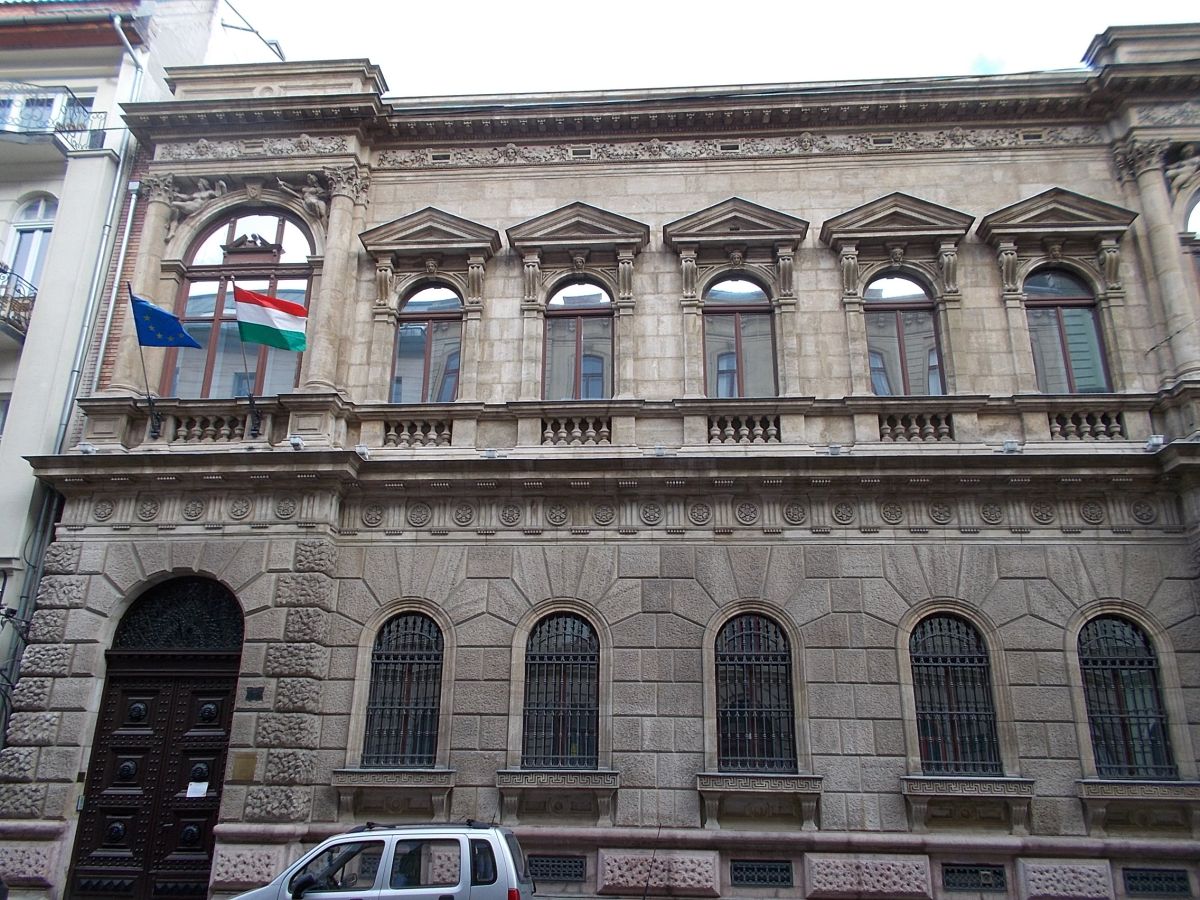
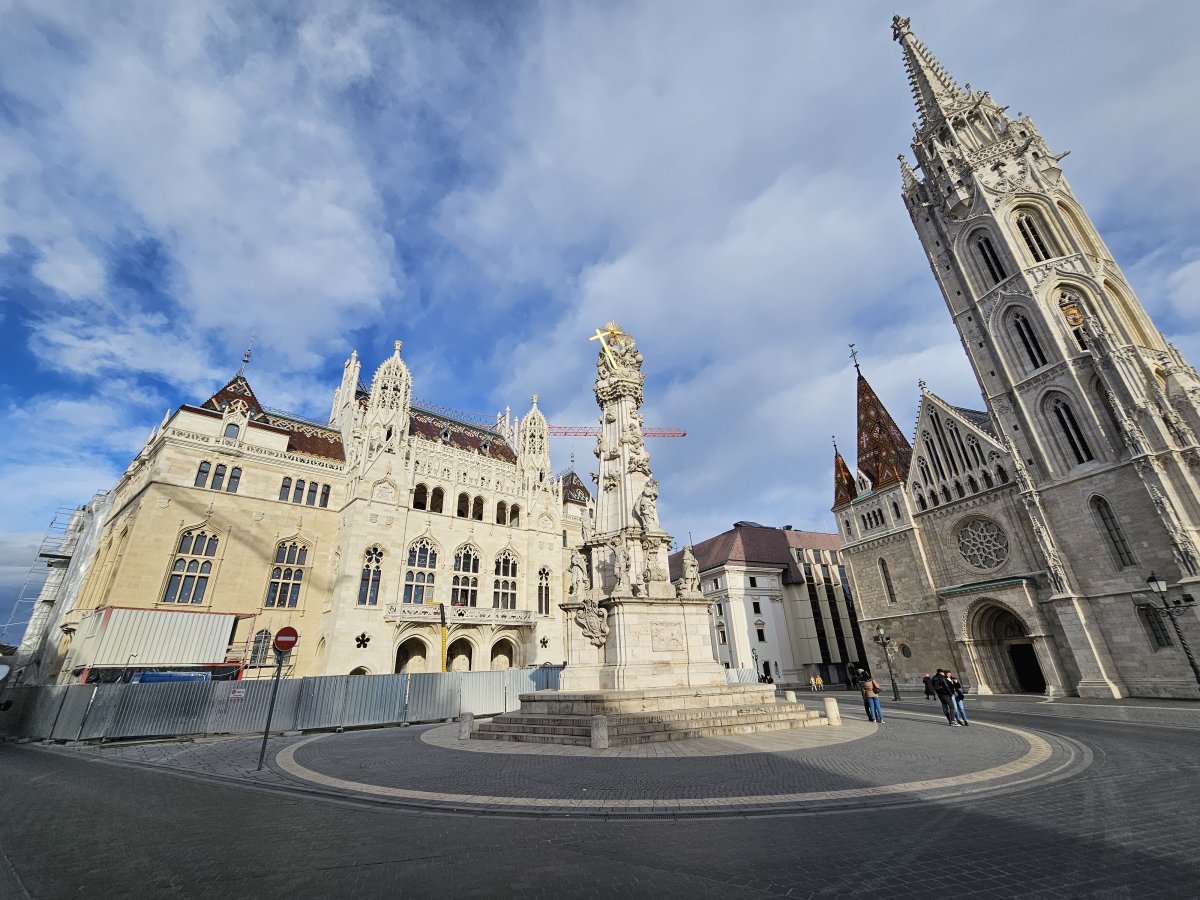
Illustrative photo: Holy Trinity Square in Buda Castle, with the renovated building of the former Ministry of Finance on the left and Matthias Church on the right. The photo is from January 2024, i.e. taken during the renovation. Author Pan Peter12, Wikimedia Commons, licence CC0.