


Key actors — tap for context
Mathias Corvinus Collegium
A private educational institution in Budapest founded in 1996 that provides free talent and scholarship programs from secondary school through adulthood.
Why here: The foundation managing it held the largest assets of all dissolved foundations with nearly 575 billion forints.
More info →
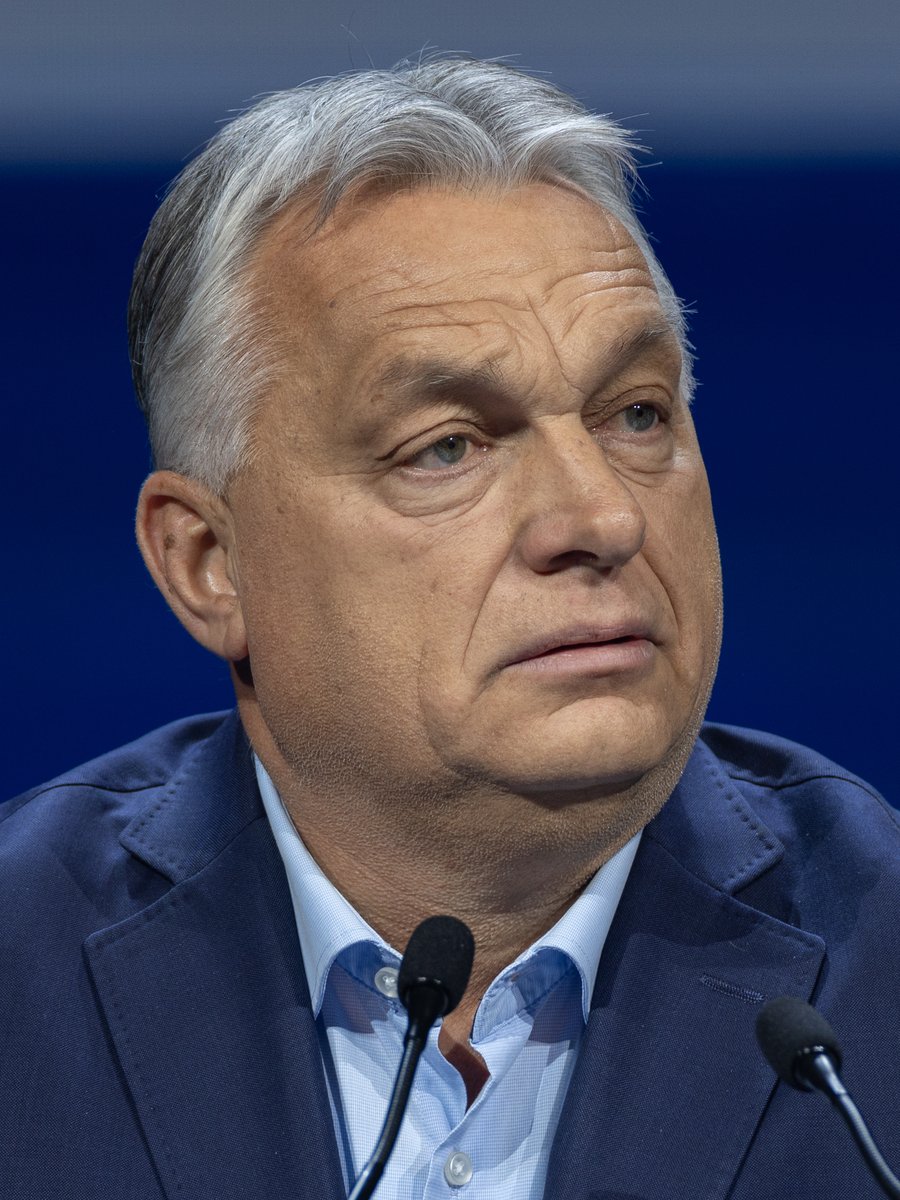
Balázs Orbán
A Hungarian lawyer, political scientist and politician who was the political director of Viktor Orbán during his premiership. He is not his relative, although they share the same surname.
Why here: He led the board of trustees of the Mathias Corvinus Collegium foundation.
More info →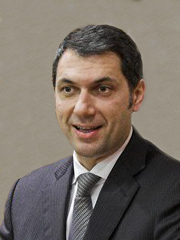
János Lázár
A Hungarian politician of the Fidesz party and member of parliament, minister in several Orbán governments.
Why here: He chaired the board of trustees of the Jövő Nemzedék Földje foundation, which managed nearly 108 billion forints.
More info →
János Áder
A Hungarian lawyer and politician, president of Hungary from 2012 to 2022.
Why here: He led the climate foundation Kék Bolygó and turned to the court over its dissolution.
More info →
Mária Schmidtová
A Hungarian historian and businesswoman, long-time director of the House of Terror museum and institutions of the 20th and 21st centuries.
Why here: The foundation established in 1999, which housed the museum, lost its public duties.
More info →
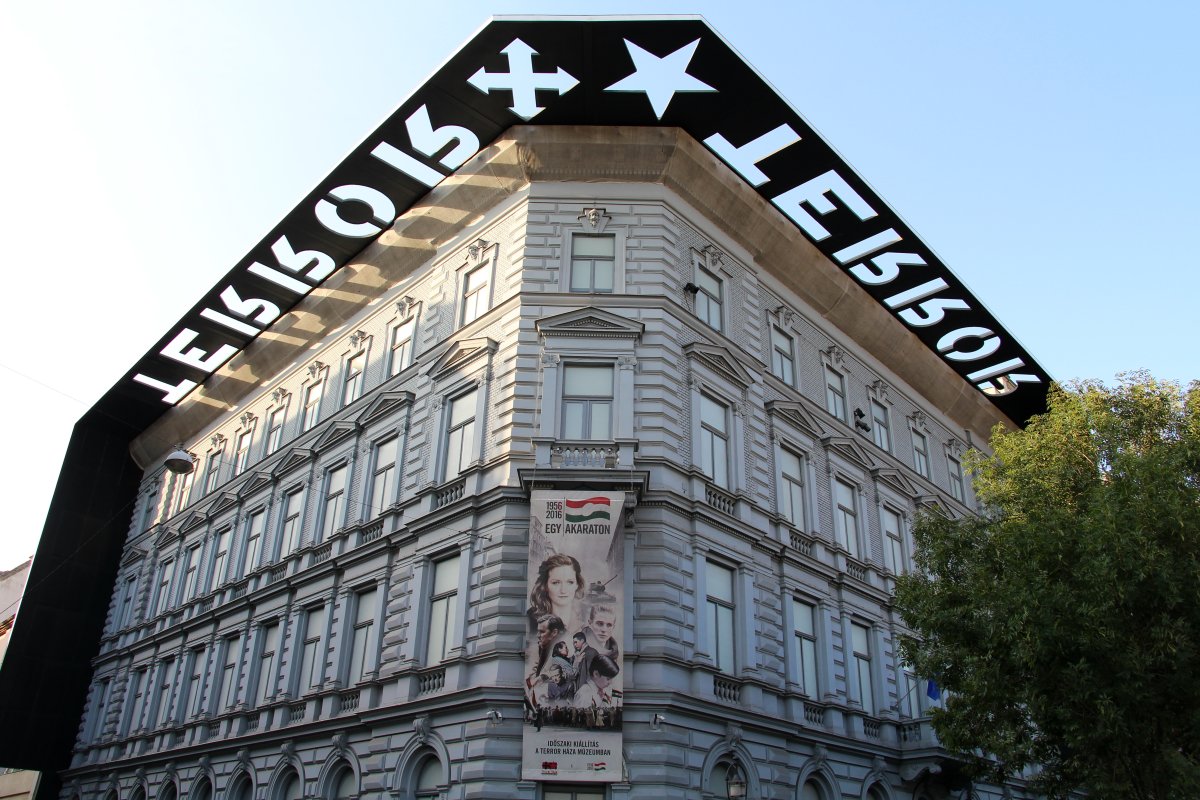
House of Terror
A museum on Budapest's Andrássy Avenue at number 60, opened in 2002 in memory of victims of communism and fascism.
Why here: Its management was transferred to a subsidiary of Városliget Ingatlanfejlesztő.
More info →
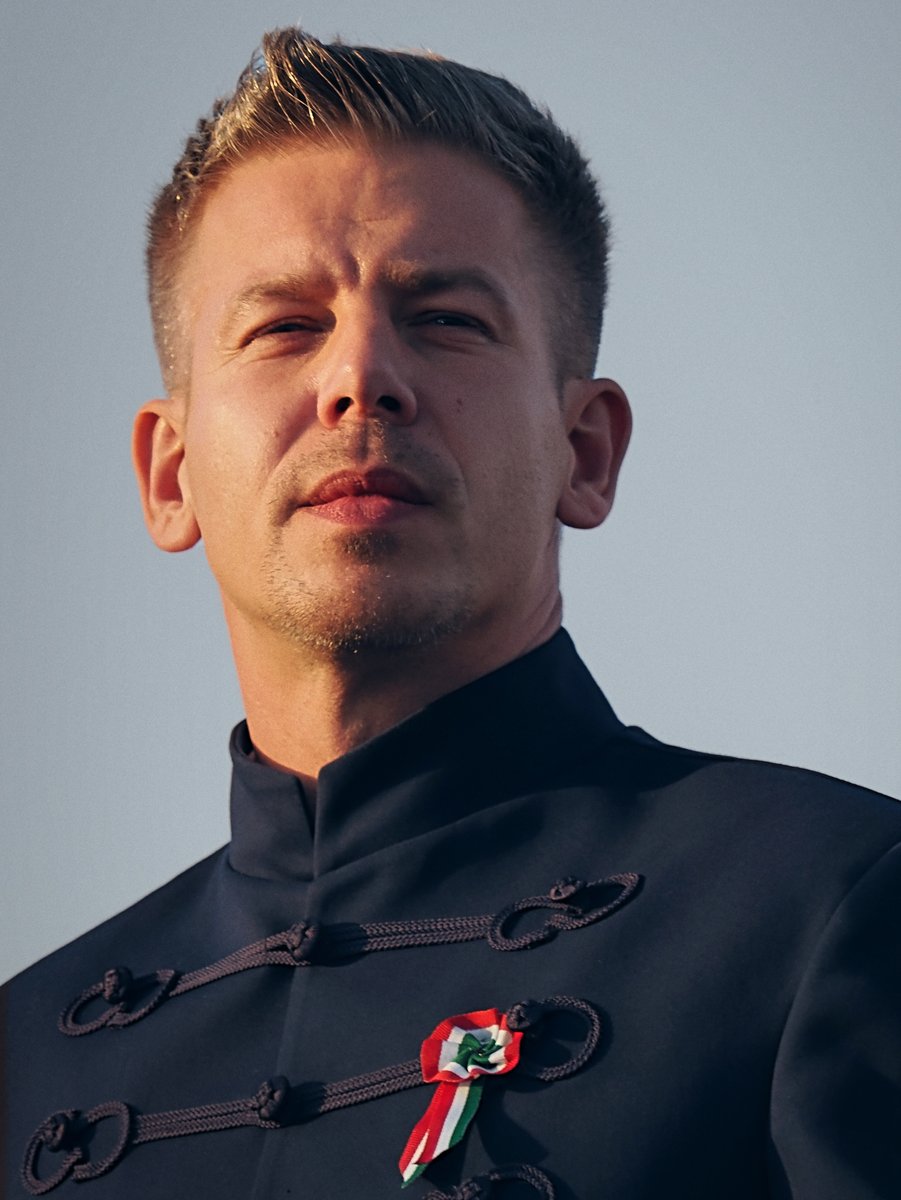
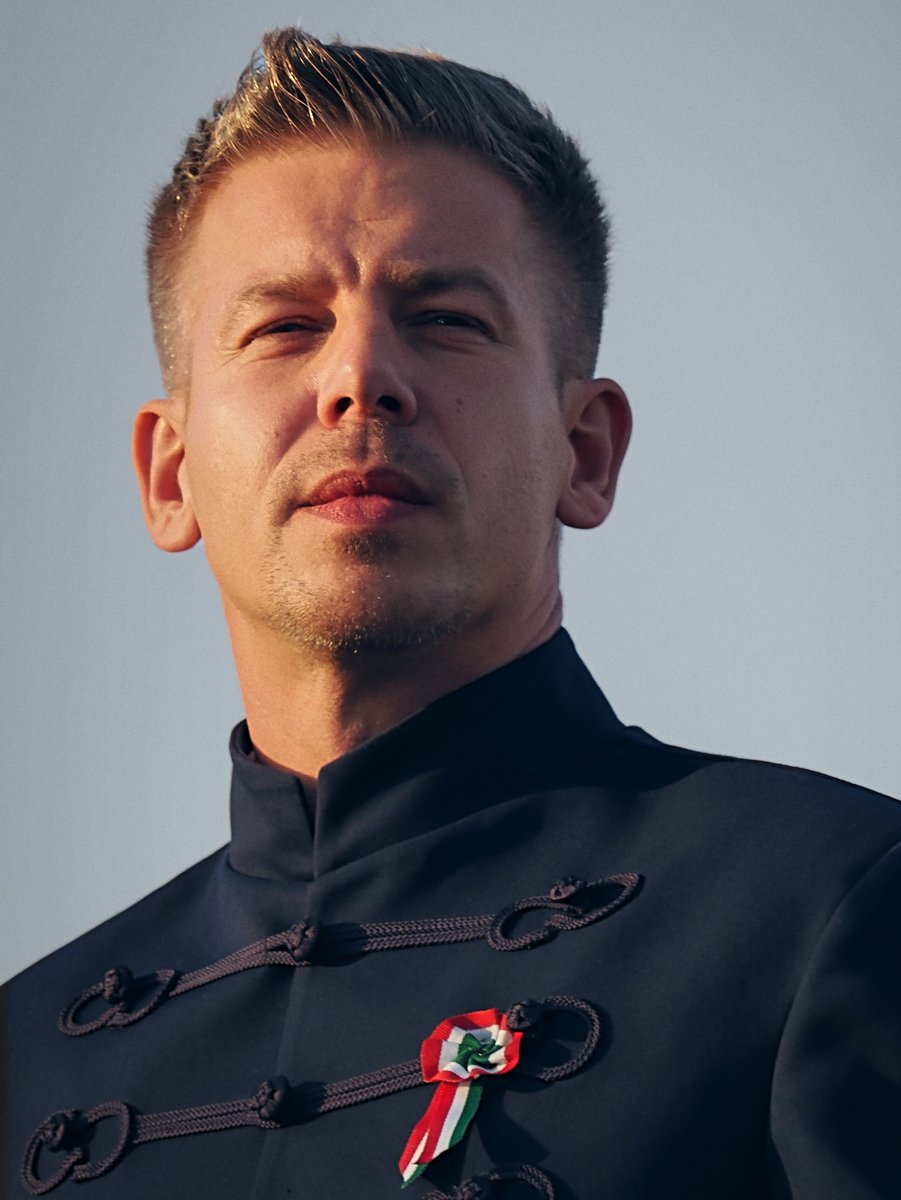
Dávid Vitézy
A Hungarian transport expert and politician, minister of transport and investments in the government of Péter Magyar.
Why here: He stated that Hungary met all legislative conditions for releasing EU funds.
More info →
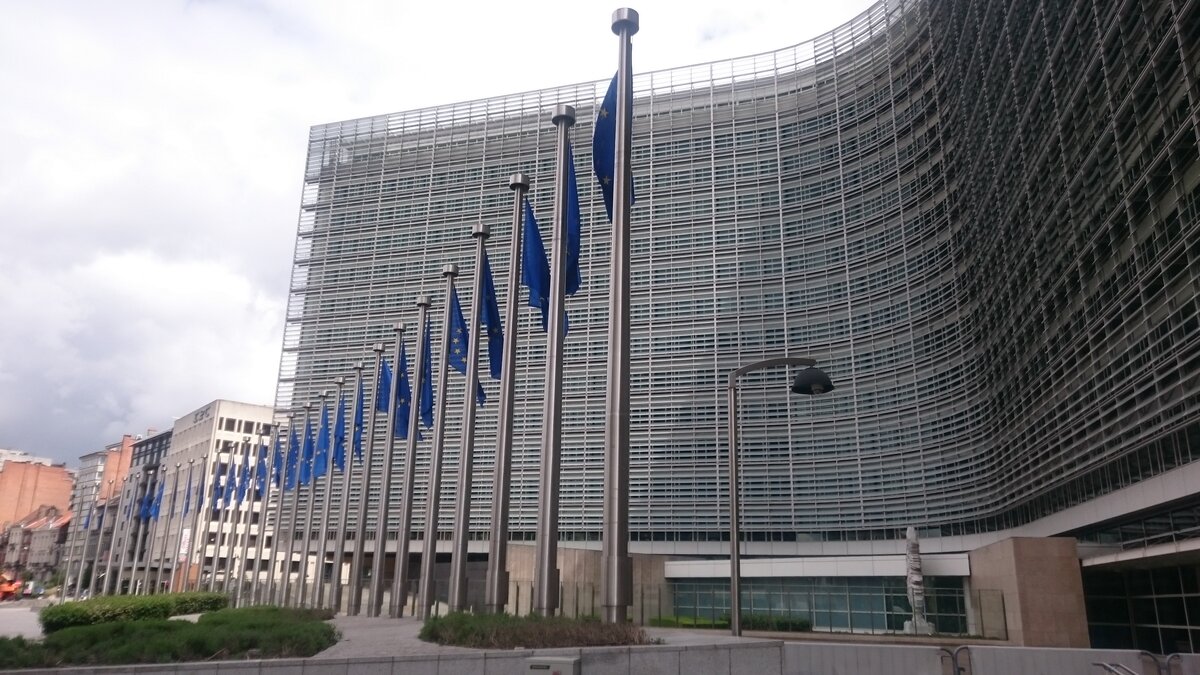
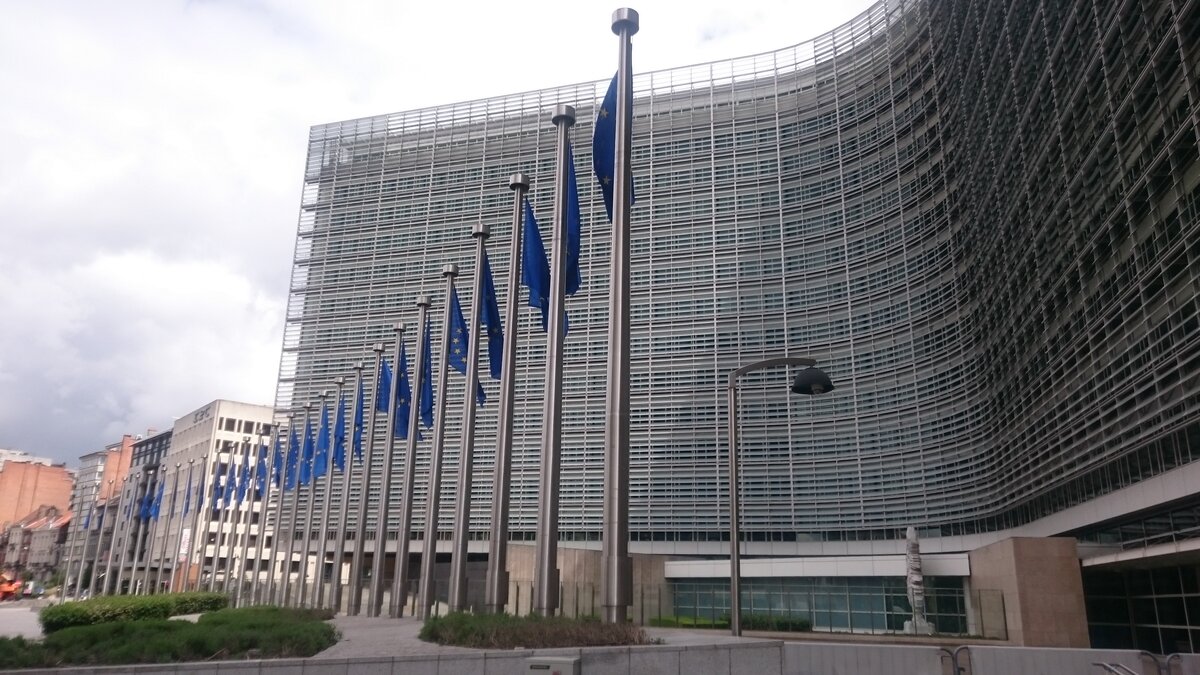
European Commission
The highest executive body of the European Union that proposes legislation and oversees its compliance.
Why here: It had for years warned about conflicts of interest in the foundations. It responded that Budapest's statements are premature.
More info →Leading figures of the former government sat on the boards of the dissolved foundations. The largest assets, nearly 575 billion forints, were managed by the Mathias Corvinus Collegium foundation, whose board of trustees was chaired by Balázs Orbán. János Lázár chaired the Jövő Nemzedék Földje foundation with assets close to 108 billion, former president János Áder chaired the climate foundation Kék Bolygó and Szilárd Demeter chaired the Magyar Kultúráért foundation. Together with the MOL – Új Európa foundation, which managed over 262 billion, roughly three-quarters of all the assets managed fell to the three largest of them. The government itemized the assets into four major categories: over 845 billion forints are shares in companies, approximately 162 billion cash, 89 billion securities and nearly 88 billion real estate. Index.hu ↗
The dissolution of foundations also changes the management of some institutions. The public duties of the foundation established in 1999, which housed the Budapest House of Terror museum opened in 2002, were taken over by Kulturális Vagyonkezelő Kft., a subsidiary of Városliget Ingatlanfejlesztő Zrt., which stands behind the Liget Budapest project and the reconstruction of the opera. Historian Mária Schmidtová, who directed the museum, bid it farewell with a post on social media. Telex ↗
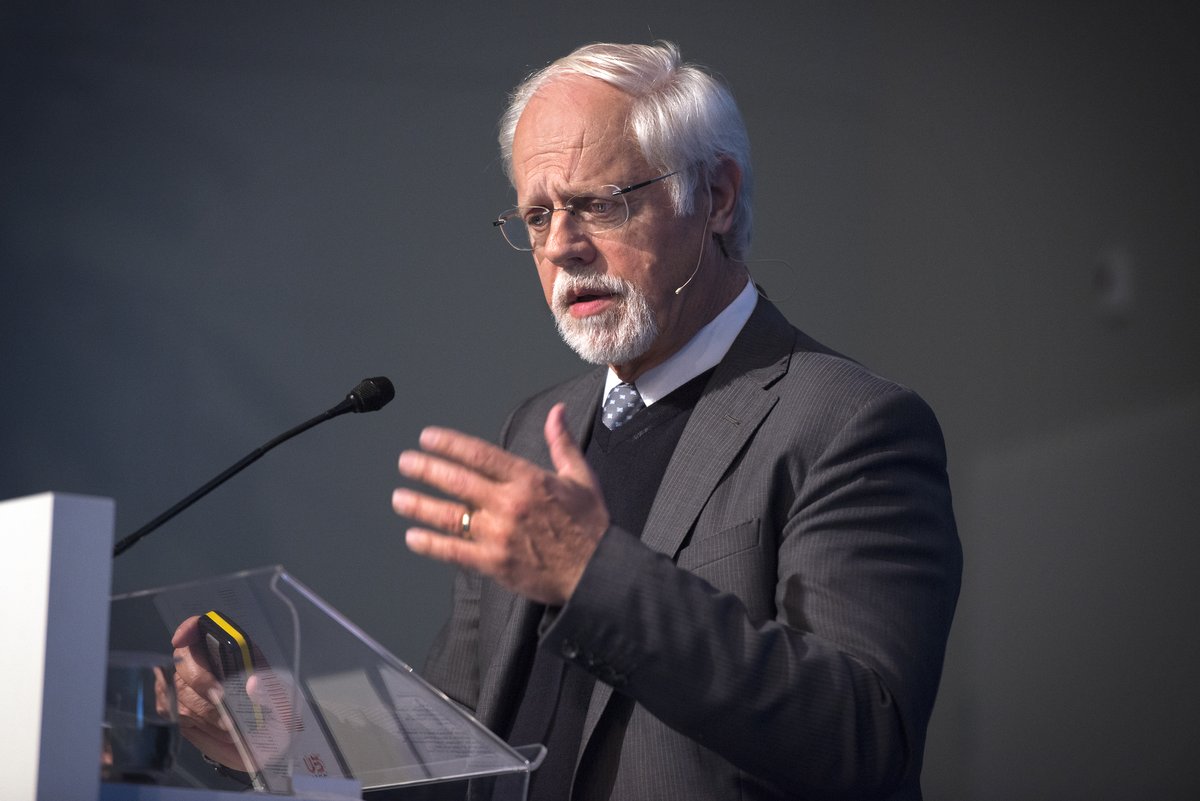
The consequences also affected the MCC's Brussels office. Frank Füredi, who resigned from the helm of the Mathias Corvinus Collegium's Brussels office on Monday, announced that the office is closing. He told Euronews that in its current form, it is finished according to him. He claims that the Hungarian government should respect the institution's existing contracts and that employees should receive wages and severance pay to which they are entitled under the contracts. According to him, the government sent a liquidator to the MCC's Budapest headquarters. Euronews ↗ Index.hu ↗
Not everyone complied with the dissolution. János Áder turned to the court over the dissolution of his climate foundation and the dispute with the Prime Minister's Office continues. The intervention thus does not only affect the financing model, but also the institutions and people associated with the ideological background of the previous government. Telex ↗
However, a more substantial part of the system lies ahead of us. The sixteen dissolved foundations are those that do not operate higher education institutions. University foundations will be dissolved only on August 1, 2027 and the Hungarian state will be the legal successor in each case. Rules on conflicts of interest, transparency and property declarations, which the European Commission had warned the Hungarian government about for years, apply immediately upon the adoption of the law. Leadership in university foundations already saw 98 percent of members replaced: over 1,200 people applied for positions on management and supervisory boards, 660 applications were formally and substantively valid, and 168 positions were filled. Index.hu ↗ Portfolio ↗
The universities were precisely the core of the dispute with Brussels. The government justifies through them its claim about unblocking funds, but the European Commission is more cautious. Transport and Investment Minister Dávid Vitézy stated on Monday that Hungary met all legislative conditions for obtaining funds from the Recovery and Resilience Fund. The Commission responded on Tuesday that the Hungarian government's statements about fund approval are premature because Budapest has not yet submitted an official payment request. It has until September 30 and assessment will officially begin only after its submission. TASR ↗
One narrow section remains verified. The figures on dissolved foundations and returned assets come from a statement by the Hungarian government, not from an independent audit, and book value is not the same as market price. Slovak and Czech media adopted the diplomatic layer of the dispute, that is, Vitézy's statement and the Commission's response, but have not yet written about the actual dissolution of the foundations and what exactly the condition applies to.
Photo: House of Terror museum on Budapest's Andrássy Avenue. Author: Fred Romero / Wikimedia Commons / CC BY 2.0. The image has been reduced in size.