



On Friday, May 1, Zelensky declared that Russia has lost at least $7 billion since the start of the year from attacks on the oil sector, calling them an alternative to international sanctions. This is his own estimate, which has not been independently confirmed by any agency. AP — analysis ↗
AP also states that the full economic impact is not yet clear: the rise in world oil prices from the Iran-Israel war and the easing of US secondary sanctions are dampening Ukraine's energy offensive. "The US action against Iran has saved Russia's oil sector and federal budget from a crisis that was clearly building at the end of February," AP quotes consultant Chris Weafer of Macro-Advisory. AP — analysis ↗
Map of the deep strikes
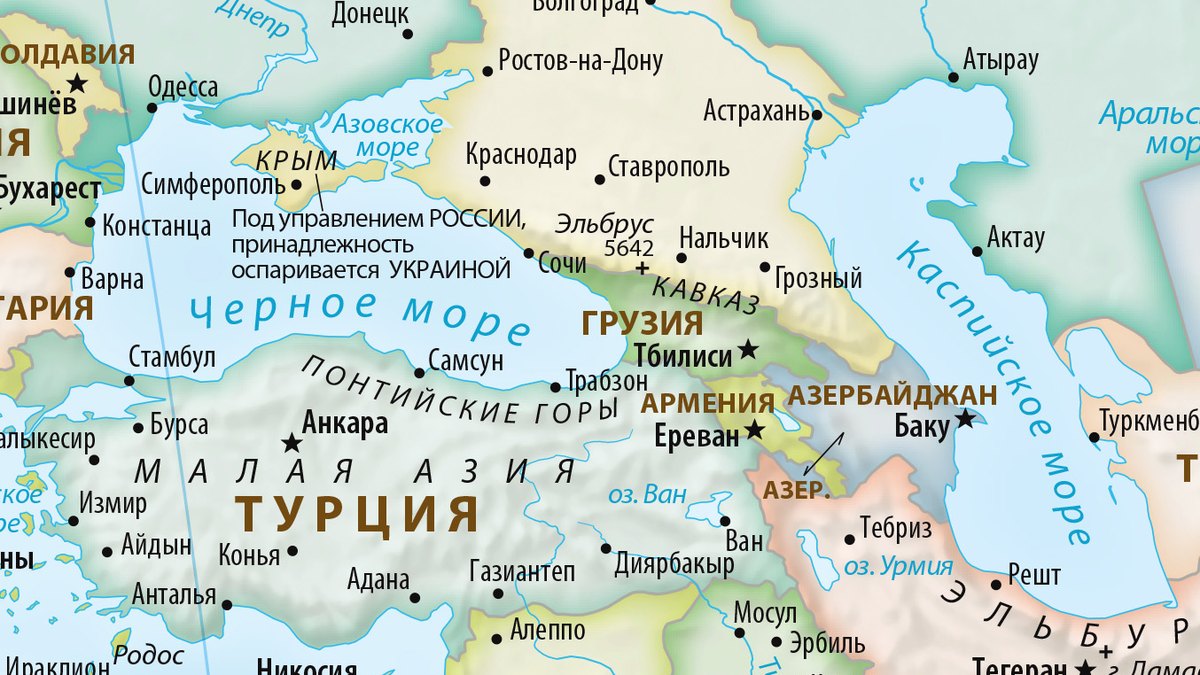
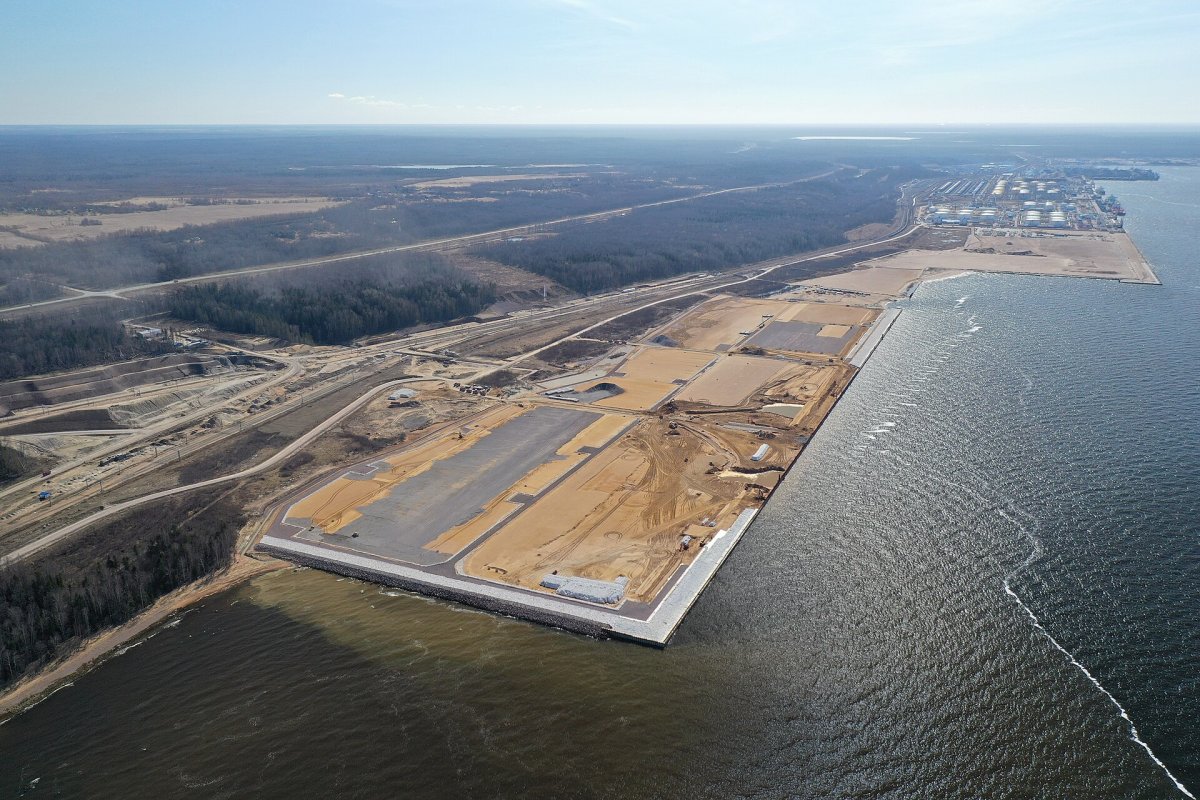
Tuapse — a Black Sea port in Krasnodar Krai with an annual oil processing capacity of around 12 million tons — has suffered four Ukrainian strikes in two weeks (April 16, 20, 28, and the night of May 1). After the third attack, Russian authorities declared a state of emergency and evacuated residents around the terminal. Kyiv Independent ↗According to footage and data from independent Russian media (Sota.Vision, Astra), 24 storage tanks were destroyed and four more damaged; the fire could be seen as far away as the Krasnaya Polyana ski resort, roughly 100 kilometers away. Krasnodar Governor Veniamin Kondratyev announced on Saturday that the fire at the terminal had been extinguished after deploying about 130 firefighters and more than 40 pieces of equipment. TASR ↗
Reuters footage from the April 28-29 strike captured fire and smoke over the terminal:
Tuapse, however, is not the only target. The Ukrainian side claims that in late April it struck a pipeline pumping station in the Perm region, more than 1,500 kilometers from the Ukrainian border; the Russian governor, Dmitry Makhonin, only acknowledged a strike on "industrial facilities." The Baltic port of Ust-Luga, one of the largest Russian oil export terminals, took three hits within a week in late March. Regional governor Alexander Drozdenko subsequently declared the area around St. Petersburg a "frontline zone." AP — analysis ↗
The shadow fleet — what Ukraine claims
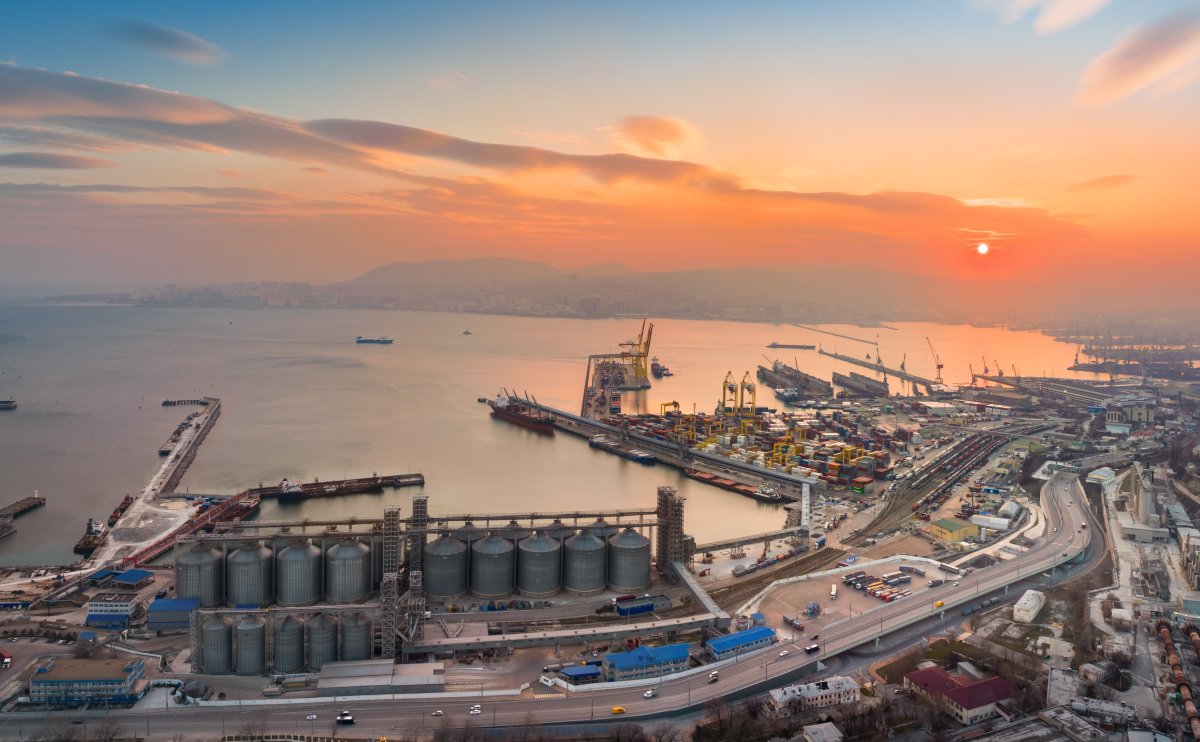
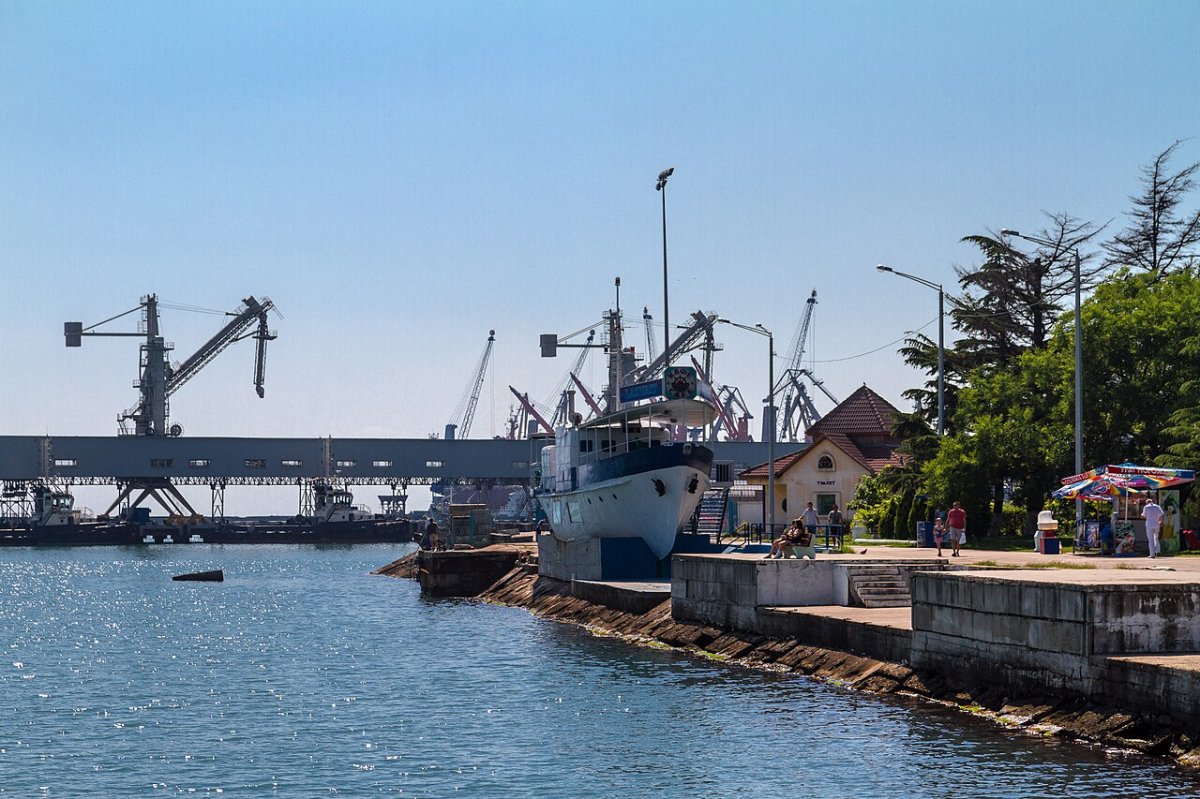
Footage of the strike, released by Ukrainian sources and picked up by Poland's public broadcaster TVP World on May 3:The attack near Novorossiysk — Russia's Black Sea naval base, which became a key port of the Black Sea Fleet after repeated strikes on Crimea — was, according to Zelensky, led by the Chief of the General Staff, Andriy Hnatov, in coordination with the Security Service (SBU) and the Ukrainian Navy. "These tankers were actively used to transport oil. Now they won't be," Zelensky wrote, publishing a video purporting to show the strike. Independent satellite confirmation of damage to the vessels is not yet available. Kyiv Independent ↗
The "shadow fleet" refers to hundreds of older tankers with unclear ownership structures and frequently changing flags, which Russia has used since 2022 to circumvent Western sanctions and the G7 price cap on Russian oil. In May, Zelensky stated that Ukrainian intelligence data indicate a decline in exports from both Ust-Luga and Primorsk — two Baltic terminals heavily used by the shadow fleet. AP — analysis ↗
Russia strikes back
The deep strikes were interspersed with a massive Russian drone attack on Ukraine. According to Zelensky, on the night of Friday, May 1, Russia launched 210 drones (about 140 of them Shaheds) plus one Iskander-M ballistic missile. In the Odesa region, two high-rise residential buildings were damaged, with a fire breaking out on the 12th floor of one of them; according to local authorities, the attacks left five people injured. Ternopil Mayor Serhiy Nadal reported more than 50 drones and at least ten injured, power outages, and hits on industrial facilities; regional authorities subsequently gave different figures. Additional strikes were reported in Kryvyi Rih and Kharkiv, where drones hit railway infrastructure. In Kherson on Sunday morning, one civilian was killed in a Russian drone strike on a company vehicle, with four others injured. AP ↗The Iranian barrier on the Russian budget
AP cites data from the International Energy Agency: Russian exports of oil and oil products rose in March 2026 by 320,000 barrels per day to 7.1 million, while revenues nearly doubled from $9.7 billion to $19 billion. The agency also notes that it is not clear whether the April strikes will disrupt this trend. Weafer tells AP that the tank fires "look spectacular, but they only cause delays of a few days" — more critical are the pumping and compressor stations, which he says are well protected. AP — analysis ↗In other words: the damage tally presented by Zelensky is politically and strategically real, but it is currently masked by the price surge. If Trump were to reach a new deal with Iran — something he has so far approached with skepticism — the price barrier would weaken and the pressure on the Kremlin's budget could show up faster. Without it, its budgetary effect remains muted. AP — analysis ↗
Slovak reflection: Slovnaft, Druzhba, the sanctions package
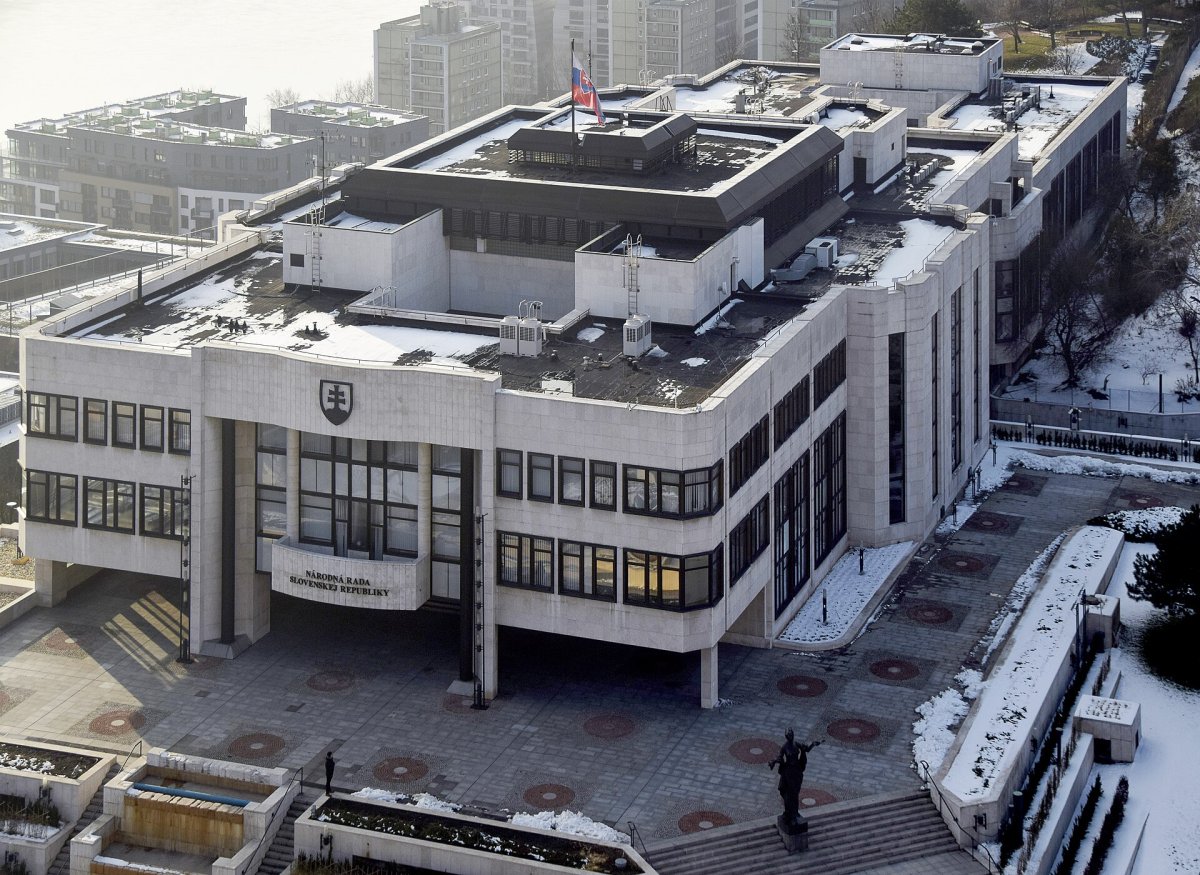
For Slovakia, the story of Ukraine's deep strikes is relevant through three channels. First: Slovnaft continues to process Russian oil delivered via the southern branch of the Druzhba pipeline. In April, the Slovak government issued a statement defending the continuation of Druzhba supplies, which drew surprise in Czech media. aktuality.sk ↗Second channel: the upcoming 21st EU sanctions package, which is meant to target the Russian energy sector and the shadow fleet directly. Slovak domestic debate is so far relying on secondary coverage, and the details are still being openly negotiated. interez.sk ↗ If the package passes, Ukrainian strikes and European regulatory pressure will converge more sharply on the same target — the export capacity of Russian oil.
Third channel: the section of Druzhba running through Hungary remains operational, because both Hungary and Slovakia hold exemptions from the EU sanctions regime. When Ukraine halted flow through Druzhba in the summer of 2024, it was felt in both Bratislava and Budapest. At the moment, the pipeline is flowing. aktuality.sk ↗
Indicators to watch
The question of "whether the Kremlin will start to feel it" will be decided not just in Tuapse, but in four specific data points over the coming weeks. April export statistics from the IEA will show whether the strikes on Tuapse, Ust-Luga, and the Perm region disrupted March's export growth of 320,000 barrels per day. Prices of Russian Urals oil (and thus the discount to Brent) show how the market is reacting to the physical risk to loading operations. The progress of US-Iran negotiations will show whether the price surge from the Iran-Israel war will continue or ease. And approval of the EU's 21st sanctions package will determine whether Ukraine's energy offensive has European political cover.The most strategically open question remains whether Ukraine will shift its targets from storage tanks — which burn spectacularly but only delay operations by a few days — to pumping and compressor stations, which Weafer says are better protected, but a hit on them would genuinely slow export capacity. AP — analysis ↗