



Postponed the strike, kept the military ready to strike at any time
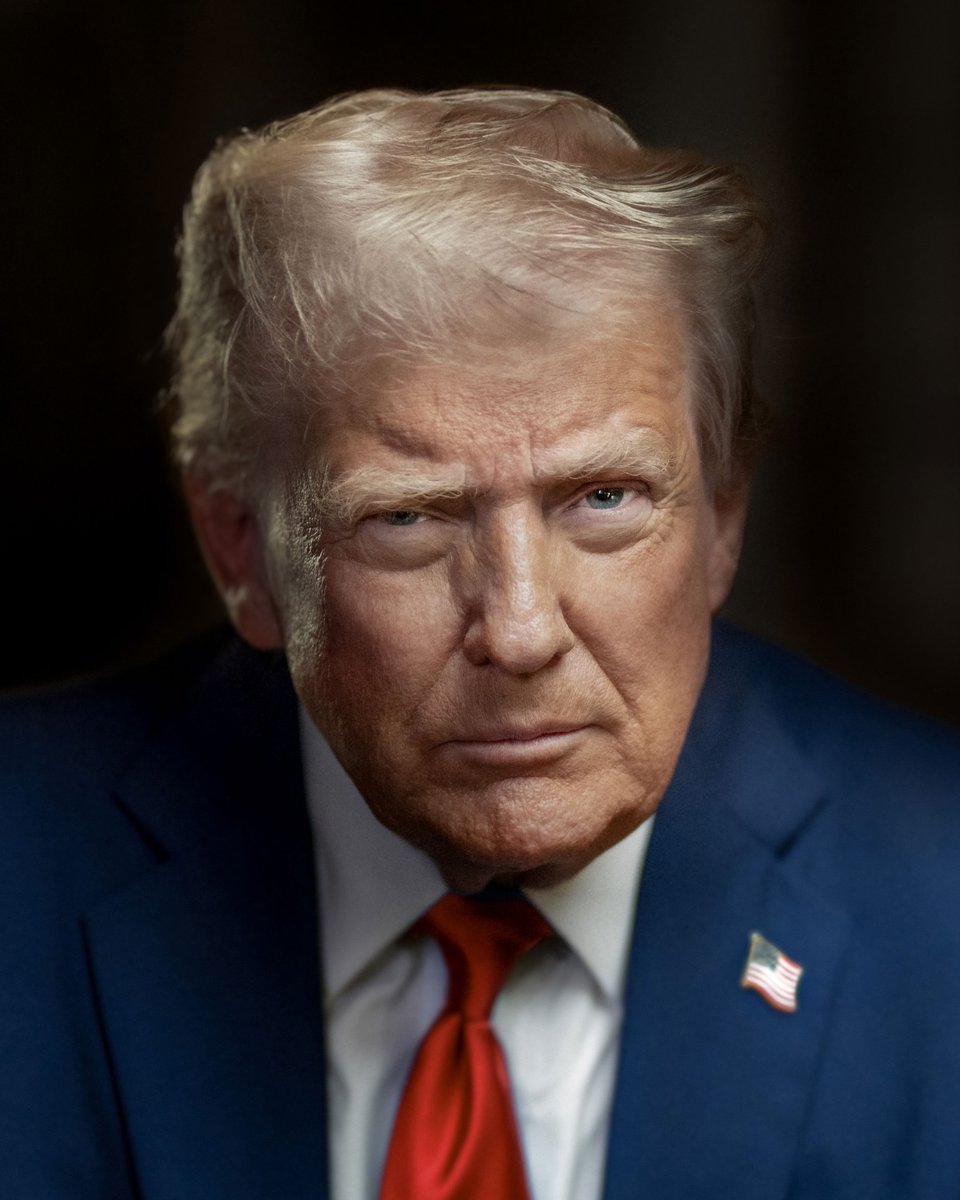
On Monday evening, Trump wrote on Truth Social that "we will not be carrying out the planned strike on Iran tomorrow" and instructed Defense Secretary Pete Hegseth, Chairman of the Joint Chiefs of Staff Gen. Daniel Caine, and the American military to remain "ready to strike at any time." According to him, the change in stance came about due to the intervention of the Emir of Qatar, Tamim bin Hamad Al Thani, Saudi Crown Prince Mohammed bin Salman, and representatives of the United Arab Emirates, who requested a delay for "serious negotiations." CNN Politics ↗ Al Jazeera ↗This was another reversal following the April ceasefire. In late April, Trump announced he would send envoy Steve Witkoff and son-in-law Jared Kushner to Pakistan to mediate the negotiations — but later withdrew their involvement out of frustration with the state of the dialogue. Pakistan has served as the official mediator since February 28, when the US joined Israeli airstrikes on Iran. Al Jazeera ↗
On Monday morning, Iranian President Masoud Pezeshkian wrote on social media: "Dialogue does not mean capitulation." According to him, the Islamic Republic is entering the negotiations "with dignity, authority, and protection of the nation's rights" and "will under no circumstances retreat from the legitimate rights of the nation and the country." According to Al Jazeera, Trump's conditions include a ban on Iranian uranium enrichment, severing Tehran's ties to regional allies, and dismantling its missile arsenal and navy. Iran has called these excessive and is demanding the release of frozen assets as well as the lifting of foreign sanctions. Dania Thafer, executive director of the Gulf International Forum in Washington, told Al Jazeera that Gulf countries are currently trying to prevent further escalation: "Trump's wartime priorities are not necessarily shared by the US's Gulf allies." Al Jazeera ↗
Also read: Hezbollah fires on Galilee all day on May 17, at least five dead in southern Lebanon. Trump convenes Situation Room for Tuesday
Hormuz is not a blockade. It's a new regime
The main new development brought by French media this morning is a shift in the nature of Iran's control over the Strait of Hormuz. Le Monde puts it succinctly: instead of an ad hoc blockade, Tehran is "building a permanent apparatus for controlling maritime traffic and circumventing sanctions." The United States is demanding the unconditional reopening of the strait, which has been *de facto* closed since February 28 — the day the first joint Israeli-American strikes began. Neither US military force nor the blockade of Iranian ports declared by Trump on April 13 aimed at "drying out" the Iranian economy has affected Tehran so far. Le Monde ↗CNN added two concrete perspectives on the consequences of this shift. The quiet coastal town of Portsmouth on England's south coast is home to UKMTO (United Kingdom Maritime Trade Operations) — since Iran closed the strait, there has been a dramatic rise in distress calls from vessels attacked in the Persian Gulf, which head there as their first point of contact. CNN ↗ A second shift is being captured by undersea cables: according to CNN, Tehran, "emboldened by its blockade of Hormuz," is now turning to one of the hidden arteries of the global economy — the undersea cables running beneath the strait that carry internet and financial flows between Europe, Asia, and the Persian Gulf. CNN ↗
The consequences run through oil — paradoxically, even to Moscow
In the quiet of Tuesday morning, the most visible consequence of the Hormuz closure turned out to be a paradoxical announcement from the US Treasury Department. Treasury Secretary Scott Bessent extended overnight the sanctions exemption for Russian oil transported by sea by another 30 days — despite his own April statement to the Associated Press that there would be no further extension. According to him, the reason is the need to help "energy-vulnerable" countries that, because of the Hormuz closure, cannot obtain oil from the Gulf and would otherwise have to compete with China for previously sanctioned resources. Democratic senators Jeanne Shaheen (New Hampshire) and Elizabeth Warren (Massachusetts) called the move an "indefensible gift" to the Russian president. Times of Israel liveblog ↗ Associated Press ↗The Trump administration imposed sanctions on the Russian oil giants Rosneft and Lukoil last year with the aim of cutting off Moscow's revenue funding the war in Ukraine. However, the American-Israeli strikes on Iran drove global oil prices up, and Bessent first resorted to the exemption in March — formally as a temporary solution. Times of Israel liveblog ↗
In parallel, the Australian government announced on Tuesday morning that it had secured three shipments of jet fuel from China totaling 600,000 barrels (about 100 million liters) — under a new $5.36 billion fund for fuel and fertilizer security. This was joined by 38,500 tons of urea from Brunei for local farmers. Prime Minister Anthony Albanese concluded the deal with Chinese Premier Li Qiang. Beijing, meanwhile, has been restricting fuel exports since March to protect its domestic supply following the Hormuz closure. The 600,000-barrel shipment covers approximately 1% of Australia's annual consumption. Times of Israel liveblog ↗
What hotinfo is following
- Situation Room today, May 19 — Trump convened a meeting on military options against Tehran back on Saturday, for Tuesday. Even though he postponed the "planned strike" itself, the security team meeting (Vice President JD Vance, Secretary of State Marco Rubio, envoy Steve Witkoff, CIA Director John Ratcliffe) is set to proceed as originally planned.
- 14-point memorandum on Hormuz — behind-the-scenes negotiations have been underway since May 7, reportedly also involving Saudi and Kuwaiti airspace. We are watching whether Trump's postponement of the attack will give the talks momentum.
- Pentagon and $29 billion — Al Jazeera, citing the Pentagon, reports that the war has cost the US at least $29 billion so far. Some analysts cite a higher figure.
- NYT poll (Monday) — 64% of American adults consider the decision to go to war with Iran a mistake. Ahead of the November midterms, this is a political liability for the Republican Party.
- Hezbollah-Galilee — following one of the most intense days of exchange of fire since the April ceasefire (May 17, five dead in southern Lebanon), we are watching whether the Lebanese front will reopen.