
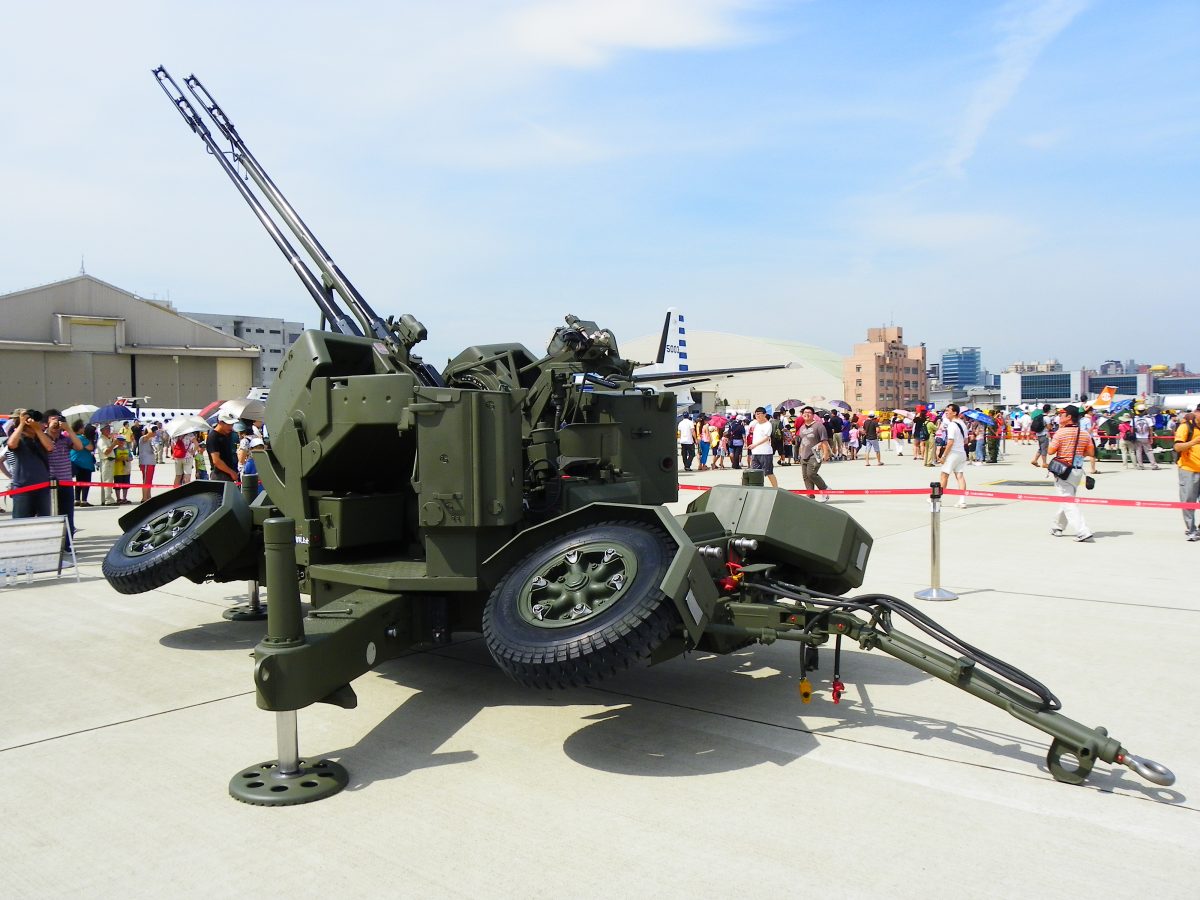
Swiss voters rejected in Sunday's referendum a proposal to enshrine a stricter definition of the country's neutrality in the constitution. According to preliminary projections published after the polling stations closed, approximately 71 percent of voters voted against the initiative. aktuality.sk ↗
The initiative, called Pro Schweiz, was meant to prevent Switzerland from adopting economic sanctions against states that wage war or violate international rules. The proposal would also have limited the country's cooperation with NATO even in peacetime. Its supporters advocated a stricter interpretation of Switzerland's long-standing neutrality. denik.cz ↗
According to the projections, the outcome of the referendum means that neutrality will remain flexible, allowing Bern to respond to international crises with broader political and economic tools. The country will thus not be constitutionally bound to a ban on sanctions against parties to armed conflicts, nor to a restriction on cooperation with international partners. Tagesspiegel ↗
Swiss neutrality was internationally recognized in 1815, with its historical roots reaching back to 1516. In recent years, discussion has focused mainly on how to reconcile traditional military non-involvement with responses to armed conflicts and security threats in Europe. teraz.sk ↗
The final vote results may still refine the share of voters who rejected the proposal. However, based on the available projections, the basic political direction remains clear: a majority of Swiss voters supported preserving the current, less strictly defined understanding of neutrality. denik.cz ↗
Swiss voters reject stricter constitutional neutrality
This summary was generated by artificial intelligence. It may contain inaccuracies. Please verify information in the original sources below.
Sources (3)
🔥 You might also like
World
The Swiss vote on 27 September on banning their own sanctions. Blocher’s initiative is losing support even among his party’s voters
Opposition has risen by nine points, a court halted the campaign newspaper, and Blocher, who put two million francs into the campaign, will be abroad on voting …
Politics (General)
German media link Prešov attack to Russian GRU
German media reported a possible connection between the arson attack in Munich and a planned attack on a plant near Prešov. A group linked to Russia's mil...
Politics (General)
Tomáš believes the government majority will hold, decision rests with Taraba and Danko
Labor Minister and Hlas-SD deputy chairman Erik Tomáš believes the ruling coalition will keep its majority in the National Council. According to him, the fate o …
© HotInfo
Geographic locations
From our newsroom original
All →
EU to release €710 million in humanitarian aid, mainly for Africa
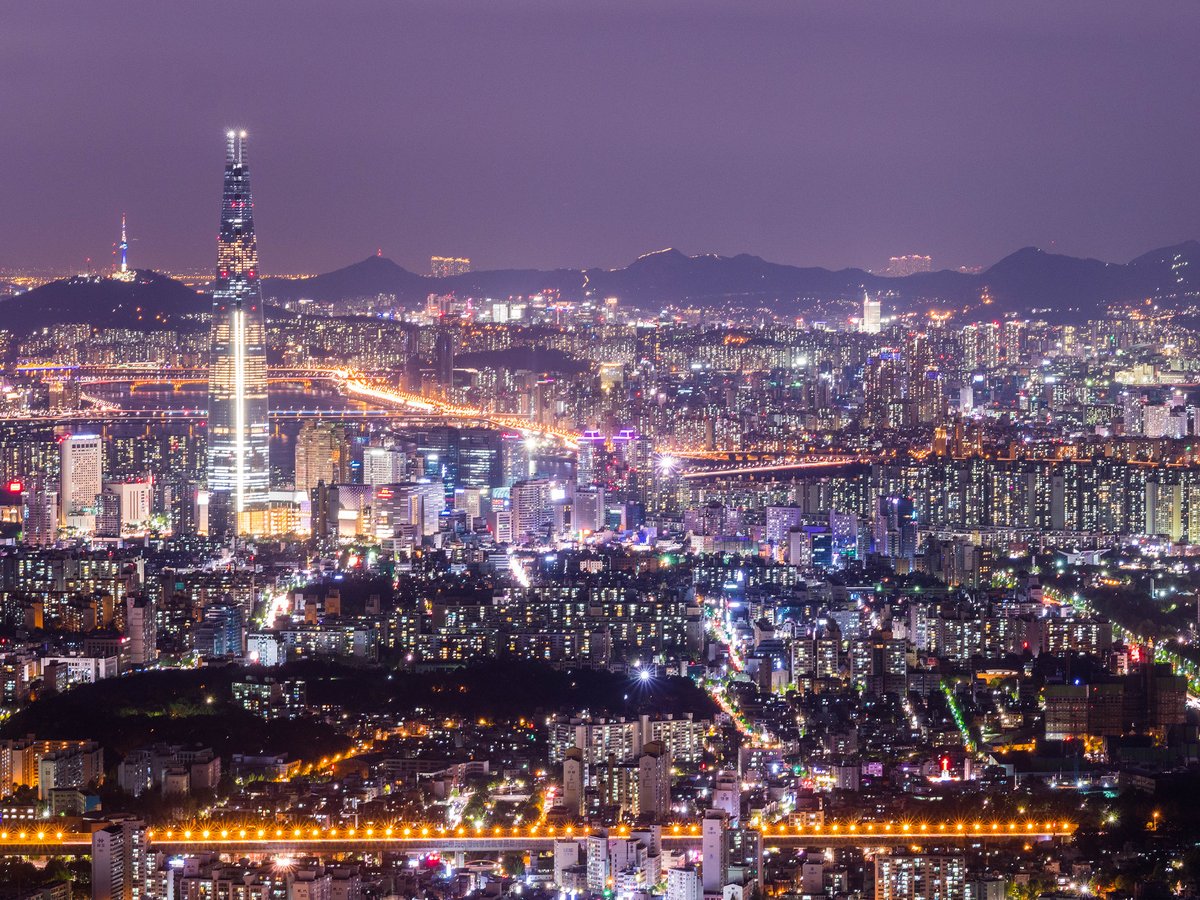
Seoul and the UN investigate mine explosion in the demilitarized zone
Dobrindt wants to strengthen Frontex and speed up migrant returns
Leo XIV Celebrated Mass in Paris for 700,000 People

Aleksandar Vučić Announces Departure from the Presidency
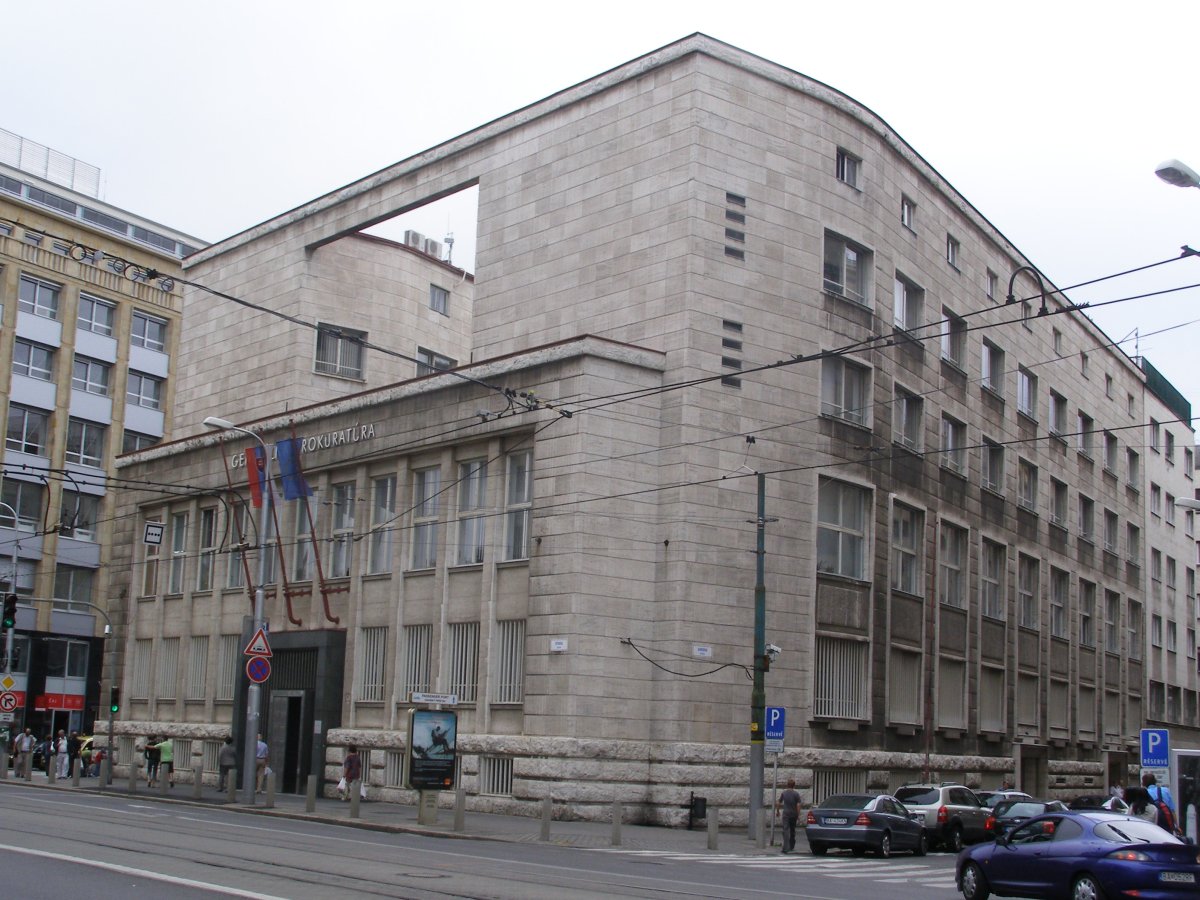
What Slovakia is writing about: The General Prosecutor’s Office closes the MiG case, Fico calls a press conference against Žilinka. The coalition recalculates its MPs
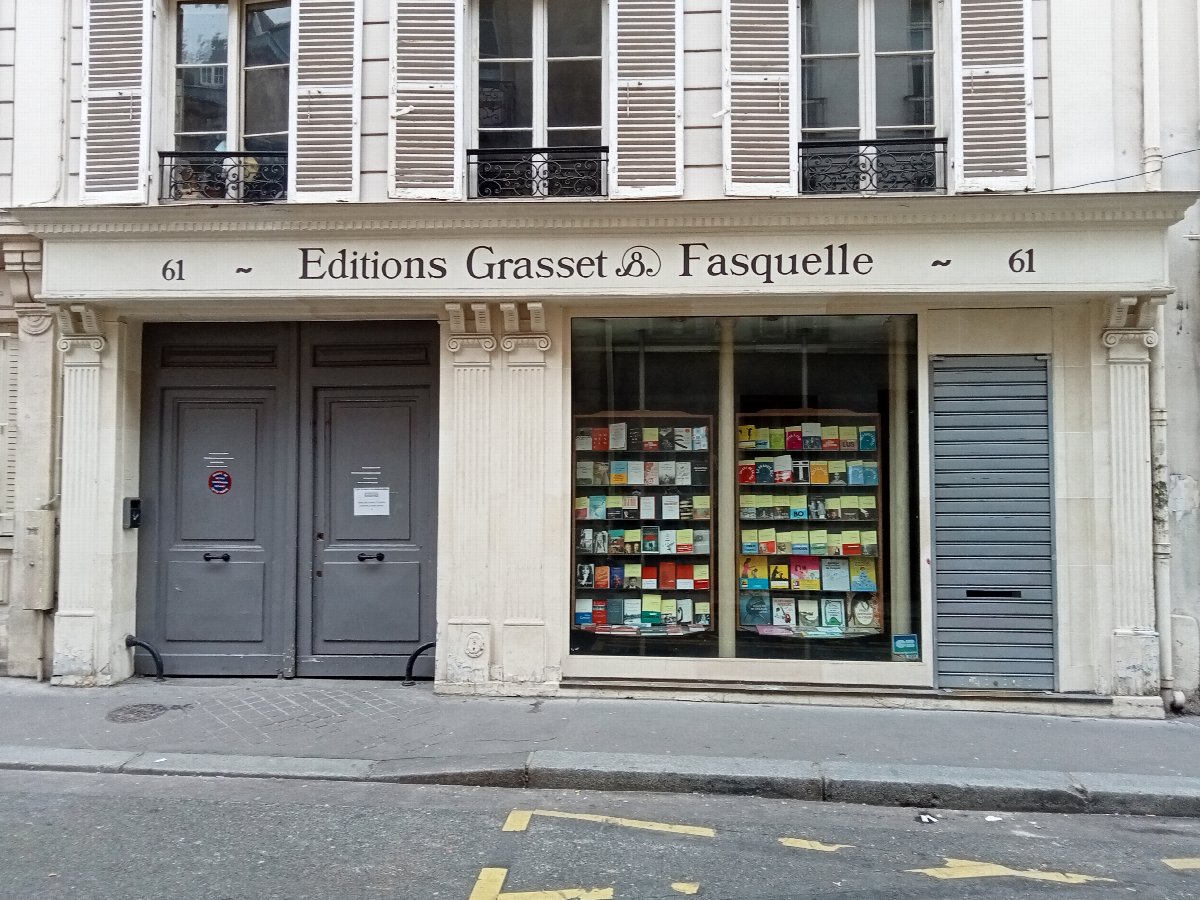
French publishers grapple with their first AI scandal. There is no proof yet, but the author’s old texts contain sentences taken from elsewhere
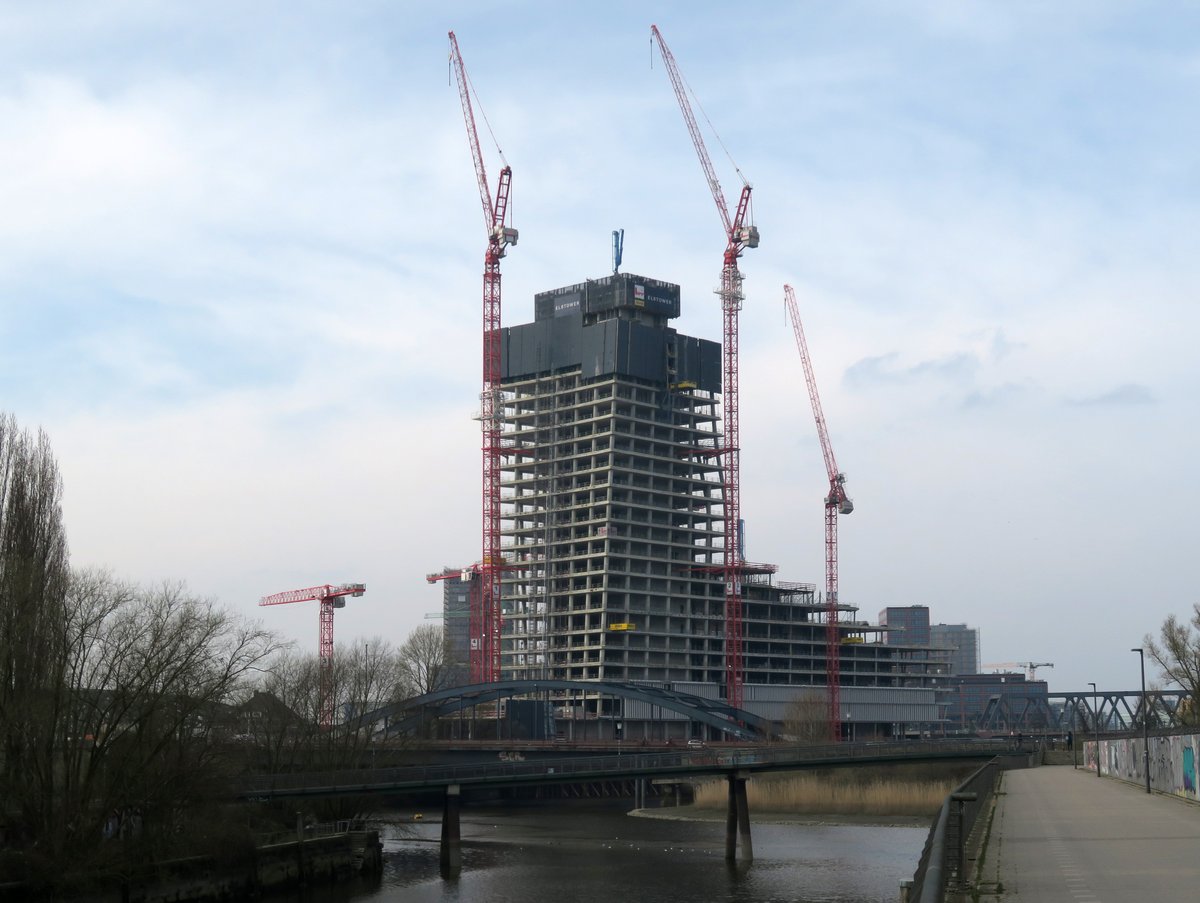
René Benko's Two-and-a-Half-Year Sentence for Fraudulent Bankruptcy Is Final. Neither Prosecution nor Defense Appealed