
Swiss voters rejected in Sunday's referendum a proposal to enshrine a stricter definition of the country's neutrality in the constitution. According to preliminary projections published after the polling stations closed, approximately 71 percent of voters voted against the initiative. aktuality.sk ↗
The initiative, called Pro Schweiz, was meant to prevent Switzerland from adopting economic sanctions against states that wage war or violate international rules. The proposal would also have limited the country's cooperation with NATO even in peacetime. Its supporters advocated a stricter interpretation of Switzerland's long-standing neutrality. denik.cz ↗
According to the projections, the outcome of the referendum means that neutrality will remain flexible, allowing Bern to respond to international crises with broader political and economic tools. The country will thus not be constitutionally bound to a ban on sanctions against parties to armed conflicts, nor to a restriction on cooperation with international partners. Tagesspiegel ↗
Swiss neutrality was internationally recognized in 1815, with its historical roots reaching back to 1516. In recent years, discussion has focused mainly on how to reconcile traditional military non-involvement with responses to armed conflicts and security threats in Europe. teraz.sk ↗
The final vote results may still refine the share of voters who rejected the proposal. However, based on the available projections, the basic political direction remains clear: a majority of Swiss voters supported preserving the current, less strictly defined understanding of neutrality. denik.cz ↗
Swiss voters reject stricter constitutional neutrality
This summary was generated by artificial intelligence. It may contain inaccuracies. Please verify information in the original sources below.
Sources (3)
This article is part of an ongoing tracker
Swiss neutrality referendum (27 September 2026)
Indicators completed by this article:
- ✅ The vote on 27 September took place and the result is known, including the urban-rural divide
This article is part of an ongoing tracker
Swiss neutrality referendum — result and aftermath
Indicators completed by this article:
- ✅ The vote on 27 September took place and the result is known, including whether Italian-speaking Switzerland was the only region without majority opposition
🔥 You might also like
World
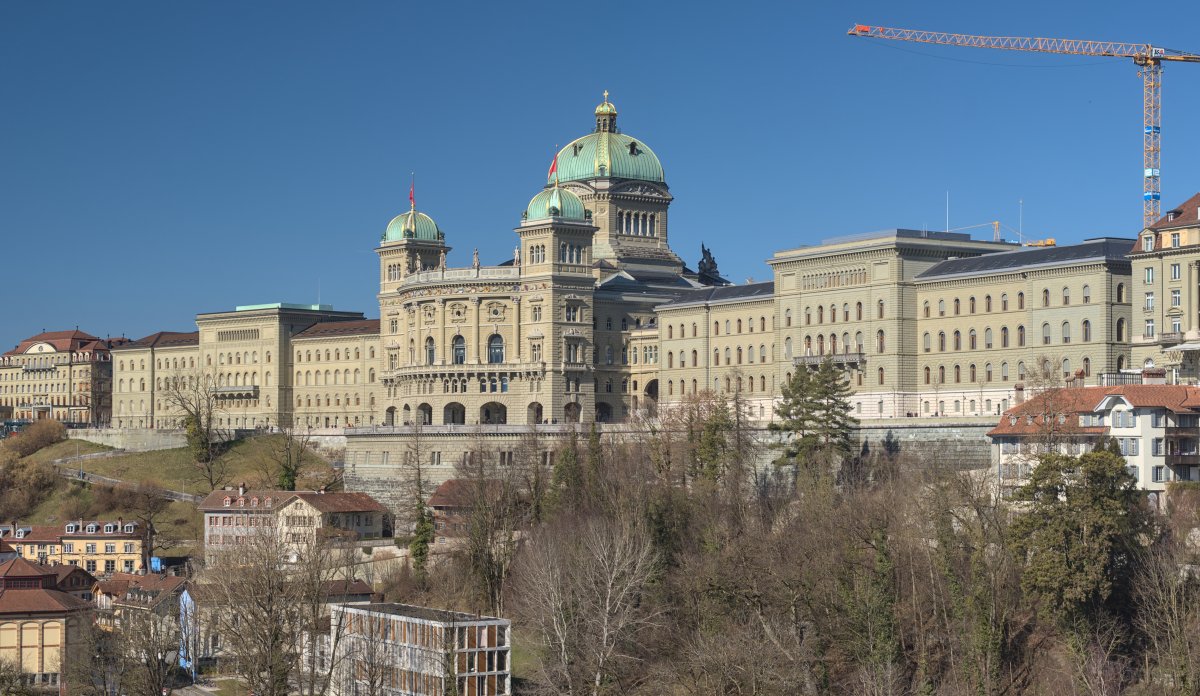
The Swiss vote on 27 September on banning their own sanctions. Blocher’s initiative is losing support even among his party’s voters
Opposition has risen by nine points, a court halted the campaign newspaper, and Blocher, who put two million francs into the campaign, will be abroad on voting …
Politics (General)
Huliak wants to split football millions even without the SFZ
Minister of Tourism and Sport Rudolf Huliak welcomes the approval of the amendment to the Sports Act, which is meant to enable direct financing of...
📰
Politics (General)
EU prepares further individual sanctions against Russia
Foreign ministers of EU member states are expected to adopt further individual sanctions against Russia on Monday, targeting persons and legal entiti...
© HotInfo
Geographic locations



From our newsroom original
All →
Protests for Affordable Housing Hit All of Spain

Hungary wants to ratify the Istanbul Convention on the protection of women

Bundestag completes negotiations on Germany's 2027 budget
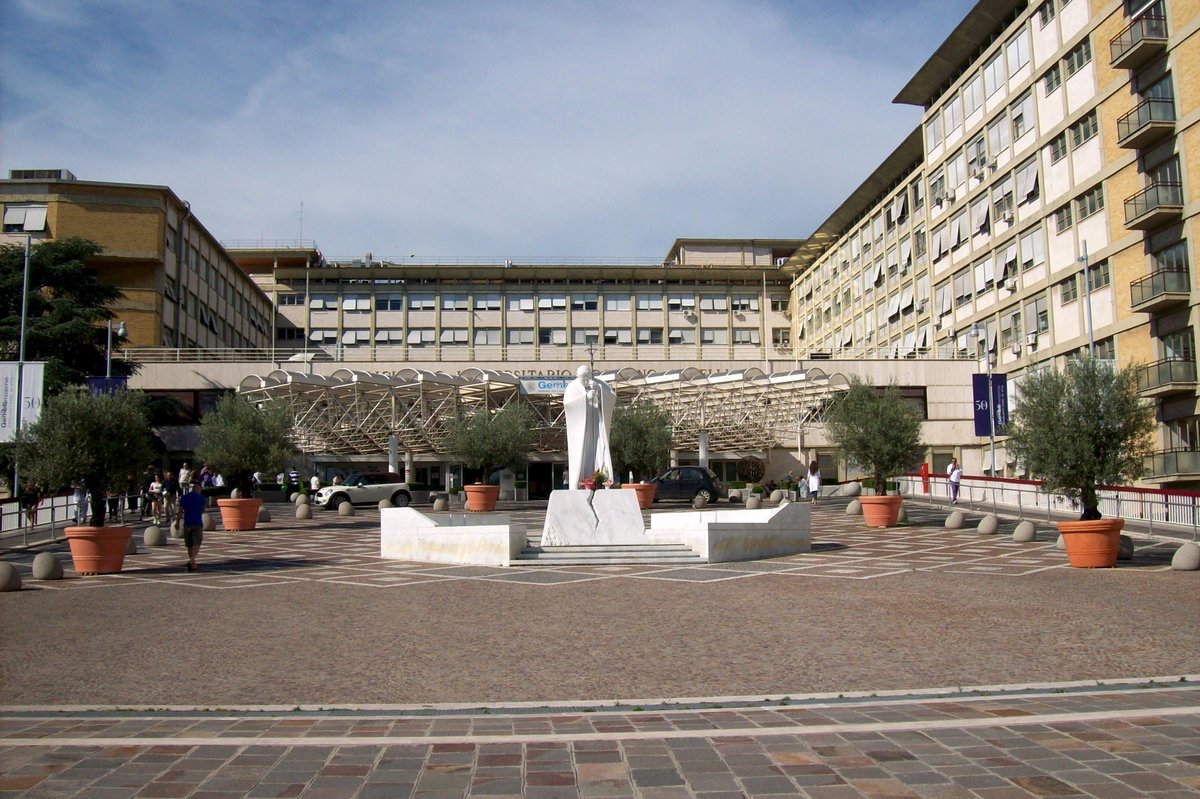
Part of the Pope’s lung removed; the cancer has not spread and no further treatment will be needed. The Vatican confirms South America trip
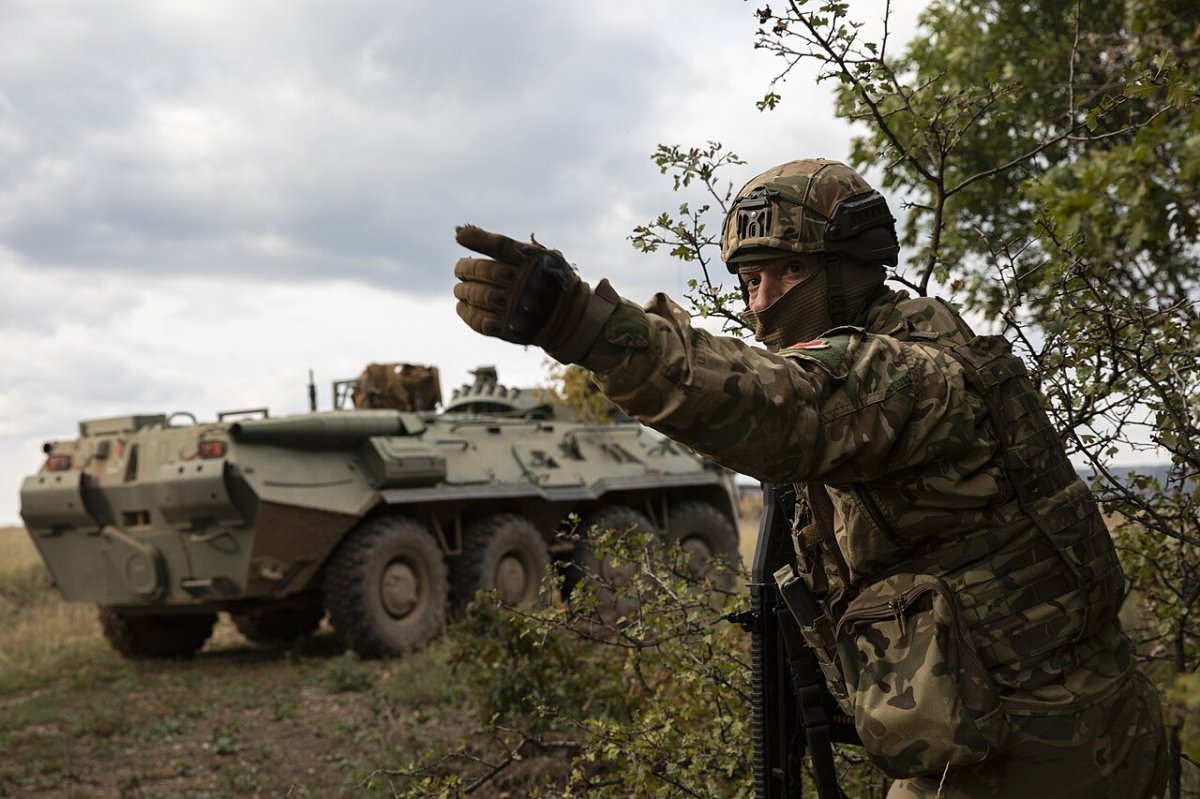
Hungary corrected Orbán's troop numbers for NATO. Slovakia lowered its estimates in the same table even more sharply
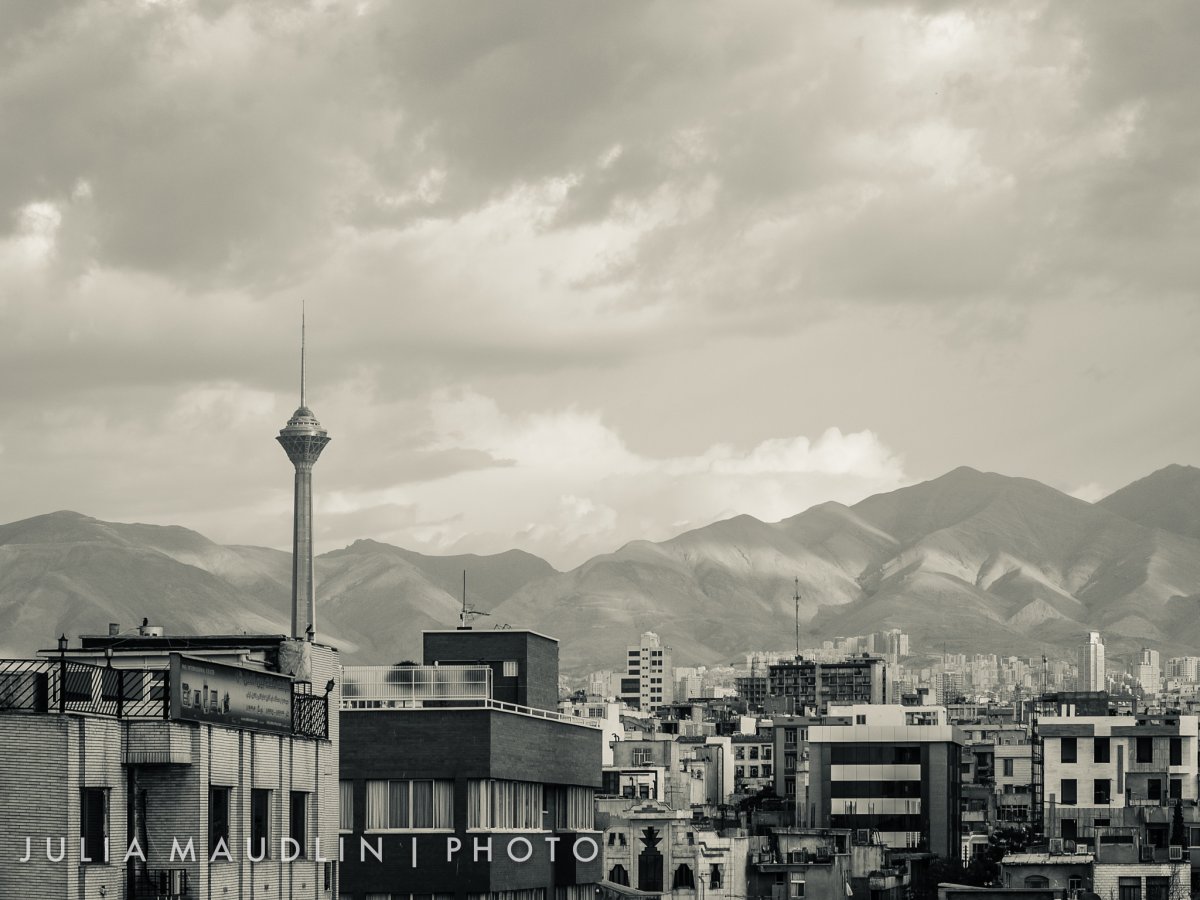
Mecca Pact Countries Held Their First Joint Talks in Tehran. They Agreed Only to Keep Talking

Cruise ship with over 3,300 people on board collided with two container ships in Bremerhaven
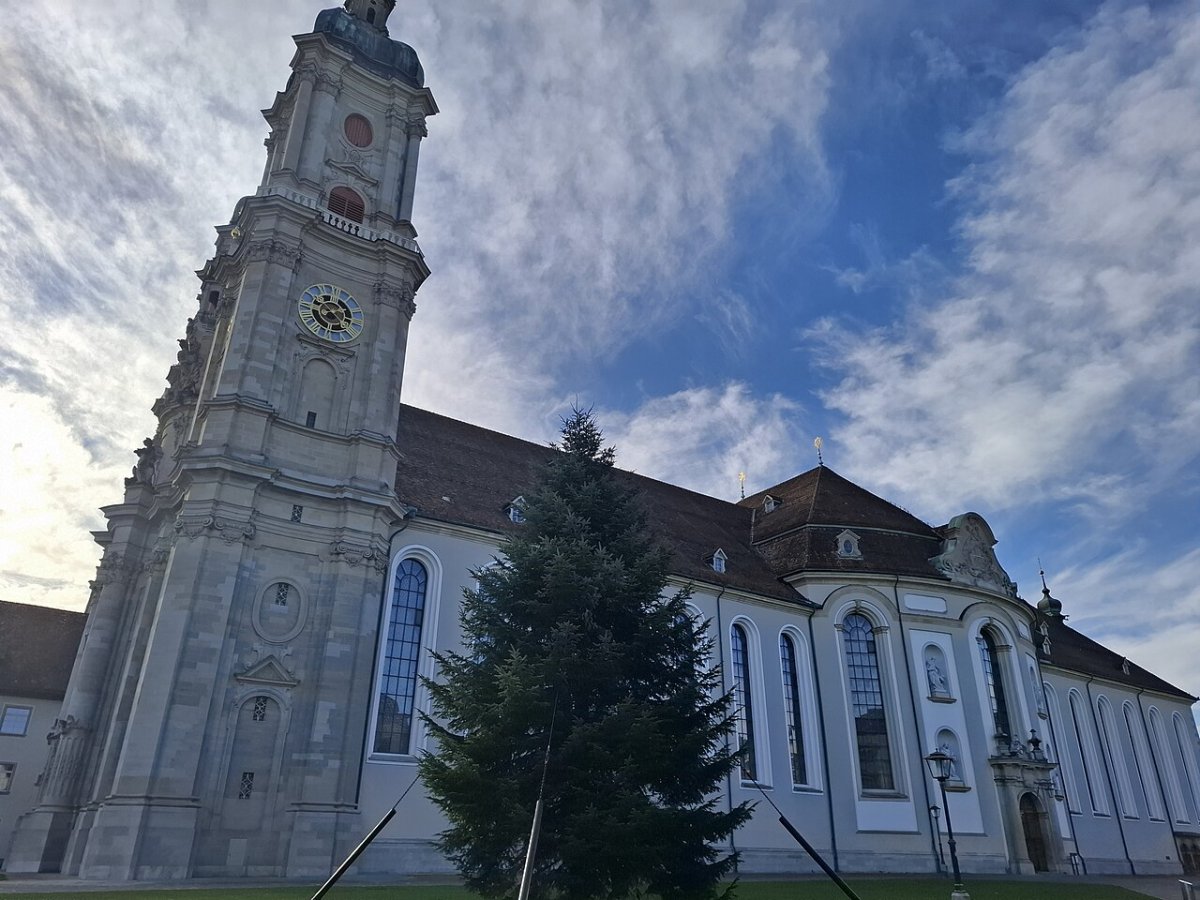
Swiss court convicts Belarusian over disappearance of Lukashenko opponent in 1999