


Key actors — tap for context
Technical University of Munich
Public technical university in Munich, founded in 1868, ranks among Germany's strongest research institutions.
Why here: Author of the white paper that recalculated car emissions over their entire life cycle.

Thomas Hofmann
German food chemist, president of the Technical University of Munich since 2019.
Why here: Initiated the work. Calls for technological openness so the industry does not lose opportunities to innovate.
More info →Johannes Fottner
German engineer and university professor of technical logistics at the Technical University of Munich.
Why here: One of three study leaders. Criticizes that regulation relies exclusively on tailpipe emissions.
More info →European Commission
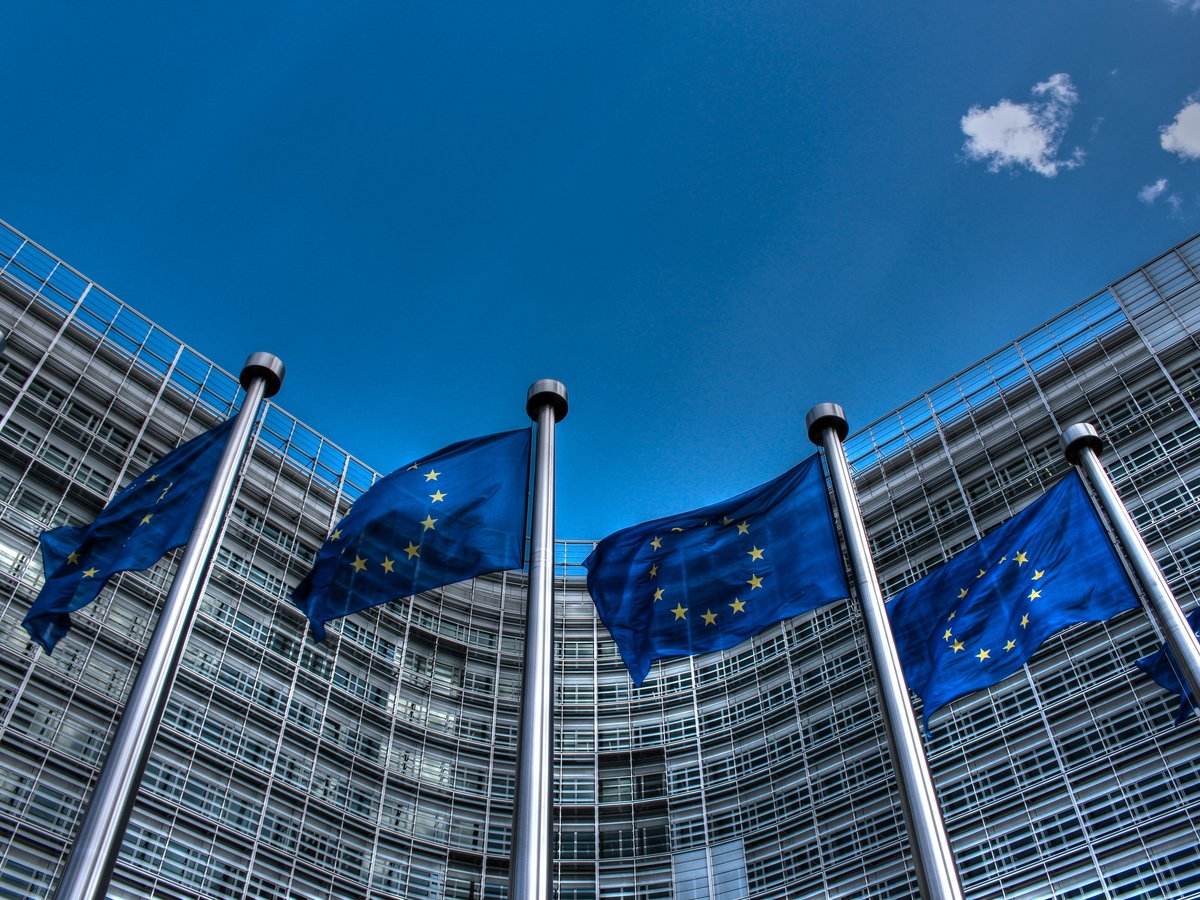
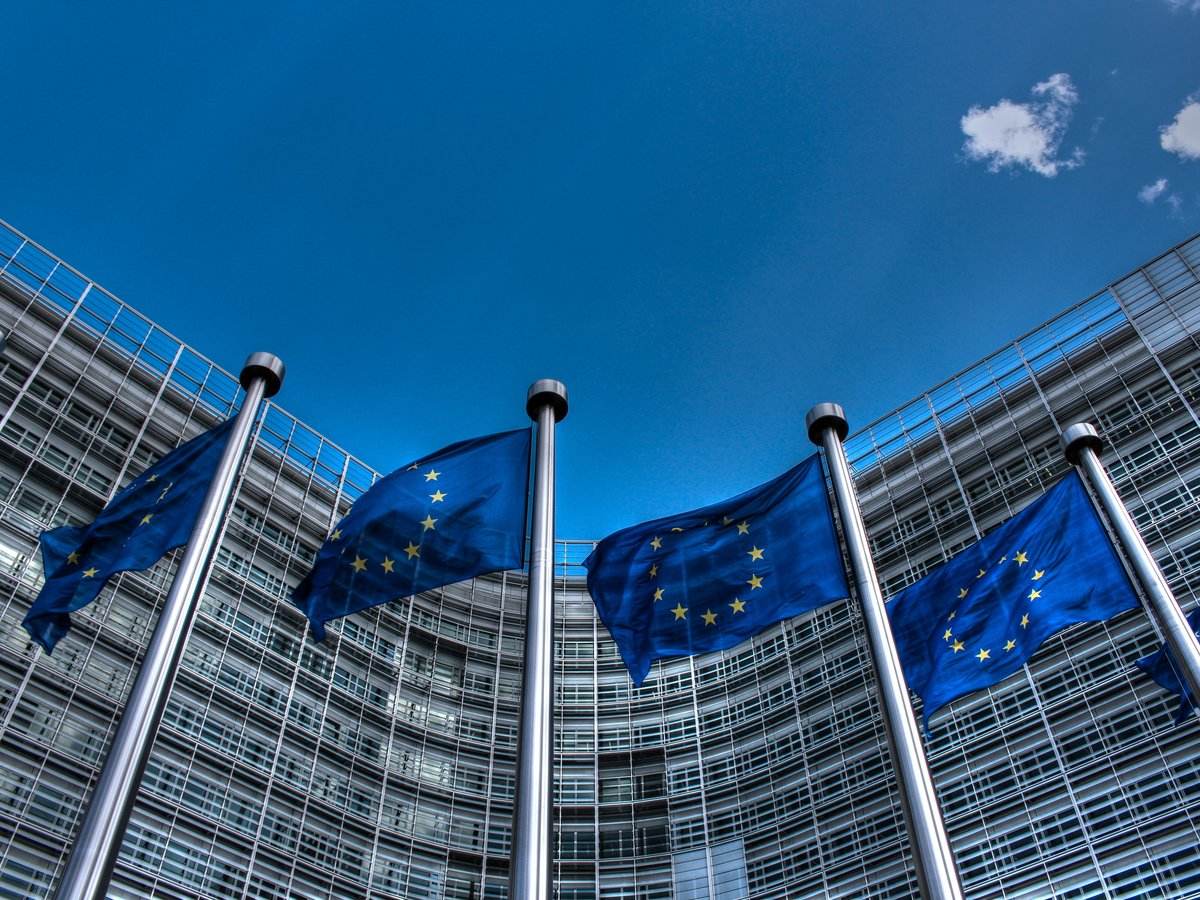
The highest executive body of the European Union, which proposes legislation and oversees its compliance.
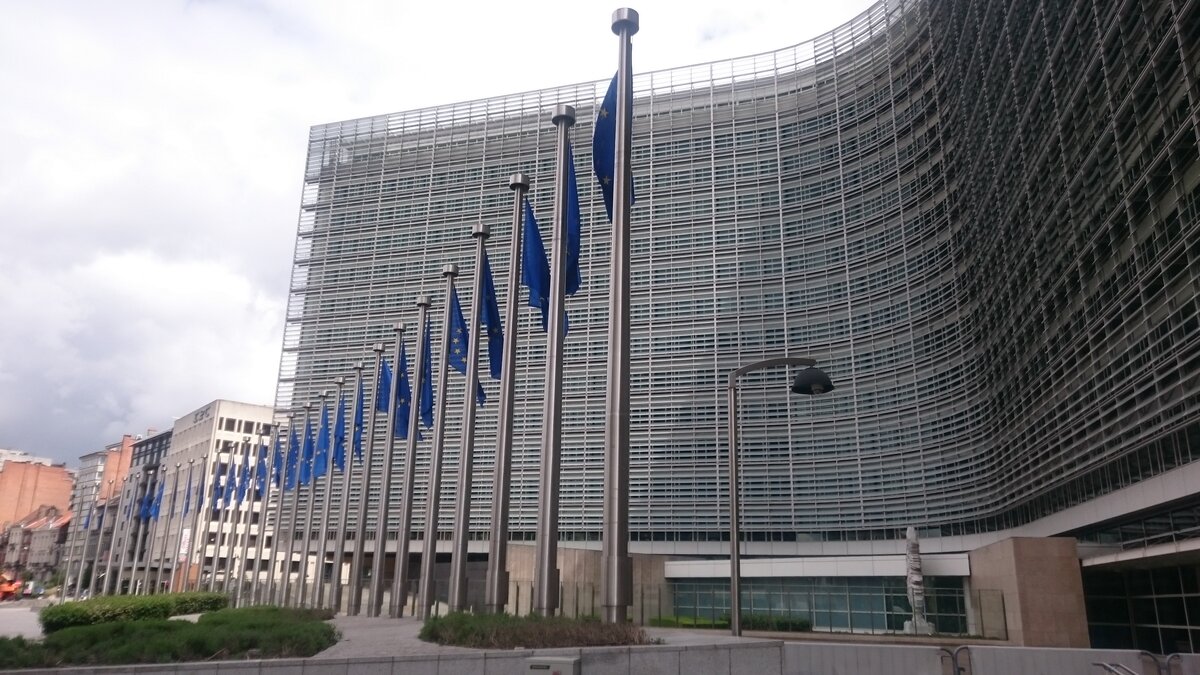
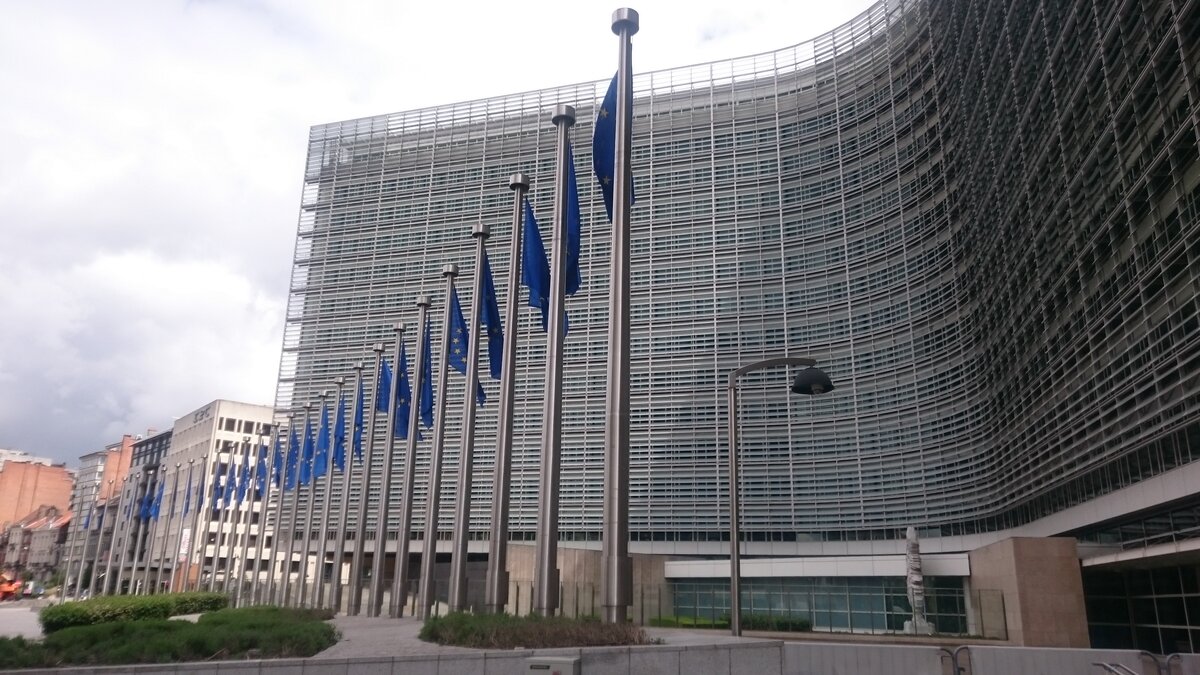
Why here: Proposer of legislation from which the criticized regulation 2019/631 emerged. It was adopted by the European Parliament and the Council. In December 2025, it proposed to soften the 2035 target.

Bild
German tabloid newspaper founded in 1952 by Axel Springer publishing house, the best-selling newspaper in Europe.
Why here: Its Sunday edition received excerpts from the study in advance and drew a conclusion about the 2035 ban from them.
More info →The same figure, however, sounds different depending on what it is compared to. Compared to a combustion car, it is a 41 percent improvement, and the Berlin Tagesspiegel ran a headline about a significantly better climate balance of electric cars. Compared to zero, which the fleet metric assigns to its tailpipe emissions, it is a decline, and that is precisely how the university and the newspaper Welt presented it, speaking of substantial regulation distortion. Tagesspiegel ↗ Welt ↗
Regarding the actual ban on sales of new cars with combustion engines after 2035, the authors do not take an explicit position in the study, the dpa agency pointed out. Hofmann calls for technological openness so the industry does not lose opportunities to innovate. The white paper is to enter negotiations on the automotive package that the European Commission submitted in December 2025. According to the university, the vote by the European Parliament plenary is scheduled for November 23, 2026. Die Zeit ↗
Bild am Sonntag was first to write about the content, having received excerpts in advance and headlined them as the European Union's automotive lie. From the 41 percent, it concluded that there is no compelling justification for the 2035 ban. Such a conclusion is not found in the university's press release or in the available summary of the study. Bild added it. elektroauto-news.net ↗
The topic reached Slovak media in this very form. The Aktuality.sk portal explicitly cited Bild on Tuesday and wrote that if battery cars save on average not even half the emissions compared to combustion engines, the planned ban after 2035 suddenly loses its strongest justification. The article cites the 41 percent figure, calling the promised climate neutrality a dangerous political illusion. Aktuality.sk ↗
German publicist Martin Jendrischik objected to this interpretation. According to him, from the fact that an electric car reduces emissions by only 41 percent does not follow that it is better to continue using vehicles that reduce them by zero percent. CleanThinking ↗
The work itself also has methodological limitations. It is a white paper, not a peer-reviewed scholarly publication. The elektroauto-news.net portal points out that the methodology was not known before Tuesday's presentation and that older studies in the set may have counted with a substantially more fossil energy mix than European grids have today. The share of clean electricity functions in the entire calculation as a dimmer: the greener the grid, the better the electric car performs. auto motor und sport ↗ elektroauto-news.net ↗
Part of the argument was actually adopted by the European Commission last December. On December 16, 2025, it proposed to lower the 2035 target from one hundred to ninety percent, with the remaining ten percentage points to be compensable through low-carbon steel produced in the Union or e-fuels and biofuels. Low-carbon steel is precisely an example that the Munich authors cite as an investment that today's fleet metric does not value. The proposal still needs to be approved by the European Parliament and member states. European Commission ↗ ADAC ↗
What remains verified is a narrow segment. The 41 percent figure, its origin in nineteen studies, and criticism of measuring by tailpipe emissions come from the university. The conclusion that the 2035 ban loses its justification comes from the newspaper. From Slovak and Czech media that we monitor, only Aktuality.sk has taken up the topic so far, and in the second of these two versions.
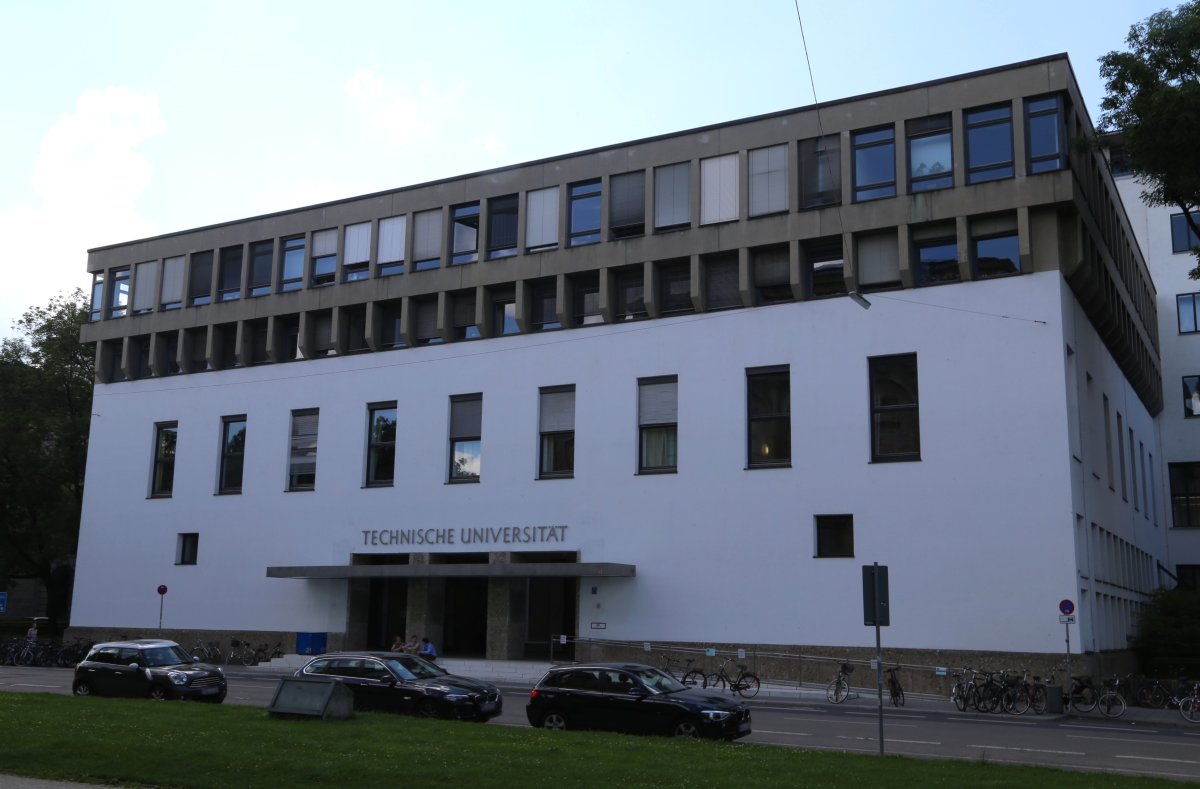
Photo: main building of the Technical University of Munich on Arcisstraße. Author: Rufus46 / Wikimedia Commons / CC BY-SA 3.0. Image is reduced in size.