




Key actors — tap for context
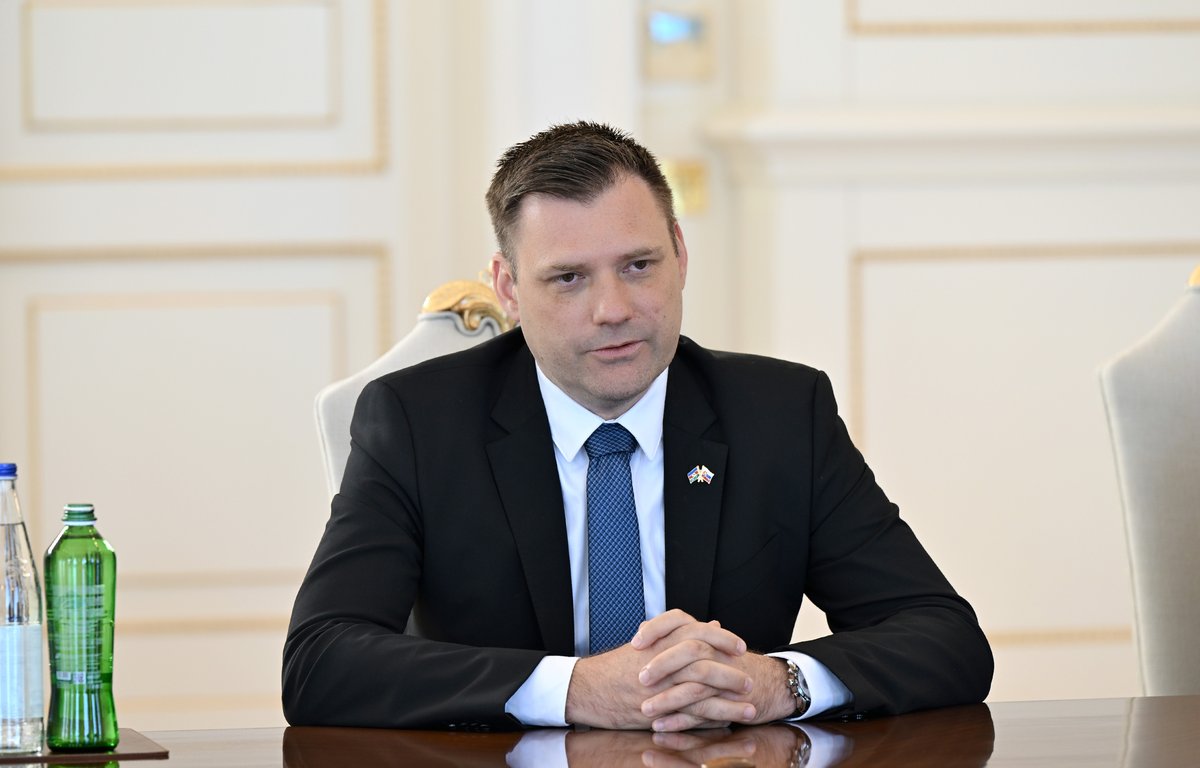
Daniel Jackson
Australian-British young man (b. 2004), self-proclaimed president of Verdis
Why here: The story's central figure – he declared the state as a teenager back in 2019, and today runs it in exile from England
More info →Verdis
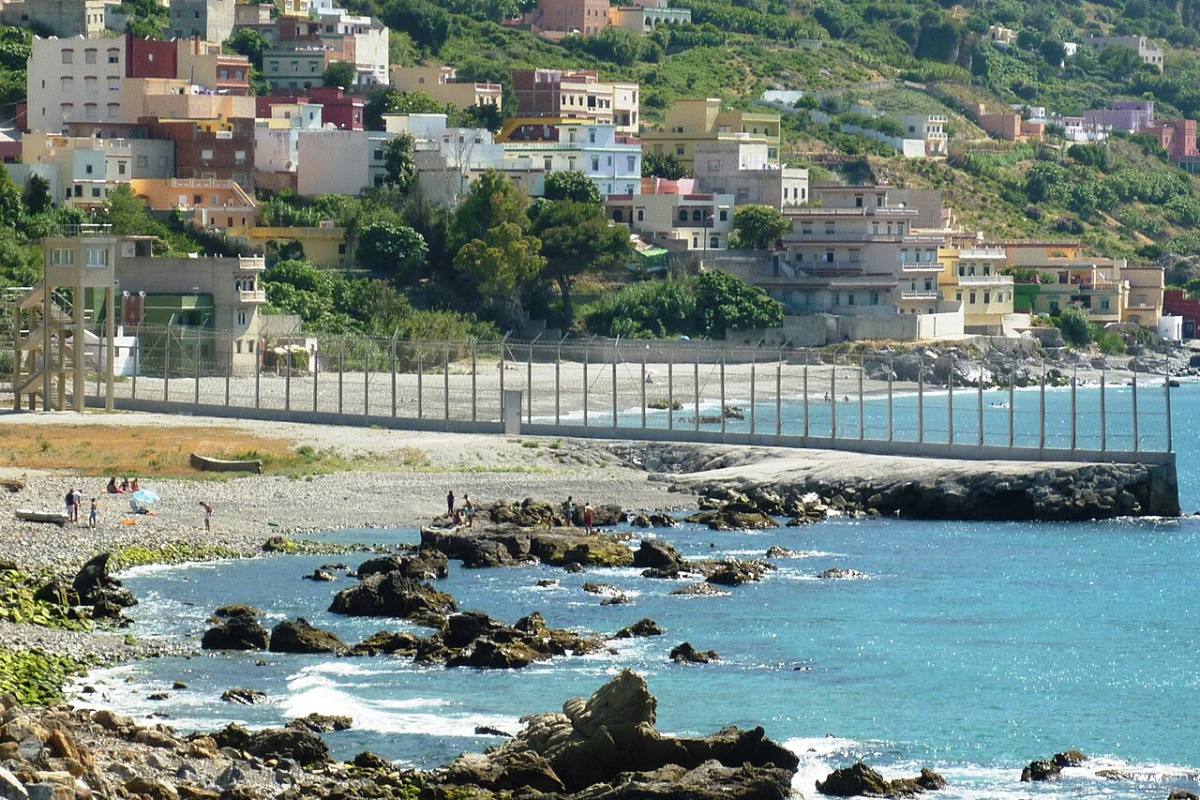
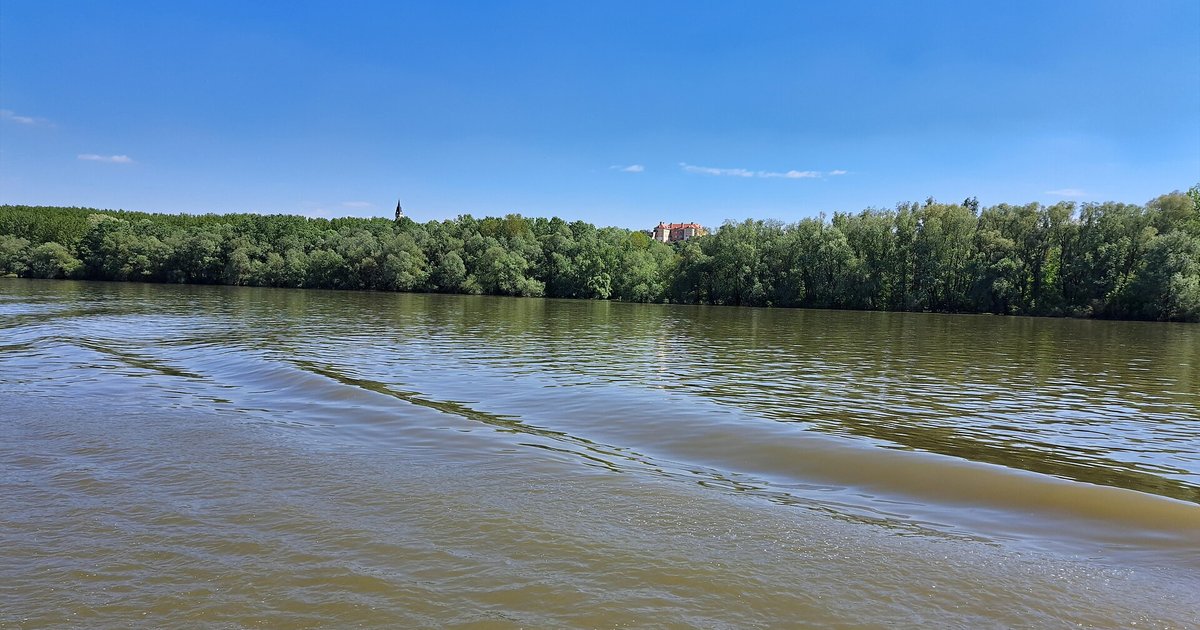
A micronation on roughly half a square kilometer of forest on the Danube between Croatia and Serbia
Why here: The "state" the whole article is about – it has a flag, a passport and a euro, but zero international recognitions
More info →
Liberland
An older libertarian micronation (2015) on a neighboring patch of land called Gornja Siga
Why here: The precedent Verdis both imitates and surpasses – a decade of a symbolic state without recognition
More info →
Vít Jedlička
Czech politician and founder of Liberland
Why here: Shows how earlier attempts to declare a state on the contested bank of the Danube turned out
More info →What the story says as the world tells it
CNN gave Verdis a headline that sums it all up: Daniel Jackson declared himself the world's youngest president – and then he was deported. CNN ↗The reports rely on the same narrative and on figures that largely come from Jackson himself. Born in Australia to British parents, he got the idea at age fourteen. "Verdis was an idea I had when I was fourteen... at first it was just an experiment with a few friends," Fox News quotes him as saying. Fox News ↗
The republic was declared on May 30, 2019, on a wooded strip of land about half a square kilometer in size – the so-called "Pocket 3" – on the western bank of the Danube between Croatia and Serbia. According to Jackson, the territory is terra nullius, meaning land claimed by no one, which remained in a legal vacuum due to the unresolved Croatian-Serbian border dispute over the river's course. Verdis has a flag, uses the euro as its currency, has English, Croatian and Serbian as official languages, and according to Jackson has around 400 accepted citizens out of more than 15,000 applications, some of whom also hold passports. Verdis recognizes no state. NBC News / AP ↗
What gets lost in the romantic framing
The reports are fond of emphasizing the curiosity, less so the uncomfortable part: Verdis lies on the European Union's external Schengen border. Jackson himself admits that people have already used Verdis documents to cross borders – which raises a security question as well. NBC News / AP ↗In October 2023, Croatian police dismantled the settlement, detained the settlers and expelled them. Jackson received a lifetime ban from entering Croatia, the others a three-month ban, and according to him, authorities installed cameras on the bank. LBC ↗ Today he runs the project as a "government in exile" from Dover, England, offering e-residency, investment programs, and maintaining "representations" in both Serbia and Britain. Plataforma Media ↗
And there is a precedent that Western texts mention only in passing: the decade-older libertarian micronation Liberland, founded in 2015 by Czech politician Vít Jedlička on the neighboring patch of Gornja Siga. A decade of a symbolic state, zero recognitions, and a riverbank to which Croatia repeatedly blocks access. Verdis differs from it in that it attempted actual settlement – and it was precisely for that that it ran into a harsher response. For a Central European reader, it is paradoxical how little domestic media write about a matter unfolding on a river right in their own backyard – while Anglo-Saxon and German newsrooms keep turning it into a recurring story.
Limits of this view
Most of the coverage originates in travel and lifestyle sections, not foreign-affairs desks – and the tone reflects that. Almost all the figures – the number of citizens, passports issued, even the claim about the cameras – come from Jackson himself; independent verification is lacking. "Terra nullius" is not a fact but his legal argument, one that international lawyers dispute: the gap exists only because Croatia and Serbia have not agreed on where the border runs, not because the land truly belongs to no one. And the romantic framing silently sidesteps the questions a reader in the Balkans would ask first – what this does to a gray zone sitting right on the EU border, reachable by boat from Croatia's Osijek.What hotinfo is following
- Whether Croatia will ease Jackson's lifetime ban and whether Verdis will return to the territory – Jackson claims it is "a question of when, not if."
- How e-residency and the investment programs will develop: there is a risk that the "experiment" will turn into little more than the sale of symbolic documents.
- Serbia's stance, where Verdis has a representation, and whether the frozen Croatian-Serbian border dispute on the Danube will move at all.
- The fate of Liberland as a barometer of whether any of the Danube micronations will ever gain international recognition.