





What Brussels approved
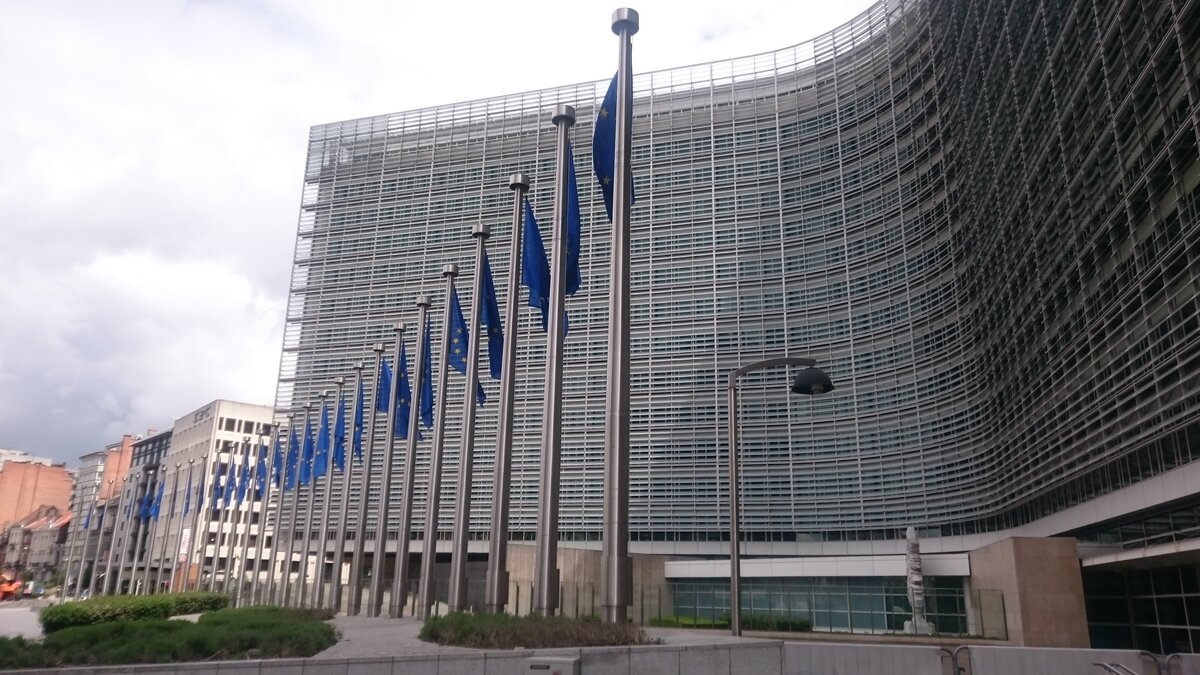
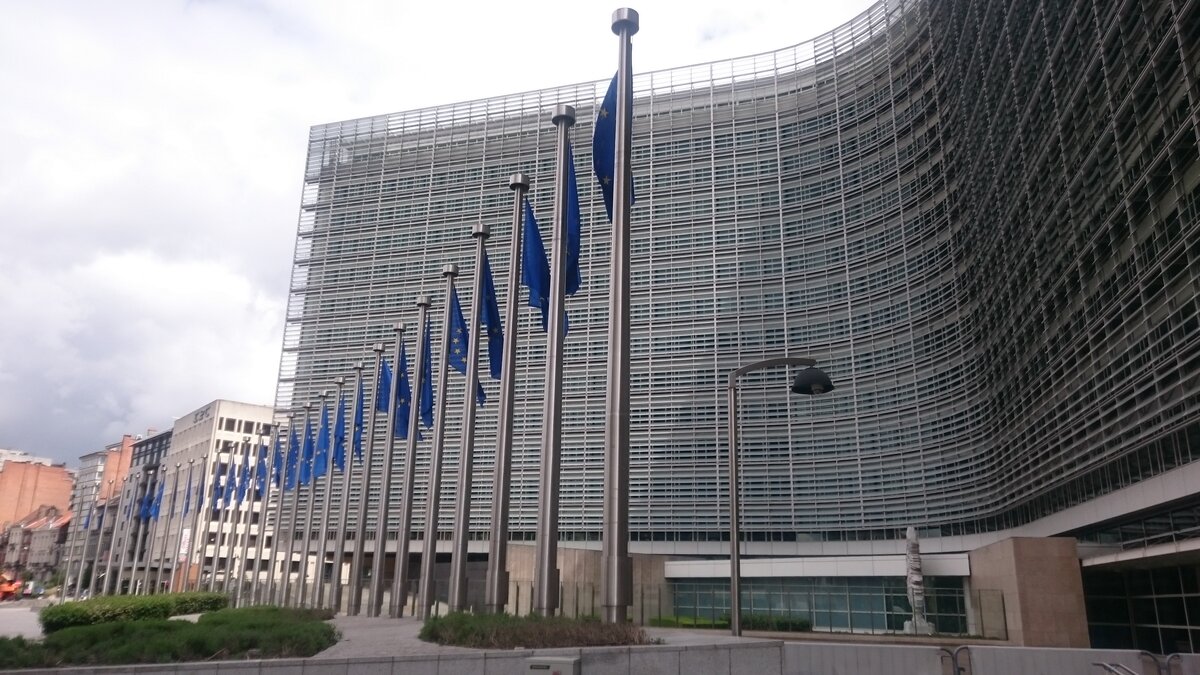
The largest sanctions package of the past two years contains 120 new individual listings. It targets 36 listings in Russia's energy sector, including oil extraction, refining, and transport, 46 additional tankers of Russia's shadow fleet (bringing the total to 632 vessels), and 20 Russian banks. The EU Council also froze the assets of 58 companies and associated individuals involved in the production of Russian drones and military equipment. Moscow Times ↗The part of the package that irritates Beijing most concerns measures against sanctions circumvention. The EU designated 16 entities based in China, the United Arab Emirates, Uzbekistan, and Belarus as suppliers of dual-use goods or weapons systems to Russia's military-industrial complex. Another 60 entities, of which 28 are in third countries (China including Hong Kong, Türkiye, Thailand, UAE), are now under tightened export controls. Európska komisia ↗
"We have finally broken the deadlock," declared EU foreign policy chief Kaja Kallas as the package was approved, which coincided with the unblocking of a 90-billion loan for Ukraine. Rada EÚ ↗
China's retaliation — OMNIPOL, Excalibur Army, VZLU, SpaceKnow
China's Ministry of Commerce responded already on Friday, April 24. It placed seven European companies on the export blacklist: Belgium's FN Herstal and FN Browning, Germany's HENSOLDT, and four Czech entities — the arms holding OMNIPOL, artillery equipment maker Excalibur Army, the Czech branch of the analytics firm SpaceKnow, and the aerospace research agency VZLU Aerospace. South China Morning Post ↗The mechanism is straightforward: Chinese exporters are prohibited from supplying these companies with dual-use goods and technologies, and the ban also applies to foreign intermediaries who might attempt to re-export Chinese goods. Beijing cited as the reason "participation in arms sales to Taiwan or cooperation with Taiwanese authorities." Until now, Beijing had used this tool mainly against American arms manufacturers — European companies appeared on the Chinese blacklist for the first time. RFE/RL ↗
In response, Excalibur Army stated that it does not use Chinese components and does not expect any impact on its business. The other companies have not yet responded. RFE/RL ↗
Beijing addressed the European package itself separately: a spokesperson for China's Ministry of Commerce expressed "strong dissatisfaction and firm opposition" to the inclusion of Chinese entities and warned that the EU "will bear all the consequences" if it does not withdraw them immediately. aktuality.sk ↗
Slovakia in the background — Druzhba as leverage
The EU was originally supposed to approve the package on February 24, on the fourth anniversary of the Russian invasion. The plan failed: Hungary and Slovakia blocked the sanctions after the Druzhba pipeline — through which Slovnaft and Hungary's MOL receive Russian oil — went down in mid-January. Prime Minister Robert Fico, after meeting with Viktor Orbán on April 4, openly said he would withdraw the veto only after flows were restored. EUobserver ↗The Druzhba pipeline resumed operation on April 21 after three months of silence, and Slovnaft returned the substitute supplies to the state. The Slovak side withdrew its veto on April 22, an hour before the 90-billion loan for Ukraine was unblocked. Fico also suggested that the flow through Druzhba could be stopped again if the EU approves the loan — a statement seen in Brussels as a continuation of pressure tactics. Ukrainska Pravda ↗
Hungarian context
In Hungary, the reason for the veto disappeared faster than in Slovakia. In the elections on April 12, Magyar's Tisza defeated Orbán's Fidesz decisively: according to preliminary results, Tisza won 138 of 199 seats, while Fidesz, after sixteen years in power, dropped to 55 seats. The new parliament will convene on May 9. It was precisely this shift that opened the way for Brussels — Magyar repeatedly promised that Hungary would stop blocking aid to Ukraine. CNN ↗What it means and what comes next
With the export ban on European arms manufacturers, China used, for the first time, a tool it had until now reserved for American companies following arms sales to Taiwan. Brussels is thereby reinforcing the line it has pursued since previous packages: that some Chinese and other third-country entities are helping Russia circumvent sanctions. From Washington's perspective, the European-Chinese escalation may be politically advantageous, but the EU does not officially frame it as part of the American tariff confrontation with Beijing. Kharon ↗For the Czech government, the Chinese blacklist is a political signal from Beijing toward Prague. OMNIPOL, Excalibur Army, VZLU Aerospace, and SpaceKnow form the core of Czech defense exports, which over the past two years, thanks to the Ukrainian ammunition initiative, have also shifted significantly toward Taiwan — according to novinky.cz, in the first quarter of 2026 alone Prague purchased [Taiwanese drones worth almost 100 million dollars, more than the rest of the world combined](https://www.novinky.cz/clanek/ekonomika-cesko-koupilo-vic-tchajwanskych-dronu-nez-cely-zbytek-sveta-dohromady-40575365). Excalibur Army claims it does not use Chinese components. Whether the same holds for OMNIPOL and VZLU Aerospace remains an open question. novinky.cz ↗
For Slovakia, the open question is what Prime Minister Fico sees in this framework. After withdrawing the veto last week, he maintained his threat regarding Druzhba — when the 90-billion loan was approved, he suggested he might still halt the flow. If Brussels launches the loan in full and Slovnaft resumes purchasing Russian oil, another conflict could arise over the 21st package, which the European Commission, by its own statements, is already working on. Kyiv Independent ↗
What hotinfo is watching
- A widening of the Chinese blacklist — whether Beijing adds more EU firms. MOFCOM, Reuters, SCMP
- The response of OMNIPOL, VZLU and SpaceKnow — admitting or denying exposure to Chinese suppliers
- The Czech government's response — whether the foreign ministry formally condemns the blacklist or stays passive
- Magyar's parliament on May 9 — its stance on the continuing line towards Russia
- Fico's statement on Druzhba when the 90-billion loan for Ukraine is approved
- Bilateral EU–China talks — the annual summit, postponed or cancelled
- The 21st sanctions package — which entities the Commission proposes and where a Slovak or Hungarian veto lands→ O čom píše Európa: Trump uvalil clá na 60 krajín aj EÚ, Španielsko v núdzovom s…EÚ definitívne schválila 21. balík sankcií 23.7.2026 (48 osôb, 170 organizácií, vrátane Putinovho vyjednávača Medinského; energetika, financie, krypto, 30 plavidiel tieňovej flotily). SK/HU veto nenastalo. Doložené bulletom v našom agregáte z 24.7.