

In making the announcement, Zelenskyy left no room for false optimism: "Our experts have secured the basic conditions for resuming operations. However, no one can currently guarantee that Russia will not repeat attacks on this infrastructure." Euronews ↗
The EU co-financed the repair
The Brody hub is a key transit station for Russian oil heading to Central Europe. Its repair took three months and, according to the Hungarian outlet Telex, was co-financed by the EU — Commission President Ursula von der Leyen and European Council President António Costa announced "rapid assistance from European sources" in March, without specifying an exact amount. Telex ↗ Zelenskyy had already promised in mid-April that the restoration would be finished by the end of the month — a deadline he met. Ukrainska Pravda (14.4.) ↗A Kyiv–Budapest trade-off
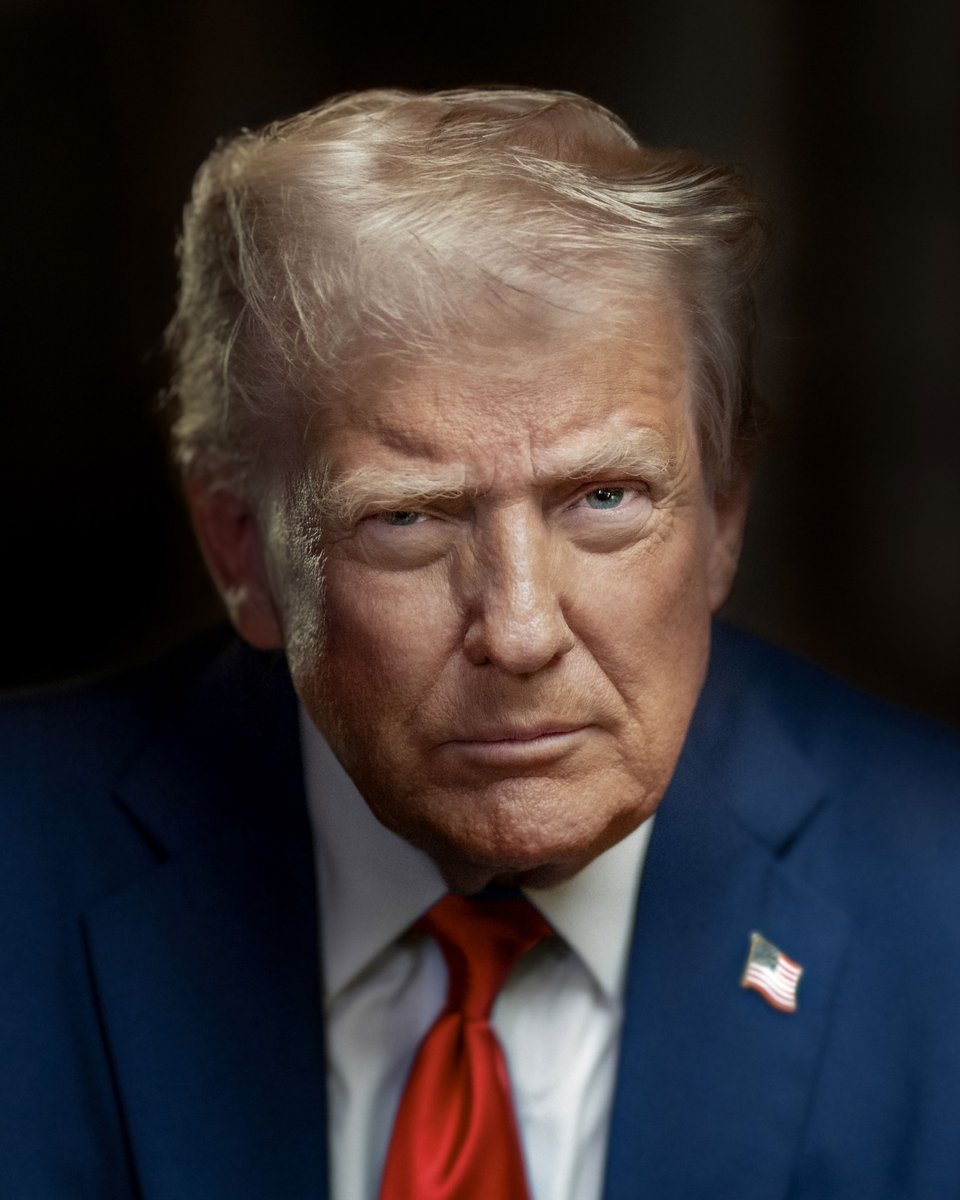
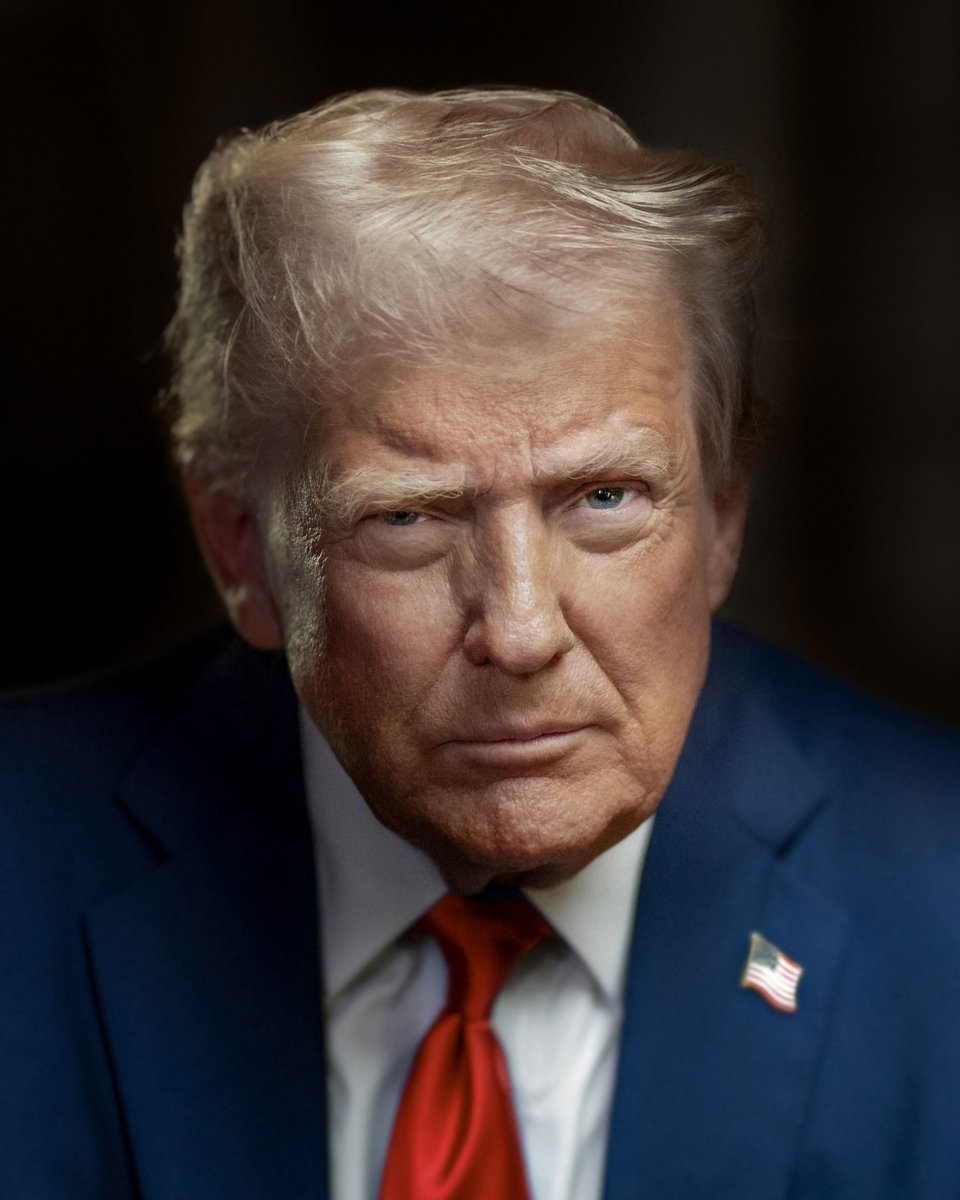
The restoration of Druzhba was in practice linked to the release of a large EU financial package for Ukraine worth approximately 90 billion euros, which EU leaders backed in December 2025. Budapest had been withholding its approval since February. Hungarian Foreign Minister Péter Szijjártó formulated the equation explicitly: as long as oil does not flow through Druzhba, the money for Kyiv will not move. Telex ↗On Sunday, April 19, Viktor Orbán — who lost his majority in the elections — signaled for the first time a willingness to back down. "If deliveries resume on Monday, the veto falls," he said in a Facebook video. Portfolio ↗
The leader of the victorious opposition, Péter Magyar, took a two-track position. He has no intention of blocking the loan for Ukraine — Hungary is not even a participant in it. But before the repair was completed, he pressed Zelenskyy just as Orbán did: "Open Druzhba, if it's technically fine." Telex ↗ Zelenskyy responded conciliatorily, saying Magyar "can open a new chapter in bilateral relations." Index.hu ↗
Slovnaft returned a substantial portion of state reserves
Slovakia declared a state of oil emergency on February 18 — three weeks after deliveries stopped. The government released a loan of up to 250,000 tons of oil to Slovnaft from state material reserves; the government made the same amount available again on March 11 after negotiations with President Pellegrini. Úrad vlády SR ↗The Bratislava refinery combined the loan with imports from Libya, Saudi Arabia, and Norway by sea, and with tests on the Croatian Adria pipeline. As of April 21, it had returned 65,000 tons of oil to the reserves and announced that it would return the remaining 40,000 tons early next week. Energie-portal.sk ↗
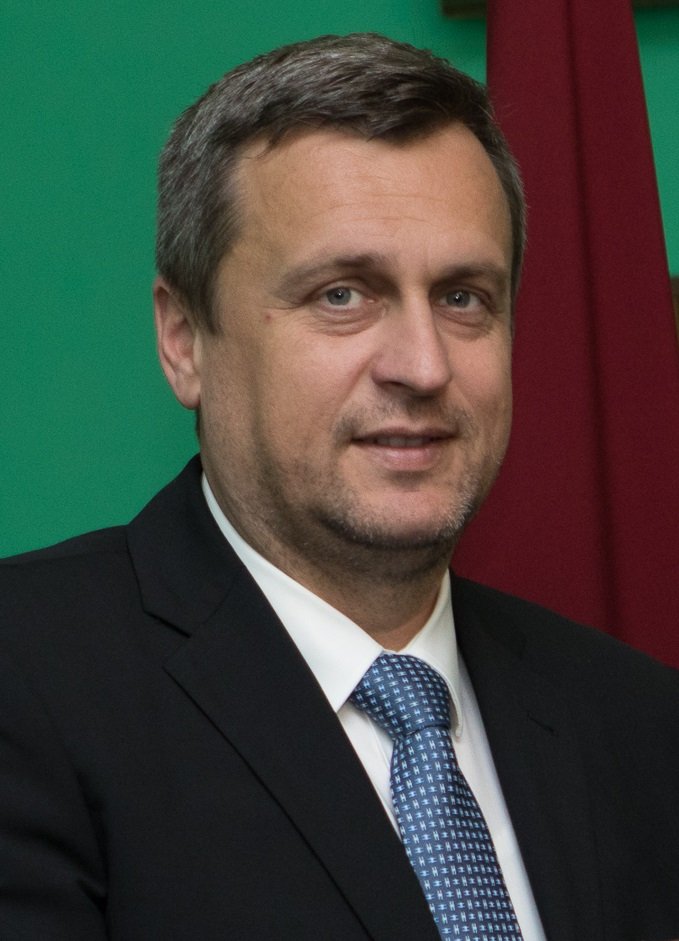
Prime Minister Fico criticized the high tariffs of the Croatian operator JANAF — in his view triple Druzhba's standard fees — and accused Zelenskyy of "political blackmail." Hydrocarbon Processing ↗ The Druzhba dispute had long been a domestic topic for Fico: he had hinted at the possibility of restricting electricity supplies to Ukraine and blocking its integration into the EU. Wikipedia – 2026 Slovak-Ukraine oil dispute ↗
The view from Warsaw and Kyiv
Poland has the northern branch of Druzhba — from Belarus through Płock to Gdańsk — but has practically not imported Russian oil via this route since 2023. Moreover, the Naftoport tanker terminal in Gdańsk allows for the re-export of oil to Europe, so Warsaw is not dependent on the restoration of the southern branch. Wikipedia – Druzhba ↗For Kyiv, Druzhba was a political dilemma: it brought in transit fees, but at the same time fed the Russian economy. On Tuesday, Zelenskyy noted that the repair had proceeded "as agreed with the EU" — that is, as part of a broader package including approximately 90 billion euros in aid and a new round of sanctions, which Budapest had been withholding until now. Bloomberg ↗
What to watch
According to RBC-Ukraine, the first actual restart of deliveries is planned for Wednesday, April 22. RBC-Ukraine ↗ On the same day, EU member state ambassadors will meet in Brussels and may finally unlock the financial package worth approximately 90 billion euros.Longer-term questions remain unresolved. The exemption from sanctions on Russian oil for Slovakia, Hungary, and Czechia ends in 2027. Without the expanded Adria pipeline and the planned Hungarian-Serbian connection from Novi Sad, it will be difficult for Bratislava and Budapest to replace Russian flows. Euronews fact check ↗
The restoration of Druzhba is a transactional truce, not a strategic solution. All it takes is another drone, and the same equation starts all over again.