



The International Consortium of Investigative Journalists — VSquare, OCCRP, FRONTSTORY, The Insider, and the Ján Kuciak Investigative Center — published on Tuesday another part of an investigation titled "Kremlin Hotline." New call transcripts and audio recordings suggest that the relationship between Hungarian Foreign Minister Péter Szijjártó and Russian foreign policy chief Sergey Lavrov was not merely diplomatic courtesy — the investigation describes it as systematic coordination lasting at least four years. According to the authors, the authenticity of the recordings is confirmed by several intelligence sources and independent audio experts, though their complete independent verification has not yet been published. VSquare ↗
One of the most serious findings, according to the investigation, is an offer to hand over EU documents. According to a transcript of a call from July 2, 2024, Lavrov asked Szijjártó for negotiating materials on sanctions. According to the recording, Szijjártó agreed: "I'll send it to my embassy in Moscow and my ambassador will forward it to your chief of staff." According to investigators, this was, with high probability, the EU negotiating framework, which they say was already partially public at the time. One Western intelligence officer characterized this offer to investigators as "a loyalty test — something like checking willingness to carry out tasks." VSquare ↗
In one of the transcribed conversations, according to the investigation, Szijjártó told Lavrov: "You know, Sergey, I'm always at your disposal." According to a cited EU official, the dynamic of their relationship resembled, in his view, more the relationship of a handling officer and an agent than that of equal diplomats. Szijjártó rejects this characterization and describes his contacts with Lavrov as a normal part of diplomacy. OCCRP ↗
Another call from the summer of 2025, according to the investigation, captures Szijjártó in conversation with Russian Deputy Energy Minister Pavel Sorokin. In it, according to the transcript, Szijjártó states that he managed to remove 72 Russian entities from the European sanctions list — out of a total of 128 he was pursuing. At the same time, according to the recording, he asked Sorokin to help him identify "direct and negative impacts on Hungary," which would give him arguments before other EU members. "If you can show me something like that, you'll give me a completely different opportunity," he said according to the transcript. According to the investigation, he subsequently used these materials in negotiations at the EU Council. OCCRP ↗
The investigation also cites specific cases — including Gulbahor Ismailova, sister of Russian oligarch Alisher Usmanov. In a recording from August 2024, according to the record, Szijjártó told Lavrov: "Together with the Slovaks, we are submitting a proposal for her removal. We will do everything in our power." Ismailova was indeed removed from the EU sanctions list in March 2025. Euronews ↗
Part of the investigation also concerns the question of Ukraine's EU accession. According to VSquare, Budapest has systematically used the issue of the rights of the Hungarian minority in Ukraine's Zakarpattia region — approximately 100,000 people — to slow down accession negotiations. According to investigators, the recordings show that Szijjártó and Lavrov coordinated a joint approach: linking Russian and Hungarian minority demands, even though these are separate issues. During the European Council session on December 14, 2023, according to the transcript, Szijjártó called Lavrov directly from Brussels to explain Hungary's negotiating strategy. Lavrov replied to him: "Sometimes direct blackmail with good intentions is the best option." VSquare ↗
On Tuesday, Politico also published the content of a 12-point cooperation plan between Hungary and Russia signed on December 9, 2025. The document commits both sides to "reverse the negative trend" in bilateral trade and expand cooperation in energy, industry, healthcare, and construction — including Russian participation in Hungarian nuclear, hydrogen, and electricity projects. The Moscow Times ↗
Budapest's contacts, according to the Washington Post, reach beyond Moscow as well. The paper reported on Tuesday that after the attack on Hezbollah members with exploding pagers in September 2024, Szijjártó phoned Iranian Foreign Minister Abbas Araghchi and offered intelligence service cooperation. "Our secret service has already contacted your services, and we will provide all the information we have gathered during the investigation. Every possible document will be shared with your services," he said, according to a record of the call from September 30, 2024. Hungary publicly condemns terrorism and supports Israel — which, according to analysts, points to a broader and sometimes contradictory network of partnerships within Orbán's government. Washington Post ↗
Tension ahead of the elections is further heightened by the visit of US Vice President JD Vance to Budapest, who openly supported Orbán and accused the EU of interfering in the elections. The German government responded on Wednesday that the mere fact of Vance's presence "speaks for itself," calling his accusations hypocritical. The Guardian ↗
Szijjártó rejects all accusations. He describes the leaked recordings as a "coordinated intelligence operation" aimed against the Hungarian elections, and characterizes his contacts with both Moscow and Tehran as standard diplomacy in Hungary's interest. The Hungarian government has long maintained that its stance on sanctions is based on national economic interests and energy security. Orbán has ordered an investigation into the origin of the recordings. As of the date of publication, no definitive independent verification of the recordings' authenticity had been published. France 24 ↗
The elections take place on Sunday, April 12. According to a poll by the Median agency, the opposition Tisza party, led by Péter Magyar, could win a constitutional majority. The question remains whether the findings of the investigation will influence the decisions of undecided voters — or remain without significant impact.
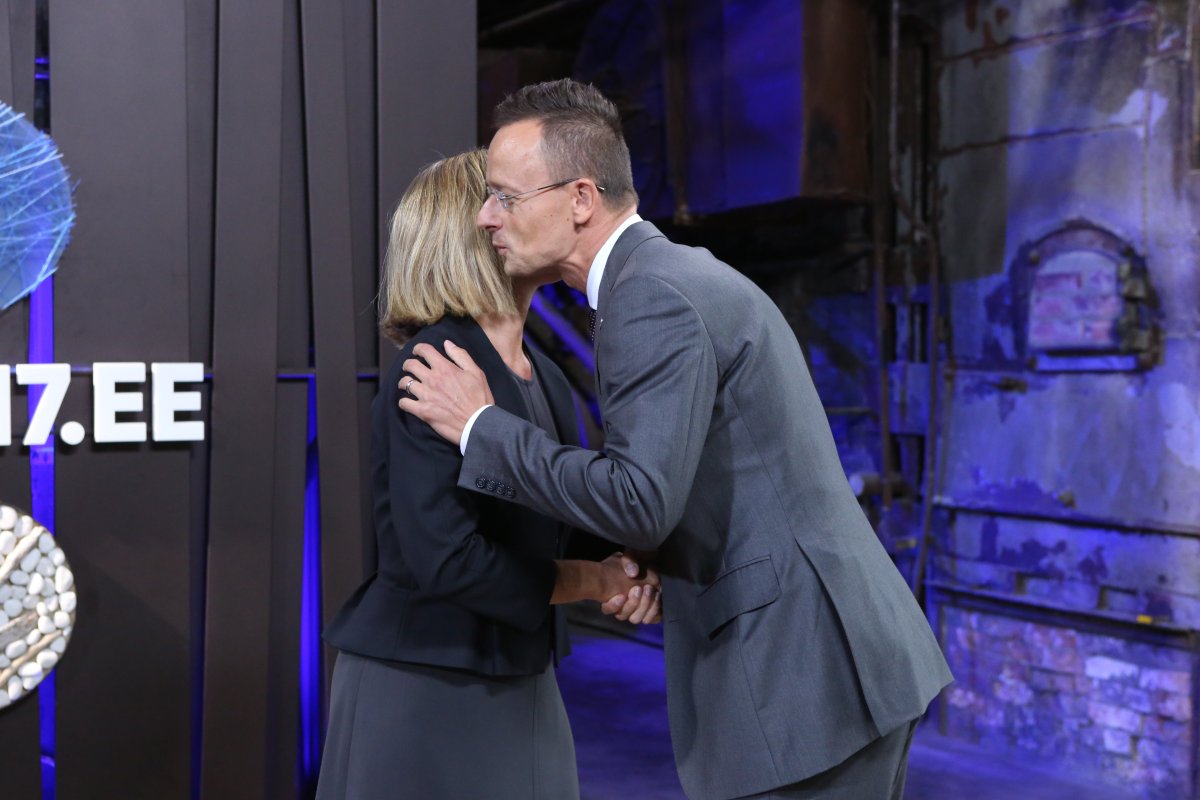
I'll send it to Moscow: leaked calls between Szijjártó and Lavrov reveal the backstage of EU sanctions
🔥 You might also like
📰
World Politics
Brussels demands explanation from Hungary over Lavrov information leak scandal
The European Union has called on Hungary for an urgent explanation regarding media reports alleging that Foreign Minister Péter Szijjártó supplied ...
📰
Economy & Business
Czechia to reassess relations with Hungary, government wants to block constitutional entrenchment of EU membership
President Petr Pavel called on Czechia to reassess relations with Hungary after it emerged that Hungarian FM Péter Szijjártó held secret talks with...
📰
World
Brussels asks Hungary for an explanation over massive information leak to Moscow
President Petr Pavel called on Czechia to reassess relations with Hungary after it emerged that Hungarian Foreign Minister Péter Szijjártó held secret talks wit …
Geographic locations
From our newsroom original
All →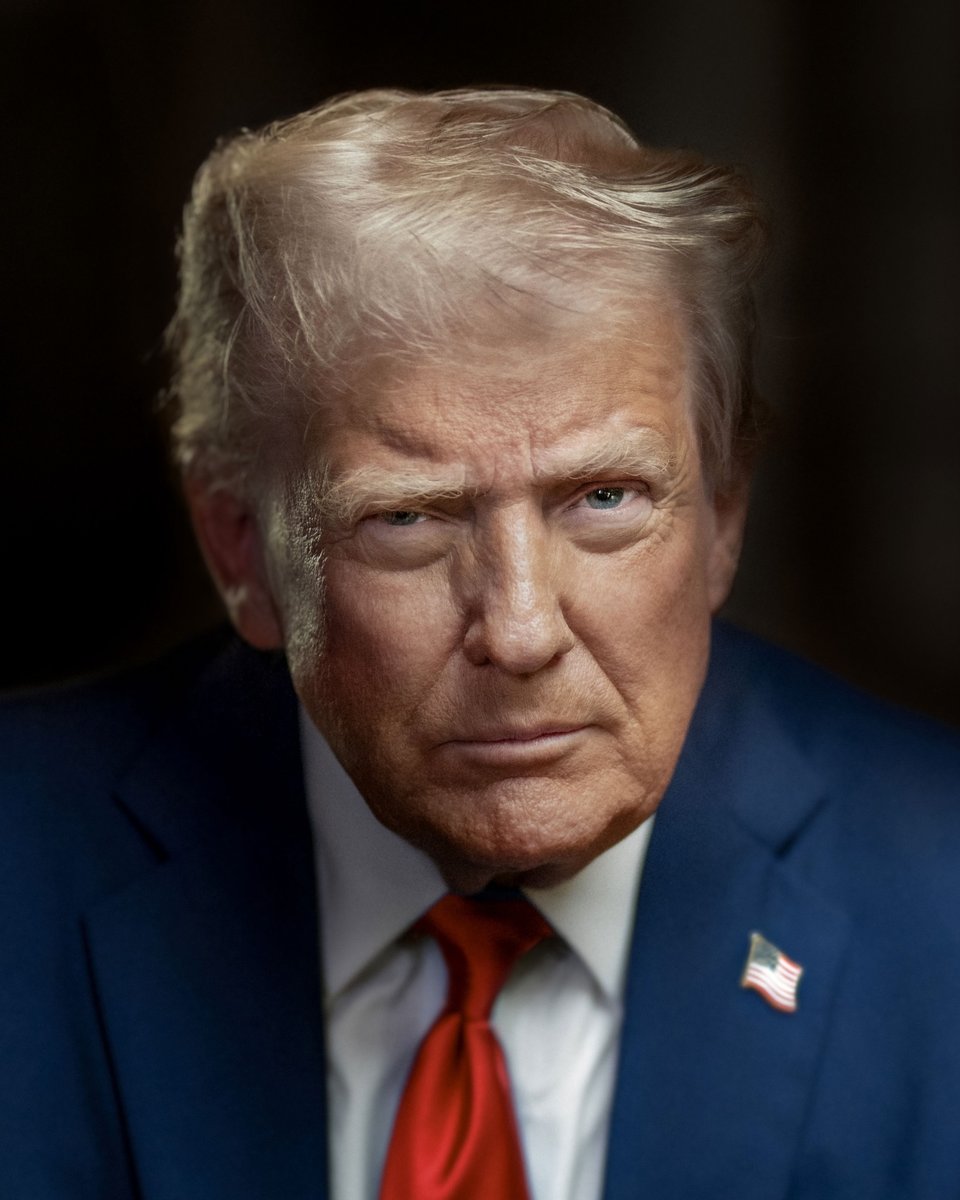
Trump Expands Symbolic Projects in Washington and on Iran
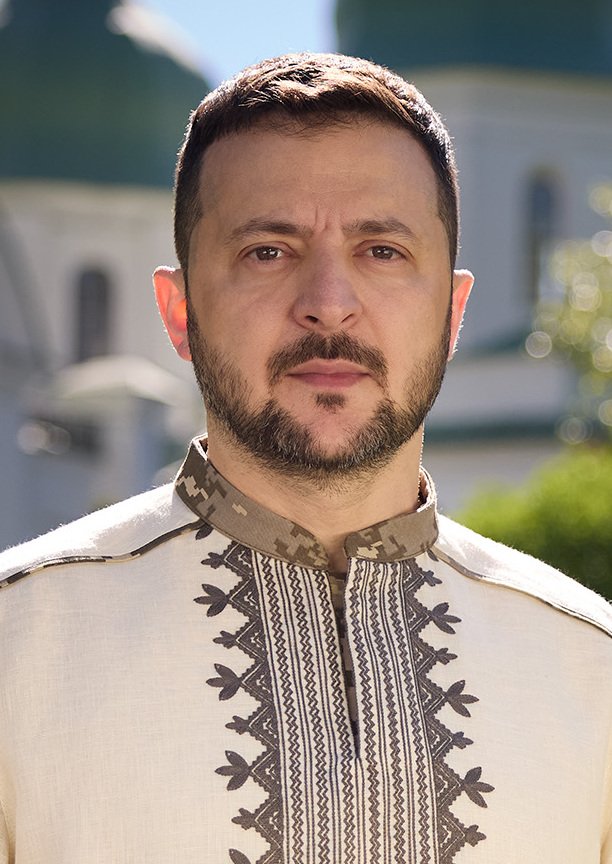
Russian drone hit SBU headquarters in central Kyiv
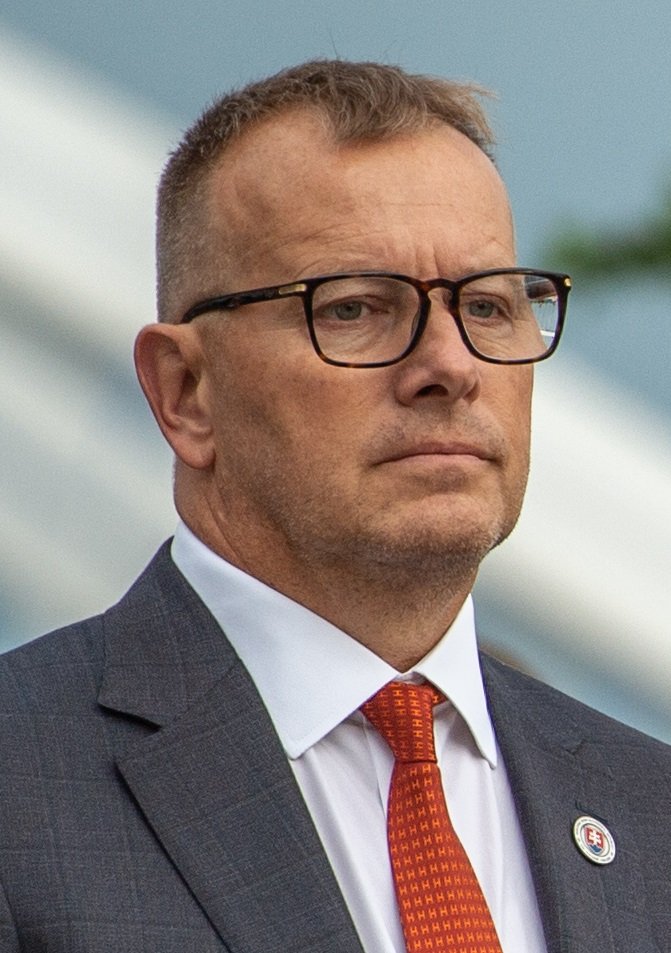
Recording Raises Questions About Money for Winkler's Campaign
Dutch livestock farmers face a cut in production rights. A 20-billion-euro nitrogen package is not enough on its own, the state agency finds

Romania moved 134 prisoners from prison before inspection by Council of Europe committee

airBaltic wants to borrow 257 million at 25 percent interest. Prague is among the cancelled routes.
Italian Ex-General Branded as Moscow's Trojan Horse. Distrust Growing in Meloni's Party, But Evidence Lacking

What Europe writes about: Russia closes Goethe Institute, Iran attacks targets in Kuwait, Malta releases Fenech


