

Key actors — tap for context

Khalid bin Salman
Saudi defense minister and brother of Crown Prince Mohammed bin Salman
Why here: led the Saudi delegation in Tehran
More info →
Asim Munir
chief of the Pakistani army with the rank of field marshal
Why here: represented Pakistan, which is also mediating talks between Washington and Tehran
More info →
Ibrahim Kalin
head of Turkey's intelligence service MIT, previously a longtime spokesperson and adviser to President Erdoğan
Why here: represented Turkey, which has not yet ratified the pact
More info →
Mohsen Rezaei
secretary of Iran's Supreme National Security Council, former commander of the Revolutionary Guards
Why here: hosted the meeting, described by El País as a hardliner
More info →
Masoud Pezeshkian
Iranian president
Why here: received the delegations and called for unity among Islamic countries
More info →
Abbas Araghchi
Iranian foreign minister
Why here: took part in the meeting with the pact delegations
More info →
Ali Bagheri Kani
deputy secretary of Iran's Supreme National Security Council, former acting foreign minister
Why here: announced on state television who would be coming to Tehran
More info →
Esmaeil Baghaei
spokesperson for Iran's Ministry of Foreign Affairs
Why here: listed the topics Tehran wanted to discuss at the meeting
More info →
Abdel Fattah el-Sisi
Egyptian president
Why here: parliament approved on Monday the possibility of sending military support to Saudi Arabia
More info →
Hakan Fidan
Turkish foreign minister
Why here: said in early October, according to NOS, that the Mecca Pact is not an offensive pact
More info →
Badr Abdelatty
Egyptian foreign minister since 2024
Why here: said, according to Habertürk, that Cairo is seriously considering joining the pact
More info →
Turki al-Malki
Saudi air force major general and spokesperson for the Saudi-led coalition
Why here: announced the shooting down of a missile headed for Riyadh
More info →
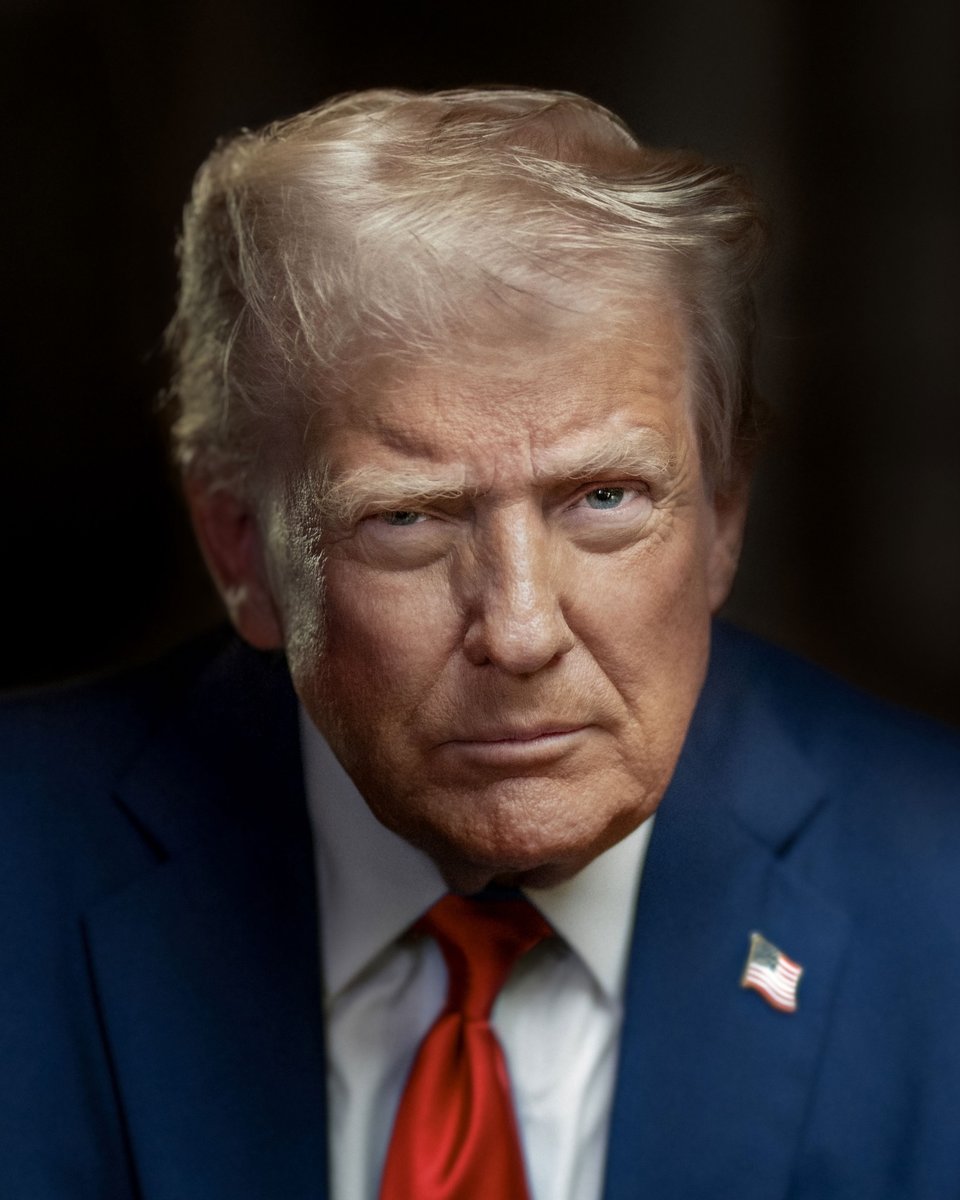
Donald Trump
president of the United States
Why here: according to Kurier, hinted that strikes on Iran could continue after the congressional elections
More info →Ali Vaez
deputy director of the Middle East and North Africa program at the International Crisis Group
Why here: called the trip to Tehran a last-minute attempt
Paul Salem
analyst at the Washington think tank CSIS
Why here: described the American security umbrella to NOS as "full of holes"

Ayesha Siddiqa
Pakistani political scientist at King's College London
Why here: argues that neither Turkey nor Pakistan can afford to send troops to Yemen
More info →
Houthis
Yemeni Shiite rebel movement supported by Iran, which has controlled Sanaa since 2014
Why here: their attacks on Saudi Arabia are the main reason the pact was activated for the first time
More info →Who Came and What Was Discussed
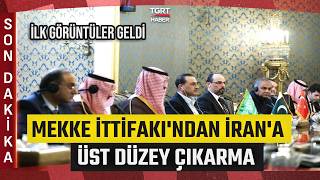
The Saudi delegation was led by Defense Minister Khalid bin Salman, Pakistan was represented by army chief Asim Munir, and Turkey by MIT intelligence chief Ibrahim Kalin. The host was Mohsen Rezaei, secretary of the Supreme National Security Council, and President Masoud Pezeshkian and Foreign Minister Abbas Araghchi also sat at the table. Milliyet ↗ Al Jazeera ↗The first footage from the negotiating room was broadcast by Turkey's pro-government television TGRT Haber. It is a short loop of official photographs from the meeting with Turkish commentary. TGRT Haber (YouTube) ↗
The Saudi Ministry of Foreign Affairs speaks of an effort toward de-escalation and support for the mediation led by Qatar and Pakistan. TRT Haber ↗ Iranian spokesperson Esmaeil Baghaei listed as topics Israeli policy in the region, Palestine, Lebanon, and the consequences of the American and Israeli attack on Iran. Spain's El País notes that Rezaei belongs to the hardline faction, meaning that any agreement he is involved in would have a better chance of not being blocked by someone in Tehran. El País ↗
Tehran set one boundary in advance. An unnamed senior Iranian official told Reuters that the nuclear program would not be discussed at the meeting, and that the US must first meet Iran's conditions for ending the war. According to him, these include lifting the American blockade of Iranian ports, easing sanctions on oil exports, and ending fighting on all regional fronts. Naftemporiki (Reuters) ↗
A Pact That So Far Defends More Through Words Than Soldiers
Dutch outlet NOS notes that the pact's first test has already been underway for three weeks. The Houthis are shelling Saudi airports and energy facilities, Turkey has supplied air defense and technicians only for defensive tasks, and Turkish Foreign Minister Hakan Fidan said earlier this month that it is not an offensive pact. According to sources cited by The New York Times, Pakistani fighter jets joined strikes on the Houthis last week. Pakistan, however, firmly denies this. NOS ↗Paul Salem of the Washington think tank CSIS explains to NOS why the pact was created in the first place: Gulf countries have relied for decades on the American security umbrella, which he says is now full of holes. NOS ↗ Ayesha Siddiqa of King's College London told Al Jazeera that neither Turkey nor Pakistan can afford to send ground troops to Yemen. Al Jazeera ↗
Monday also showed why the situation is so tense. Coalition spokesperson Turki al-Malki announced that air defenses shot down a ballistic missile headed for Riyadh and that the coalition destroyed four launchers and a missile depot. The Houthis, however, claim that a missile hit Riyadh's international airport and that drones struck pumping stations along the East-West pipeline. Neither claim has been confirmed by an independent source. La Libre (AFP) ↗ The pipeline is important for Riyadh because it carries oil to the Red Sea bypassing the Strait of Hormuz. TRT Haber ↗
Egypt Approves Aid, Ankara to Vote
The Egyptian parliament approved on Monday President Sisi's option to send military support to Saudi Arabia if requested. Sisi had previously said this would involve defending Saudi territory, not an attack on Yemen. TASR ↗ Egyptian Foreign Minister Badr Abdelatty, according to Turkey's Habertürk, said Cairo is still seriously considering joining the Mecca Pact. Habertürk ↗In Ankara, the parliament's foreign affairs committee is set to discuss the pact's ratification law on Tuesday at 11:00. The daily Cumhuriyet notes that the agreement has 16 articles and treats an external attack on one party as an attack on all. Cumhuriyet ↗
Why This Matters for Slovakia Too
The reference European gas contract TTF rose on Monday to €97.64 per megawatt-hour, the highest since the end of 2022. It has risen about a third since the start of October and more than tripled since the start of the year. The main reason is the war with Iran and the Strait of Hormuz. ORF ↗ TASR ↗ Electricity for Slovakia with delivery next year cost €170.81 per megawatt-hour on the Prague exchange on Friday, up from €163.08 a week earlier. Trend ↗Kurier notes that Donald Trump hinted at resuming strikes on Iran after the US elections on November 3. Kurier ↗ Ali Vaez of the International Crisis Group called the trip to Tehran a last-minute attempt: "Unless they arrive with a credible formula to bridge the US-Iran divide, they may find themselves with little more than goodwill in a race against the clock." Al Jazeera ↗
Limits of This Account
What we know about the course of the meeting comes mainly from official Iranian and Saudi statements and from Turkish media close to the government. An independent account of what was said behind closed doors is lacking. The statement about the nuclear program comes from an unnamed official. The report about the involvement of Pakistani fighter jets was obtained by NOS from The New York Times, and Islamabad denies it. The casualty figures and claims of shootdowns come from the parties to the conflict. Slovak media reported on the meeting mainly as an Iranian negotiation with regional powers, while NOS and El País read it as the pact's first joint appearance; both, however, rely on the same official sources.What hotinfo Is Monitoring
- The Turkish parliament has approved ratification of the Mecca pact.
- Egypt has formally joined the Mecca pact or sent troops to Saudi Arabia.
- The four countries have met again at the level of security chiefs.
- The Houthis and Saudi Arabia have declared a ceasefire or the attacks on Saudi territory have stopped.
- The US has resumed strikes on Iran.
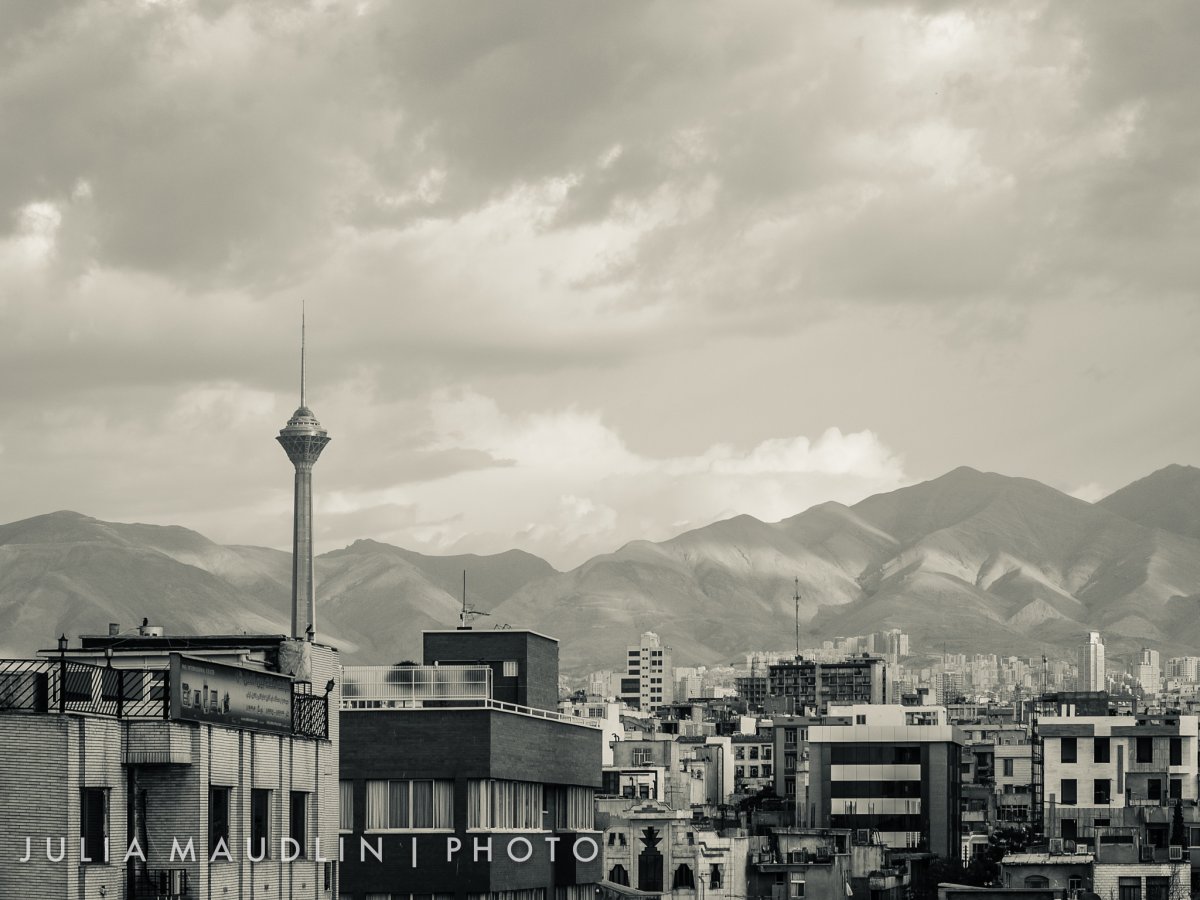
Illustrative photo: Tehran with the Milad Tower and the Alborz mountains, Julia Maudlin, CC BY 2.0, Wikimedia Commons.