

Key actors — tap for context

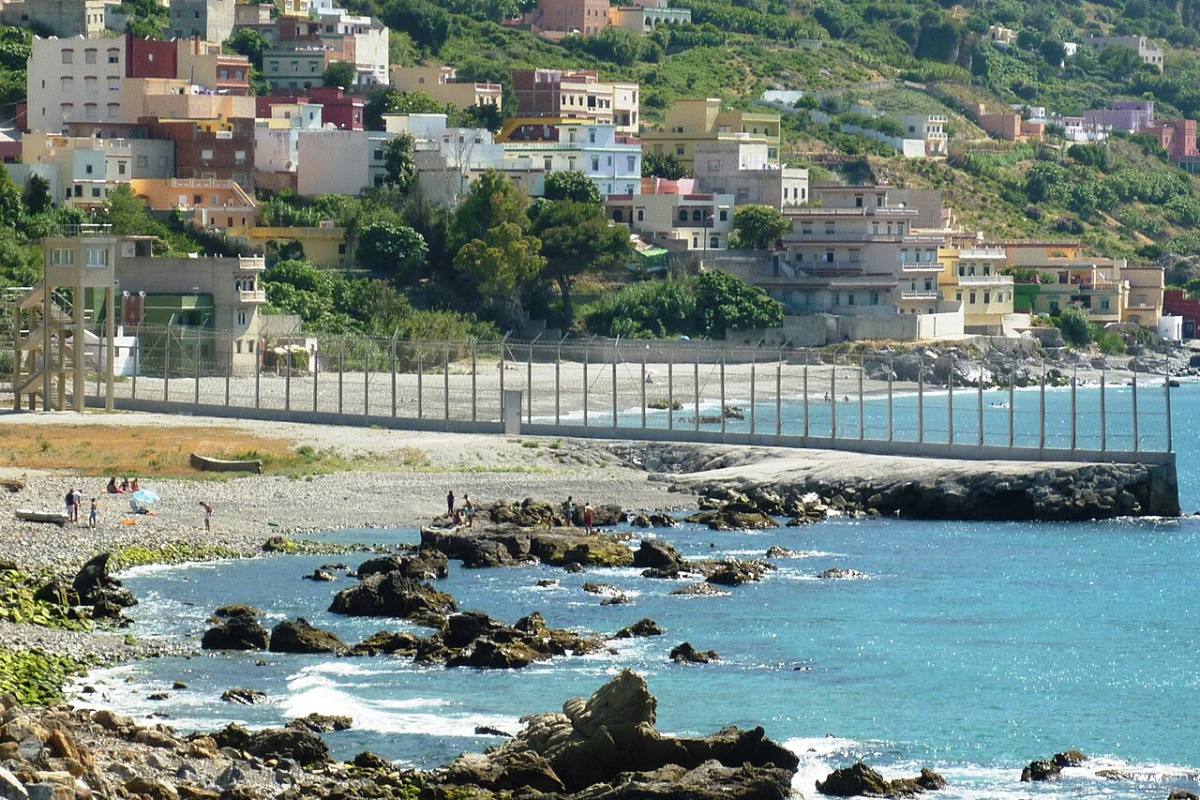
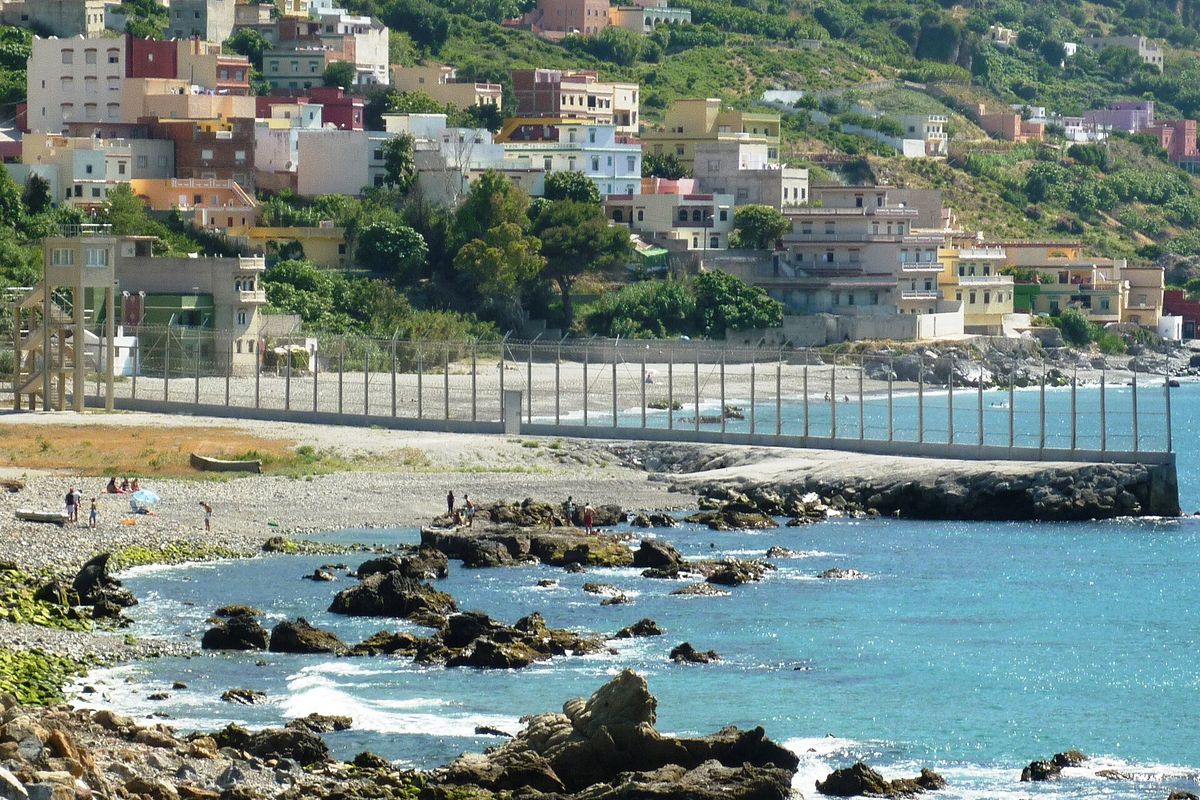
Ceuta
Spanish city on the North African coast, one of two Spanish enclaves in Morocco along with Melilla
Why here: The entry of tens of thousands of migrants into the city triggered a crisis that brought the question of energy dependence back into play
More info →
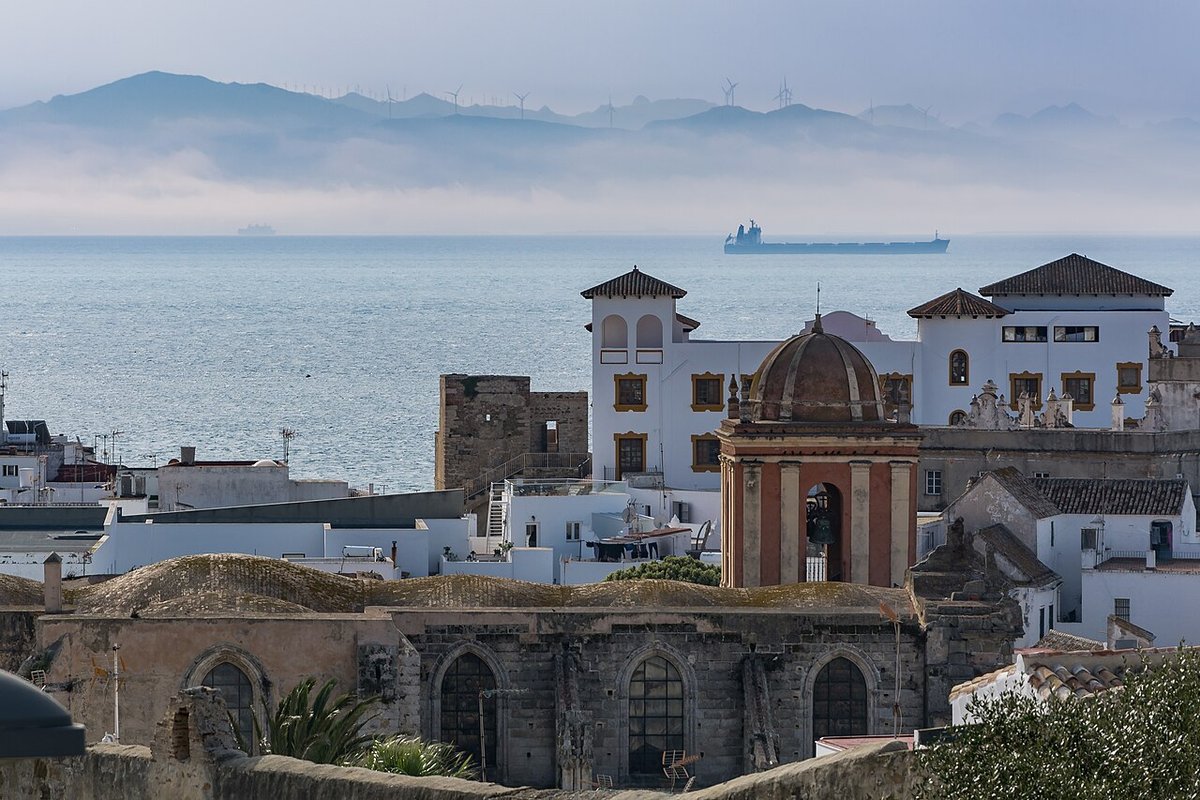
Tarifa
The southernmost city of continental Spain in the province of Cádiz, the closest point in Europe to Africa
Why here: Here begins the submarine electrical interconnection with Morocco
More info →Red Eléctrica
A semi-public Spanish company, operator of the Spanish transmission system since 1985
Why here: It operates the interconnection together with its Moroccan partner
More info →
Luis Atienza
Spanish economist, former minister of agriculture and chairman of Red Eléctrica from 2004 to 2012
Why here: Under his leadership the second interconnection was created; today he warns against its use as a leverage tool
More info →
Jorge Dezcallar
Spanish diplomat, former director of the intelligence service CNI and Spanish ambassador to the USA from 2008 to 2012
Why here: During the construction of the second cable, he was ambassador to Morocco; today he does not rule out energy as a weapon
More info →
Mohamed VI
King of Morocco since 1999
Why here: The industrial policy of his government is based on reliable electricity supply
More info →Ignacio Urbasos
Researcher of the Global Affairs program at the University of Navarre specializing in energy
Why here: He admits that Spain could interrupt the supply, albeit at the cost of loss of trust
Tánger Med
Moroccan port and industrial zone at the Strait of Gibraltar, one of Africa's largest transshipment hubs
Why here: Center of the automobile and electronics industry that grew thanks to stable electricity
However, the quantity is not the only important factor. The cable synchronizes Morocco's network with the European system. "It's not just about how much electricity Spain sends, but when it is transmitted. The connection maintains the frequency of Morocco's network and in critical moments serves as a backup," Ignacio Urbasos from the University of Navarre told El Mundo. According to him, it can compensate for a generator failure or a sudden change in demand within milliseconds. Before the interconnection was launched, Morocco suffered frequent power outages. El Mundo ↗
Dependence intensified after 2021. Algeria then allowed the contract for the Maghreb-Europe gas pipeline, which ran through Moroccan territory to Spain, to expire, citing hostile actions by Rabat as the reason. Morocco lost transit fees and gas supplies, and today the pipeline is used in the opposite direction for imports from Spain. The electrical interconnection through the strait has since remained its only strong connection of its kind. CIDOB ↗
Reliable supply is also one of the foundations of King Mohamed VI's economic policy. It enabled the development of industrial hubs such as Tánger Med, the center of Morocco's automobile and electronics industry. Citing the World Bank, El Mundo writes that Morocco's network today ranks among the most reliable in Africa, which helps the country attract industrial investment. Former chairman of Red Eléctrica Luis Atienza calls this asymmetrical mutual dependence. El Mundo ↗
This is at the heart of the dispute currently being conducted by experts and former officials. The Spanish government has announced nothing of the sort. Unlike gas, however, there are no forward contracts that would force Spain to maintain the flow. "On paper, Spain could unilaterally interrupt the supply," Urbasos admits, while also saying that such a step would mean a complete loss of trust. He considers the entry of migrants into Ceuta an operation in a gray zone by a country that does not recognize Spanish sovereignty over the city, and believes that Madrid should include energy in its deterrence strategy. El Mundo ↗
Atienza disagrees. "Morocco has an umbilical cord to the European electricity system in Spain. That dependence suits us very well, but it is unwise to expose it too much to scrutiny," he says. If Rabat stopped trusting the interconnection, according to him, it could begin rapidly building its own energy independence, just as the European Union sharply reduced gas imports from Russia after Russian pressure. More forceful is Jorge Dezcallar, former director of the intelligence service CNI, who was ambassador to Rabat during the construction of the second cable. "I would not rule out energy as a weapon and its interconnection, although I would wish we did not have to use it, because it can lead to an undesirable spiral," he said. El Mundo ↗
The interconnection, however, is not one-directional. When the electrical network on the Iberian Peninsula collapsed on April 28, 2025, and approximately 50 million people were left without power, the network recovered in two ways at once. It was being restored from within through power plants that can start up without external power supply, and from outside through France and Morocco. The outage occurred at 12:33, connection with France was under voltage at 12:43, and with Morocco at 13:04. POWER Magazine ↗
In Slovak media coverage of the Ceuta crisis, the energy dimension has not yet appeared. The media have been tracking the crisis itself continuously; by Sunday, according to Moroccan NGOs, 142 people had died in it, and thousands of residents demonstrated in the city. ANSA ↗
Read also: EU addresses crisis in Ceuta, Madrid faces pressure from partners