


A "signal of stability," or a "pure farce"?
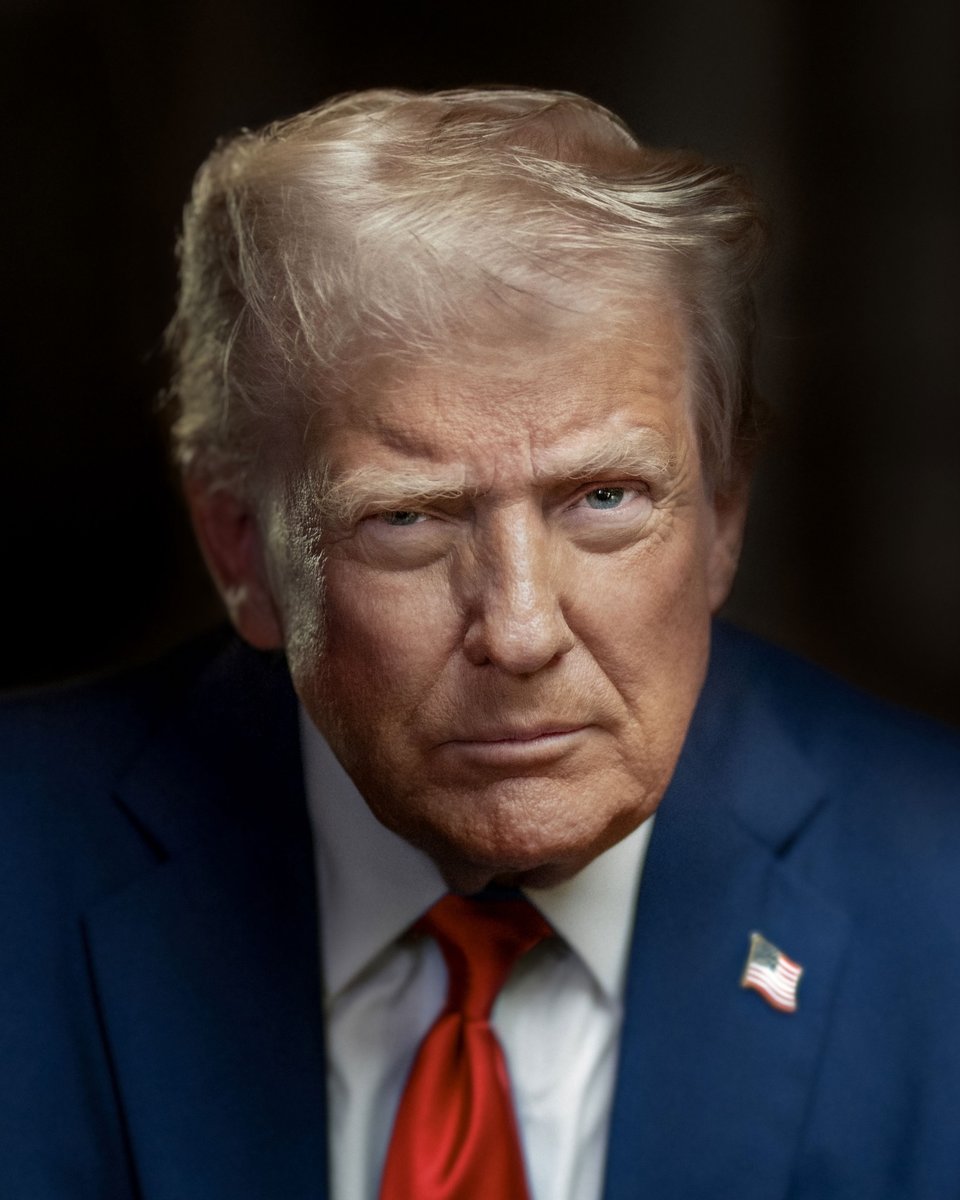
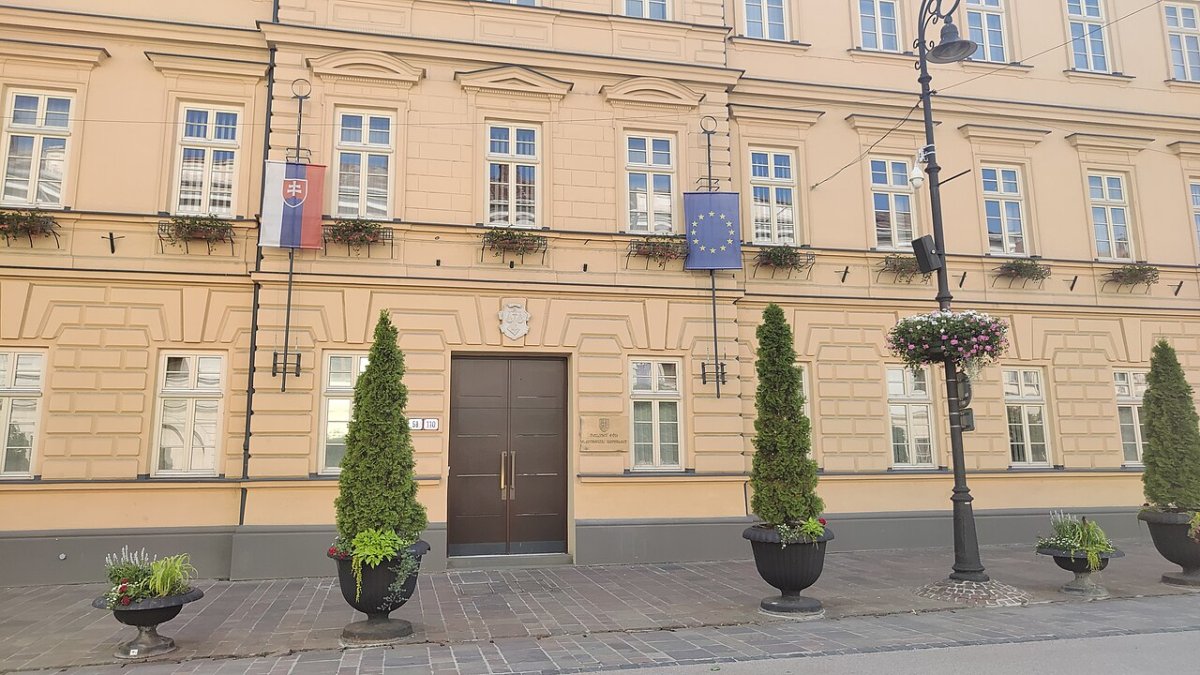
What it was actually about: the government did not face collapse, it merely had to have its mandate confirmed for the first time. On Wednesday the Constitutional Court ruled that the cabinet is obliged to "immediately" ask parliament for a vote of confidence because the debt brake sanctions had been triggered — according to Eurostat, public debt exceeded the constitutional limit, and the government had been postponing this obligation since autumn. A majority of MPs present was enough to pass the confidence vote, and the coalition secured it solely with its own votes: 78 MPs of Smer-SD, Hlas-SD, SNS and non-affiliated members from the Party of the Countryside voted in favor, with 54 opposition MPs against. TASR ↗ Denník N ↗ None of the opposition backed the government — the coalition simply maintained discipline and the result was expected. The cabinet thus continues. Aktuality.sk ↗ But agreement on the facts ends there. Fico declared the result proof that the government is stable and that there will be no early elections; however, he himself called the vote itself "strange." HN ↗ Pluska ↗The opposition read the same evening exactly the opposite way. MP Juraj Krúpa (SaS) called the vote a "pure farce" and labeled Fico an "unconstitutional lawyer"; Marián Kéry (Smer), on the other hand, said the coalition had simply confirmed what was expected. Pravda ↗ HN summed up the common denominator of the opposition's criticism: the government asked for confidence without a plan for how to stop the growth of public debt. HN ↗
Denník N described the course of the session as "mockery, shouting, mutual accusations and a long delay," and in its newsfilter warned that Fico continues to play a game that ends in trampling the constitutional law and a higher risk of bankruptcy. Denník N ↗ Denník N ↗ MP Ján Richter (Smer) summed it up openly: they supported the government "because it has no alternative." TASR ↗
Straight from parliament to Brussels
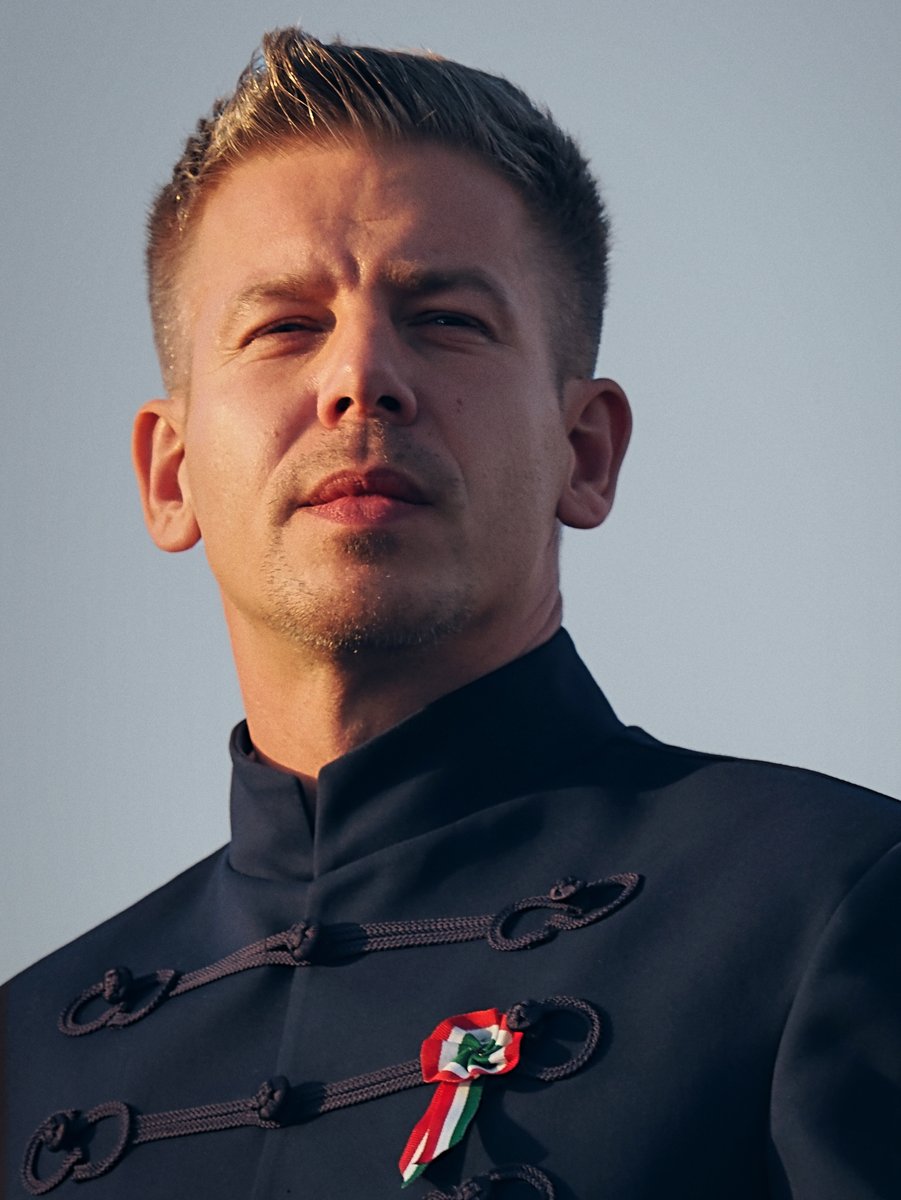
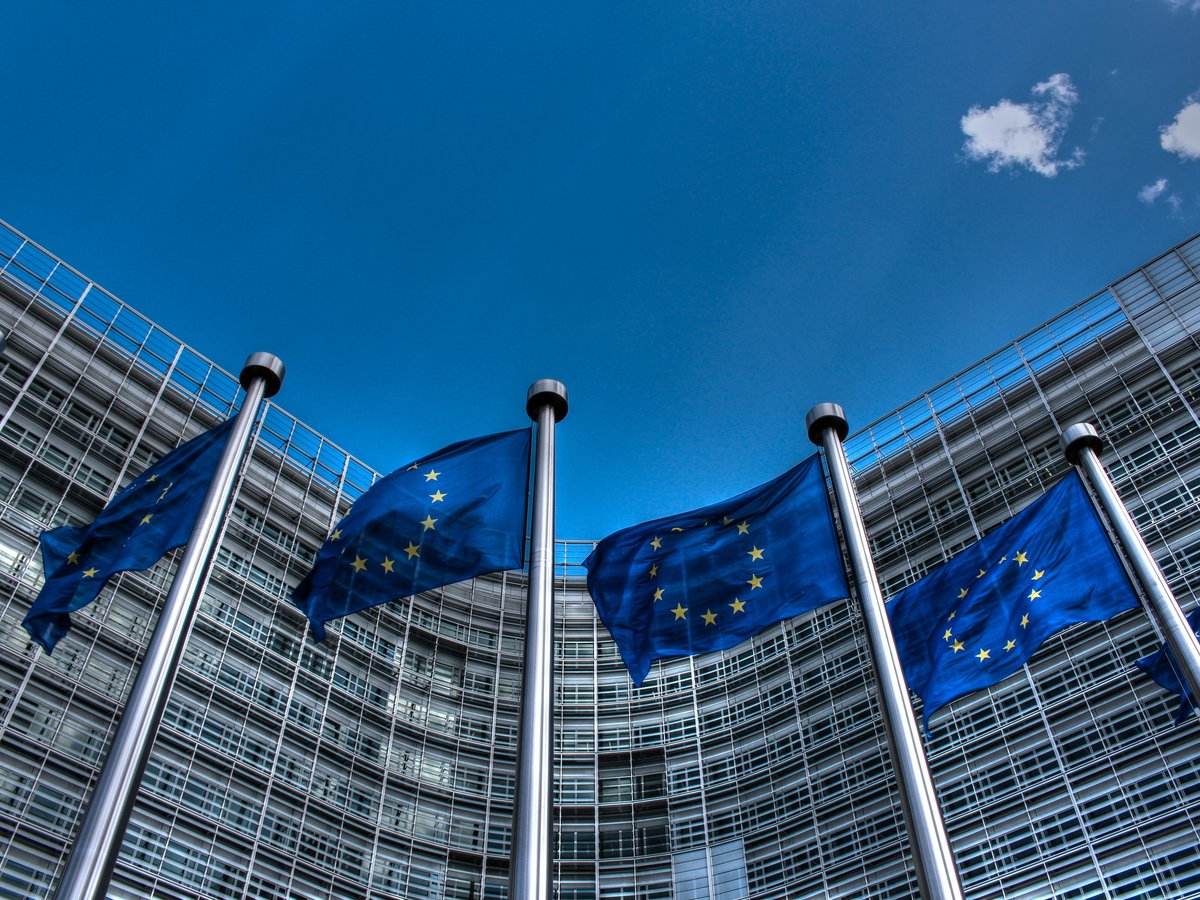
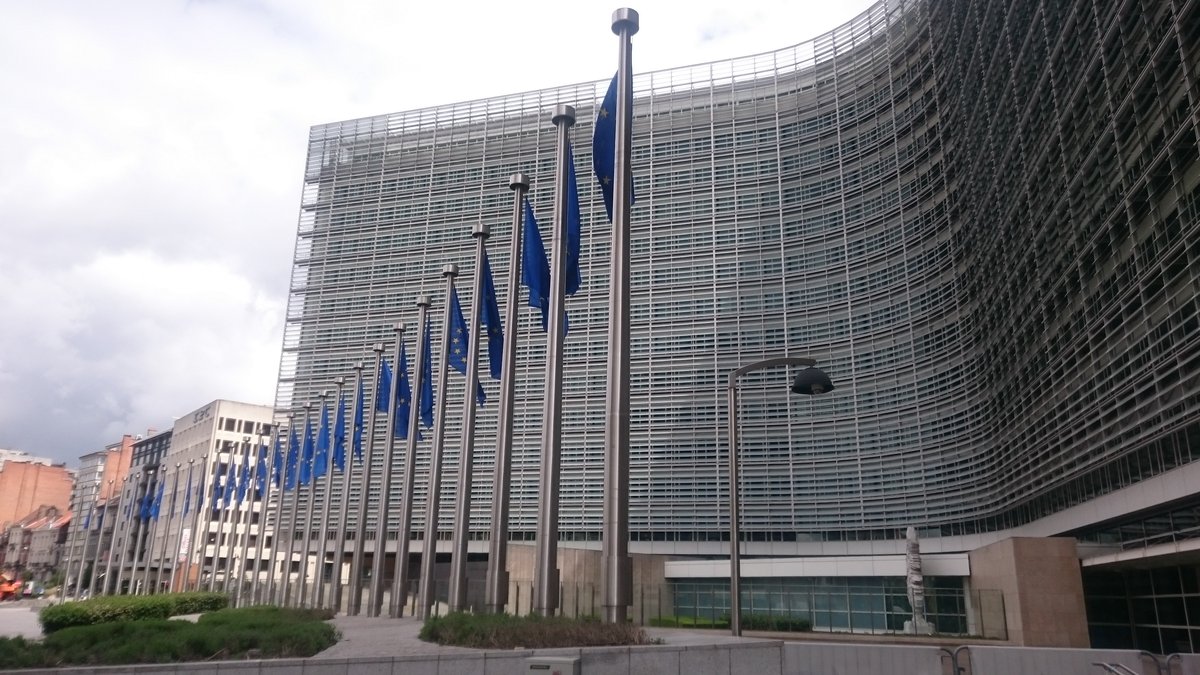
Immediately after the vote, Fico headed to the EU summit. There, a moment occurred that would have sounded improbable just a year ago: Fico, who has long refused Slovak military aid to Ukraine, once again met with Zelensky and praised the fact that mutual dialogue "continues, even though we do not share the same views." ta3 ↗ EU leaders at the summit approved another loan for Ukraine and extended sanctions against Russia; Zelensky also thanked Slovakia for its support. HN ↗The second symbolic moment was Fico's first meeting with new Hungarian Prime Minister Péter Magyar, who in May succeeded Viktor Orbán — Fico's long-standing ally within the V4. The prime minister hinted at the beginning of cooperation and an upcoming visit to Budapest. SITA ↗ Pravda ↗ Magyar, however, is not a continuation of Orbán: with European Parliament President Roberta Metsola he agreed on the need to end the proceedings Brussels is conducting against Hungary — that is, to settle disputes with the Union rather than escalate them. TASR ↗ Meanwhile, at home, Fico rejected the planned cuts to EU funds and placed Slovakia in the "friends of cohesion group" — an informal club of states that, within the EU budget, defend money for reducing disparities between regions (EU funds) against cuts. TASR ↗
Radars, debt and a hospital: where the money is flowing
While the political drama was peaking, the Public Procurement Office published a finding that does not help the coalition. In the Interior Ministry's large tender for automated radars, it found several violations — Aktuality.sk speaks of as many as four fundamental errors in the plan of the ministry led by Matúš Šutaj Eštok (Hlas-SD). Aktuality.sk ↗ Pravda ↗A second bill was opened by the opposition regarding the hospital in Prešov, being built by the defense ministry under Robert Kaliňák (Smer). According to Progressive Slovakia, its costs are approaching one billion euros, with an additional expense of nearly 700,000 euros added. Pravda ↗ SME ↗ Both cases share the same question that newsrooms had already raised during the confidence vote: how does the government intend to rein in spending while at the same time refusing a balanced budget?
Beyond the main headlines
The most serious accusation came from outside parliament. Opposition MP Ľubomír Galko (Demokrati) claims that police received information about an intent to murder former defense minister and Demokrati chairman Jaroslav Naď — according to him, the plan was to shoot him in front of his own house. Galko links this to the coalition's rhetoric toward the opposition. So far, this is only his claim, which authorities have not publicly confirmed. SITA ↗A different perspective was offered by President Peter Pellegrini, who once again traded his suit for camouflage and began the second phase of training with the National Defense Forces — including shooting and tactics. Pravda ↗ TASR ↗ And according to Pravda, the opposition is increasingly relying on emotions and "Matovič's recipe" — from the Croatia affair to the "golden bathtub" — while, according to a political scientist, Progressive Slovakia has gone on the offensive. Pravda ↗
What hotinfo is following
- The Brussels axis Fico — Magyar. The prime minister announced a visit to Budapest; we are watching whether cooperation with the new Hungarian government actually gets off the ground and how it changes Slovakia's stance on Ukraine and EU funds.
- The debt brake. Fico continues to refuse a balanced budget — the obligation to request a confidence vote when the debt limit is exceeded could arise again.
- The radar tender. Whether the Interior Ministry incorporates the Public Procurement Office's findings or pushes the contract through regardless.
- The costs of the Prešov hospital and whether further bills will be added to them.
- The claim of a plan to murder Jaroslav Naď — whether police or the prosecutor's office will comment on it.