





Key actors — tap for context

SVP
Switzerland's strongest party, national-conservative right (Swiss People's Party)
Why here: Put forward the population cap initiative and lost the referendum
More info →
Marcel Dettling
Chairman of the SVP
Why here: After the defeat, admitted that "the countryside said yes, but the cities outweighed it"
More info →
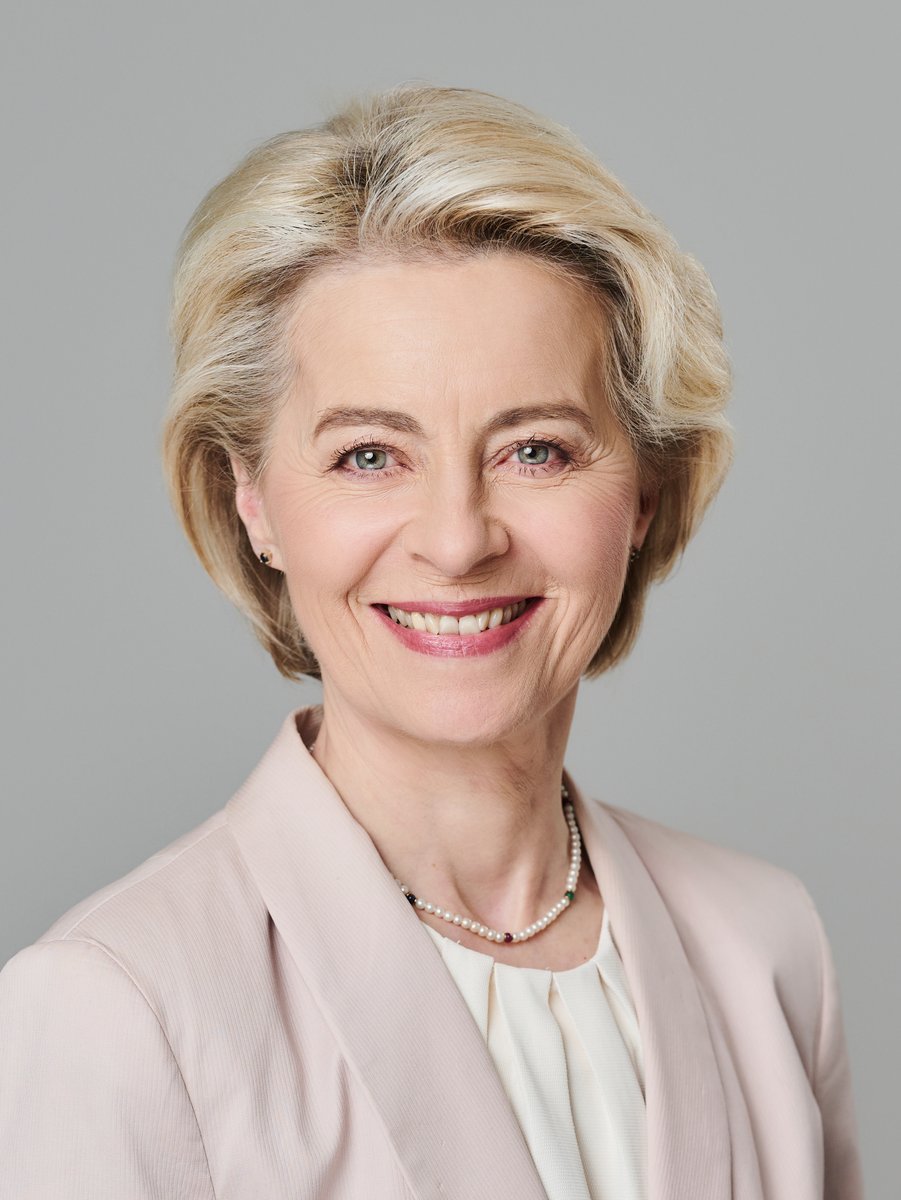
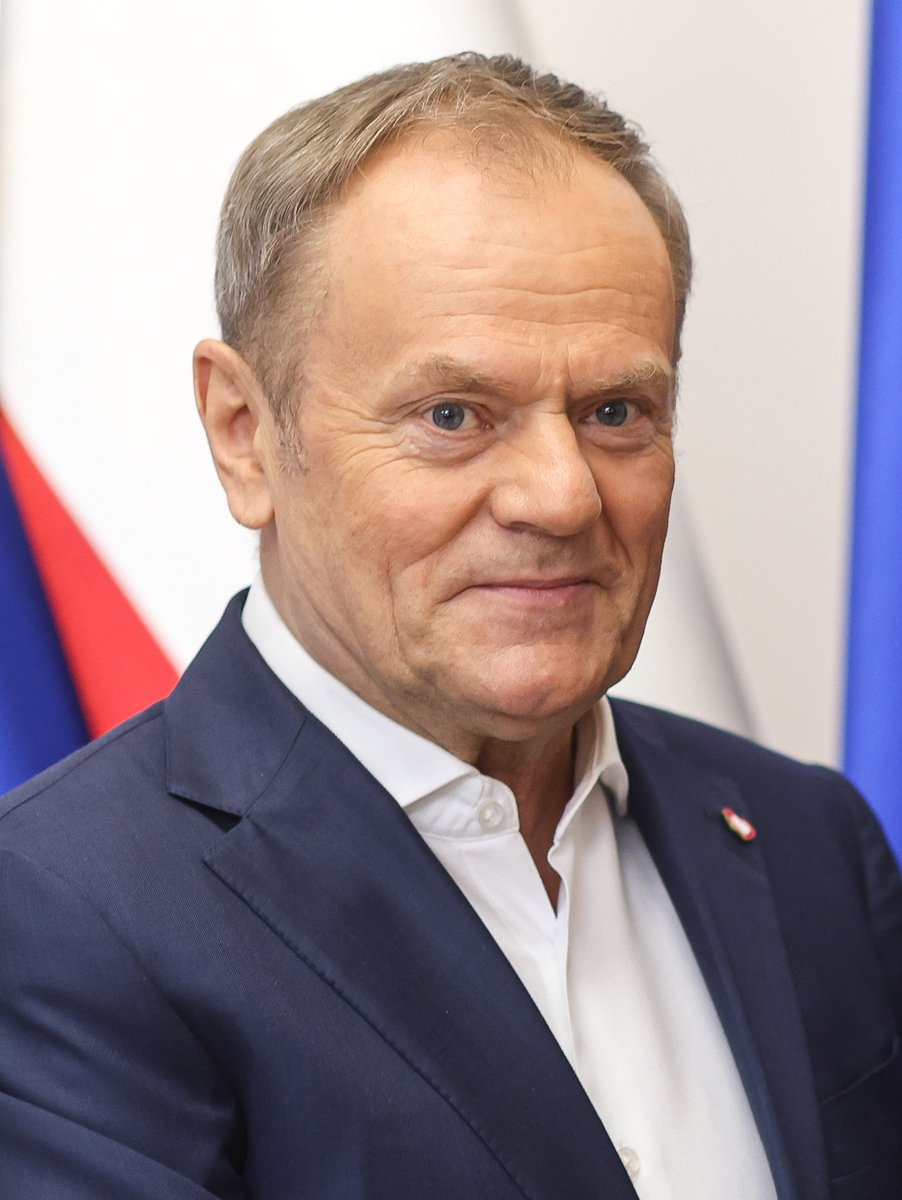
Ursula von der Leyen
President of the European Commission
Why here: Welcomed the result as confirmation of the EU–Switzerland partnership
More info →
Cédric Wermuth
Co-chair of the Swiss Social Democratic Party (SP)
Why here: Warned that breaking up the bilateral agreements in the era of Putin and Trump is unthinkable
More info →Cities and Francophone areas outweighed the countryside
The result was not overwhelming, but it was clear: 54.8 percent against, 45.2 in favor, and at the same time a majority of cantons rejected it — 13 of 23 cantonal votes — meaning it also failed on the so-called Ständemehr, the mandatory majority of cantons required for a constitutional amendment. SRF ↗A sharp dividing line ran through the country. The strongest rejection came from the cities and the Francophone part — in the city of Basel, 73.5 percent voted against — while rural, German-speaking cantons supported the cap; the conservative rural canton of Appenzell Innerrhoden voted 65.9 percent in favor. SWI swissinfo.ch ↗
The topic drove an unusually large number of people to the polls: turnout of around 58 percent is among the highest in a decade, and political scientist Lukas Golder described it as a "super-mobilization." The campaign cost a total of about 15 million francs. SRF ↗
SVP leader Marcel Dettling admitted defeat with bitterness. "The countryside clearly said yes, but the cities outweighed it," he declared, adding that "Switzerland has nothing to celebrate today." SWI swissinfo.ch ↗
What the initiative actually demanded
The proposal did not call for an immediate closure of the borders. It set an upper limit on the permanently resident population of ten million by 2050 and forced the government to act sooner — if the population approached 9.5 million, it would have had to adopt measures to slow growth. The last and most radical of these would have been terminating the agreement on the free movement of persons with the EU. France 24 ↗This is precisely what gave the vote weight far beyond demography. Switzerland today has 9.1 million inhabitants and has grown by 23 percent since 2002, when the free movement agreement with the union came into force. The SVP framed this as unsustainable pressure on housing, transport, and the landscape; the government warned that a hard cap would mean the end of the bilateral path on which Swiss companies' access to the European market rests. SWI swissinfo.ch ↗
Why it is a signal for the whole of Europe
On a continent where the far right is gaining electoral ground and migration dominates campaigns, Switzerland's strongest party tried to turn the issue into the hardest possible tool — a binding number written into the constitution — and failed via direct democracy. This can be read as a rare defeat for the European populist right on its own turf.From Brussels's perspective, it was also a quiet vindication of the bilateral agreements. "The Swiss people have spoken. The EU and Switzerland are united by deep ties and a strong partnership," responded European Commission President Ursula von der Leyen. SWI swissinfo.ch ↗
The domestic left framed the result geopolitically. "In the era of Putin and Trump, it was unthinkable that anyone would want to break up the bilateral path," said Social Democrats co-chair Cédric Wermuth — a reference to the fact that a rift with Brussels would weaken Switzerland at a time of growing uncertainty around it. SRF ↗
Limits of this view
The result should not be read as a Swiss embrace of immigration. Almost 45 percent of voters and a majority of rural cantons supported the cap, and the SVP can present the result as a narrow defeat, not a capitulation — the idea of a cap does not disappear from politics because of it. The pressure on housing, transport, and the landscape that the SVP built its campaign on will not vanish from public debate because of a single vote. The centrist Mitte party summed it up soberly: voters were convinced that "a rigid cap is not the solution," not that the problem doesn't exist. SRF ↗What hotinfo is watching
- Whether the SVP, after its defeat, shifts its focus to a referendum directly against the new package of agreements with the EU (Bilaterals III), which was indirectly at stake in this vote.
- How the result will affect the ratification of the Swiss-European package in parliament.
- Whether the idea of a numerical population cap appears in campaigns elsewhere in the EU, where migration remains a dominant issue.