




What To Vima has long argued
To Vima's standing position — formulated even before the incident — is that Turkish participation in European defense must be kept in check. The daily points to a contradiction at the core of EU defense policy: Turkey is officially a candidate for EU membership, and so, according to To Vima's interpretation, it can participate to some extent in SAFE fund projects even without a special agreement with Brussels. For deeper participation, however, Ankara would need a formal agreement, which must be unanimously approved by all members — including Greece and Cyprus, which hold veto rights. To Vima ↗Defense Minister Nikos Dendias summed this up for the daily in one sentence last year: "It makes no sense for countries that threaten EU member states to take part in building Europe's defense architecture." To Vima ↗ According to the daily, Athens pushed during negotiations over the fund for stricter rules on Turkish participation, but admitted itself that it might not have enough votes. It did manage to push through at least a formulation in the EU's defense white paper protecting "the security and defense interests of all member states."
Why this matters to Slovakia
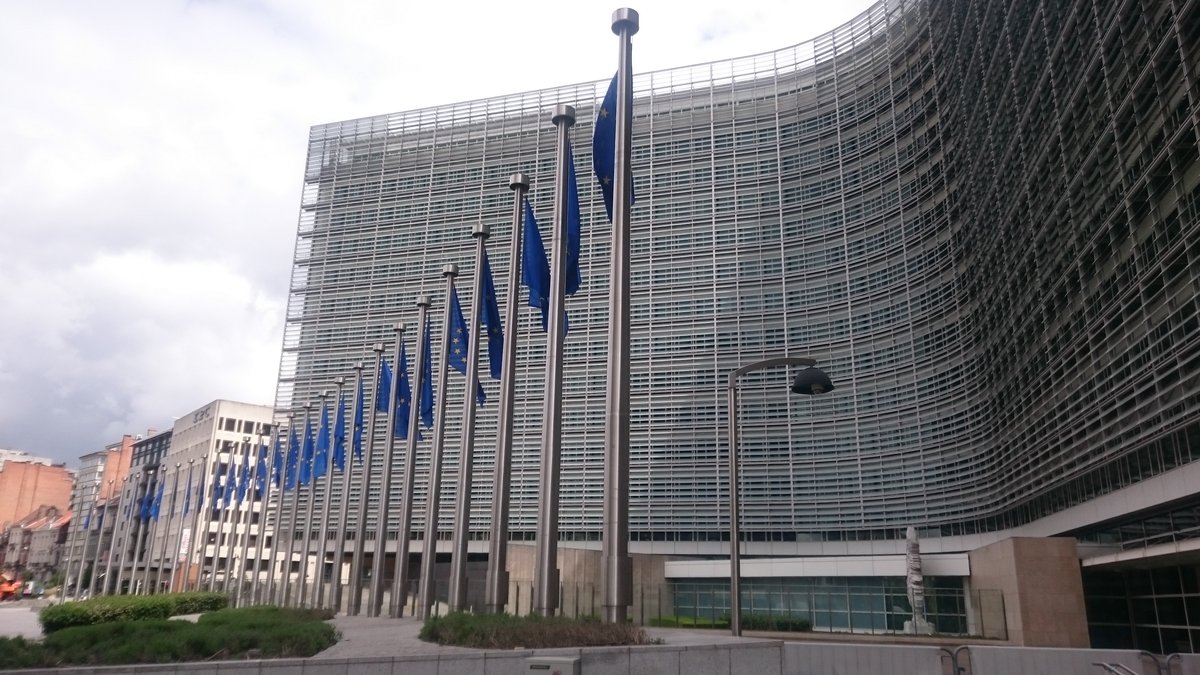
Slovak and Czech media barely registered the incident — in our review of foreign sources, it appeared in only two mentions. Yet the topic To Vima places it within directly concerns Slovakia: the €150-billion SAFE fund (Security Action for Europe), which the EU Council approved last May. EU Council ↗ From it, Slovakia has been allocated more than €2.3 billion for nine army modernization projects — from CV90 tracked vehicles, through EVA M3 self-propelled howitzers, to joint ammunition procurement. CZ Defence ↗At first glance, the incident and the fund seem unrelated. But their coincidence shows exactly what the dispute is about: the rules of the very same mechanism from which both Bratislava and Nicosia are arming. While third countries like Canada have gained access to SAFE through a security partnership with the Union, Turkey has not yet gained entry. European Commission ↗ A second dimension that Slovak coverage missed: Nicosia is hosting the same council because it holds the rotating EU presidency this half-year — and at it, France and Cyprus were expected to sign an agreement on the presence of French forces on the island. Cyprus Mail ↗ Turkey and the Northern Cyprus administration have preemptively labeled it "invalid" and warned that it undermines the security balance. TRT World ↗
Limits of the Greek lens
To Vima is an established Greek daily close to the centrist establishment, and on issues concerning Turkey and Cyprus it writes from a clearly national perspective. The Turkish side should also be added: Ankara and the Northern Cyprus administration reject the claim that Nicosia administers the flight information region (Ercan FIR) over the north of the island, and assert that it belongs to them. Türkiye Today ↗ At the same time, Turkey accuses Nicosia of "exploiting" the tension and of itself turning the island into a target through arming and inviting foreign troops. Moreover, the Cyprus issue has been a frozen conflict since 1974, and To Vima naturally reads it from the Greek side. Linking Sunday's incident to the veto power over Turkey in the SAFE fund is, to a large extent, an editorial bridge — the goal of keeping Ankara out of European defense had already been pursued by Athens and Nicosia long before.What hotinfo is watching
- Whether and to what extent France and Cyprus actually sign the agreement on deploying French forces on the island.
- Whether Ankara takes further steps — it has signaled "proportionate" countermeasures against foreign troops in Cyprus.
- The outcome of the informal EU council of defense ministers in Nicosia (June 7–8) on rules for third-country participation in the SAFE fund.
- Whether the rules for candidate countries' participation in SAFE become subject to revision under Greek and Cypriot pressure.