
What Telex writes
Telex opens with a scene straight out of a Coppola film. In mid-May, underworld figures met at a Belgrade restaurant called "27" under the pretext of settling a dispute, in the company of several police officers. Instead of reconciliation, shots were fired, and one of those present, a mobster named Aleksandar Nešović, nicknamed Baja, died. His body was later found in a barrel filled with concrete about 60 kilometers from Belgrade. Telex ↗According to the prosecution, Belgrade police chief Veselin Milić tried to sweep the murder under the rug, had security camera footage deleted, and stayed at the scene with his bodyguards to remove evidence. He was arrested two days after the shooting. Ironically, Milić had previously worked as Vučić's advisor on the fight against corruption and organized crime. "I think that if the creators of the series Narcos came here, within a month they'd make ten seasons out of what's happening here," lawyer Nikola Lakić told Serbia's N1. Telex ↗
Telex emphasizes why the case is uncomfortable for the government itself. Vučić announced a law under which anyone protecting criminals should be fired from the police, but at the same time admitted something striking: according to him, half of Serbia's drug dealers are under police protection, and "this has been going on for 40 years." The opposition is demanding resignations at the highest levels and claims that organized crime has infiltrated the very top floors of the state. Interior Minister Ivica Dačić has refused to resign. Telex ↗
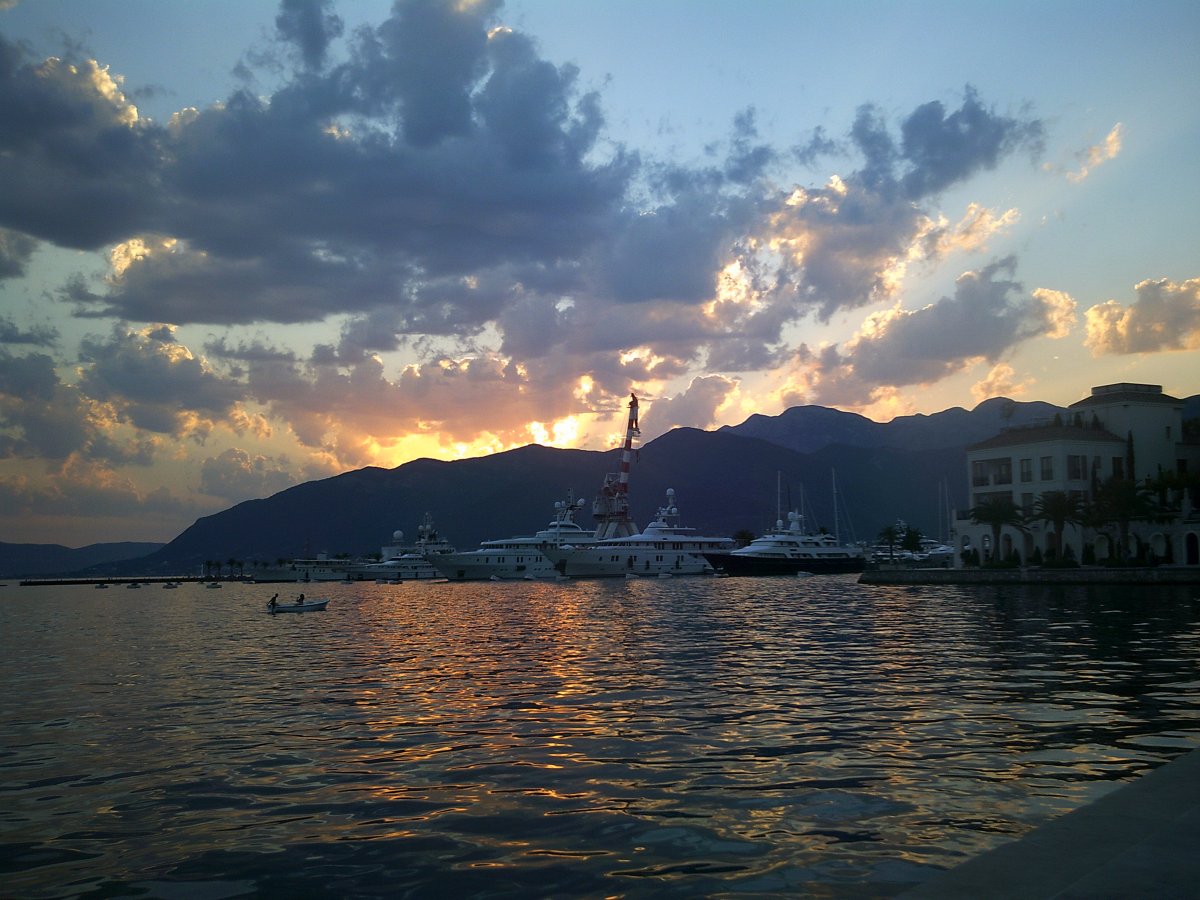
The crisis around Tivat built on this already tense situation. The Serbian secret service BIA publicly recommended that Vučić not travel to the summit due to "high security risk" and the fact that Radoje Zvicer, leader of the so-called Kavač clan, is present in Montenegro. Speaker of the Serbian parliament Ana Brnabić escalated the matter to a personal level: "There is a serious security threat to the president's life," she declared, adding that she had information from European services according to which Zvicer had put a bounty on Vučić's head. "My priority is to convince the president not to travel," she said. Kurir ↗
How this perspective differs
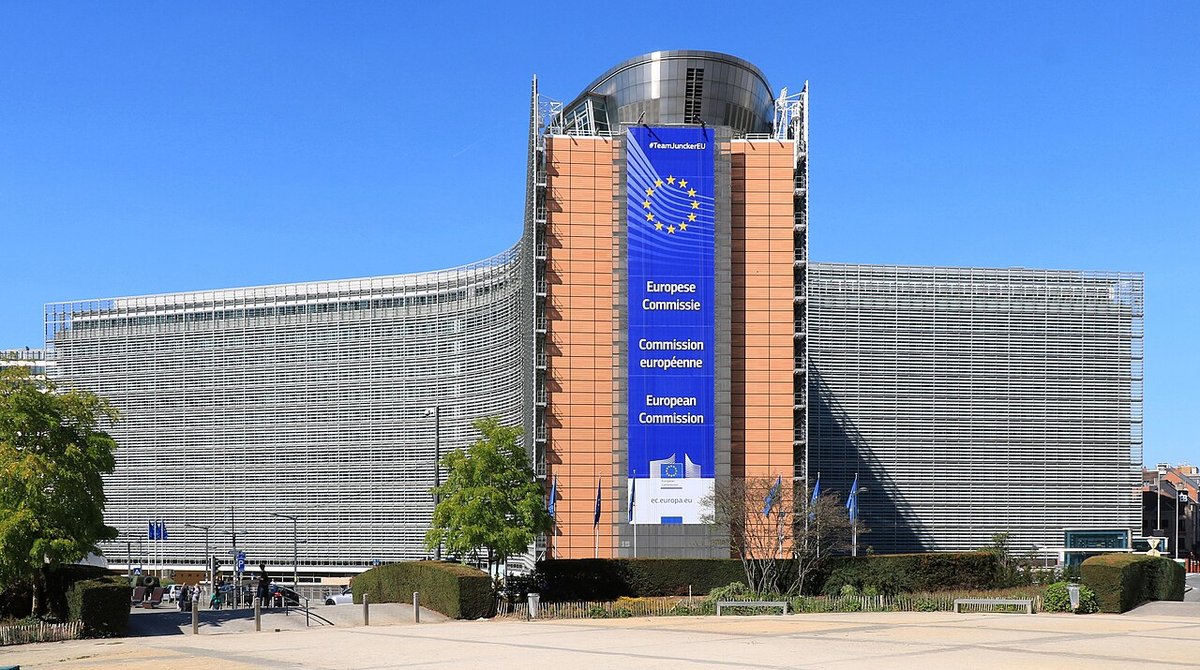
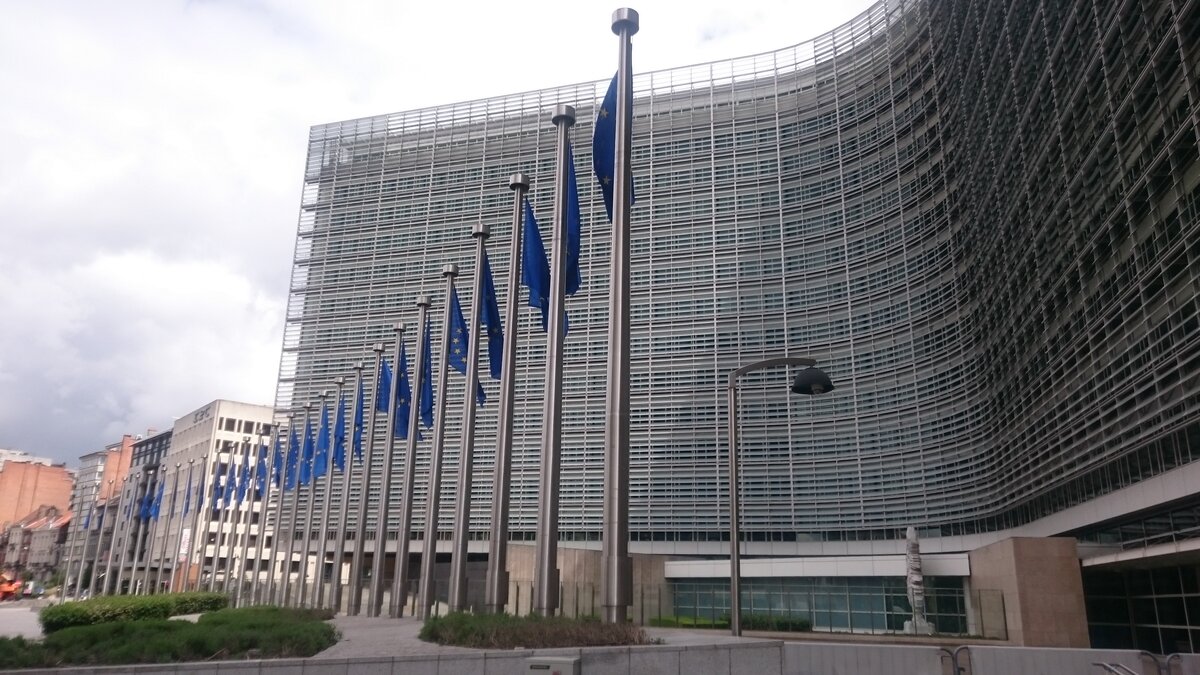
Slovak and Czech media barely cover this dispute at all, even though it is unfolding in the very same week that Brussels symbolically opens the door to enlargement. EU member states have just given the green light to opening the first cluster of accession negotiations with Ukraine and Moldova. Domestic coverage would likely turn this into a summit-and-border incident, but Telex reads it through the lens of the disintegration of Serbia's security apparatus following a mafia murder. The contrast is striking: while the European Commission celebrates a success of enlargement, Telex portrays one of the oldest candidate countries as one being weakened from within by ties between the state and the mafia. Telex ↗The second layer that SK/CZ coverage misses is the escalation mechanism itself. Montenegrin police detained a charter plane from Belgrade at Tivat airport carrying 87 men (Brnabić later spoke of 86 passengers), whom opposition media described as "Vučić's thugs." They were carrying banners reading "Serbia wins," remote communication equipment, and a marine radio. All were sent back to Serbia as a national security risk. According to Montenegrin sources, Belgrade responded with tightened controls at the Gostun, Jabuka, and Dračenovac crossings, effectively halting entry for Montenegrin citizens. Vijesti ↗
In the background runs a court case that gives the whole crisis weight. The Special Prosecutor's Office in Podgorica is seeking 40 years in prison for Zvicer for aggravated murder, and lengthy sentences for his associates, including former police officer Petar Lazović. The evidence consists of decrypted messages from the SKY ECC platform. For Vučić, who was simultaneously hosting European Council President António Costa in Belgrade and declares that EU membership remains Serbia's strategic goal, this is an uncomfortable message: both the region's security apparatus and its judiciary are riddled with crime that crosses borders. N1 ↗
Limits of this perspective
Telex is a Hungarian daily, critical of the Orbán government domestically and sympathetic to the opposition, but on this Balkan topic it looks on as an outside observer without a direct stake. Some of the more colorful details about the detained men were picked up by regional media from tabloids such as Kurir and Index, which also published photo galleries of the "thugs," and these should be treated with caution. The "assassination attempt on the president" framing rests mainly on claims by Brnabić, who herself admitted that out of the 86 passengers, only three had a criminal record. Podgorica-based journalist Srdan Kosović told N1 that the whole operation seems amateurish, and that "sheer stupidity as a factor" cannot be ruled out. N1 ↗What hotinfo is following
- Whether Vučić ultimately traveled to the summit in Tivat, and under what protocol, given that he requested minimal security and no official welcome.
- How long the mutual border blockade will last, and whether Belgrade and Podgorica will return to normal operations.
- The verdict of the Podgorica court in the trial against the Kavač clan, where the prosecution is seeking 40 years for Zvicer.
- The fate of the case against Belgrade police chief Milić, and whether the investigation will reach higher into Serbia's power structure.
- Whether the incident will affect Brussels' tone toward Serbia at a time when the EU is opening accession negotiations with Ukraine and Moldova.