
Key actors — tap for context

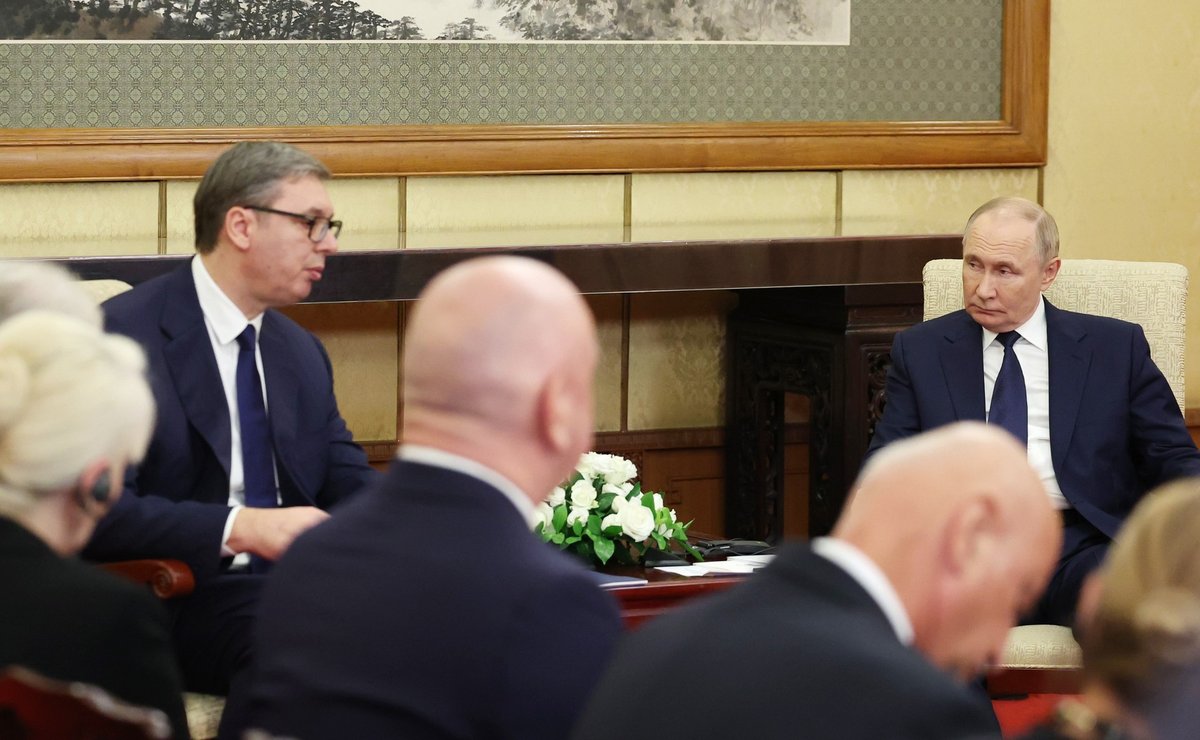
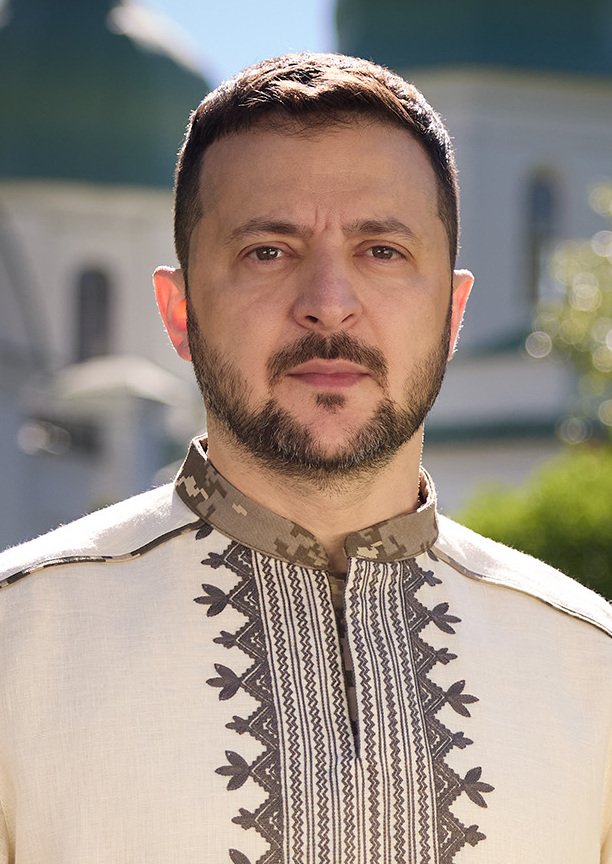
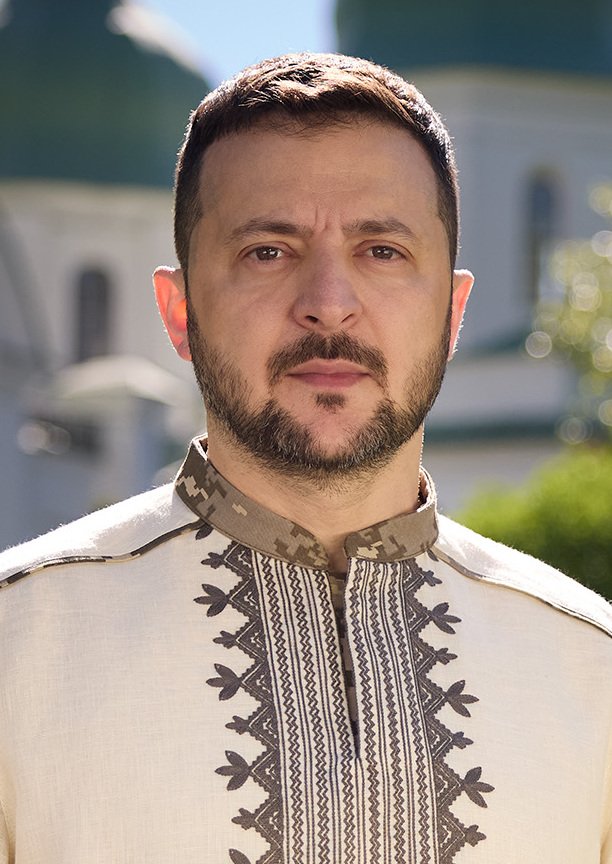
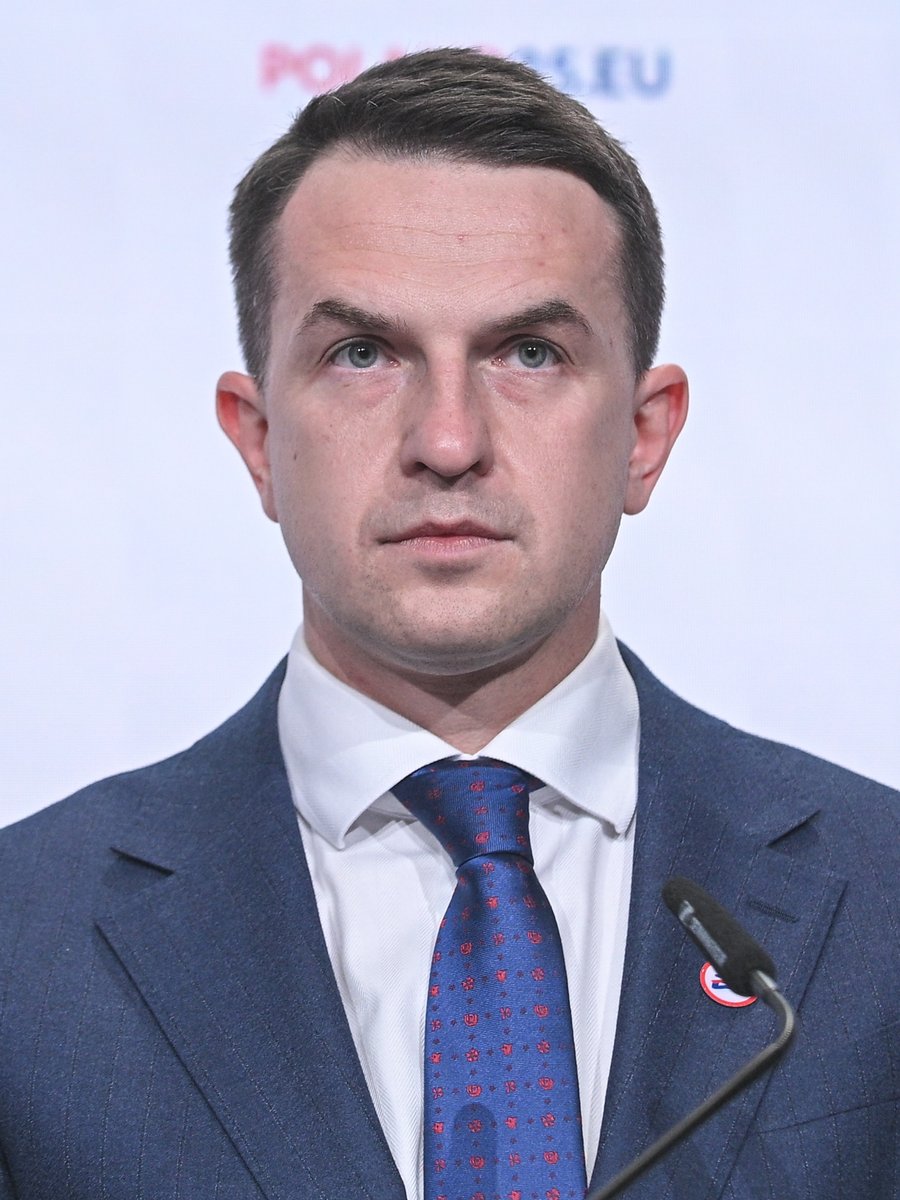
Volodymyr Zelenskyj
President of Ukraine
Why here: Confirmed the strike and thanked the SBU, the Unmanned Systems Forces, and military intelligence
More info →
Sergej Sobjanin
Mayor of Moscow
Why here: Claims defenses shot down around 60 drones headed for the metropolis
More info →
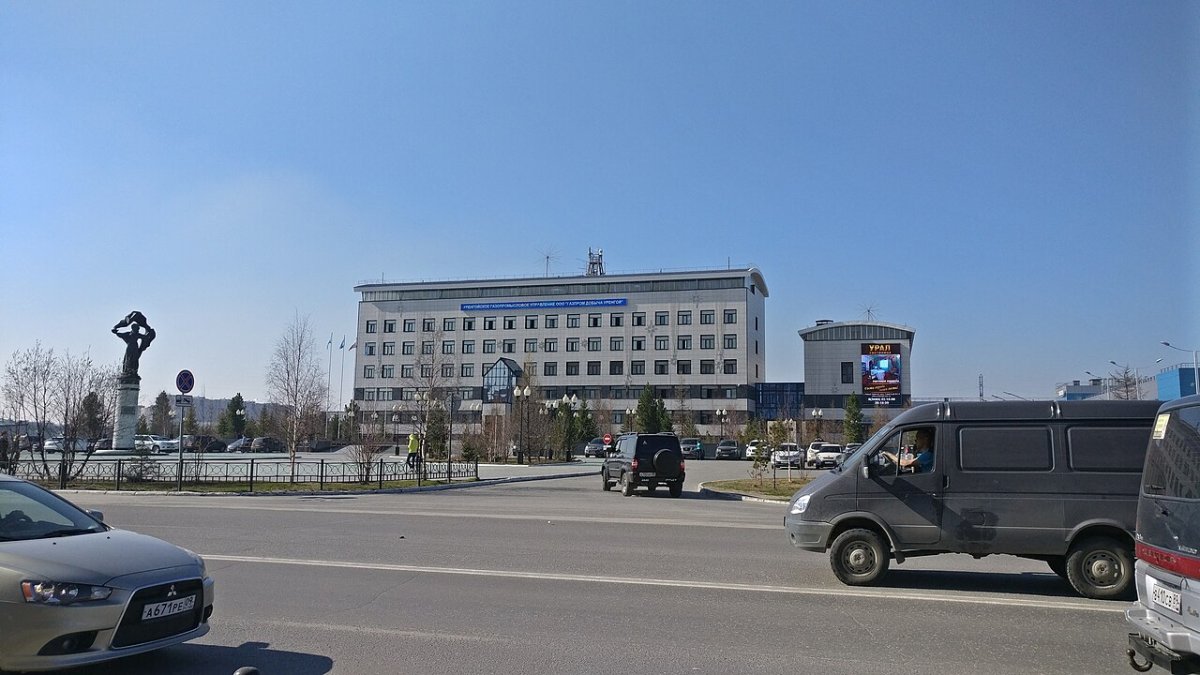
Gazprom Neft
Oil arm of the Russian Gazprom conglomerate, operator of the Moscow refinery
Why here: Its plant in Kapotnja was hit by drones and caught fire
More info →Pancir-S1
Russian mobile short-range air defense system (missile-gun)
Why here: Forms the backbone of Moscow's defense, also mounted on rooftops
Kapotnja
Industrial district on the southeastern outskirts of Moscow with a large refinery
Why here: Target of the strike on the southeastern edge of Moscow
What exactly burned
The target was the Moscow Oil Refinery in Kapotnja on the southeastern edge of the city, one of the ten largest in Russia. It processes around 12 million tons of oil a year and covers more than a third of the capital's fuel needs, including airports. A fire broke out there after the strike; Russian authorities report no casualties at the site. The attack was also confirmed by Ukrainian President Volodymyr Zelenskyj, who thanked the SBU security service, the Unmanned Systems Forces, and military intelligence. El País ↗ United24 ↗Although some headlines describe flames "15 kilometers from the Kremlin," Kapotnja is an industrial periphery and a repeated target, not the heart of Moscow. Euronews ↗
The densest defense in the country
According to OSINT analysts and the military outlet Militarnyi, Moscow is protected by two dense rings of air defense plus additional positions within the city itself — around 130 positions in total. The backbone reportedly consists of roughly a hundred Pancir-S1 systems, about two dozen S-400 batteries, and a smaller number of Tor systems; between May and September 2025 alone, Russia is said to have built 43 special towers to raise radars higher and improve detection of low-flying targets. Militarnyi ↗That same concern about low-altitude flight is behind what has caught the public's attention: Pancirs on rooftops. Russia has been mounting them there since 2023, when drones first reached the capital — the newest Pancir-SMD-E units were lifted by helicopter onto high-rise buildings, and one even sits on the roof of the Ministry of Defense. Rooftops give the radar a view over the dense urban layout, where ground-based systems have blind spots. Kyiv Independent ↗
How it still gets through
The answer lies not in the sheer number of launchers, but in geometry and economics. Even a hundred Pancirs don't form a continuous wall — they create firing zones with gaps between them, and Kapotnja itself, according to a May OSINT analysis, lay about 7 to 8 kilometers from the nearest known Pancir. Each such system also carries only a limited number of missiles, roughly a dozen. When a swarm of dozens of cheap drones descends on it, the battery gets depleted — and even a 90 percent success rate against sixty aircraft means several still slip through to the target.According to Ukrainian and military analysts, the tactic may work by first sending decoys without warheads, forcing defenders to expend costly missiles, after which strike drones pass through the cleared corridor. Military analysts sum it up: what matters is not the density of the systems but intelligence on blind spots and route planning. Even the densest network cannot guarantee complete protection. Militarnyi ↗
How Moscow is responding
Russia's Ministry of Defense reported shooting down 172 drones over multiple Russian regions in a single night — far more than the sixty headed for the capital. Sobjanin first emphasized the number of downed drones and only later admitted that the refinery itself had suffered damage; according to public broadcaster STVR, the plant's operations are now in question. STVR ↗Outwardly, then, Moscow frames the night as a success for air defense. At home, however, it is dealing with a less comfortable consequence — rising fuel prices and restricted refueling at airports. According to the Polish daily Onet, Russian officials are pointing the finger at "speculators" rather than at Ukrainian strikes on refineries — Onet reads this as an attempt to divert attention from the real cause of rising prices at gas stations. Onet ↗
Why refineries specifically
Strikes on refineries are not random — this is economic warfare. According to wire-service reports, the number of such strikes rose in 2026, and Russian oil refining fell to a multi-year low. Plants forced to halt fully or partially account for more than 83 million tons of annual capacity, roughly a quarter of Russia's refining output. The consequences are already visible at home — fuel rationing has appeared even in Moscow and St. Petersburg. Moscow Times / Reuters ↗Rationing has since spread far beyond Moscow and St. Petersburg — to occupied Crimea, where gasoline is sold only on ration cards via QR codes, and also to the Belgorod and Kursk regions and occupied Luhansk Euromaidan Press ↗. Russia's own Ministry of Energy admitted on June 9 to "temporary difficulties in fuel supply in several southern regions" Moscow Times ↗, while the government simultaneously extended an exemption allowing refineries to sell gasoline below the Euro-5 standard, with higher sulfur content, on the domestic market Meduza ↗. The true scope is disputed, however — Ukraine's Censor.NET, citing Russian media, puts the figure at as many as 53 regions, which Moscow officially describes only as "temporary" problems Censor.NET ↗.
The wave continues and attacks are escalating. On the night of Thursday, June 18, Ukrainian drones struck the same Moscow refinery in Kapotnja for the second time in three days — residents in several parts of Moscow reported explosions and fires, the city temporarily restricted operations at three airports, and Mayor Sobjanin claimed defenses shot down more than thirty drones, though several reached their target (minor damage was also reported at the Sadovod shopping center). The Globe and Mail ↗ Kyiv Independent ↗ At the same time, the campaign to cut off Crimea continued — drones damaged a railway bridge near Rozdolne, one of the key routes for Russian equipment and fuel. Novinky ↗ In Gukovo, in Russia's Rostov region, one person died and two were injured after a strike on an oil depot, according to Governor Sljusar. Kyiv Independent ↗ The war, meanwhile, runs both ways: that same night Russia attacked Ukraine with ballistic missiles, air-raid alerts covered nearly the entire country including Kyiv, and a Russian drone killed one civilian in Sumy. RTE News ↗ TASR ↗ Meanwhile, according to the Swedish daily Expressen, the fuel crisis has spread to nearly all of Russia. Expressen ↗
During the day, the true scale became clear — the largest attack on Moscow of the war. What overnight reports described as "more than thirty" downed drones turned out, by daytime, to be the largest Ukrainian attack on the Russian capital since the start of the full-scale invasion: Russian defenses claimed to have shot down nearly 200 drones over the Moscow region and 555 across all of Russia (unverified). The refinery in Kapotnja reportedly had to halt operations, Zelenskyj declared that "if Ukraine burns, Moscow will burn too," and President Putin, after months, appeared outside Moscow that day — in Kazan. Bloomberg ↗ Moscow Times ↗ We covered this separately here: The largest attack on Moscow of the war — Zelenskyj: "Moscow will burn too".
Also read: Fuel rationing has now reached Moscow and St. Petersburg too. The war has arrived at gas pumps in the heart of Russia
Limits of this account
The figures on downed drones (around 60) and the claim of zero casualties come from Russian authorities and have not been independently verified; the exact extent of the damage to the refinery is not yet known. Much of the technical picture of Moscow's air defense relies on Ukrainian and OSINT sources (Militarnyi, Kyiv Independent), which have their own perspective — though the scale of the campaign against refineries is also confirmed by Reuters wire-service data. And the dramatic claims of strikes "near the Kremlin" should be taken with caution: this is an industrial target on the edge of the city that drones have already hit before.What hotinfo is following
- Independent (satellite) confirmation of the extent of the damage and the refining outage at Kapotnya
- Deployment of the new Russian "Citadel" system to protect refineries
- Russian retaliation — intensified strikes on Ukraine's energy system
- How the fuel crisis and rationing in Russia develop in the summer of 2026→ Palivová vojna: Ukrajina zasiahla ropovod 1500 km od hraníc, horia aj rafinérie…Vlna 13 (16.7.2026) do čl. 1075439: dve tretiny z 83 regiónov majú prídely (RFE/RL), výroba benzínu -25 % vs jún 2025, 135 mil. barelov ropy uviazlo nepredaných na tankeroch (Bloomberg/Euromaidan Press), vývoz ropných produktov po mori na polovicu vs jún (HN), palivový turizmus + pašovanie z Kazachstanu (SME), streľba v radoch v Čeľabinsku (iDNES), Moskva znížila rast 2026 z 1,3 na 0,4 % (Moscow …
- Escalation: the largest attack on Moscow of the war (June 18, 2026) — nearly 200 drones over the capital, the Kapotnya refinery reportedly halted, Zelensky's "Moscow will burn too", Putin in Kazan→ Palivová vojna: Ukrajina zasiahla ropovod 1500 km od hraníc, horia aj rafinérie…Pokryté samostatným článkom 1075439 + upd3 do 1063839. Čísla ruské/neoverené.