



Key actors — tap for context

Péter Szijjártó
Hungarian Minister of Foreign Affairs from 2014 to 2026 for Fidesz.
Why here: The new government is tallying nearly €14 million spent on private flights and examining criminal liability.
More info →
Péter Magyar
Hungarian Prime Minister since May 2026 and leader of the center-right Tisza party.
Why here: His government is presenting the accounts of the Fidesz era and pressing EU Commissioner Várhelyi.
More info →
Viktor Orbán
Hungarian Prime Minister from 2010 to 2026 and leader of Fidesz.
Why here: The power system he built over sixteen years is being dismantled after the election defeat.
More info →
Anita Orbán
Hungarian Minister of Foreign Affairs in the Tisza government, an economist and energy diplomat. She is not related to Viktor Orbán.
Why here: She heads the ministry that disclosed Szijjártó's private flight expenses.
More info →
Olivér Várhelyi
Hungarian EU Commissioner and former ambassador to the EU from 2015 to 2019.
Why here: He faces pressure over a spy network that operated during his time in Brussels.
More info →László György Velkey
Parliamentary state secretary of the Hungarian foreign ministry in the Tisza government.
Why here: He disclosed the accounting of Szijjártó's private flights.

Zbigniew Ziobro
Former Polish Minister of Justice for the Law and Justice party (PiS).
Why here: Hungary has revoked his asylum; Poland is seeking his extradition.
More info →
Radosław Sikorski
Polish Minister of Foreign Affairs.
Why here: He announced the revocation of asylum for Ziobro and his associates.
More info →
Fidesz
Viktor Orbán's national-conservative party, which governed from 2010 to 2026.
Why here: It rejects the disclosures as persecution of the defeated.
More info →Tisza
Péter Magyar's center-right party, which won the 2026 parliamentary elections.
Why here: It is dismantling Orbán's apparatus and exposing the previous government's expenditures.
More info →The bill for the planes
According to László György Velkey, parliamentary state secretary of the foreign ministry, Szijjártó and his delegation chartered private aircraft for official trips fifty-three times between 2022 and 2026, for a total of 4.87 billion forints, or nearly €14 million. According to him, the ministry is also examining criminal liability. SME ↗Velkey also named specific instances of waste. A plane costing over eighteen million forints ordered for a trip to Bratislava was ultimately never used, and an aircraft costing thirty-two million forints for planned trips to the Maldives and Lebanon never took off at all. The most was spent in 2025, when the ministry spent the equivalent of €5.8 million on private flights. All this alongside the state's government and military air fleet of four aircraft, which Hungary has at its disposal. The Budapest Times ↗
Fidesz rejects the disclosure. Its spokesman Bertalan Havasi declared that Szijjártó had been "the best foreign minister in Europe" and that the cost of his work was "in line with European standards." The ministry is now headed by his successor Anita Orbán, an economist and energy diplomat who is not related to Viktor Orbán. SME ↗
Espionage in the heart of Brussels
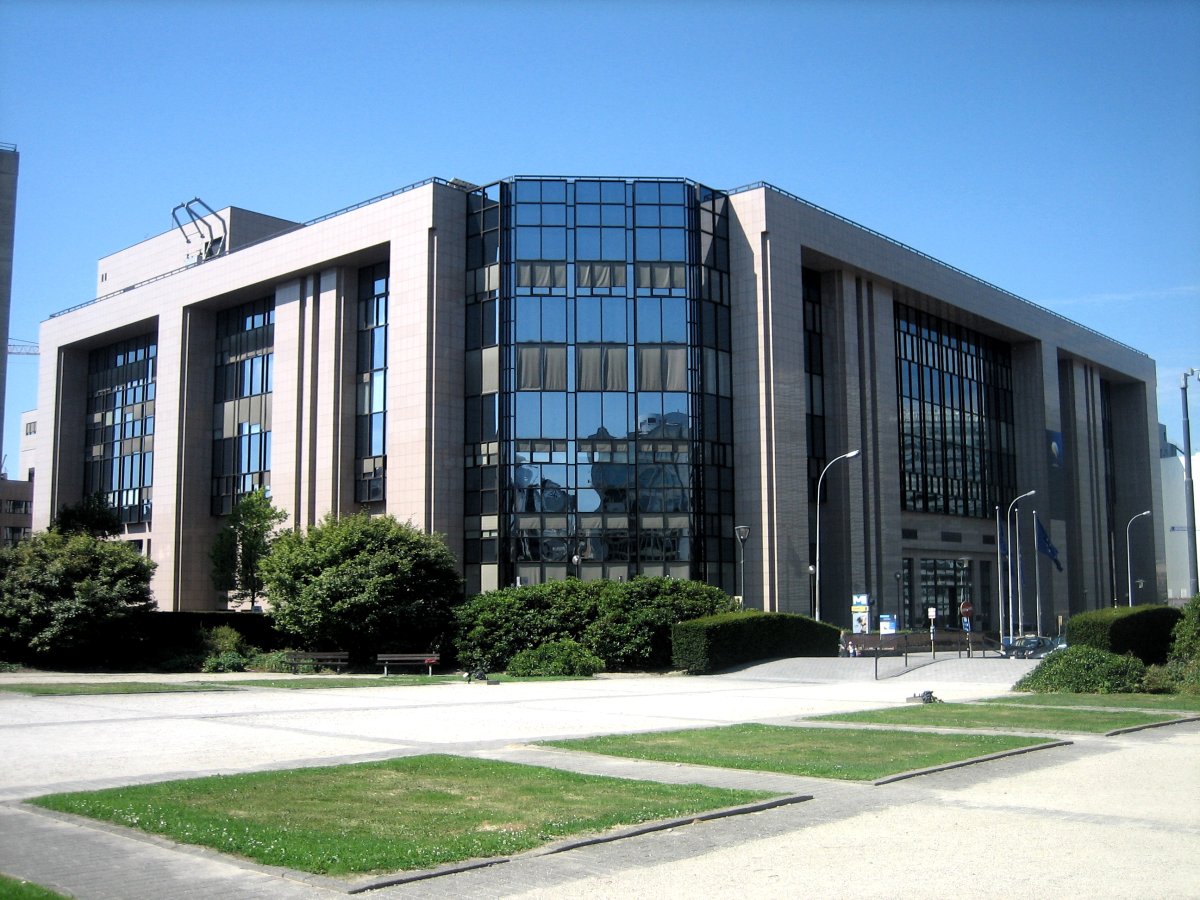
The second account is more sensitive for Hungary. A leaked internal European Commission document from April, obtained by Politico and confirmed by Euronews, provides the clearest confirmation yet that Hungary ran a network of intelligence officers under diplomatic cover out of its embassy to the EU. According to the document, between 2012 and 2018 the network targeted Hungarian employees of European institutions. Euronews ↗The findings have renewed pressure on Hungarian EU Commissioner Olivér Várhelyi, who was Hungary's permanent representative to the EU from 2015 to 2019 — that is, during part of the period under scrutiny. Várhelyi denies any knowledge of the network. At the same mission, however, today's Prime Minister Péter Magyar also served as a diplomat at the time, and he now claims that Várhelyi is not telling the whole truth. SME ↗
Archives, asylum, and slow-grinding mills
At the same time, the government is pushing the reckoning further into the past. A decree published in the official gazette orders the declassification of all secret police documents from the communist era predating April 8, 1990, and their transfer to public archives. The files are to be made accessible gradually, by the end of the year at the latest, symbolically ahead of the seventieth anniversary of the 1956 uprising. Sensitive personal data of the people who were monitored will remain anonymized. Aktuálně.cz ↗The reckoning also has a foreign dimension. Hungary has revoked refugee status for former Polish Minister of Justice Zbigniew Ziobro, his wife, and his former deputy Marcin Romanowski. Ziobro, accused of leading an organized group during the government of the Law and Justice party, rejects the accusations as politically motivated and left for Budapest at the end of 2025, citing fears of an unfair trial. From there he traveled to the USA on a Hungarian travel document, and Magyar has now promised to push for his extradition. Polish Foreign Minister Radosław Sikorski commented that "the wheels of justice turn slowly, but they grind exceedingly fine."SME ↗
The camp that lost its money
The same loss of access to public money is also unraveling the media camp that served Orbán's system for years. Less than two months after Fidesz's election defeat, dozens of pro-Orbán outlets have lost their subsidies, readers are turning away, and former Minister for European Affairs Tibor Navracsics has called on conservative billionaires to fund the media out of the wealth they acquired under Orbán's governments. We wrote about the first wave of layoffs last week. Reflex ↗Also read: Magyar dismantles Orbán's apparatus: ultimatum to the prosecutor's office, collapse of pro-Orbán media
Why it's worth watching from Slovakia too
For a Slovak reader, Budapest is not just a neighbor. Robert Fico has for years seen Orbán's model as an example, and Hungary is now showing live what it looks like to try to dismantle a state that one party controlled for sixteen years — with the risk that the "reckoning" itself becomes a political weapon. Fidesz is already speaking of persecution of the defeated, not a cleanup. Which interpretation holds up will be shown by the courts, not press statements.What hotinfo is following
- The decision on criminal liability for Szijjártó's charter flights.
- The fate of EU Commissioner Várhelyi — the response of the European Parliament and Commission to the documented network.
- Ziobro's extradition from the USA to Poland and the proceedings in Warsaw.
- Whether President Sulyok signs or rejects the sixteenth constitutional amendment, and the Constitutional Court's ruling on the eight-year cap for the prime minister.
- The progress of making the secret police archives accessible by the end of the year.