

Key actors — tap for context

Frank Stronach
Austrian-Canadian billionaire (b. 1932 in Styria), founder of Magna and the Austrian party Team Stronach.
Why here: The Toronto court found him guilty in June of a 1977 indecent assault. Sentencing is in December.
More info →
Magna International
Canadian auto parts manufacturer headquartered in Aurora, one of the largest suppliers in the world.
Why here: Founded by Stronach, who left the board in 2012.
More info →Anne Molloy
Judge of the Ontario Superior Court of Justice in Toronto.
Why here: She tried Stronach, ruled out prison for him, and declared a mistrial in one of the two convictions.
Jelena Vlacic
Prosecutor in Stronach's Toronto trial.
Why here: She recommended six months in prison and inclusion on the sex offender registry.
Leora Shemesh
Frank Stronach's defense lawyer.
Why here: She sought an absolute discharge.

Team Stronach
Austrian right-wing populist party founded by Stronach in 2012, dissolved in 2017.
Why here: A reminder that Stronach was also an Austrian politician.
More info →
Toronto
The largest city in Canada and the capital of the province of Ontario.
Why here: The trial was held here, and sentencing will take place here in December.
More info →
Weiz
A district town in Styria, Austria.
Why here: Stronach came here in early September for the premiere of a film about himself.
More info →
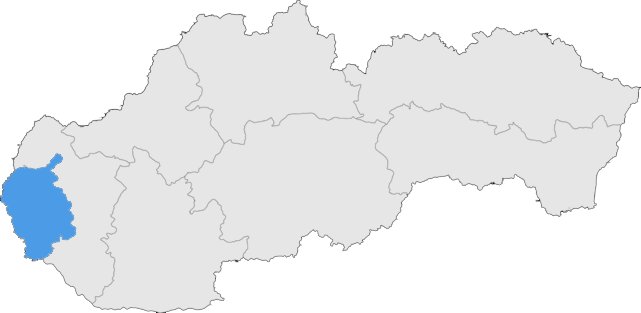
Kechnec
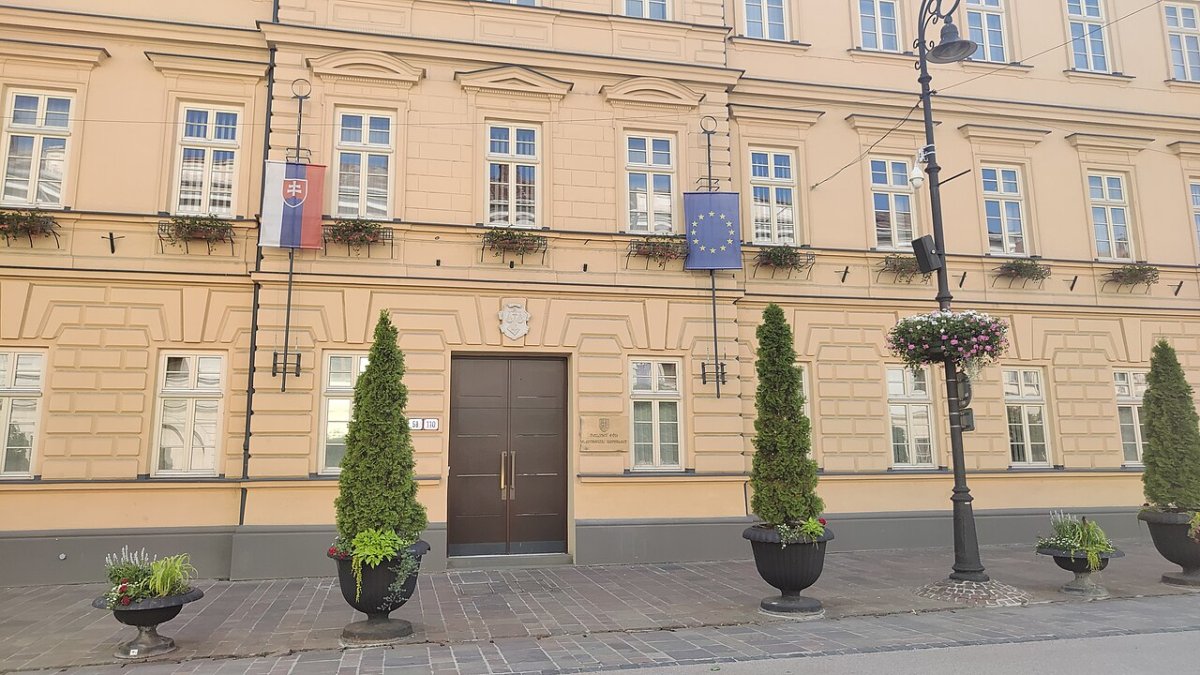
A village near Košice with a large industrial park.
Why here: Magna manufactures transmissions here.
More info →The prosecution sought six months, the defense an absolute discharge
The prosecution proposed six months in prison and having Stronach placed on the sex offender registry for ten years. Prosecutor Jelena Vlacic argued that people must be held accountable even decades later, otherwise courts would be giving people an incentive to evade responsibility. As aggravating circumstances, she cited the suddenness of the attack, its lasting consequences, and the twenty-year age gap. The Canadian Press ↗Defense lawyer Leora Shemesh sought an absolute discharge and no registry order. According to her, this is the least serious offense of its kind, and imprisonment would do "absolutely nothing" for society. In her view, Stronach's name has already disappeared from parks and hospital wings, and that is a punishment he has already served. The city of Aurora, where Magna is headquartered, announced in June, after the conviction, that it would remove his name from a recreational facility. The Canadian Press ↗ CBC ↗
The hearing began with a statement from the complainant, who cannot be identified under a publication ban. She knew Stronach and, after having dinner with him, went to his apartment, where she said she felt "ambushed" and "overpowered". "My sense of safety in social settings was destroyed," she said. In 1977, indecent assault was a separate criminal offense carrying a sentence of up to five years in prison. In 1983, Canadian law merged it with sexual assault. The Canadian Press ↗
Of twelve charges, one conviction remains
Stronach originally faced twelve charges in Toronto from seven women over acts committed between 1977 and 1990. The prosecution withdrew one and agreed to acquittal on four. On two others, the judge deemed one woman's testimony unreliable. Of the five remaining counts, she found him guilty in June on two: indecent assault and sexual assault against another woman. CBC ↗ Der Standard ↗A few weeks later, the judge declared a mistrial on the sexual assault conviction, a rare step after a verdict has already been delivered. The defense presented emails from the complainant's lawyer in a separate civil dispute, which it said did not match her testimony. The prosecution appealed in August and is asking the appellate court to reinstate the conviction. The defense lawyer called the appeal "a waste of precious court resources". CBC ↗
Stronach denies all the charges. The allegations from six other women are to be considered by a jury in Newmarket, Ontario, in May 2027. ORF ↗ The Canadian Press ↗
From Styria to Kechnec
Stronach was born in 1932 as Franz Strohsack in Kleinsemmering in Austria's Styria region, and emigrated to Canada in the 1950s. He built Magna from a small workshop in Toronto. He gave up control of the company in 2010, left its board in 2012, and his consulting payments from the firm ended in 2014. In 2012, he founded the Team Stronach party in Austria. Wikipedia ↗ CP24 ↗ The Globe and Mail ↗Magna has a transmission plant in Slovakia, in Kechnec near Košice, which, according to Denník E, employed 990 people in 2021. The charges concern Stronach personally, not the company. Denník E ↗
Two weeks before the hearing, Stronach returned to Weiz in Styria for the premiere of a film about himself titled "The Magna Man." Kleine Zeitung ↗
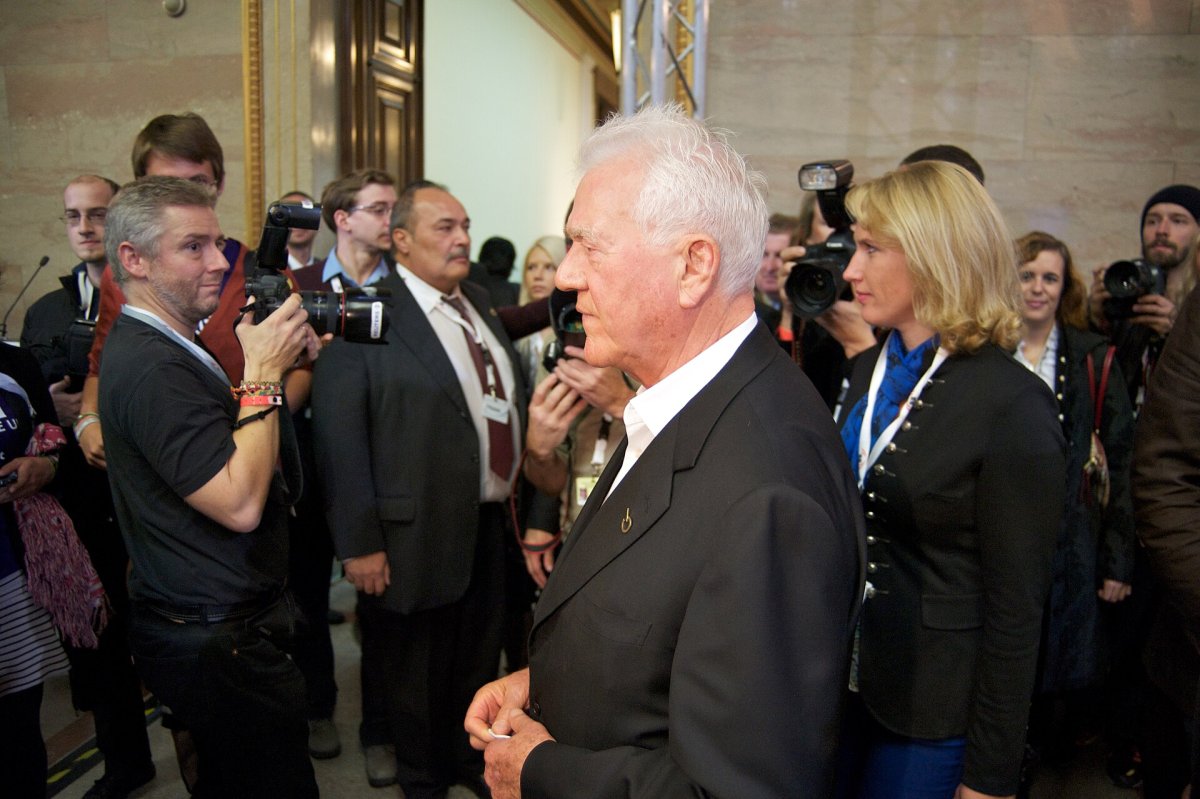
*Illustrative photo: Frank Stronach on the night of the Austrian parliamentary elections (September 2013), Wikimedia Commons. Author: Gregor Tatschl. License: CC BY-SA 2.0.*