

Key actors — tap for context

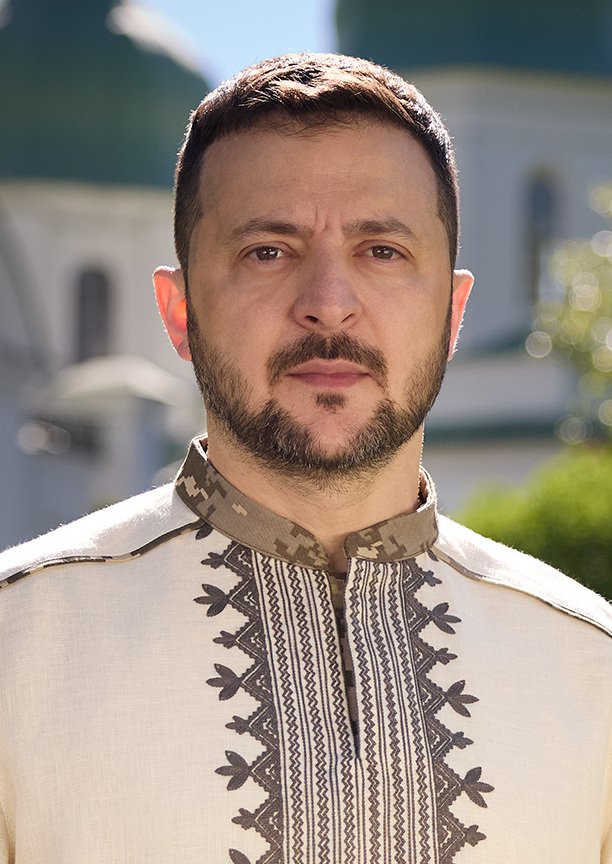
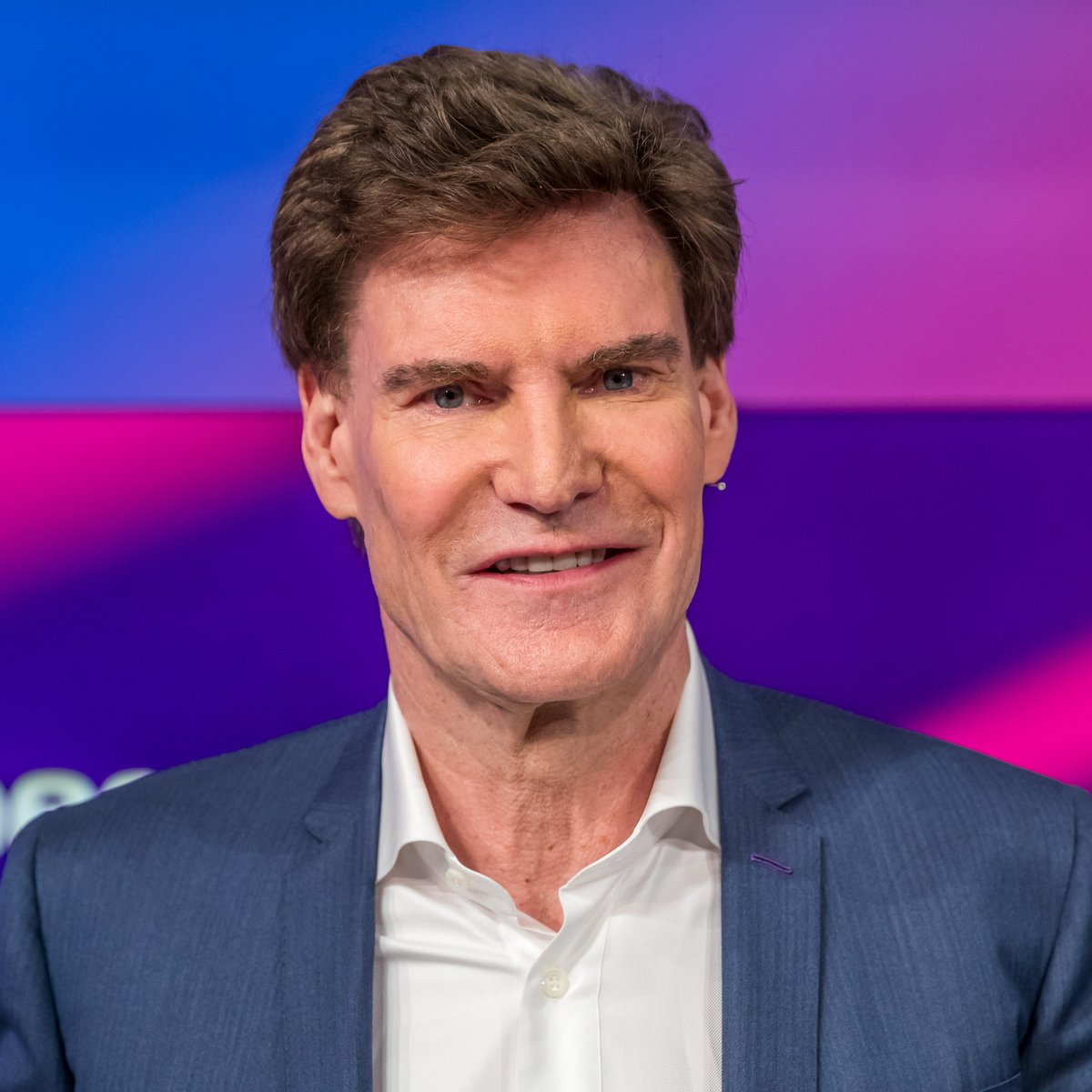
Marian Kotleba
Chairman of the Kotlebovci – Ľudová strana Naše Slovensko party.
Why here: Running simultaneously for chairman of the Banská Bystrica Region and mayor of Banská Bystrica.
More info →
Ondrej Lunter
Current chairman of the Banská Bystrica Self-Governing Region, running as an independent.
Why here: Defending his seat against six rivals, including Kotleba.
More info →
Milan Majerský
Current chairman of the Prešov Self-Governing Region and head of the KDH.
Why here: Facing ten challengers, the most of all eight regions.
More info →Erika Jurinová
Chairwoman of the Žilina Self-Governing Region.
Why here: Running for a third term and, among the eight incumbent chairs seeking re-election, the only woman.
More info →
Jaroslav Baška
Incumbent chairman of the Trenčín Self-Governing Region.
Why here: Defending his seat against three rivals, the fewest of all regions.
More info →Eight Regions, 56 Candidates for Chairman
The Prešov Self-Governing Region has the most contenders. Incumbent Milan Majerský faces ten rivals, among whom, according to Pravda, is Investment Minister Samuel Migaľ. In the region, 474 people are running for 67 seats on the regional council across thirteen electoral districts. Pravda ↗At the opposite end is the Trenčín Region with four candidates for governor, all of them nominated by political parties. Jaroslav Baška is defending the seat with the support of Smer, Hlas, Republika and SNS. In the nine districts, 236 people are running for 44 council seats, the most in the Prievidza district and the fewest in Partizánske. Pravda ↗
The remaining six regions fall between these two extremes. Five of them have exactly seven candidates for chairman each, while the Košice Region has six. In the Bratislava Region, Juraj Droba is defending the post, and 277 people are running for the regional council. In the Trnava Region, where Jozef Viskupič is defending his seat, one candidate is running as an independent and six were nominated by parties, with 214 people running for council seats. Pravda ↗ Pravda ↗
The Nitra Region also has seven candidates, among them Tibor Csenger, the Hungarian Alliance's nominee and the party's deputy chairman. In the Žilina Region, Erika Jurinová is running for a third term, and 309 people are running for the 56-member council across eleven districts. In the Banská Bystrica Region, parties nominated five candidates and two are running as independents, with 272 people running for the 49-member council across thirteen districts. The Košice Region has six candidates for chairman, including one woman, and incumbent Rastislav Trnka faces five rivals. The regional council there has 59 seats, elected across eleven districts, though the sources do not state the number of candidates running for it. Pravda ↗ Pravda ↗ Pravda ↗ Pravda ↗
Regional Capitals: 48 Candidates for Eight Mayoral Seats
The distribution in the eight regional capitals is similar, only with less spread. Adding them up gives 48 contenders for the mayoral seat, with Žilina and Košice having the most, eight each. In Košice, Jaroslav Polaček is defending the post, and two of the eight candidates are running as independents. Pravda ↗Žilina is exceptional in another respect, though. Of all eight candidates for mayor, seven are independent, meaning without a political party nomination, and all of them are men. Pravda ↗
Bratislava, Trnava, Banská Bystrica and Prešov each have six candidates. In Bratislava, Matúš Vallo is defending the seat, facing five challengers, among whom, according to Pravda, are one government member and the only woman in this contest. The commission registered 219 candidates for the 45-member city council, of which 11 are independent. Pravda ↗
In Banská Bystrica, among the six contenders three are independent and three were nominated by parties; in Prešov, Oľha is defending the post, and 138 names appear on the lists across six districts for the 31-seat city council. In Trnava, 111 people are running for council seats, also across six districts. Pravda ↗ Pravda ↗ Pravda ↗
Nitra and Trenčín have the fewest candidates, four each. In Nitra, Hattas is defending the seat, and the four candidates are backed by Progresívne Slovensko, Smer, Hlas and Republika. In Trenčín, 78 people are running for 25 council seats. Pravda ↗ Pravda ↗
Independents: Where Sources Report It, the Differences Are Large
Sources report the party affiliation of council candidates for only two cities and one region, but even this small sample shows how much it varies. In Trenčín, 45 of the 78 council candidates are independent, just under sixty percent. In Bratislava, it is 11 of 219, or five percent. In the Žilina Region, 108 of the 309 candidates are independent, roughly a third. Pravda ↗ Pravda ↗ Pravda ↗The word „independent" merely indicates what will appear on the ballot. A candidate without a party nomination may still have a party's support without it being listed next to their name. Seven independents out of eight in Žilina is therefore more a question for further investigation than a settled answer.
Women Make Up a Quarter, Where It Can Be Counted
Of the eight regions, only Trenčín published the gender breakdown of candidates. Of the 236 contenders for council seats there, 176 are men and 60 are women, roughly a quarter. For the governor seats, the ratio is more pronounced: among the eight incumbents seeking re-election, Erika Jurinová is the only woman, and in the Žilina mayoral race, not a single woman is running. Pravda ↗One Person, Two Candidacies
Marian Kotleba is running simultaneously for chairman of the Banská Bystrica Region and for mayor of Banská Bystrica, and the commissions registered both of his candidacies. This means that in the same city, his name will appear on two different ballots. In the regional race, he faces incumbent Ondrej Lunter and five other contenders; in the city race, five others, including Ján Nosko. Pravda ↗Two Cases Where the Ballot Will Be Confusing
The number of mayoral candidates is only one layer. The other is the list of council candidates, and even in a small village that list can be very long. In Kecerovce near Košice, home to about four thousand residents, 63 people are running for municipal council. According to the Košicak portal, 22 of them share the surname Gábor; the Refresher portal reports 24 candidates with this surname, four of whom also share the same first name. The sources therefore disagree on the exact number, but either way, a voter cannot get by simply knowing their favorite's surname. Košicak ↗ Refresher ↗In Kežmarok, too, there is great interest in council seats, with 58 candidates registered, and independents predominate among them. TASR ↗
Where the Numbers Come From and What Is Missing
The totals of 56 and 48 are our own, compiled from eight regional and eight city registrations. We could not find an official summary figure for the whole of Slovakia anywhere. We systematically added up only the eight self-governing regions and eight regional capitals; villages and smaller towns are given as individual examples. We have candidate counts for regional councils in six regions and for city councils in four cities; for the rest, the sources do not report them. We do not work with comparable regional opinion polls in this text.Moreover, the number of candidates alone does not say how close the actual vote will be. Eleven contenders in the Prešov Region could just as easily mean fragmented competition against the incumbent as an even contest, and four candidates in the Trenčín Region could end up closer than eleven elsewhere.
When and How Voting Takes Place
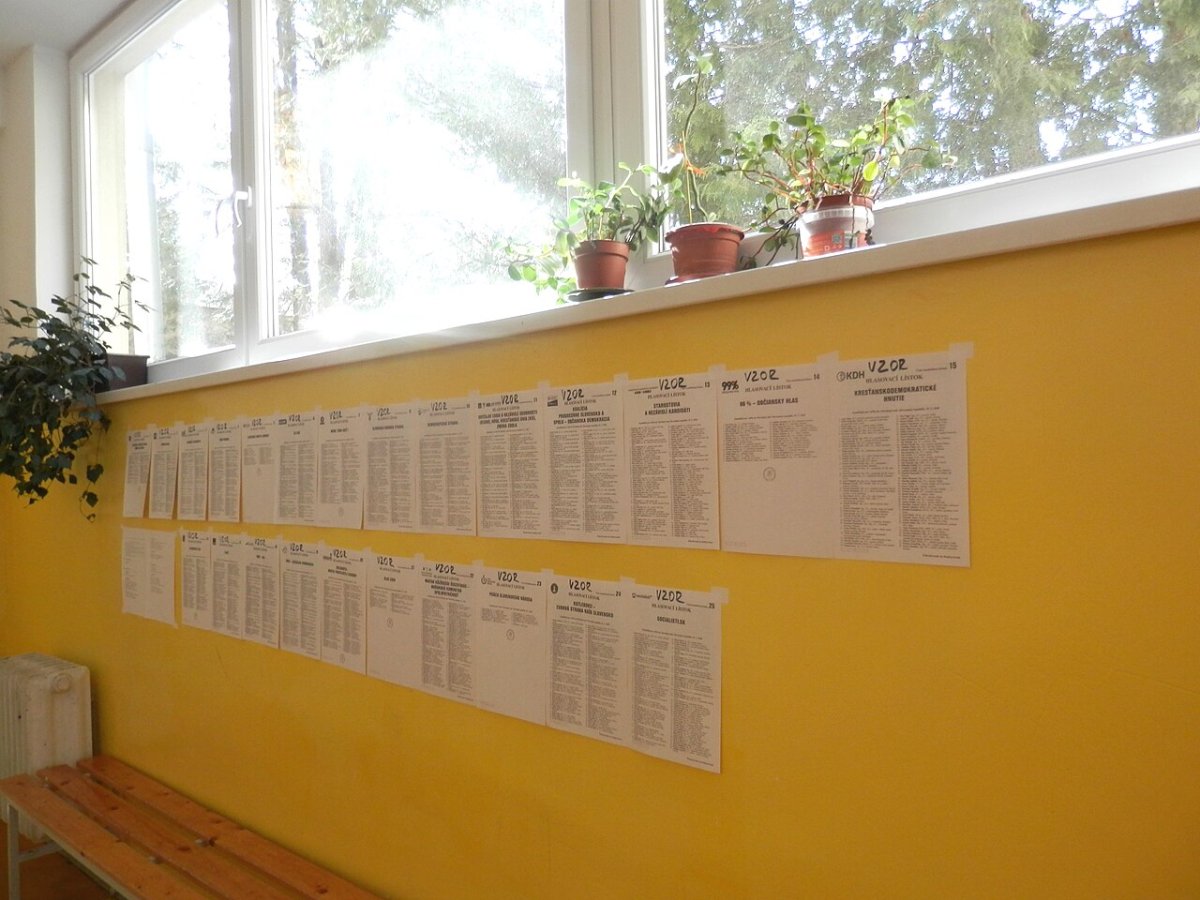
Voting will take place on Saturday, October 24, with polling stations open from 7 a.m. to 8 p.m. Candidate lists had to be submitted no later than sixty days before the election, and the commissions decided on registrations in late August and early September. Pravda ↗Illustrative photo: sample ballots at a polling station in Sekčov, Prešov, during the National Council elections in February 2020. Author: Jozef Kotulič, Wikimedia Commons, license CC BY-SA 4.0.