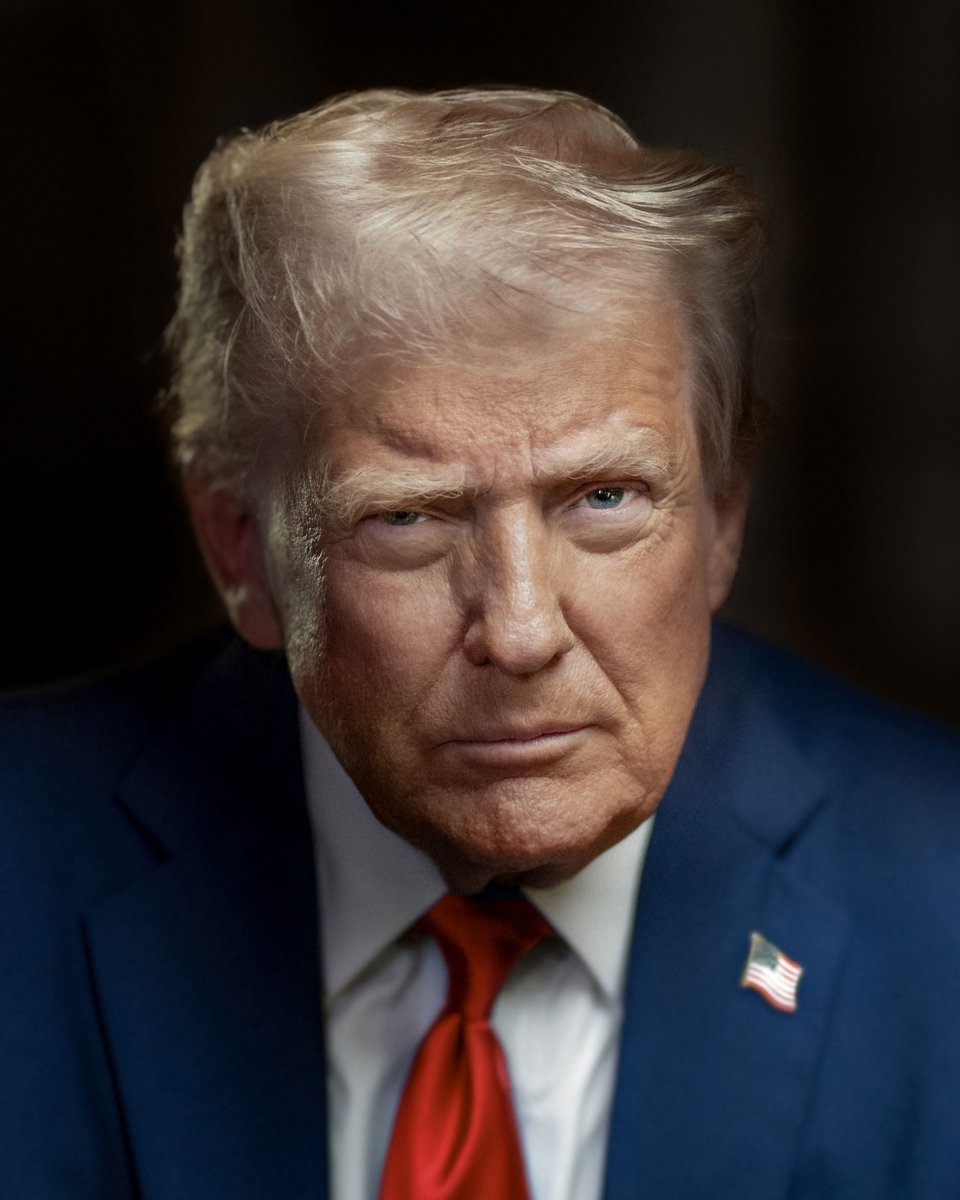










In late March 2026, a new blues singer with a gravelly voice reminiscent of Otis Redding and B.B. King appeared on iTunes. The ballad "Another Day Old" rose to number one on the iTunes charts in both the USA and the United Kingdom. In a single week, Eddie Dalton racked up 13,000 copies sold and 525,000 streams on Spotify. The problem? Eddie Dalton doesn't exist. Showbiz411 ↗
Behind the project is Dallas Little from Greenville, South Carolina, who runs the label Crunchy Records. Little uses AI for everything — from composing the music and vocals to the visual side. In the images, Eddie Dalton appears as an older, gray-haired man singing into a vintage microphone. By early April, he already held eleven positions on the iTunes Top 100, and his debut album "The Years Between" held at number 3 on the album chart. The songs charted in the United Kingdom, Australia, Germany, Canada, and the Netherlands. Newsweek ↗
Little claims that all his videos are "clearly labeled as AI," but according to available information, his YouTube channel did not carry such a label at the time of the exposé — unlike TikTok, where the AI label was visible. It is not clear what specific data the AI model was trained on, which is the main point of criticism from musicians. Eddie Dalton is not Little's first AI project — he previously created fictional artists such as Xania Monet, Cody Crotchburn, and Velvet Sundown. Showbiz411 ↗
Real musicians reacted mostly critically. Soul singer Billy Price of Carnegie Mellon University called it "a caricature of a soul artist" and compared it to blackface minstrels from the early 20th century. Guitarist Zack Wiesinger praised the vocals as "quite human," but described the chords as "uninspired." Bill Toms of the band Hard Rain was brief: "It's a great song — if it were played by The Commonheart. Honestly, it's pretty unsettling." Young soul singer Addi Twigg objected that AI "steals sounds from the work of real people." Pittsburgh Post-Gazette ↗
The case of Eddie Dalton is not an isolated one. According to estimates from the streaming service Deezer, more than 50,000 fully AI-generated songs are uploaded to platforms every day, which may account for roughly a third of all new music. Deezer also estimates that in some cases up to 85 percent of the streams of these songs may be fraudulent. Sony Music has requested the takedown of more than 135,000 AI songs that, according to the company, imitated its artists. TIME ↗
Platforms are beginning to respond. Apple Music is testing the labeling of AI content through so-called "Transparency Tags." Spotify has introduced tools to protect artist profiles, allowing them to review releases before publication. YouTube has announced that combating low-quality AI content is one of its priorities for 2026. CNBC ↗
The legal side is even more complicated. Music labels Universal, Sony, and Warner have sued the platforms Suno and Udio for training their models on copyrighted recordings. Warner has reportedly reached a licensing agreement with Suno. Udio, in response to legal pressure, has moved to a "walled garden" model, in which AI creations do not leave the platform. A ruling in the key UMG v. Suno case is expected in the summer of 2026. In Germany, parallel proceedings by the organization GEMA against Suno are underway. Billboard ↗
Meanwhile, artists have launched the "Say No to Suno" campaign, in which they labeled AI platforms as "brazen theft" and warned that "the hijacking of the world's entire musical treasure is flooding platforms with AI slop (low-quality, mass-generated content) and diluting the earnings of real artists." An open letter was signed by representatives of the Music Artist Coalition, the European Composer and Songwriter Alliance, and the Artist Rights Institute. Among the artists who have publicly spoken out in favor of stricter regulation are Elton John and Dua Lipa. MusicRadar ↗
The European AI Act is gradually introducing a requirement to label AI-generated content, including music, on streaming platforms. SuperMusic covers the phenomenon of AI artists in more detail. The music industry thus faces a question it does not yet have an answer to. Music has always been about emotion. The question today is: does it still matter who feels it — or is it now enough that it can be imitated? SuperMusic ↗

Eddie Dalton doesn't exist, yet he reached the top of iTunes. AI is changing the music industry faster than we expected
Videos
🔥 You might also like

Real Estate
René Benko's Two-and-a-Half-Year Sentence for Fraudulent Bankruptcy Is Final. Neither Prosecution nor Defense Appealed
Innsbruck court raised the Signa founder's sentence by six months to 30; the verdict is final as of 24 September. He remains in custody over other probes.
📰
Celebrities
Céline Dion Enlivens Her Paris Stay with Spontaneous Performances
Céline Dion is drawing attention beyond her scheduled shows during her return to the concert stage. Outside her Paris hotel, where fans have recently...

Economy
Czech inflation accelerated to 1.9 percent. In comparable terms, it is lower than both Hungarian and Slovak inflation
Czechia's national inflation is 1.9%, but harmonized only 1.5%. Hungary's national rate is 1.3%, harmonized 1.8%. Slovakia is at 3.1%, the eurozone 3.3%.
From our newsroom original
All →
White House Denies Entry to CNN, MS NOW and Politico Journalists

Motoristé Face Criticism Over Budget Deficit and Money for Pensioners

Fury and Joshua to Meet on 11 December in Cardiff

SBU: soldier allegedly guided a Russian strike onto his own unit. The target was a drone repair shop; the FSB, it says, recruited him through a relative

Romania’s anti-drone systems failed acceptance tests. The next day, a drone crashed near Suceava; F-16s did not shoot it down

A Gallic rampart found beneath a Paris hospital could settle the dispute over where Caesar's Lutetia lay

Britain is setting up a space squadron meant to actively disrupt the enemy. The head of Space Command has been suspended since August

EU Drops Usmanov and Fridman, Baku Soon Releases a Frenchman