



What Kyiv Independent says
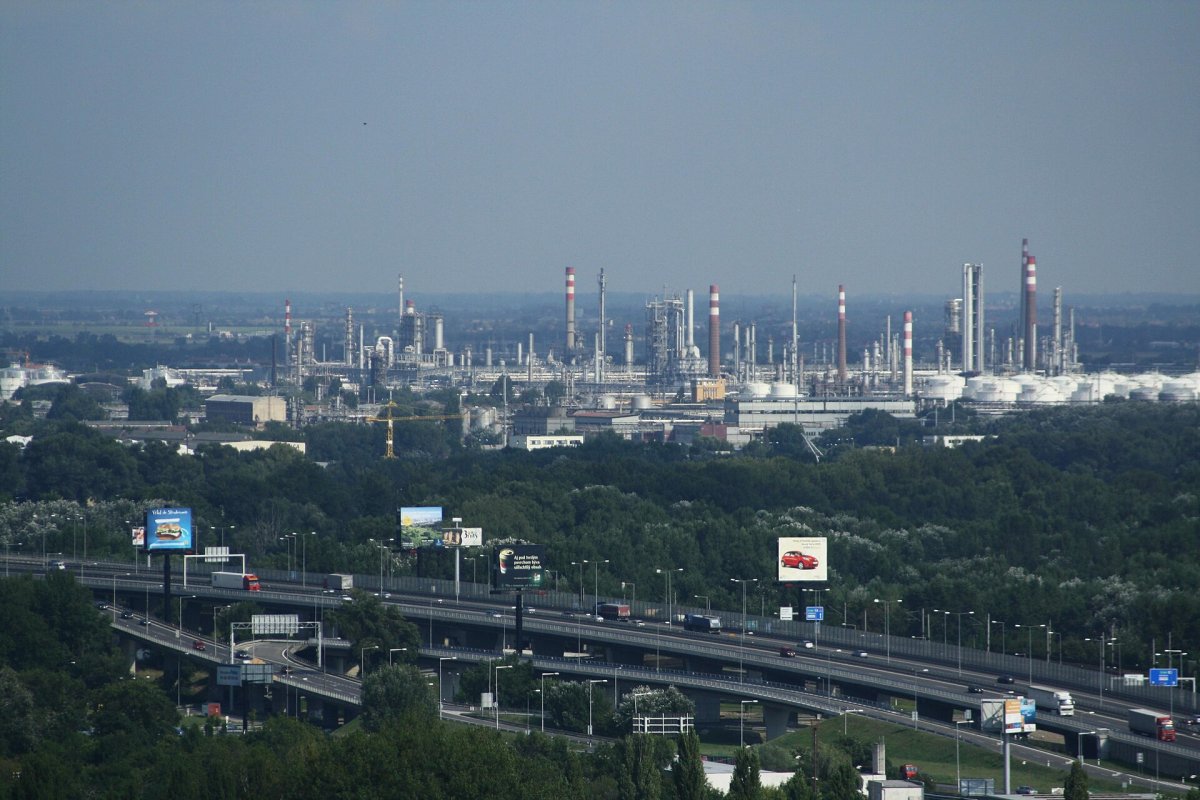
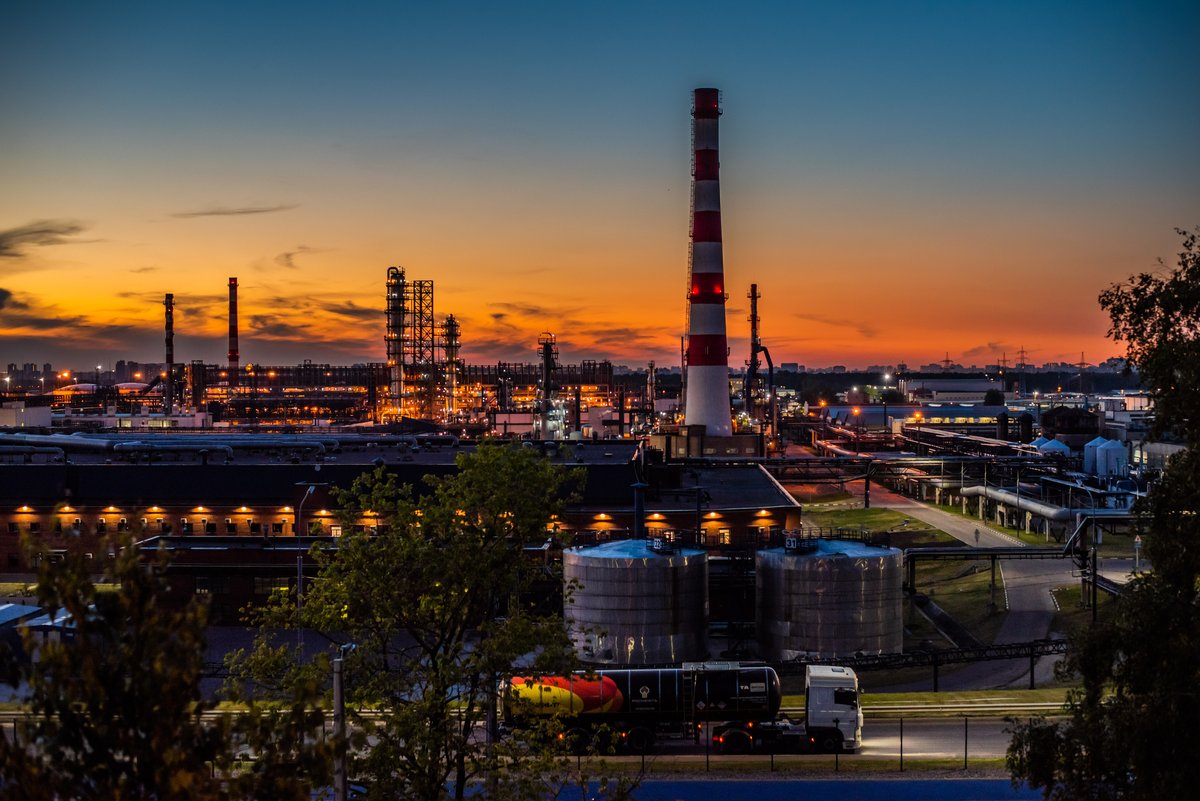
On May 21, Kyiv Independent reported on the Reuters finding from May 20 and specified the affected plants: the Kirishi refinery (Leningrad Oblast, capacity of 20 to 21 million tons of oil per year) has been down since May 5, and other facilities in Nizhny Novgorod, Ryazan, and Yaroslavl oblasts plus the Moscow refinery are "completely shut down or operating at reduced production." The total capacity of the affected plants reaches 238,000 tons per day, or 83 million tons per year. Four strikes in just one week — Ryazan, Kstovo twice, and Syzran — were added to Kirishi. Kyiv Independent ↗Robert Brovdi, commander of Ukraine's Unmanned Systems Forces, posted a brief message on Telegram on May 17 after one of the largest combined strikes of the war — drones and missiles against targets in the Moscow region, including the heavily defended Moscow refinery and the Solnechnogorsk oil transshipment station: "Moscow never sleeps from now on." Russian airports activated the "Carpet" plan and grounded air traffic. Kyiv Independent — analysis ↗
Hanna Notte of the Washington-based Center for Strategic and International Studies (CSIS) gave Kyiv Independent a political framing: "The usual Russian thank-you during Victory Day was: 'Thank you for the peaceful sky above our heads.' This year the sky isn't peaceful — and that is entirely Russia's own doing."
KI also attaches front-line math to the drone campaign. Ukrainian Defense Minister Mykhailo Fedorov stated that during April, 35,203 Russian soldiers were "killed or seriously wounded." According to the monitoring group DeepState, the Russian army gained 141 square kilometers of Ukrainian territory over that same month.
What's new compared to Slovak coverage
Slovak and Czech dailies covered individual incidents extensively this week. Aktuality.sk reported that Kstovo is "Russia's fourth-largest gasoline producer" aktuality.sk ↗, while novinky.cz used the emotive framing "black rain over Russia" for the strike in Ryazan novinky.cz ↗. HN online cited Reuters data a week earlier on the doubling of the number of Ukrainian attacks on refineries in 2026. HN ↗ What none of these reports provided is the systemic picture: this is not an isolated fire in Ryazan, but a quarter of Russia's refining capacity shut down at once.Kyiv Independent adds strategic context to the finding — Brovdi's statement as an official position of the Ukrainian command, Putin's May Victory Day parade without tank equipment and without significant foreign guests, and expert voices from CSIS. Le Monde added a framing this week that KI lacks: a May 18 piece discusses how Russia is becoming increasingly vulnerable to deep Ukrainian drone strikes — Ural, Perm, and Cheboksary are no longer safe rear areas. Le Monde ↗ Poland's Onet, in a piece citing Novaya Gazeta, relayed a warning from analyst Tatiana Mitrova of Columbia's Center on Global Energy Policy (CGEP) — according to her, attacks on refineries and export infrastructure have moved from the category of local failures into the category of systemic pressure felt even at the macroeconomic scale. Onet / Novaya Gazeta ↗
Also read: Zelensky praises drone strikes and negotiates with Hungary, while his former chief of staff faces money laundering charges
Limits of this view
Kyiv Independent is an English-language outlet that should be read with awareness of its openly pro-Ukrainian editorial lens — it provides an analytical layer, but it won't balance the Ukrainian narrative of a systemic breakdown of Russian industry. The Reuters finding relies on unnamed industry sources, and independent satellite confirmation of the quarter-capacity figure is still lacking. "Completely halted or curtailed production" covers a wide range — the difference between a restart within a week and recovery within a year.Germany's Die Zeit, via dpa and analysts Dmitry Kuznets (Meduza) and Matthias Uhl, adds a contrasting note: Ukraine's drone advantage paradoxically does not translate into victory on the front, because the same drones also freeze the advance of the Russian army, producing a "gray zone" rather than a breakthrough. Die Zeit ↗ And the Reuters finding itself recalls an uncomfortable detail from the other side: higher prices for Russian gasoline at domestic pumps increase consumer discomfort, but may also offset part of the fiscal pressure — the global price surge from the Iran-Israel war is also lifting export revenues.
What hotinfo is watching
- May IEA export statistics — whether the April trend is confirmed, or whether the refinery crisis significantly reduces exports
- Urals price and the discount to Brent — market reaction to the physical risk to transshipment
- Progress of a possible 21st EU sanctions package (the 20th package was adopted on April 23) — whether Ukraine's energy offensive has European political cover
- Independent satellite confirmation of damage to Russian transshipment tankers near Novorossiysk (Maxar, Planet Labs, open sources such as HISutton)
- Developments in US-Iran negotiations — whether the price surge from the Iran-Israel war offsets Russia's loss of refining capacity