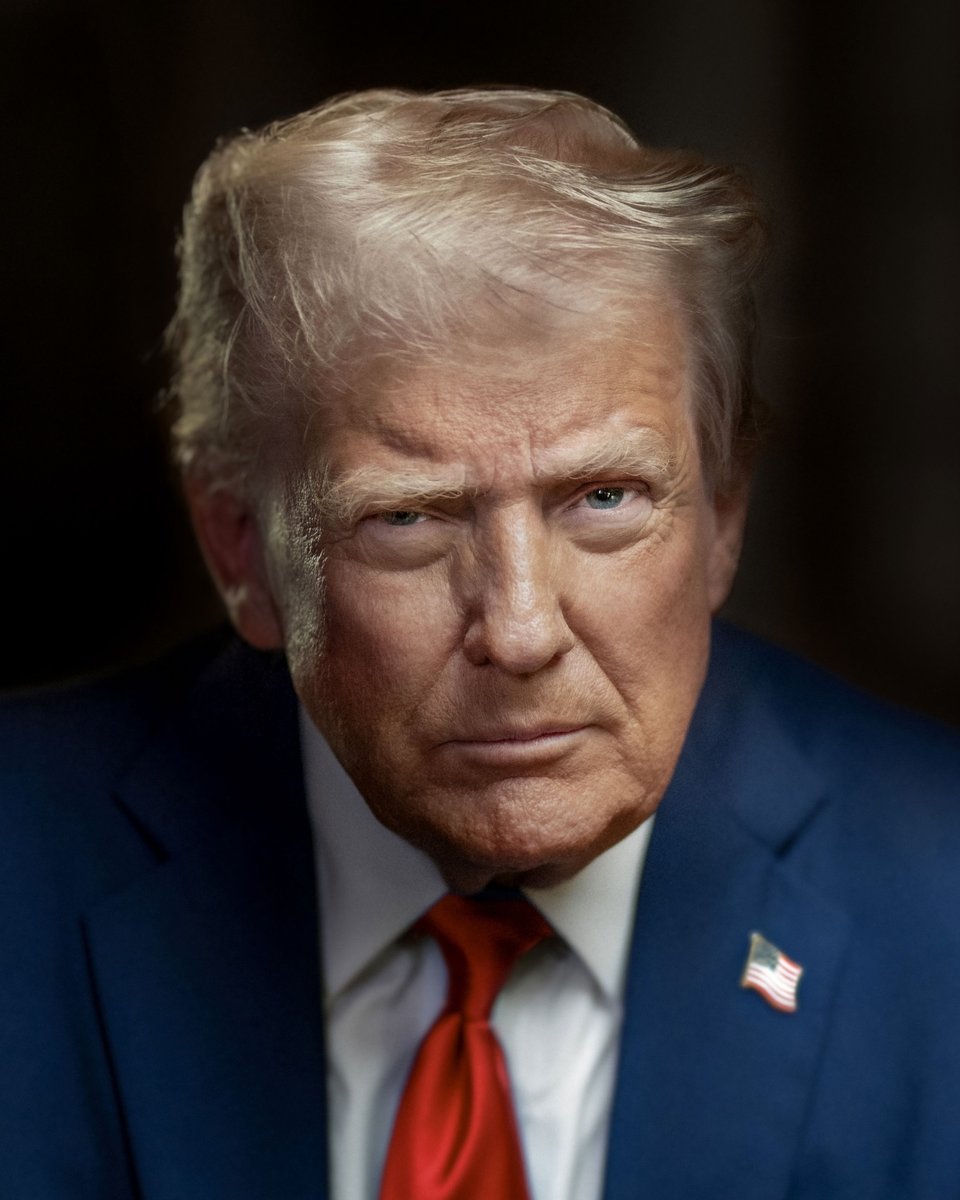





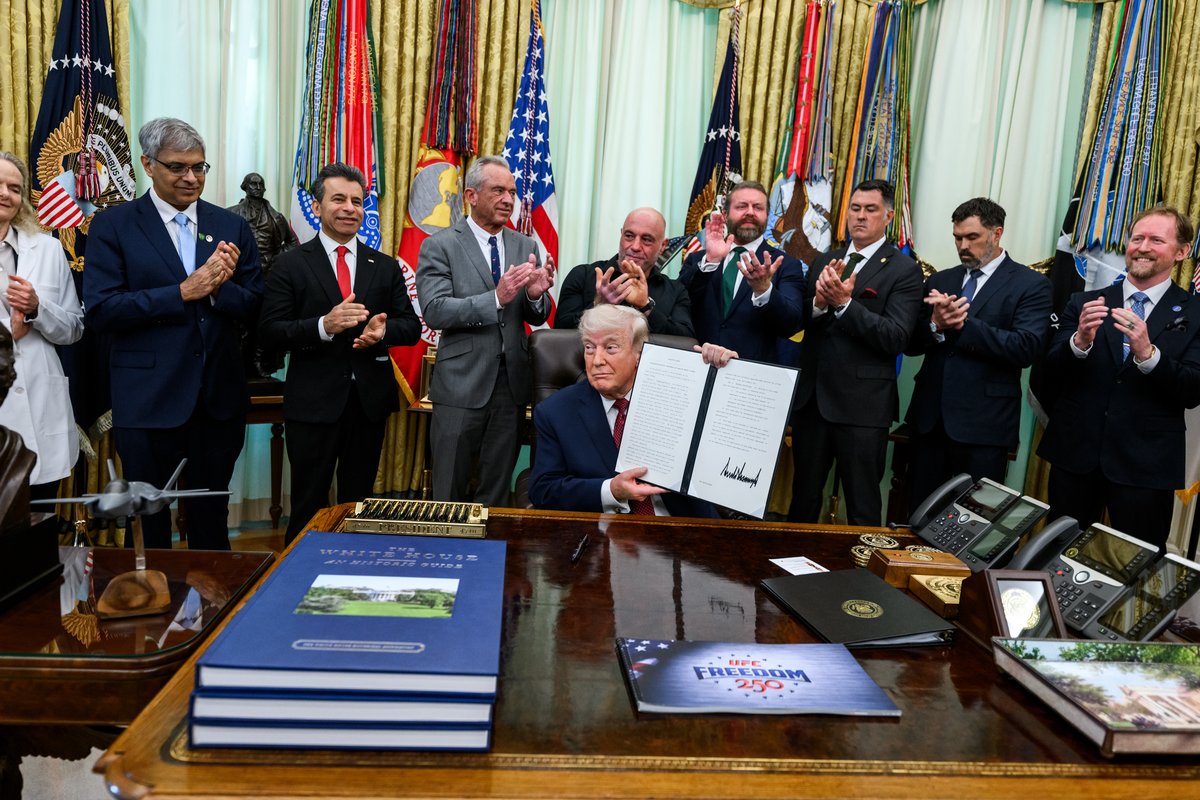
A few hours after sending the letter, Trump told reporters that the US Central Command had briefed him on Thursday about options "from 'bomb them and end it forever' to trying to reach a deal." Regarding the Iranian offer for a new negotiating framework, which the Iranian government sent via Pakistani intermediaries, he said: "they're asking for things I cannot agree to." And on the question of why he is not seeking Congressional approval, he replied that in his view previous presidents did not recognize the resolution either, and most people consider it "totally unconstitutional." AP ↗
What the 1973 resolution says
The War Powers Resolution was passed by Congress in 1973 over the veto of President Richard Nixon, in response to the experience of the Vietnam War. The law obliges the president to end the combat deployment of armed forces within 60 days (with a possible 30-day extension for a safe withdrawal of forces), unless Congress has declared war or approved a legal authorization for the use of force. BBC ↗The Trump administration claims that the ceasefire of April 7 pauses the 60-day countdown. Pentagon chief Pete Hegseth presented this argument at Thursday's Congressional hearing. Democratic Senator Tim Kaine responded by saying: "I don't think the law supports that interpretation." Heather Brandon-Smith of Georgetown University Law Center told the BBC that even an ongoing ceasefire does not stop the legal clock: "A ceasefire is not a permanent end to the conflict. In my judgment, a permanent end is what would actually conclude those 60 days." BBC ↗
Brandon-Smith added that if the Trump administration continues the conflict, the only way to stop the war is through the courts or Congress. Democratic attempts to constrain the president in both chambers have so far failed — most Republicans blocked them, though some have indicated they might reconsider their position after the 60-day threshold. BBC ↗
Trump claims his predecessors did not recognize the law. The history is more complicated
Trump's claim about the practice of previous presidents is partly true and partly false. Some presidents sought or obtained Congressional approval, others avoided it. The BBC notes that Ronald Reagan received Congressional approval in 1983 for the deployment of US Marines in Lebanon before the 60-day deadline expired. George H. W. Bush requested authorization for Operation Desert Storm in 1991, although he claimed he did not need it. George W. Bush received Congressional approval for the wars in Afghanistan (2001) and Iraq (2003). BBC ↗Other presidents bypassed the resolution. Bill Clinton led the bombing of Kosovo for 78 days in 1999 without Congressional approval. Barack Obama argued in 2011 that US participation in the NATO operation in Libya did not fall under "hostilities" within the meaning of the 1973 resolution — the operation continued without a Congressional vote for more than seven months. David Schultz, a professor of political science and legal studies at Hamline University in Minnesota, told the BBC: "The fact that other presidents didn't use it doesn't mean that what Trump is doing now is right. Here, Trump has essentially committed the United States to combat without any Congressional support." BBC ↗
The Strait of Hormuz: a dual dispute
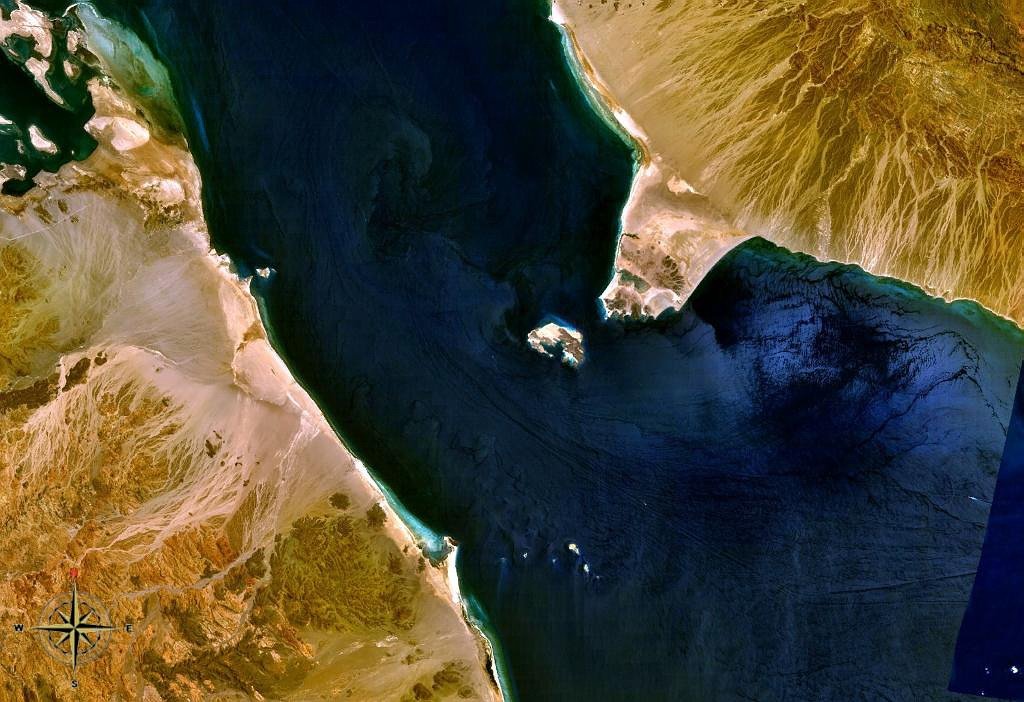
Although Trump's letter speaks of ended hostilities, the naval dispute continues: the US is blocking Iranian tankers and, according to the AP, maintaining pressure on the Strait of Hormuz, through which a fifth of the world's oil and gas trade passes in peacetime. The Iranian rial has fallen to a record low, and the strait remains virtually closed to civilian shipping. AP ↗The US Treasury Department issued a warning on Friday that any person or company paying Iran a "toll" for passage through the strait risks violating US sanctions. Trump himself said on Friday that US forces are "like pirates" when they seize Iranian oil on the open sea. Al Jazeera ↗
Iran's supreme leader, Ayatollah Mojtaba Khamenei, son of Ali Khamenei who was killed in the war, declared on Thursday that the Islamic Republic will protect its "nuclear and missile capabilities" as national assets. The signal that Tehran does not intend to back down on these programs in any potential agreement came a day before the Iranian government handed its negotiating proposal to Pakistani intermediaries. AP ↗
Public skeptical, Congress's stance still uncertain
A Washington Post-ABC News-Ipsos poll found, according to Al Jazeera, that 61 percent of Americans surveyed consider Trump's use of military force against Iran a mistake. The president himself told reporters that the Iranian leadership is "fractured," because several of its top officials, including then-supreme leader Ali Khamenei, were killed in the war. "We won't let it end too soon, only for the problem to arise again in three years," Trump added. Al Jazeera ↗David Schultz reminded the BBC that America's founders in 1776 and 1787 feared precisely an executive branch that would commit the country to war without the support of the legislature. Whether Congress will move to a formal vote after the 60-day deadline passes, or whether the dispute over the constitutional interpretation of the War Powers Resolution will end up before federal courts, will be decided in the coming weeks. BBC ↗
What hotinfo is following
- Federal court intervenes on constitutional interpretation of War Powers Resolution in Trump case.
- Iranian proposal via Pakistani mediators leads to a public agreement, or Trump announces new strikes.
- Ayatollah Mojtaba Khamenei announces Iran's stance on its nuclear and missile program within a deal.
- The White House responds (ignore/legal challenge) or Congress moves on war funding as real leverage.
- Congress holds formal vote on Iran war authorization after exceeding the 60-day deadline.→ Snemovňa pokarhala Trumpa za iránsku vojnu 215:208. Britská tlač číta vzburu in…Snemovňa 3.6. hlasovala 215:208 za war powers rezolúciu (H.Con.Res.86) nariaďujúcu stiahnutie síl z Iránu, 4 republikáni prebehli. HotInfo foreign-lens článok 1004086.
- US naval blockade of Iranian tankers in the Strait of Hormuz ends or escalates into a new military incident.→ Trump stopol eskorty lodí v Hormuzskom prielive, náhly obrat zaskočil aj jeho v…Trump (5.5.2026) zastavil USA eskorty lodí v Hormuzskom prielive — blokáda fakticky skončila. Avšak 6.5. ruský útok na francúzsku loď (851615) — eskalácia komerčnej premávky. Disjunkcia naplnená v oboch smeroch.
- Trump sends Congress a letter announcing the end of hostilities and bypassing the 60-day War Powers Resolution deadline.→ Trump Kongresu: vojna s Iránom skončila, 60-dňová lehota sa pauzuje. Právnici a…Trump 1.5. zaslal list Kongresu — Hegseth tvrdí, že tikajúce hodiny sa pauzujú; demokrat Tim Kaine podal protirezolúciu.
- The Senate passes a War Powers resolution to end the Iran war (after repeated failures).→ Senát vyzval Trumpa, aby ukončil vojnu s Iránom. Postavili sa proti nemu aj rep…Senát 23.6.2026 schválil 50:48, pridali sa 4 republikáni, 2 chýbali. Prešlo oboma komorami (Snemovňa 215:208). Symbolické, bez zákonnej sily.