


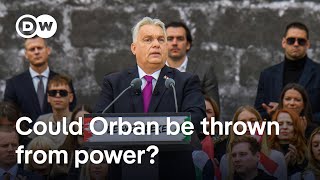
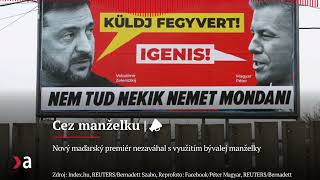
Three days after Fidesz's defeat in the parliamentary elections, election winner Péter Magyar is taking his first concrete steps. His Tisza party won 138 of 199 seats and a constitutional two-thirds majority amid high turnout of 77 percent. BBC News ↗
On Wednesday, Gábor Böröndi, Chief of the General Staff of the Hungarian Armed Forces, ordered the withdrawal of approximately 600 soldiers who had been guarding pipelines, refineries, and other critical energy infrastructure since February. The deployment of soldiers was originally announced on February 25 as part of the pre-election campaign — Orbán warned at the time in a Facebook video that Ukraine could attack Hungarian energy systems following the blockade of the Druzhba pipeline. The Hungarian investigative outlet 444.hu pointed out that footage of soldiers at the infrastructure served primarily as pre-election propaganda for Fidesz. In the meantime, operators secured their own protection, and the army has been gradually withdrawing since April 15. aktuality.sk ↗
On Wednesday, Magyar appeared for the first time in 18 months in the studios of the state-run Kossuth Radio and MTVA television. The interviews were sharp. Magyar compared the broadcasting to the methods of Joseph Goebbels and the North Korean regime and declared: "This lie factory will end when the Tisza government is formed." He plans to suspend MTVA's news coverage and subsequently reform the television into an independent public-service medium — a similar model that Poland underwent after Donald Tusk's return to power in 2023. The rest of MTVA's programming is to continue operating. Denník N ↗
European leaders welcomed the victory. Polish Prime Minister Donald Tusk wrote: "Together again! A glorious victory, dear friends!" Ukrainian President Volodymyr Zelenskyy expressed readiness to improve cooperation, and Kyiv lifted the travel warning for Hungary that had been in place under the Fidesz government. British Prime Minister Keir Starmer described the result as "a historic moment not only for Hungary, but for European democracy." European Commission President von der Leyen welcomed the result as Hungary's return to closer cooperation with the EU. BBC News ↗
Analysts point out that the real test for Magyar is only beginning. According to the Atlantic Council, Tisza's victory signals that Hungary may stop blocking European support packages for Ukraine. However, Chatham House warns that the system of clientelism built up during 16 years of Fidesz rule is deeply entrenched in Hungarian institutions, and dismantling it will not be quick. Magyar plans to review the Russian Paks II nuclear project and reassess energy dependence on Moscow, though he acknowledges that "neither Russia's geographic location nor Hungary's will change." Long-term goals also include adopting the euro, and his first foreign trips are heading to Warsaw, Vienna, and Brussels. Spiegel.de ↗
Magyar is also demanding the resignation of President Tamás Sulyok and has announced changes to the constitution, including the introduction of a two-term limit for the prime minister. The transfer of power is expected in the first half of May. Spiegel.de ↗

Three days after the election, Magyar begins to change Hungary: the army withdraws from infrastructure, state media awaits reform
Videos
🔥 You might also like
European Union
What Europe Is Writing About: Zelenskyy Negotiates in Oslo, Trump Wants a New Negotiator for Ukraine, France Extends Curfews
Zelenskyy negotiates in Oslo with Witkoff, Trump wants a new negotiator for Ukraine, France extends curfews. Overview from 37 countries.
Vatican
Pope's Lung Partially Removed, Doctors Confirm Cancer. Trip to South America Still Stands
The Pope underwent lung surgery, doctors confirmed cancer. He left the hospital after four days; the South America trip is set to start November 6.
World
Maduro and Flores reject torture conspiracy charges in the US
Ousted Venezuelan president Nicolás Maduro and his wife Cilia Flores rejected new conspiracy charges of torturing political opponents in New York.
Geographic locations

From our newsroom original
All →
Fico navrhol Šimkovičovú za podpredsedníčku vlády
Francúzsko predĺžilo miestne zákazy vychádzania po protestoch
Súd rozhodol o útočníkovi zo Staškova, skončí v reedukačnom centre
What the Czech media are writing about: Coalitions are taking shape, Prague is still waiting for a decision. A reshuffle over ministerial posts has begun in the government
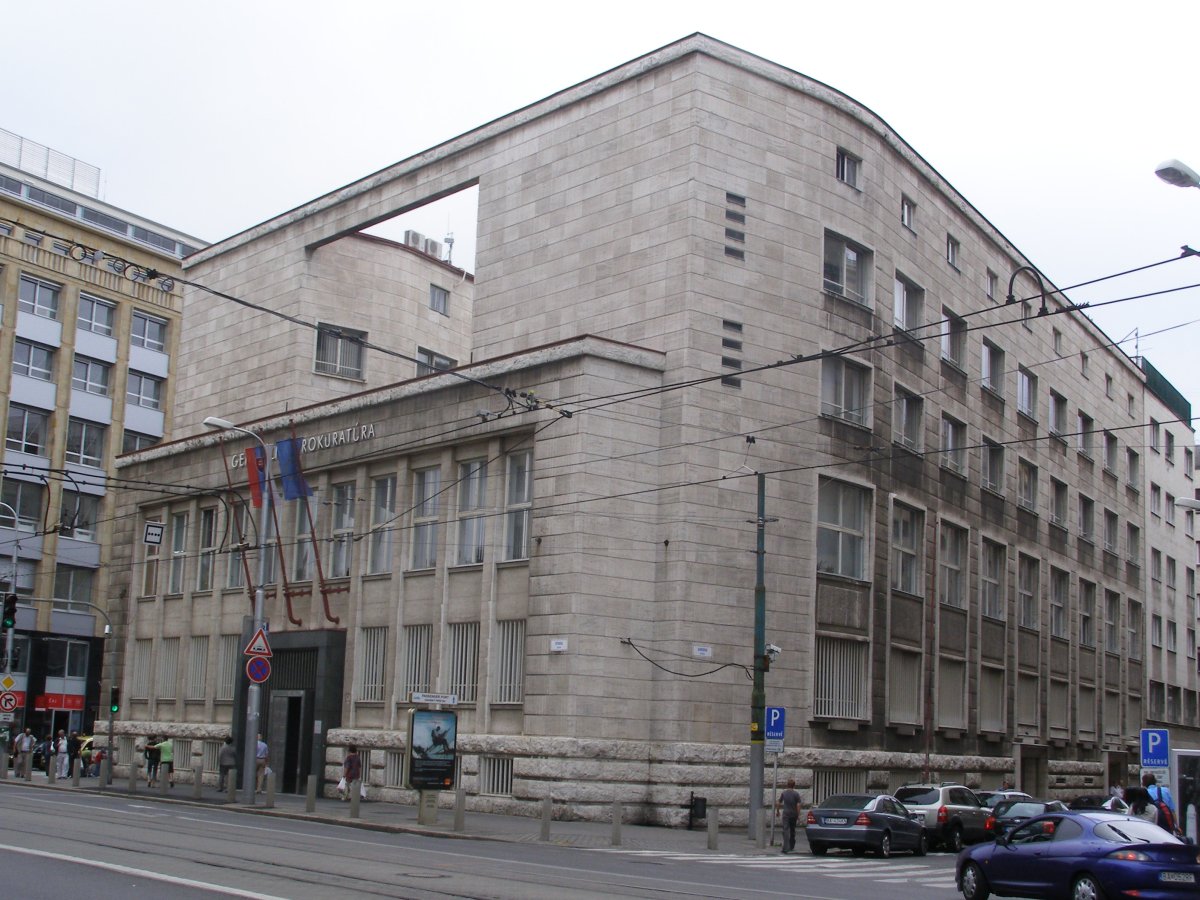
What Slovakia is writing about: The budget heads to final vote, Kamenický refuses to resign. Matovič could lose his bodyguard detail, Fico attacks Plaváková's wedding
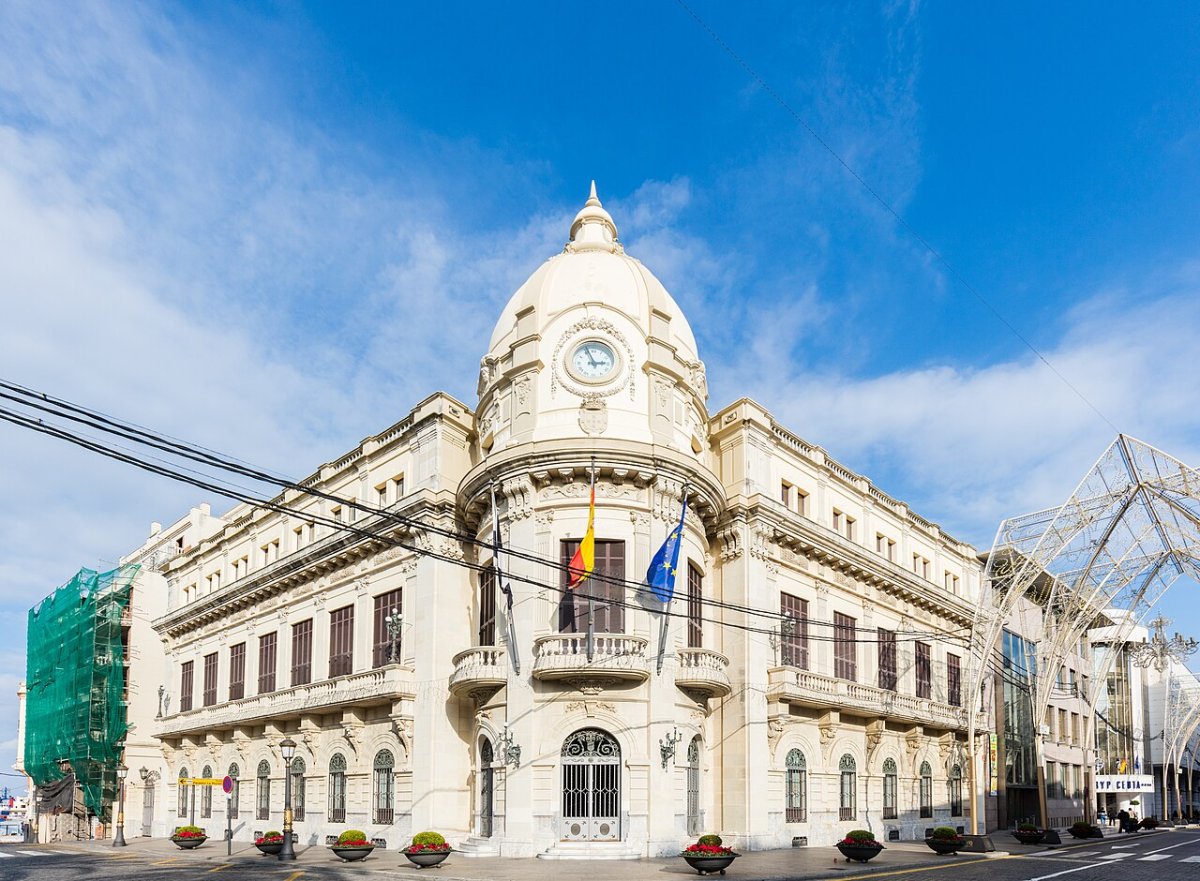
Felipe VI in Ceuta: Sánchez confirms, more than two months on, that Moroccan warships entered Ceuta's waters
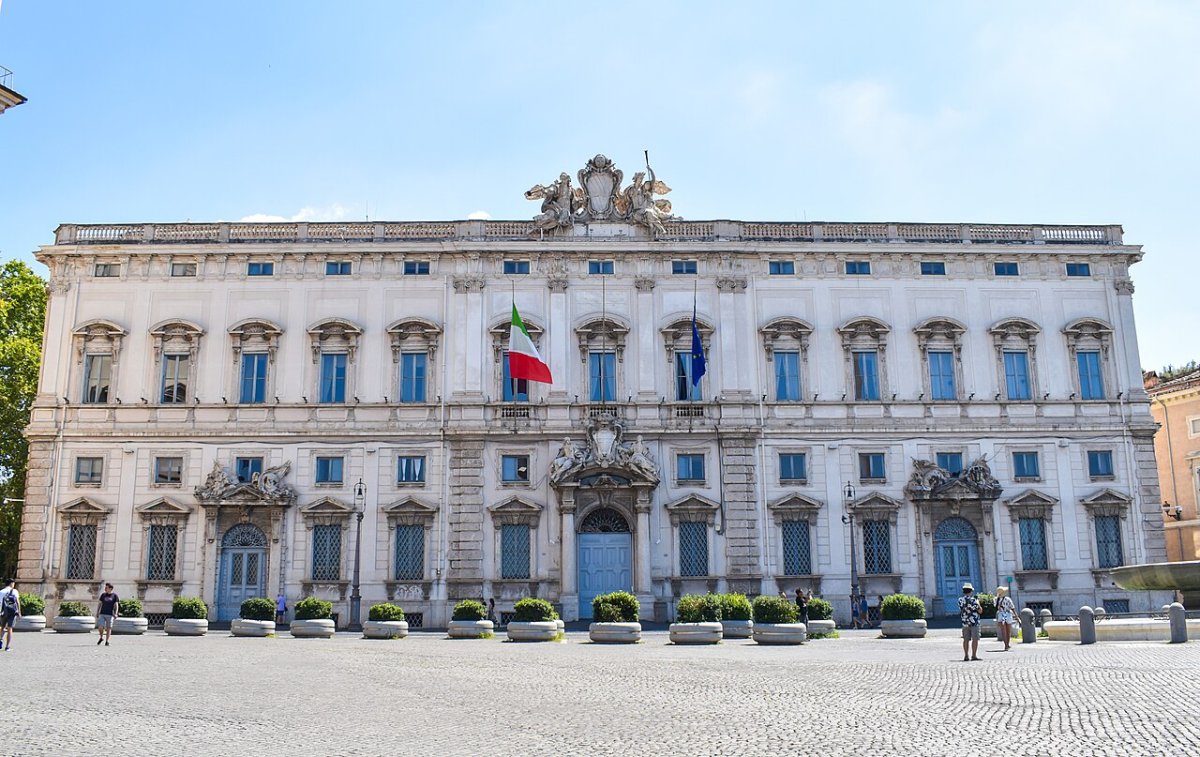
Meloni's electoral law: lawyers are preparing 30 lawsuits to the Constitutional Court, the ruling may come only after the elections
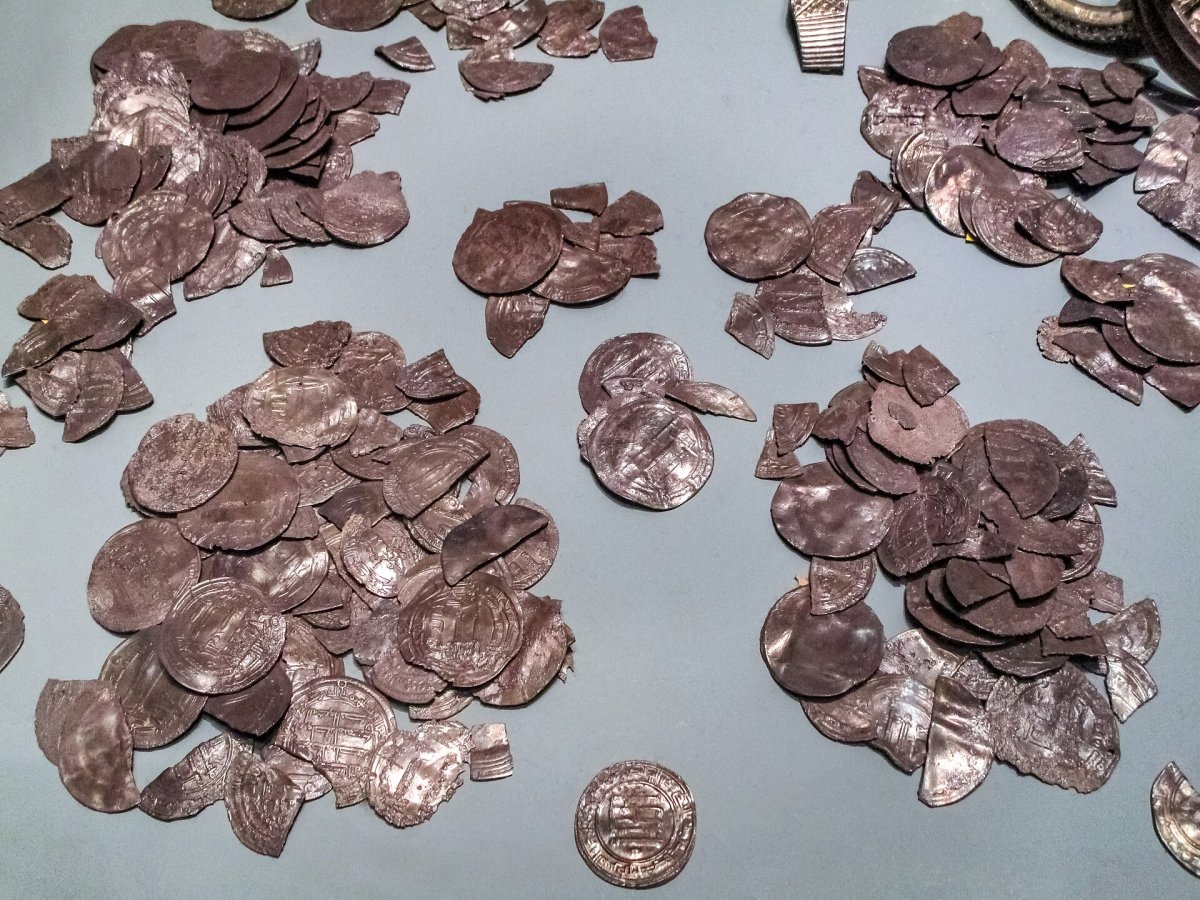
Swedish court convicts two men over concealed Viking-era treasure, acquits third man accused of selling it