


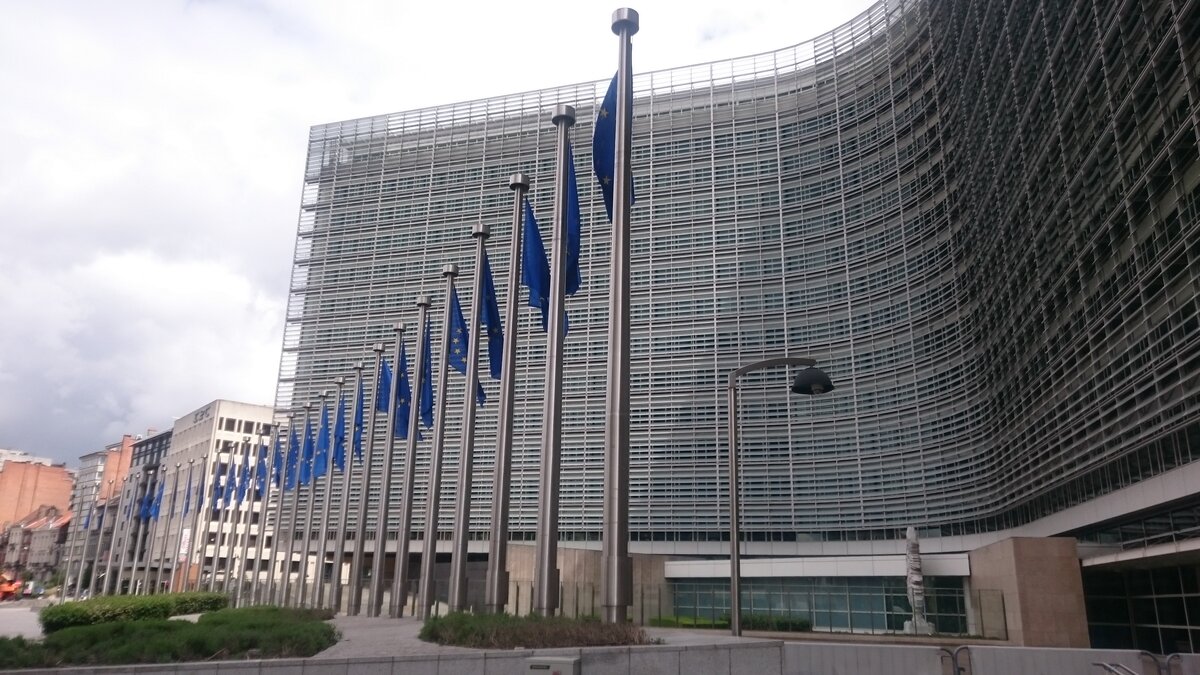

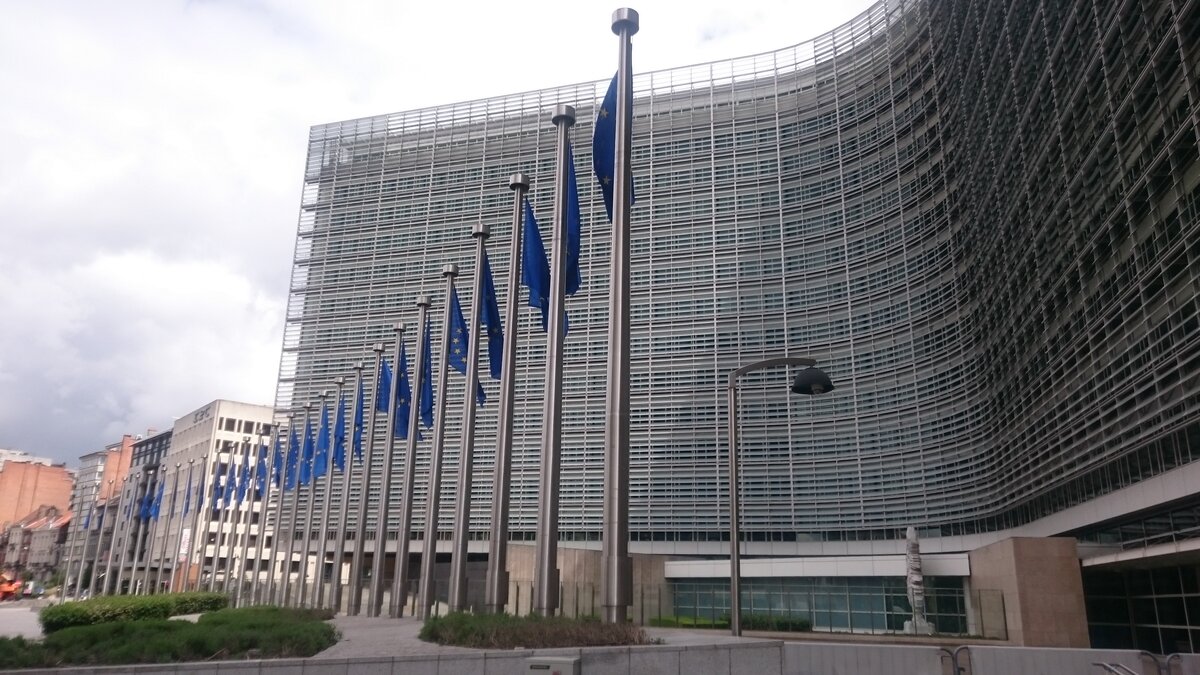
The European Commission plans to submit a legal proposal on April 15 for a permanent ban on the import of Russian oil. This step follows three days after the Hungarian parliamentary elections. According to sources, the Commission reportedly wants to avoid this controversial ban becoming a topic of the election campaign in Hungary.
During a visit to Kyiv on Tuesday, the head of the European Commission, Ursula von der Leyen, announced that the European Union will provide Ukraine with a 90-billion loan despite Hungary having vetoed it. Von der Leyen also asked Ukraine to speed up repairs of the damaged Druzhba pipeline. This visit underscores the Commission's commitment to supporting Ukraine despite obstacles from individual member states.
The timing of the Russian oil ban for the period after the elections in Hungary reflects the Commission's effort to reduce political tension and avoid a scenario in which energy policy would become a key point of contention during the campaign. The ban represents a dramatic change in Europe's energy map and has the potential to significantly affect European energy security and relations with Russia. In parallel, the Commission continues other initiatives, including an investigation into the Chinese online retailer Shein and the introduction of new criteria for electric vehicle subsidies.
European Commission plans ban on Russian oil after Hungarian elections, von der Leyen promises loan to Ukraine
This summary was generated by artificial intelligence. It may contain inaccuracies. Please verify information in the original sources below.
Sources (3)
Eurokomisia plánuje úplný zákaz dovozu ruskej ropy tri dni po maďarských voľbách, píšu Bloomberg a Reuters
hnonline.sk
| 21:58 24.02.
Európska komisia plánuje trvalý zákaz dovozu ruskej ropy. Načasovanie má ovplyvniť aj maďarské voľby
aktuality.sk
| 21:16 24.02.
Európska komisia plánuje úplný zákaz dovozu ruskej ropy tri dni po maďarských voľbách
svet.sme.sk
| 21:06 24.02.
🔥 You might also like

Politics (General)
Prague deals with coalition composition, budget remains a point of contention
Negotiations on a new coalition in Prague continue, but two main points of contention remain between the parties. Politicians are...
📰
Politics (General)
MPs debate changes to voting from abroad
Members of the National Council of the Slovak Republic continue on Thursday debating the coalition proposal to amend voting from abroad. Parliament opened its.. …
Politics (General)
Babiš Faces Post-Election Questions About Support in Prague and Průhonice
Andrej Babiš finds himself at the center of debate over ANO's results after Senate and municipal elections, especially in Prague. His political prospects and su …
© HotInfo


From our newsroom original
All →
Macron and Merz Move Closer to Agreement on Combustion Engines
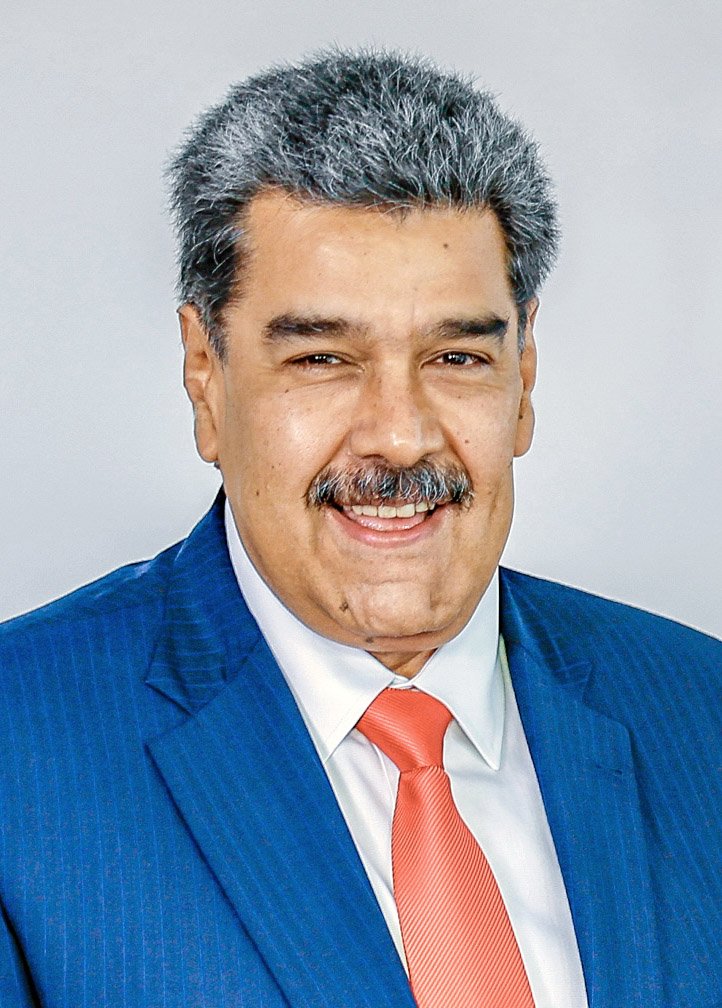
Maduro and Flores reject torture conspiracy charges in the US
Faber to withdraw Sally Rooney's books from the British market
What Slovakia is writing about: The budget heads to final vote, Kamenický refuses to resign. Matovič could lose his bodyguard detail, Fico attacks Plaváková's wedding

What the Czech media are writing about: ANO lost in the big cities, support fell below thirty percent. Coalitions are bypassing it in many of them
Felipe VI in Ceuta: Sánchez confirms, more than two months on, that Moroccan warships entered Ceuta's waters
Meloni's electoral law: lawyers are preparing 30 lawsuits to the Constitutional Court, the ruling may come only after the elections
In Zurich, police were bombarded with rockets and stones, no one has been arrested yet