Key actors — tap for context
María Tardón
judge of the Spanish National Court (Audiencia Nacional)
Why here: leads the investigation into the July entry into Ceuta and is demanding that the government declassify CNI reports
More info →
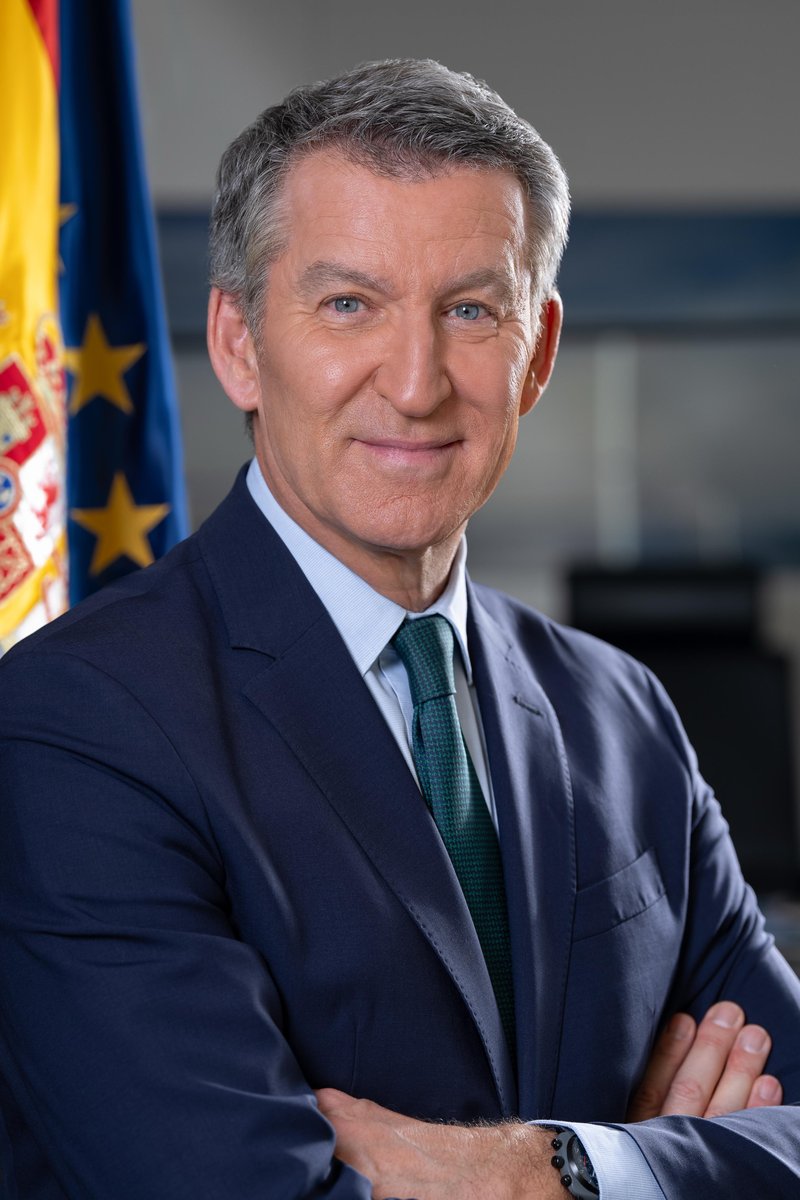
Pedro Sánchez
Spanish prime minister
Why here: his government has 15 days to decide on declassification; early elections await him on 29 November
More info →
Aina Calvo
Secretary of State for Security at the Spanish Ministry of the Interior
Why here: according to the Ceuta government, she rejected a barrier of buoys 15 days before the entry
More info →
Fernando Grande-Marlaska
Spanish Minister of the Interior
Why here: his ministry states in writing to the judge that it received no warning of the entry
More info →Younes Tazi
wali, i.e. governor of the Moroccan region of Tanger-Tetouan-Al Hoceima
Why here: according to the police report, a witness identified him in a photograph from the border

Audiencia Nacional
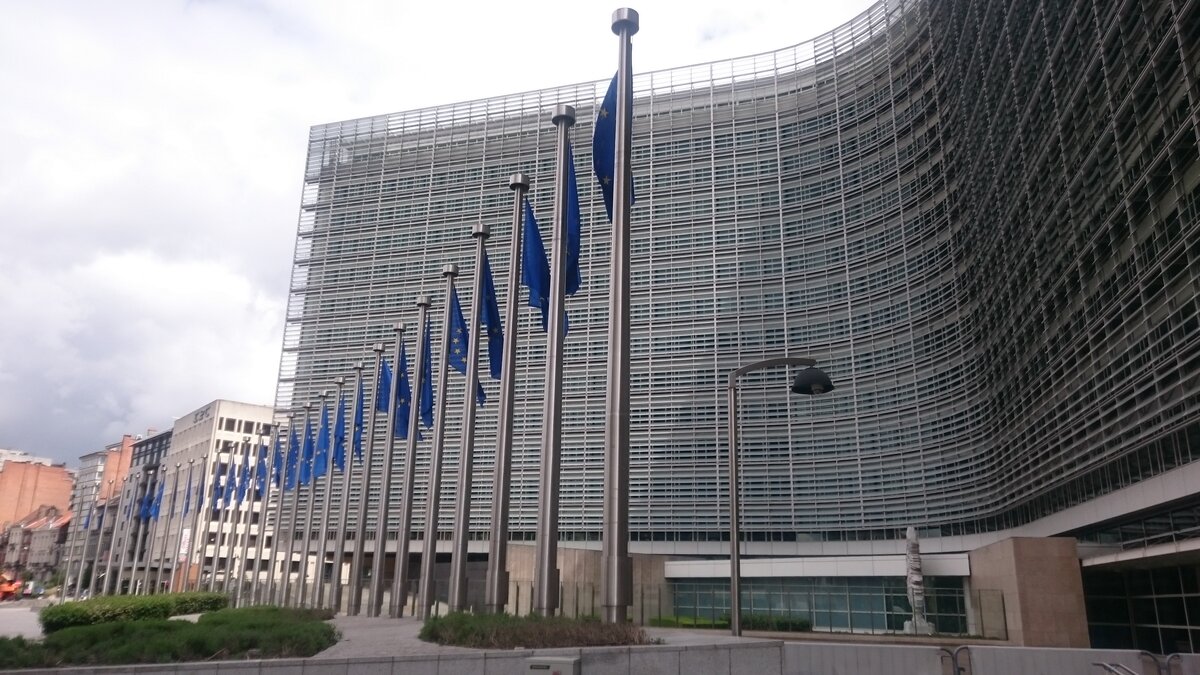
the Spanish National Court, with jurisdiction over the entire country
Why here: its judge is investigating whether this constituted an attack on Spain's territorial integrity
More info →CNI
the Spanish intelligence service (Centro Nacional de Inteligencia)
Why here: the judge wants to see its reports on the July crisis without classification

Guardia Civil
the Spanish paramilitary police force
Why here: its commander at the border had the gate in the fence reopened shortly after it was closed
More info →
Amnesty International
an international human rights organization
Why here: it called the return of asylum seekers from Ceuta to Morocco hypocritical
More info →
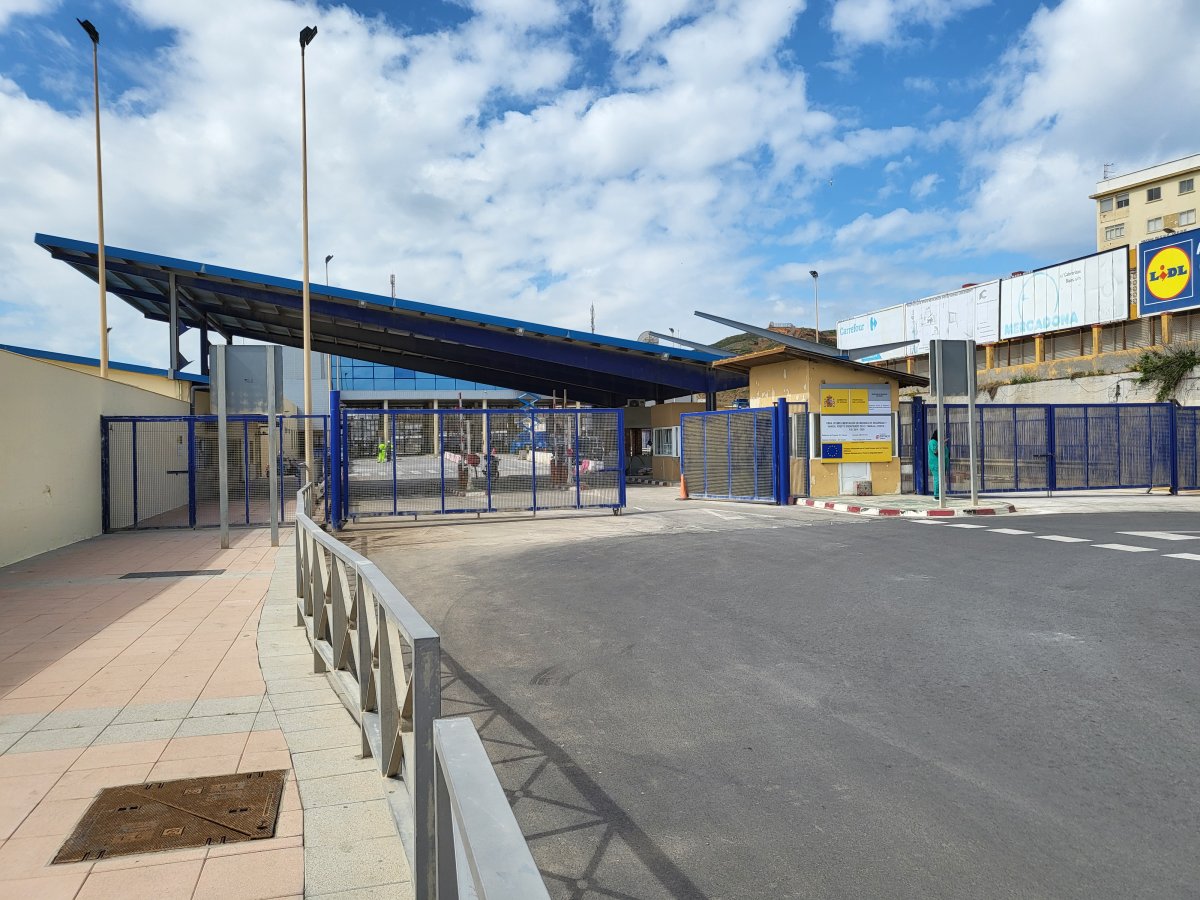
Ceuta
a Spanish autonomous city in North Africa
Why here: tens of thousands of people entered it from Morocco on 30 and 31 July
More info →
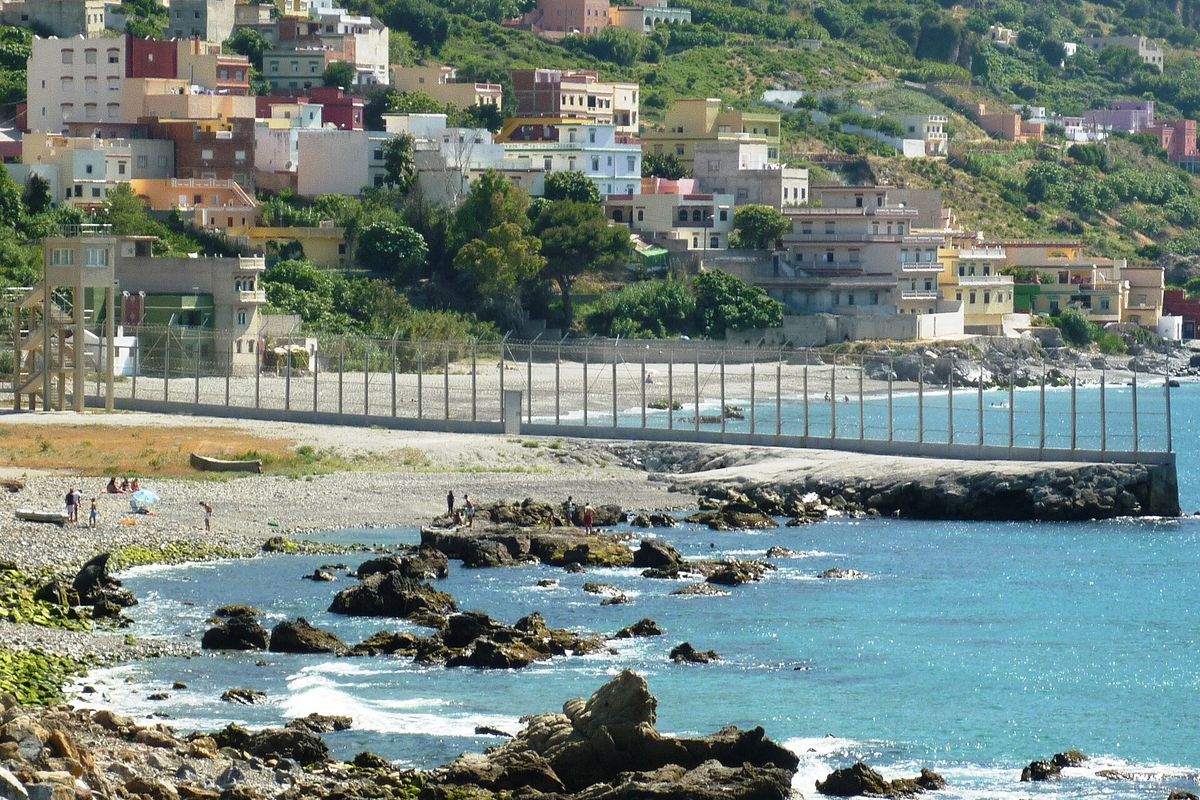
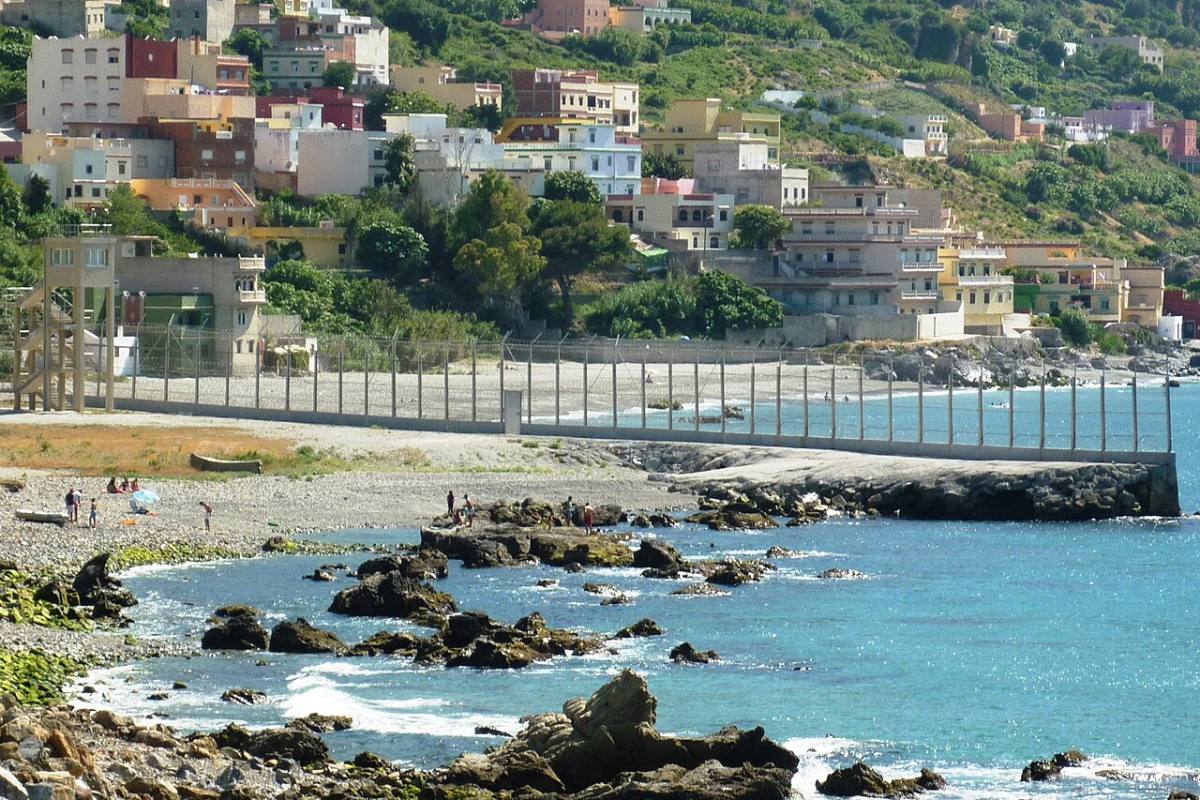
Fnideq
a Moroccan border town, known in Spanish as Castillejos
Why here: according to a witness, an official of the Moroccan Ministry of the Interior directed the crowd from here
More info →What the judge wants to see
Tardón is requesting the notes and reports the CNI sent to Spanish authorities after 30 July, and in particular all classified material on how Moroccan authorities acted. She also wants a list of the offices that received the two already declassified notes from 27 and 30 July, with the date and time of delivery and proof of receipt. According to the judge, this will reveal who knew about the call for a mass entry and from when, what was or was not decided as a result, and how Moroccan authorities behaved. El Mundo ↗ In her ruling, she openly states that she is not satisfied with what the CNI has provided so far. El País ↗During the questioning of three members of the Ceuta government on Tuesday, it emerged that the court does not even have basic data on how many people entered the city. "We are baffled," the judge said, according to El Mundo. El Mundo ↗ Ceuta sent her a calculation of extraordinary costs amounting to 45 million euros. El País ↗
According to police, the crossing was directed by Moroccan agents
The police's National Centre for Immigration and Borders (CENIF) identified 24 so-called "dinamizadores" — people whose role was to stir up and lead the crowd — in videos and photographs. According to El País, the footage shows Moroccan gendarmes who, on 30 July, stood by without intervening or showed migrants the way into Ceuta. El País ↗ El Mundo has seen a video in which police use artificial intelligence to reconstruct the profiles of men in plain clothes, wearing caps and polo shirts. According to the CENIF report, these are police officers or members of Moroccan security forces who stood around, made phone calls, or helped people across the slopes. El Mundo ↗The same report claims the entry was not spontaneous. First came "psychological preparation" on social media, where one post reached as many as 15 million views, then a "funnel" via Facebook for recruitment, TikTok and Instagram for spreading the message, and WhatsApp for organization. The trigger, according to police, was the message "The border is open," which spread on 30 July around noon through 19 groups and 1,141 WhatsApp users. El Mundo ↗
The reconstruction police sent to the judge was published by El Mundo (in Spanish, 1 min 24 s). It is material from one side of the investigation, not a finding of the court.
On 21 October, police questioned three Moroccans who had swum into Ceuta on 30 July and showed them photographs from the border. One of them, a former gendarme from the Marrakech airport, according to the report seen by El Mundo, identified "without any doubt" an official of the Moroccan Ministry of the Interior from the border town of Fnideq who had been giving orders at the border. According to the same source, another witness identified Younes Tazi, the wali of the Tanger-Tetouan-Al Hoceima region, and the chief of police in Tetouan. El Mundo ↗ El País writes about the identification of several Moroccan officials. El País ↗ The judge summoned all three as witnesses for a video call on Wednesday, 28 October. El País ↗
Who knew what before 30 July
The second line of investigation concerns the Spanish side. Alberto Gaitán, a member of the Ceuta government, told the judge that 15 days before the entry he proposed a barrier of buoys at sea to Secretary of State for Security Aina Calvo. According to him, Calvo rejected it because the buoys could be dangerous for swimmers. The government eventually built the barrier in August. Gaitán claims that on 26 July he also warned via WhatsApp that the situation was worsening, and received a reply that they knew about it and were working on it. He promised to hand over the messages to the court. El Mundo ↗The Ministry of the Interior under Fernando Grande-Marlaska states in a 19-page report to the judge that before 30 July it had received "no warning, report, notification, email or operational document" predicting an entry of such scale. According to the same report, the CNI had spoken of "low risk." El Mundo ↗
On Monday, two commanders who were at the border on 30 July also testified. A national police inspector wanted to close the gate in the fence; a Guardia Civil lieutenant colonel had it reopened a few minutes later so that the crush would not cause casualties and people would not throw themselves into the sea. According to El Mundo, neither of them received instructions from the Ministry of the Interior on whether to close the border. El Mundo ↗ According to El País, the lieutenant colonel said that the day before the entry they saw six Moroccan vessels near the border — two patrol boats, two fast intervention boats and two smaller boats. El País ↗
The testimonies of both commanders were summarized by the Europa Press agency (in Spanish, 1 min 46 s).
Returns to Morocco have already begun
Alongside the investigation, the government has begun returning to Morocco people whose asylum applications were rejected. On Friday, 23 October, police returned 16 people from Senegal, Yemen and other countries. According to the ministry, they did not appeal the rejection; organizations that help migrants deny this. According to El País sources, more than a thousand cases have already been rejected. El País ↗On Monday, police also returned a Yemeni man whom the National Court had, that same day, temporarily allowed to stay pending a decision on his appeal. The ministry says the deadline expired on Friday and the court's decision arrived after he was already in Morocco, and it is offering him the chance to return via the border crossing. The UN Refugee Agency (UNHCR) also opposed the rejection of his application. El País ↗
"Spain, despite its (progressive) speeches in Europe, is not ensuring that human rights guarantees are met for people who cross its borders in Ceuta and Melilla,", Amnesty International researcher Virginia Álvarez told the Independent, calling the practice hypocritical. The Ministry of the Interior responds that the European Union considers Morocco a safe country. Independent ↗
Also read: Felipe VI in Ceuta: Sánchez confirmed after more than two months that Moroccan warships entered Ceuta's waters
Limitations of this account
El Mundo, which is critical of Sánchez's government, provides the most details from the case file. However, the main points — the 24 agents, three witnesses, the 15-day deadline and the buoy proposal — are also confirmed by El País, which is more lenient toward the government. The footage and identifications are so far only claims by police and witnesses whom the judge has only just begun questioning. None of the named Moroccan officials have been charged, and the available reports do not present their version of events.The investigation began at the initiative of the extra-parliamentary party Iustitia Europa. The judge originally focused on Morocco, but a large part of the proceedings so far has concerned how Spanish authorities responded. El País ↗ The country is a month away from early elections, and Sánchez said in an interview for La Repubblica that "too much fake news" is circulating about Ceuta. La Repubblica ↗ The figures also diverge: El Mundo writes of more than 90,000 people, while the Independent cites approximately 80,000.
What hotinfo is following
- By 11 November the government decided on declassifying the CNI reports requested by Judge Tardón.
- The three witnesses who recognised Moroccan officials in photographs testified before the judge and it is known what they confirmed.
- The judge named a Spanish or Moroccan official as a formal suspect.
- The National Court ruled on the appeals of returned asylum seekers and it is known whether the Yemeni man may return to Spain.