


Key actors — tap for context
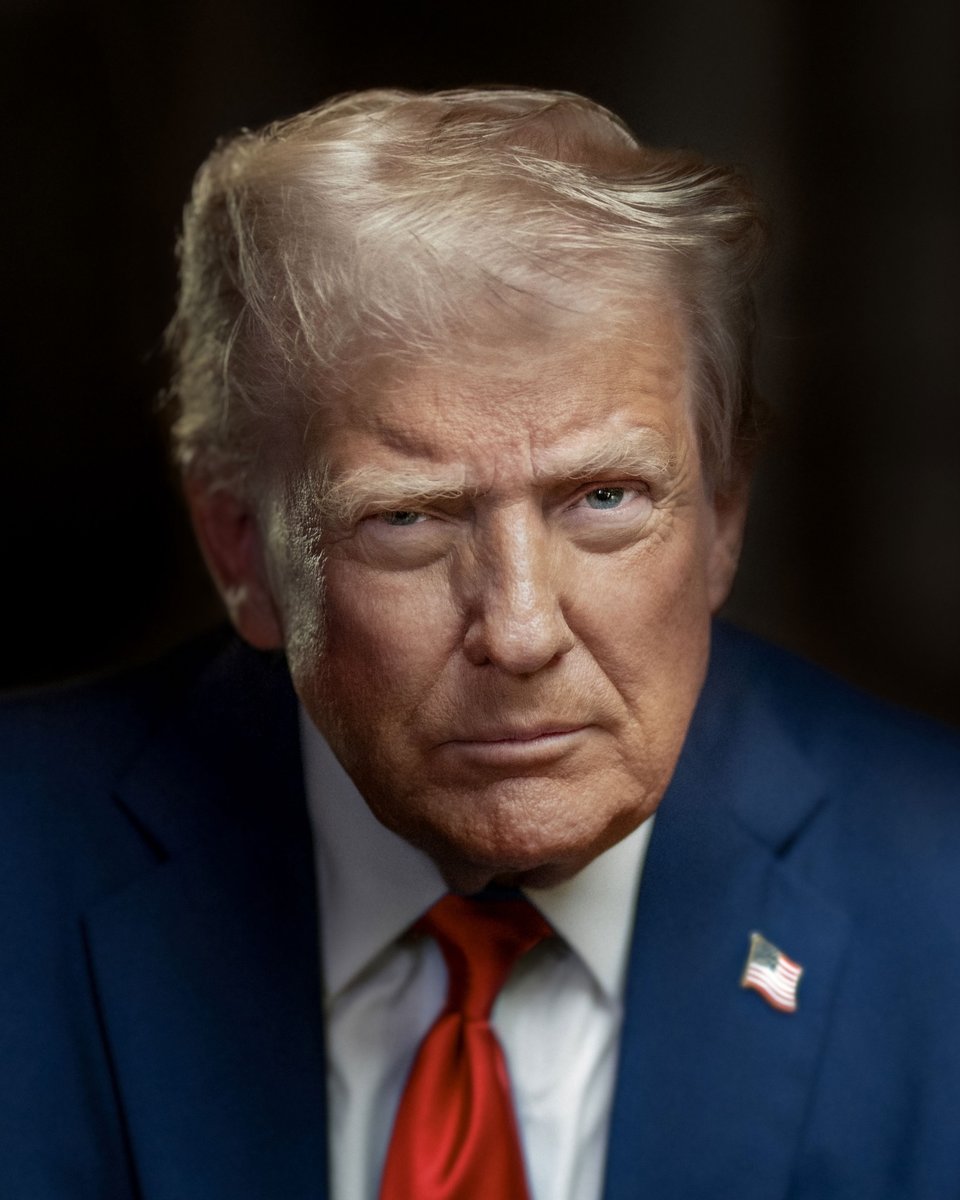
Rita Flores
A Russian visual artist and activist, born Margarita Konovalova, associated with the Pussy Riot collective since 2020.
Why here: Says the FSB blackmailed her into informing on her own colleagues from the opposition scene for three years.

Pussy Riot
A Russian feminist punk and protest group founded in Moscow in 2011, famous for its performance in the Cathedral of Christ the Saviour.
Why here: Flores is a former member, Alyokhina still performs with the group today, and Verzilov was its unofficial spokesperson for many years.
More info →
FSB
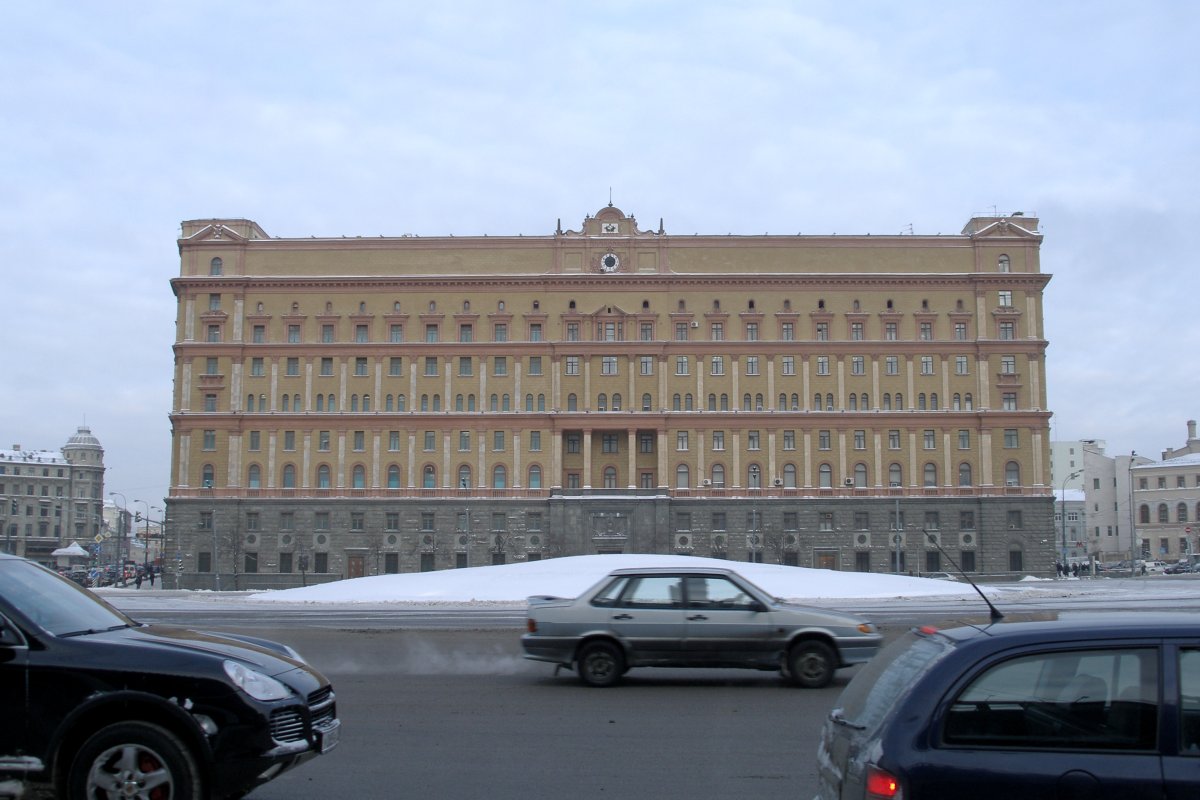
Russia's Federal Security Service, the KGB's successor agency for internal security and counterintelligence, headquartered at the Lubyanka in Moscow.
Why here: According to Flores's testimony, it recruited her after a home search and ran her for three years under the cover name Harley.
More info →
Pyotr Verzilov
A Russian-Canadian artist and Pussy Riot's longtime unofficial spokesperson, now serving in the Ukrainian army. In 2018, German doctors said he had, with high probability, been poisoned.
Why here: He was allegedly the target of a kidnapping and murder plot set to take place in Serbia.
More info →
Maria Alyokhina
A Pussy Riot member sentenced in 2012 to two years in prison for the Cathedral of Christ the Saviour protest and released under an amnesty in December 2013; today she performs in exile with the show Riot Days.
Why here: She commented on Flores's case in conciliatory terms. Five days earlier, she had spoken to the Slovak outlet Aktuality about Fico's visit to Moscow.
More info →Dmitry Zakhvatov
A Russian lawyer working in exile who represents prosecuted activists.
Why here: He helped Flores leave Russia and, after her escape, set up a secure hotline for people caught in the same trap.
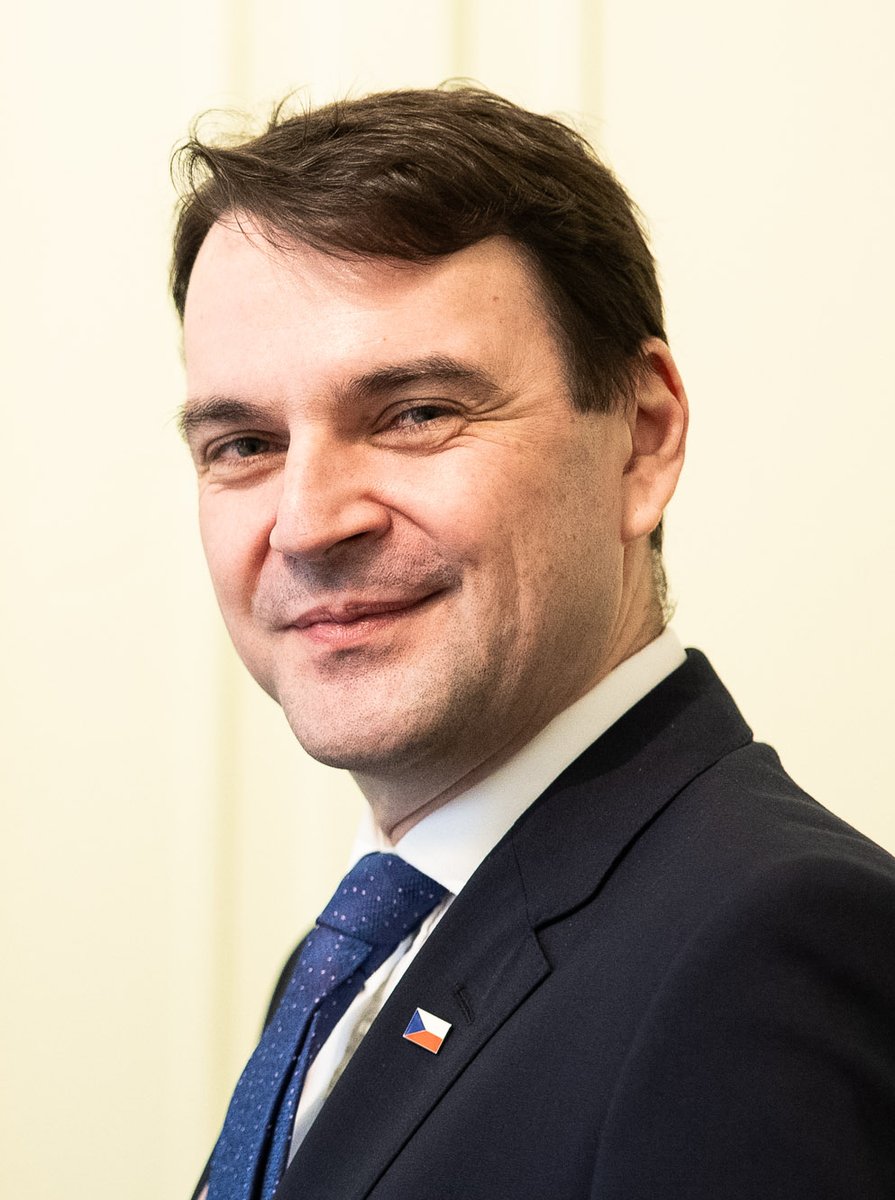
Igor Rogov
A former staffer of the opposition movement Open Russia who settled in Poland in 2022.
Why here: In July, a Polish court sentenced him to seven years in prison for spying for the FSB against the Russian opposition in Poland.

Open Russia
An opposition movement launched by Mikhail Khodorkovsky in 2014, its name echoing his 2001 foundation.
Why here: Rogov, convicted in Poland for working for the FSB, came from its ranks.
More info →
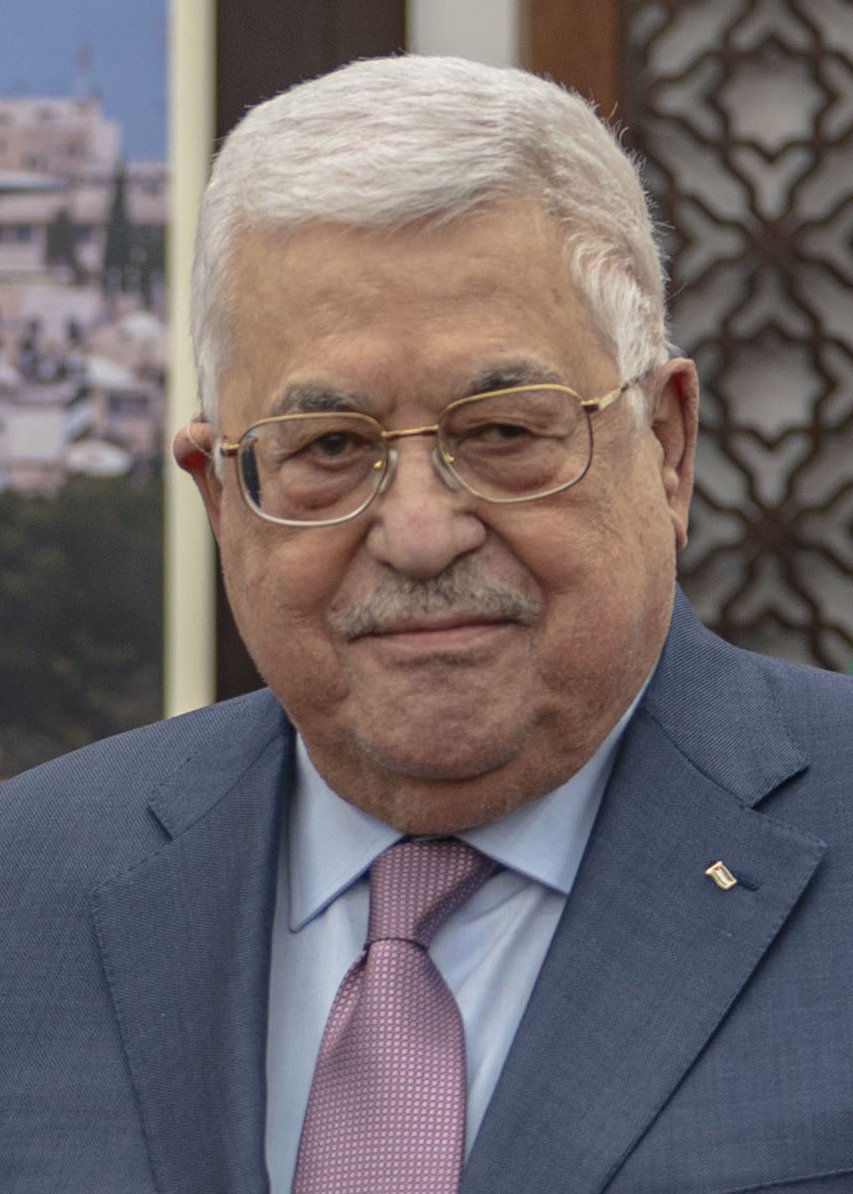
Robert Fico
Prime Minister of the Slovak Republic.
Why here: It was his trip to Moscow that Alyokhina was responding to in her interview for Aktuality.
More info →
Vladimir Putin
President of the Russian Federation.
Why here: The regime Pussy Riot has opposed since its founding in 2011.
More info →A Search, Two Men, and a Signature
Flores, born Margarita Konovalova, is a 29-year-old Russian artist who has been associated with Pussy Riot since 2020, when she was detained after a performance near the Kremlin. Since then she has served several short sentences, and her apartment has been repeatedly searched. After one of those searches in February 2023, she says two men stayed behind in the apartment and introduced themselves as FSB officers. The Guardian ↗According to her, they threatened her with criminal prosecution under wartime censorship laws over an Instagram post in which she criticized killings by the Russian army in Ukraine, and hinted that if she did not sign papers agreeing to cooperate, they could arrange for her mother to be murdered. "I believed them. I believed they could do everything they said they would … My fear was too great. I was so worried for my family and also for myself," she told the Guardian. For signing, she says she received a one-off payment of thirty to forty thousand rubles, which the Guardian converted to £266 to £355, or roughly 310 to 410 euros. The Guardian ↗
Under the cover name "Harley," she says she then worked for the FSB for three years. She first spoke about it on August 24 in a video interview with her lawyer, Dmitry Zakhvatov, shortly after fleeing Russia. According to Zakhvatov, she left about ten days before the video interview was published, meaning in mid-August. Meduza ↗ Der Spiegel ↗ Tagesspiegel ↗
The following report by the Russian service of Radio Free Europe is also based on that video interview. It is in Russian and summarizes the August confession, made nearly four weeks before the interview was published in the Guardian.
Two Handlers: "Sako" and Ivan
The same two men became her permanent handlers, and according to her account they split the classic roles between them. She privately called the older one, who introduced himself under a different name each time, "Sako," while the younger one, Ivan, became her main contact and played the friendly partner. He left the direct threats to his colleague. The Guardian ↗"He tried to befriend me, but he could also be threatening. He'd calmly say, 'they'll kill your mother and you won't be able to prove anything' or 'if you go abroad they'll find you immediately and kill you,' and then he would giggle, like it was all a joke. The Jacket, on the other hand, never joked," she described them. The Guardian ↗
She says she broke the ban on talking about the recruitment almost immediately, telling around twenty people. However, she did not tell those from the art scene on whom she was supposed to inform — instead, she says, she provoked conflicts with them under various pretexts so that they would distance themselves from her and have nothing to reveal. The Guardian ↗
The Serbian Trap and Marriage as an Escape
The number of targets to inform on gradually dwindled, as most protest-minded artists left the country. According to her, the artists who remained avoid anything even remotely political: "there are artists who used to make strong statements, and in 2026 they are drawing flowers in a vase." The Guardian ↗In May 2025, she says her handlers began asking about Pyotr Verzilov. The Russian-Canadian artist had been Pussy Riot's unofficial spokesperson for many years and a constant irritant to the Russian authorities — in 2018, German doctors considered it highly likely that he had been poisoned in Russia while investigating the murder of three Russian journalists in the Central African Republic. He now lives in Ukraine and fights in its army. The Art Newspaper ↗
She says they wanted information about Verzilov from her, including his Ukrainian address. They then allegedly suggested she use their old friendship to arrange a meeting with him in Serbia. There, she says, an FSB team was to step in, kidnap him, and kill him. Ivan allegedly began paying her an extra fifty thousand rubles a month for her cooperation on the Verzilov case. The Guardian ↗
In September of that year, she married her partner — among other reasons, she says, so she could wriggle out of the Serbian assignment and tell Ivan that her husband would not let her meet another man. According to her, her handlers had forbidden her from traveling until then, and it was only her contact with Zakhvatov that convinced her that leaving was possible. "They created a reality where she felt like they controlled everything, but actually it is not that hard to leave," the lawyer said. Both declined to describe the details of the escape so that the method could still be used by others. The Guardian ↗
What Has Been Verified and What Has Not
Caution is warranted here. The key claims — both the FSB pressure and the planned kidnapping — rest on the testimony of a single person, and the Guardian itself writes that it cannot confirm their details. The German and Italian media that picked up the interview on Saturday — Spiegel, Die Zeit, Tagesspiegel, and La Repubblica — cite it and her August confession. None of them document independent confirmation of the plan. It therefore cannot be claimed that a plot to murder Verzilov existed — only that Flores describes one. Die Zeit ↗ La Repubblica ↗The underlying pattern, however, is documented, even if in a different form. In July, a court in Katowice, Poland, sentenced Igor Rogov, a former staffer of the organization Open Russia, to seven years in prison for gathering information on the Russian opposition in Poland for the FSB in 2022 and sending it to Russia through his wife. She received three years; the hearing was closed to the public. Meduza ↗ Euronews ↗
Flores says recruitment within activist circles is a "mass phenomenon," and that at least one person close to her had been informing on her even before she herself agreed to cooperate. She says she found this out when it emerged that the FSB had an intimate video of her, secretly filmed by that very person. The Guardian ↗
Why This Is Not Just a Russian Story
This is already the second time in a matter of weeks that Serbia has come up in such a context. After the August attempted drone attack on Leipzig airport, the investigation by German authorities also led to northern Serbia, although no source links the two cases to each other.Read also: Moscow Retaliated for Leipzig by Closing the Consulate in St. Petersburg. The Investigative Trail Leads to Northern Serbia
There is also a domestic layer. Five days before the Guardian published Flores's story, the Slovak outlet Aktuality ran an interview with Maria Alyokhina in which she was asked about Robert Fico and other European politicians who meet with Putin. She answered with a question of her own: "If you're a politician shaking hands with Putin, you should ask yourself: do you want your country to look like today's Putin's Russia?" Aktuality.sk ↗
That same Alyokhina now comments on her own colleague's case in conciliatory terms. "It's not a big secret that it's not great to work for the FSB, but fear can change a person," she told the Guardian. Part of the Russian exile opposition has praised Flores's courage, while part criticizes her for having cooperated for three years. The Guardian ↗
What hotinfo Is Watching
- Verzilov or the Ukrainian side has publicly commented on the described kidnapping plot.
- At least one of Flores’s claims has been corroborated independently — by a document, a second witness or a third country’s investigation.
- Serbia or another country has opened its own investigation into the described plot.
- Zakhvatov’s secure line has produced another publicly disclosed case of a recruited activist.
- Russian authorities have responded to Flores’s account — by prosecuting her in absentia or adding her to one of the state registers.