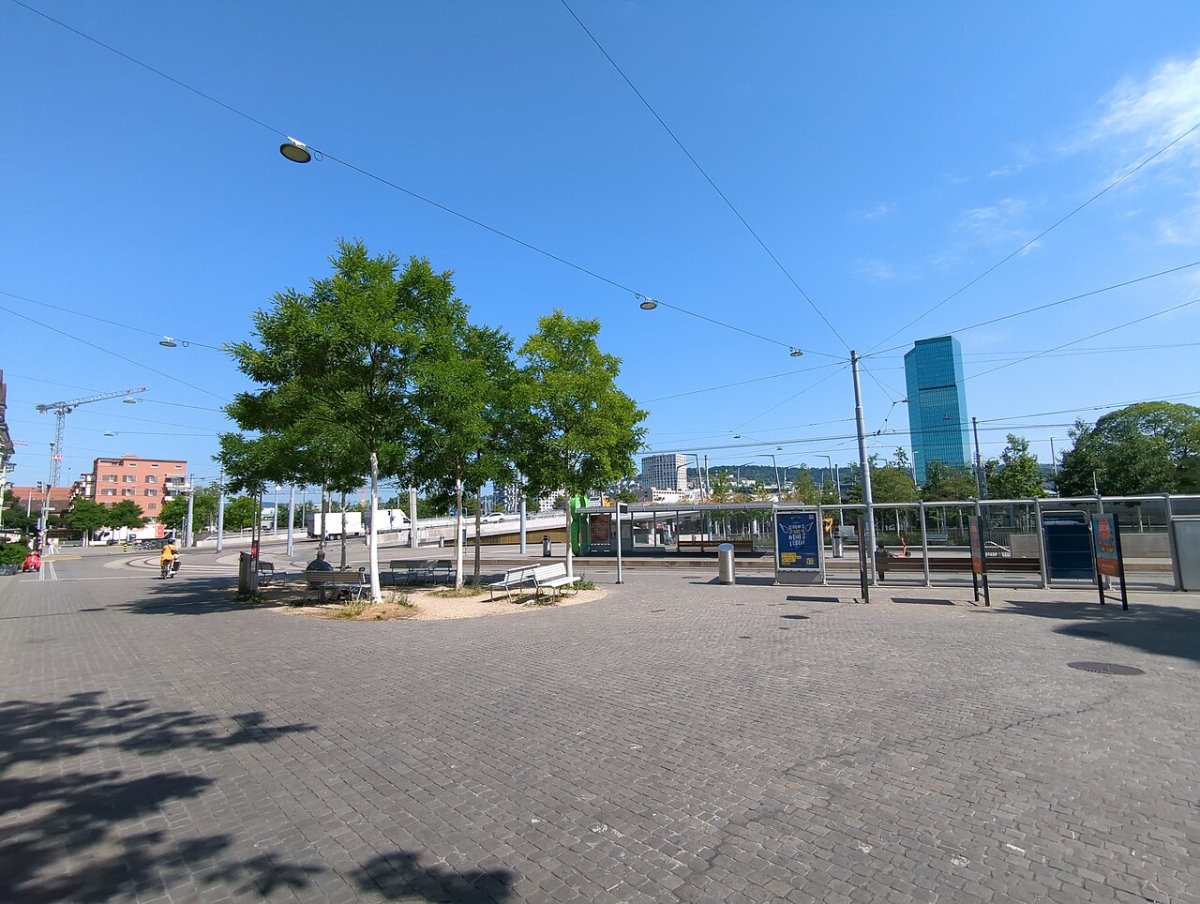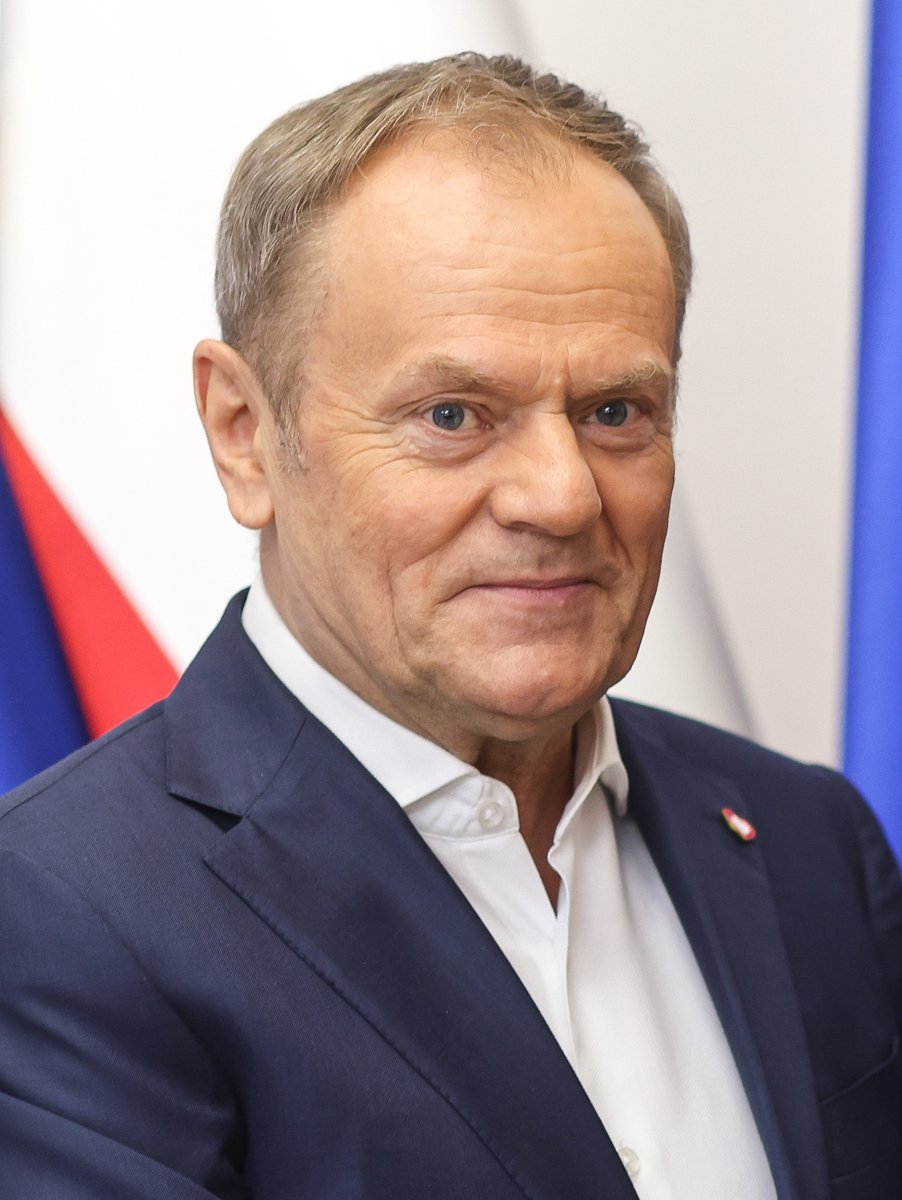



Key actors — tap for context
Daniel V.
48-year-old man from Gevelsberg in the southern Ruhr area. Following local custom, German media refer to him only by the initial of his surname.
Why here: Suspect detained in connection with a series of sabotage attacks. Investigators attribute two confession letters to him based on handwriting.

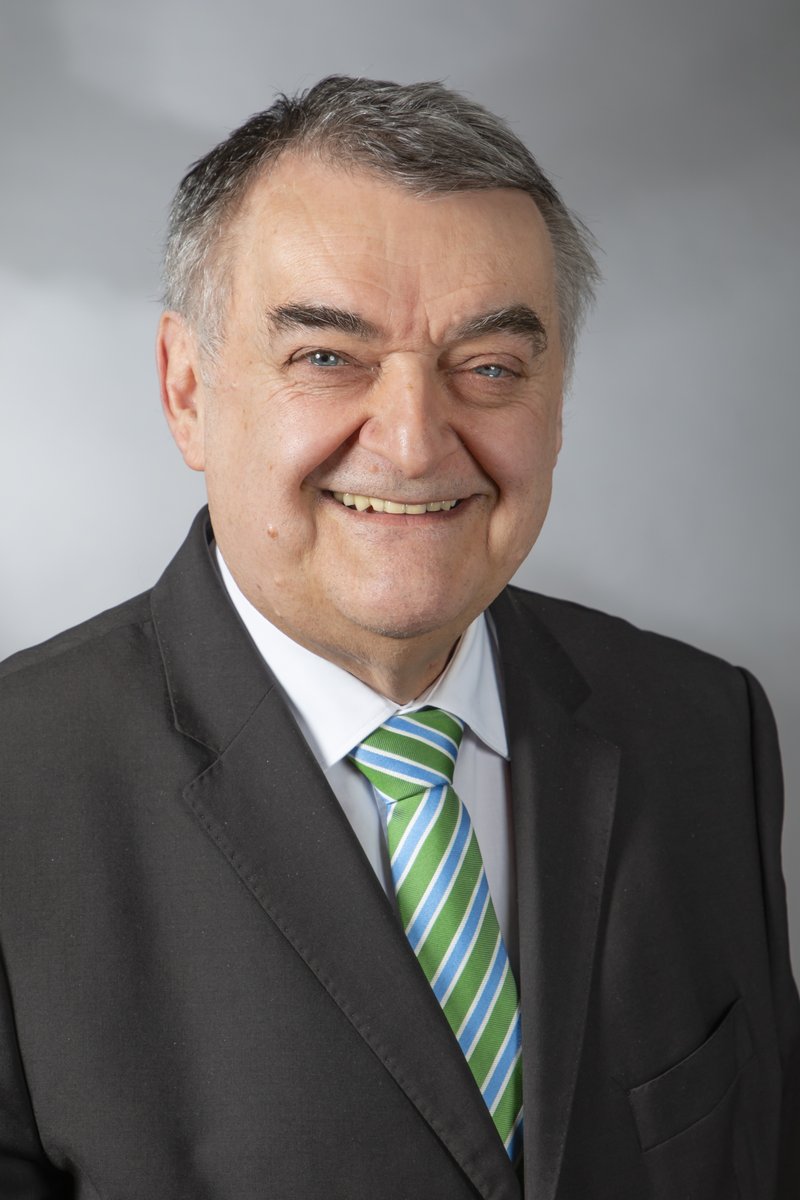
Herbert Reul
Interior minister of North Rhine-Westphalia for the CDU, in office since 2017.
Why here: Announced the detention and claims the suspect intended to continue the attacks.
More info →
Armin Schuster
Saxon interior minister for the CDU, a former police officer and former head of the Federal Office of Civil Protection.
Why here: Called the confession letter mysterious and also allowed for the possibility that the suspect acted on commission.
More info →
Alexander Dobrindt
Federal interior minister for the CSU, the CDU's Bavarian sister party.
Why here: Called the series "climate extremism" by a lone perpetrator.
More info →
Jan Redmann
Brandenburg's interior minister for the CDU.
Why here: Called the suspect a "wayward lone perpetrator" and noted that this is just one of many threat scenarios.
More info →
Jänschwalde
Lignite power plant in Brandenburg near the Polish border, one of the largest in Germany.
Why here: Two short circuits occurred at its Turnow-Preilack substation.
More info →
Bergheim
Town west of Cologne in the lignite-mining region.
Why here: A short circuit here shut down several plant units for several days.
More info →
Federal Criminal Police Office
German federal police authority responsible for criminal investigation and coordination, subordinate to the Ministry of the Interior.
Why here: Has recorded 165 suspected cases of sabotage this year.
More info →
50Hertz
Transmission system operator in eastern and northern Germany.
Why here: Operates the Berlin substation where police provisionally suspect a technical fault.
More info →He was detained during a check; further charges were found in his tent
The man, who appears in German media as Daniel V., has permanent residence in Gevelsberg in the Ennepe-Ruhr district. Police stopped him in the vicinity of the Weisweiler power plant between Aachen and Düren; according to the daily Welt, he was on foot and attempted to go around the police cordon. According to North Rhine-Westphalia's interior minister Herbert Reul, what proved decisive was the vigilance of the officers involved, who recognized him and detained him. He did not resist. Welt ↗ WDR ↗In the undergrowth near the site of the operation, police found a tent containing further explosive charges. The items the man was carrying are being examined by a bomb disposal expert from North Rhine-Westphalia's state criminal police office. In the evening, investigators also removed the suspect's bicycle from the scene. He had been sought under an arrest warrant issued in Cottbus, Brandenburg — the place where the first attack on the grid had become known. Tagesspiegel ↗ Tagesschau ↗
Footage from the scene was broadcast the same day by the German news channel WELT. In it, reporter Greta Wagener shows the surroundings of the power plant and talks about the tent in which the suspect is said to have been living.
Rockets, wire, and a short circuit
The suspect is alleged to have set up launching devices at several locations and used homemade rockets to fire thin wire over high-voltage lines in order to cause a short circuit. A short circuit occurred in at least two cases. In Bergheim, west of Cologne, it shut down several power plant units for several days; in Brandenburg, two short circuits occurred at the Turnow-Preilack substation near the Jänschwalde power plant, where more than twenty homemade rockets are said to have fired conductive material onto the line. According to available reports, neither of these two attacks interrupted electricity supply to consumers. ZDF heute ↗ Welt ↗At two locations in eastern Saxony, investigators found a total of 21 homemade explosive devices which, according to police, were intended to cause a short circuit — authorities originally reported twelve and on Monday announced the discovery of nine more. On the same day, police discovered further launching devices near a high-voltage line close to Weisweiler, along with another confession letter. Whether this particular letter and these devices came from the detained man is not clear. ČT24 ↗ Tagesschau ↗
The scope of the plan could have been considerably larger. According to WDR, the tabloid Bild reports that Daniel V. is alleged to have placed more than fifty launching devices under high-voltage lines across Germany, all of which were supposed to go off on September 1, though the rockets at the scenes were reportedly ruined by morning dew. WDR is citing this figure from Bild, and the cited reports do not include independent confirmation, so we present it as a claim rather than a finding of the investigation. WDR ↗
Schuster points to an unusual letter
According to Reul, investigators are able to attribute two confession letters to the detained man beyond doubt, based among other things on handwriting; a third letter is still being verified. In the letter available to WDR, the author justifies the attacks by inadequate climate protection: "... my main motivation is (...) averting or preventing the immense suffering caused by the use of fossil fuels." Federal Interior Minister Alexander Dobrindt spoke of "climate extremism" by a lone perpetrator and stated that the letters contain knowledge of details of the attacks which, in his view, indicate the author's involvement. Lignite is still mined and burned in all three affected federal states today. WDR ↗ ZDF heute ↗Saxon Interior Minister Armin Schuster of the CDU, however, drew attention to unusual features of the letter and called it mysterious. In his view, the content is unusual for a confession, the motive is described in it very briefly, and the letter is handwritten and contains a complete address, "as if the perpetrator wanted to be caught." According to him, it could be left-wing extremism or climate motivation, but it is equally possible that the suspect acted on commission. He declined to comment on who might be behind such a commission, saying he did not want to speculate. Tagesspiegel ↗
According to Reul, police are also using interviews to verify whether the man acted alone or had accomplices. So far there are no indications of accomplices. According to WDR, Reul also mentioned indications of psychological problems, which are being examined together with the motive stated in the letter. At the same time, speaking in Duisburg, he refused to draw any conclusions from the indications of psychological problems or of the perpetrator having been paid, calling such conclusions "reading coffee grounds." Brandenburg's Interior Minister Jan Redmann spoke of a "wayward lone perpetrator" and added that such a perpetrator is only one of many threat scenarios that need to be prepared for. WDR ↗ Tagesspiegel ↗
The question of motive was addressed on the day of the detention by the German public broadcaster tagesschau in an interview with ARD reporter Michael Heussen.
Schuster considers a similarity to Leipzig unlikely
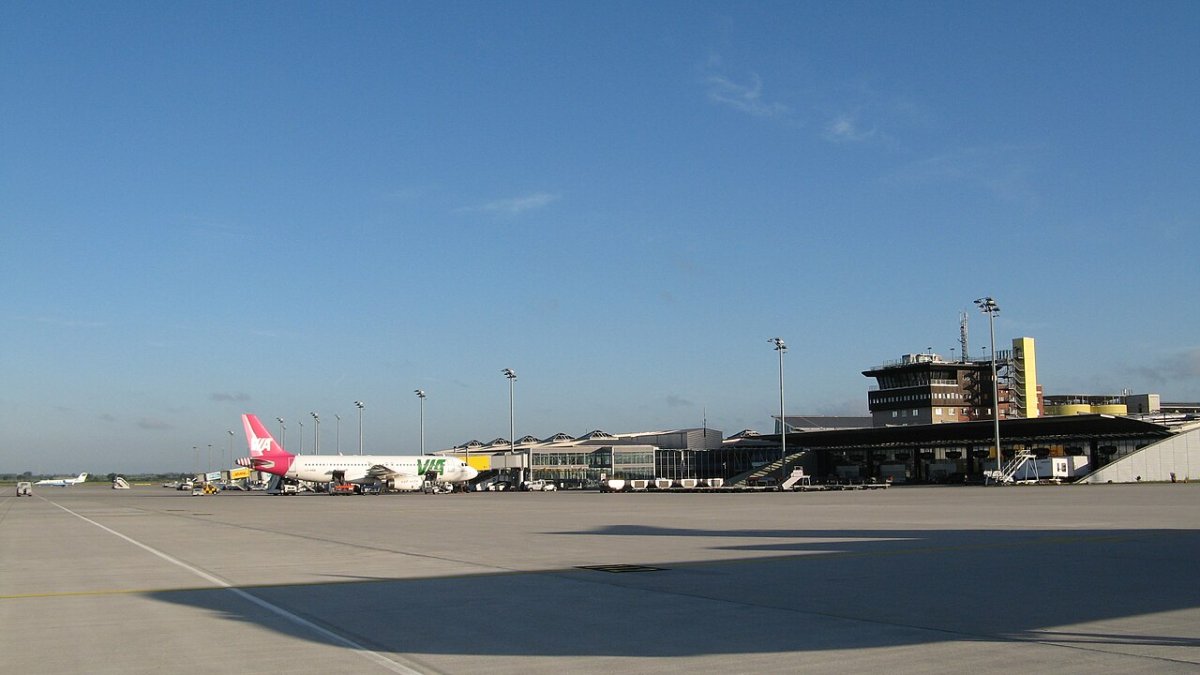
The series came in the weeks during which Germany has been dealing with Russian sabotage on its territory. On September 1, the German government identified Russia as responsible for an attempted drone attack on Leipzig/Halle Airport, and Moscow retaliated by ordering the closure of the German consulate general in Saint Petersburg as well as the Goethe Institutes. Schuster described the likelihood that the grid attacks are a similar case to the Leipzig drone incident as low. A low likelihood, however, is not the same as ruling it out. Tagesspiegel ↗Also read: After Leipzig, Moscow ordered the closure of the consulate in Saint Petersburg
The uncertainty in determining the cause is also illustrated by the fire at a Berlin substation the same week. Overnight into Monday, a substation in Berlin's Tiergarten exploded and caught fire, and the grid operator 50Hertz reported considerable damage. Berlin's police chief Barbara Slowik Meisel told a parliamentary committee that, according to initial findings, a technical fault triggered a short circuit which subsequently caused the explosion. About ninety traffic lights in the city stopped working, though according to the dpa news agency their connection to the fire was not confirmed. According to a police spokesperson, police are investigating in all directions and are keeping sabotage in mind, but so far have no conclusive evidence in either direction. Tagesschau ↗
Broader context is provided by data from the Federal Criminal Police Office. According to a Deutschlandfunk report from early September, the office recorded 165 cases of suspected sabotage this year. These are recorded suspicions across sectors, not confirmed attacks on the power grid, and the figure says nothing about the perpetrators or their motives. Deutschlandfunk ↗
Weisweiler lies twenty kilometers from the Dutch border
Neighboring countries also followed the case closely. Belgium's public broadcaster VRT framed it from the outset as the case of a climate activist and reported that the man had allegedly attempted to sabotage the line on Monday right near Weisweiler, i.e., at the site where he was detained on Tuesday. The Weisweiler power plant generates electricity mainly from lignite. VRT NWS ↗The Dutch broadcaster NOS noted that Weisweiler lies about twenty kilometers from the Dutch border near Limburg, and, citing the Frankfurter Allgemeine Zeitung, wrote that the suspect had plans to strike in the Netherlands as well, with the town of Doetinchem allegedly on the list of possible targets. NOS attributes the report on possible targets in the Netherlands to the Frankfurter Allgemeine Zeitung, not to an official statement by the authorities. NOS also states that German police announced they are investigating a possible terrorist motive. NOS ↗
Limits of this account
Almost everything we know about the case comes from statements made by police and ministers on the day of the detention, not from an indictment. The man is a suspect, not a convict, and German authorities have not released his name — the initial of his surname is a local media convention, which we follow.Another point is that individual ministers describe the same case differently. Federal Interior Minister Alexander Dobrindt of the CSU speaks of climate extremism by a lone perpetrator, while Saxon Minister Armin Schuster of the CDU speaks of a mysterious letter and does not rule out a paid commission. This is not a contradiction we should resolve on the reader's behalf, but the actual state of knowledge.
What hotinfo is following
- Prosecutors filed an indictment and disclosed which offences they charge the detainee with
- The investigation confirmed or ruled out accomplices
- Authorities stated whether the third confession letter came from the detainee
- A court ruled on custody for the 48-year-old suspectDoplnené kontrolou 7.10.2026: Od 9.9. je v ústavnej väzbe na návrh prokuratúry Cottbus. https://www.tagesspiegel.de/berlin/dpa-in-u-haft-16039776.html
- German or Dutch authorities confirmed or denied that the suspect had targets outside GermanyDoplnené kontrolou 7.10.2026: Minister Reul potvrdil, že akcie plánoval aj v susedných krajinách. https://nos.nl/l/2630499
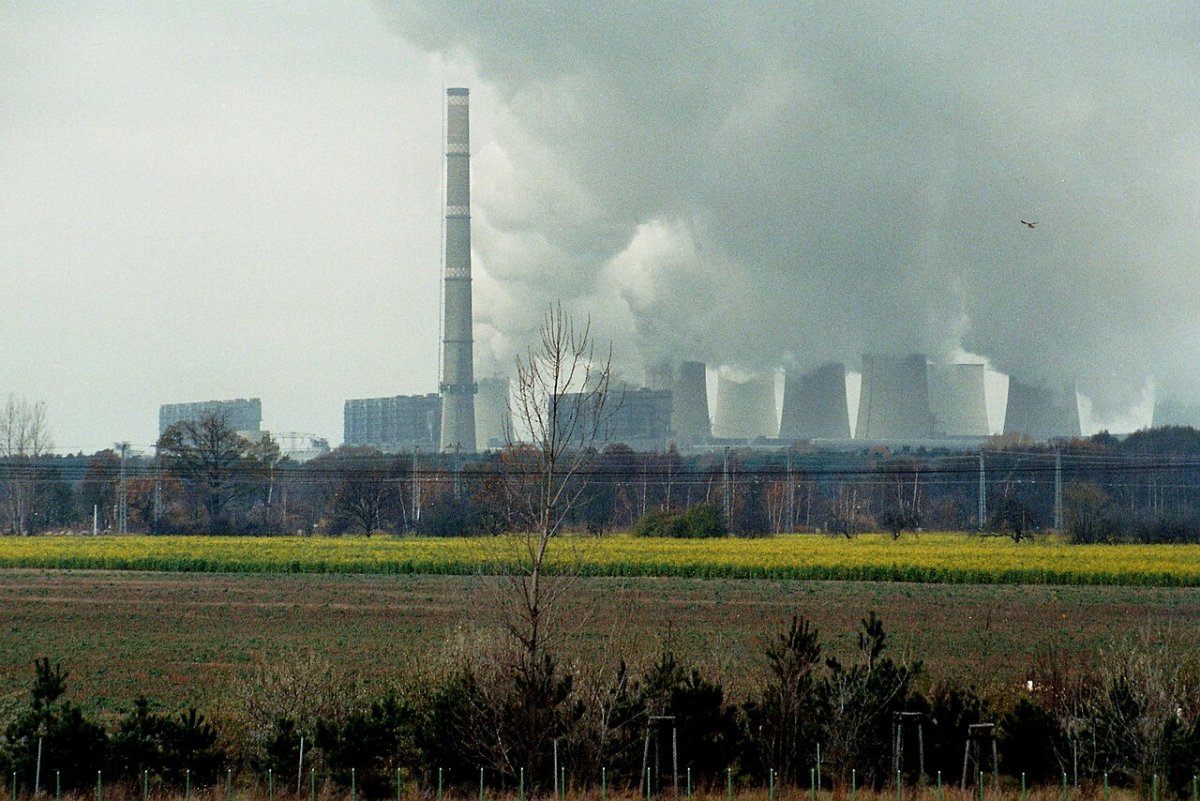
Illustrative photo: the Weisweiler lignite power plant near Aachen, in whose vicinity police detained the suspect. Author Grunpfnul, Wikimedia Commons, CC BY-SA 4.0.