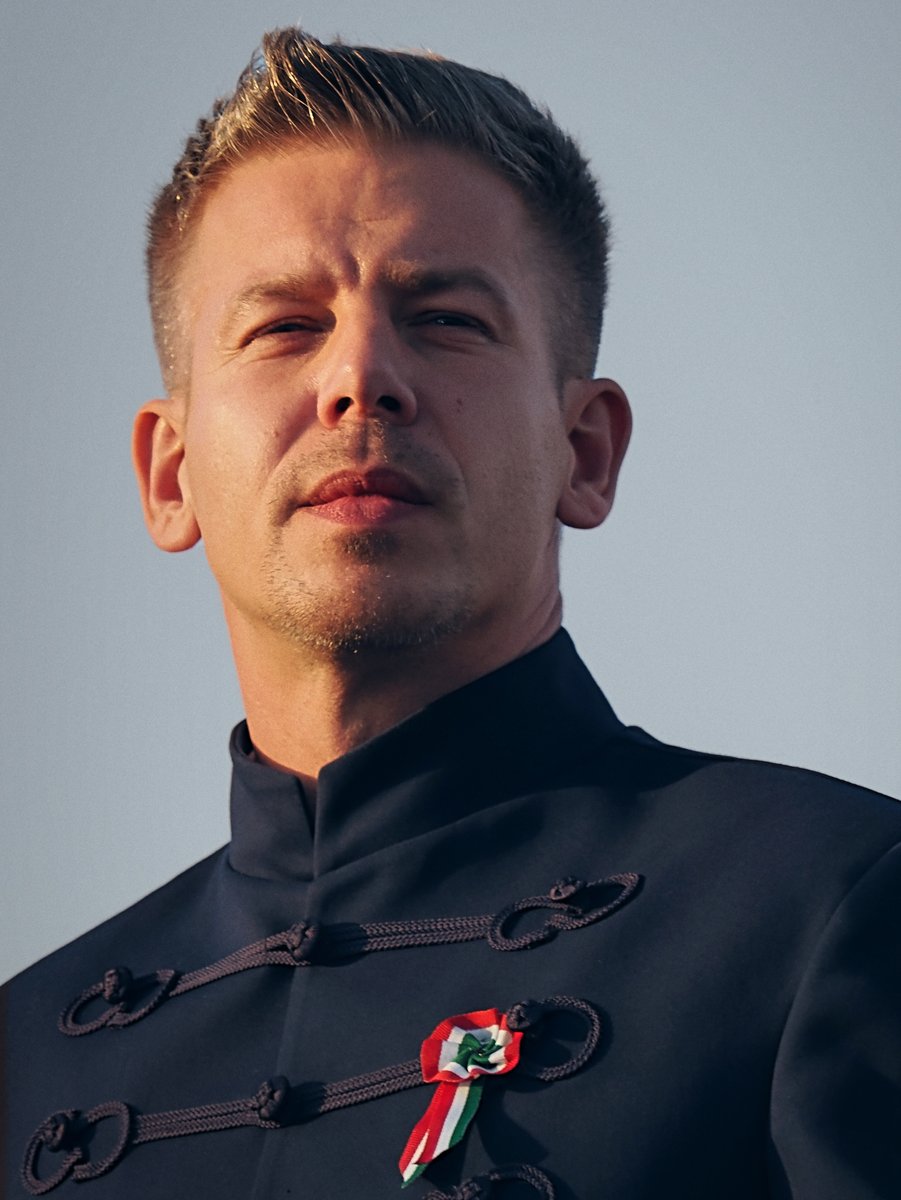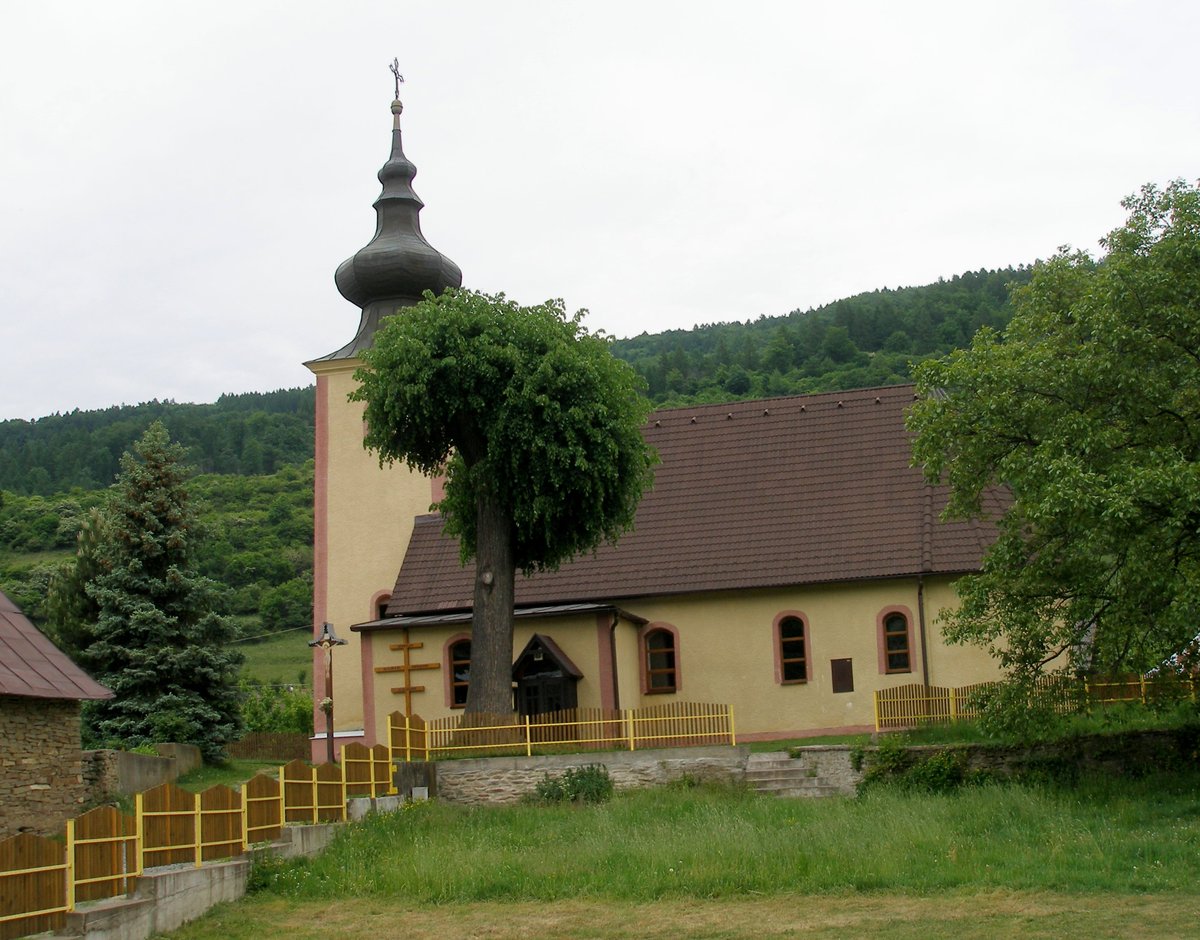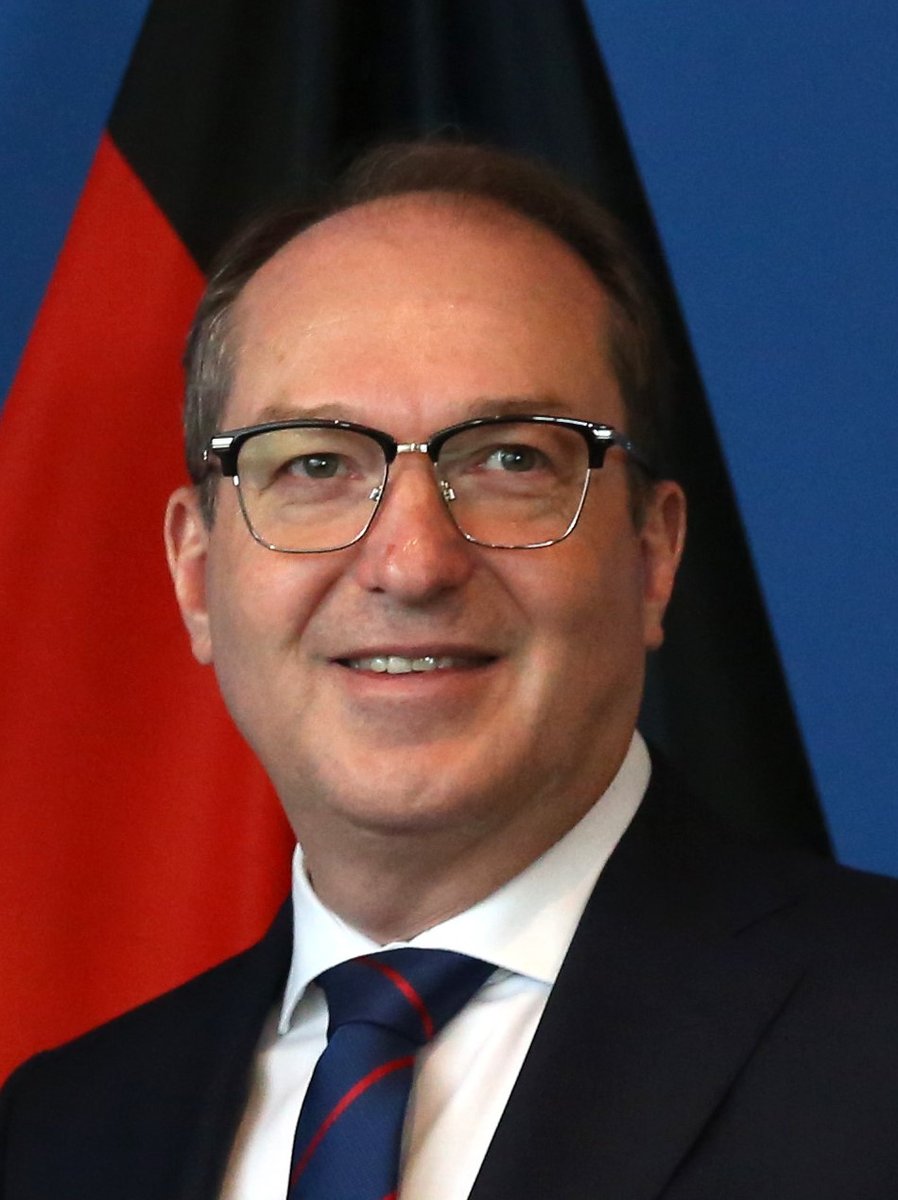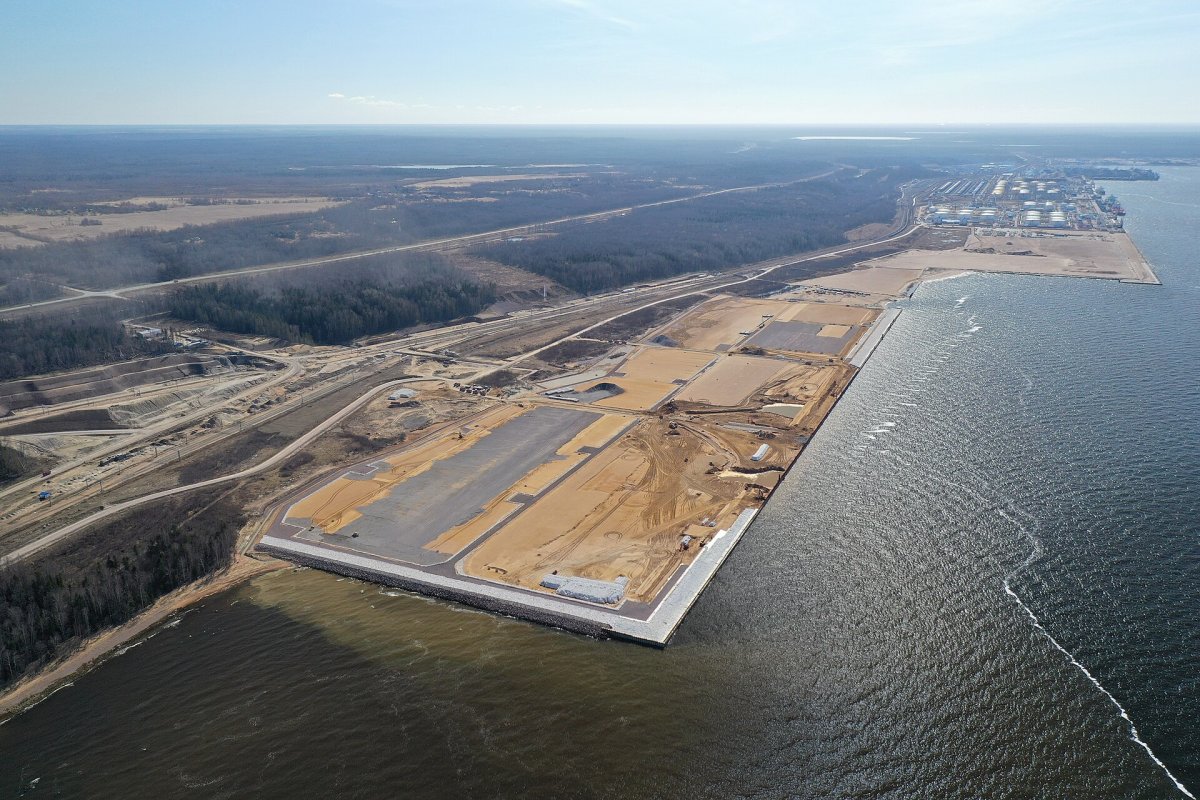
Key actors — tap for context

Friedrich Merz
German Federal Chancellor for the CDU, in office since 2025.
Why here: Announced a response "in the coming days," but did not name the culprit in his ARD interview.
More info →
Alexander Dobrindt
German Federal Minister of the Interior for the CSU, previously long-time Minister of Transport.
Why here: According to the Greens, he is covering up problems in building a new anti-drone center in Berlin.
More info →
Konstantin von Notz
Lawyer and deputy head of the Green Party's parliamentary faction in the Bundestag, focuses on intelligence services and internal security.
Why here: Criticizes the government for being "hesitant, intimidated and pusillanimous," and demands a weekly overview of Russian operations.
More info →Markus Frohnmaier
Foreign policy spokesman for the AfD's parliamentary faction, member of the Bundestag since 2017.
Why here: The only quoted politician who questions the planned retaliation — speaks of a double standard.
More info →
Alexander Stubb
Finnish President, in office since 2024.
Why here: Entered the German debate with an opposite tone — does not believe Russia would attack NATO.
More info →Patrick Heinemann
German lawyer and publicist, writes analyses for the specialist portal LTO.
Why here: His analysis explains why military retaliation would face a high legal threshold, while the Leipzig case is assessed separately.
Stefan Talmon
German-British expert on international law, professor at the University of Bonn.
Why here: Tagesspiegel asked him to explain what countermeasures Germany has available at all.
Siemtje Möller
Deputy head of the SPD's parliamentary faction, thus a coalition partner of the Chancellor's CDU.
Why here: Represents a more cautious line — wants to show boundaries, but without further military escalation.

Russian House
Russian cultural center on Berlin's Friedrichstraße, operated by Rossotrudnichestvo agency on the EU sanctions list.
Why here: Repeatedly mentioned as a target of countermeasures, but government sources already consider it an insufficient step.
More info →Nord Stream
System of gas pipelines from Russia to Germany across the Baltic Sea bed, damaged by explosions in 2022.
Why here: Serves as a legal measure — according to the prevailing interpretation, even its destruction did not reach the threshold of armed attack.
More info →
WB Electronics
Polish weapons manufacturer headquartered in Ożarów Mazowiecki, leading company of the WB group — the largest private defense group in the country and supplier to the Polish army.
Why here: A fire broke out at its plant in Skarżysko-Kamienna, which manufactures key drone components, in the night of Monday.
More info →Leipzig/Halle
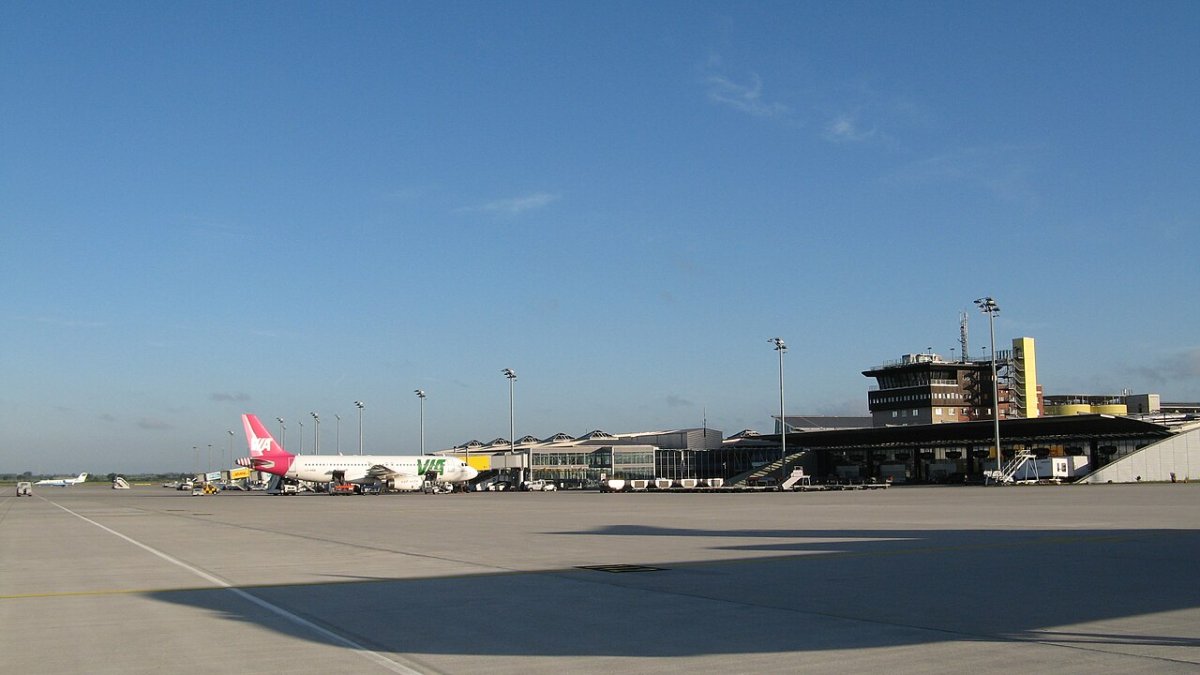
German cargo airport, one of Europe's main transshipment hubs for military aid to Ukraine.
Why here: The place where a drone with explosives was found on August 4 near Ukrainian cargo aircraft.
What Berlin is preparing and what it still hasn't said
Merz confirmed in his Sunday summer ARD interview that the decision is made, but left the content open. "It will be a response by Germany, but our partners in the European Union and NATO will not be surprised by it," he said, adding that the reaction is being finalized these days with Brussels and the alliance. To a direct question of whether Russia is behind the incident, he did not name the culprit and referred to the response being prepared — let's wait to see what it means to respond appropriately. ZDF heute ↗Tagesspiegel is more specific, according to which it is to be a combination of German measures and a new EU sanctions package. German diplomatic expulsions, recall of the ambassador, and other domestic sanctions measures are in the works. The announcement is being prepared for the beginning of the week, coinciding with an EU foreign ministers meeting in Ireland on Tuesday, although Merz could move it up according to the newspaper. Talk in Berlin is of "Zeitenwende 2.0" and newspaper sources claim that expelling a few diplomats or closing the Russian House is no longer enough. The Chancellor's office refuses to participate in the speculation. Tagesspiegel ↗
The entire list of planned measures, however, comes from media sources, particularly the Welt am Sonntag newspaper and Politico portal, not from an official government announcement. Euronews ↗
What Germany is actually allowed to do
This is precisely where political rhetoric runs into legal constraints. Lawyer Patrick Heinemann explains in an analysis for specialist portal LTO that the Leipzig case does not meet the definition of "armed attack" under Article 51 of the UN Charter because it lacks the necessary intensity. He points out that according to prevailing opinion, this threshold was not reached even by the blowing up of the Nord Stream gas pipelines. Without an armed attack, there is no right to self-defense, and the same condition applies to Article 5 of the North Atlantic Treaty. Article 4 remains, which allows for allied consultations. However, this applies to an incident assessed separately. Heinemann recalls the concluding statement of the NATO summit in Vilnius from July 2023, according to which hybrid attacks typically individually do not reach the threshold, but collectively can exceed it — especially if cases continue to multiply and escalate. Determining this according to him is not just a legal act, but also a matter of political will. LTO ↗This results in a rather narrow range of tools, which Heinemann also lists — closure of the Russian House in Berlin, stricter action against Russia's shadow fleet and expulsion of diplomats. What is essential is that no court-quality evidence is needed for such a response. "For a security policy response, it is sufficient that such attacks can be attributed to Russia with sufficient probability," he writes. This creates a peculiar situation — Berlin's law allows it to act even without definitive proof, but offers it precisely those measures that government sources describe as insufficient. Tagesspiegel also asked about retaliation options, having international law explained by Bonn professor Stefan Talmon. Tagesspiegel ↗
Pressure on the Chancellor from both sides at home
The Greens have lost patience. "The federal government must finally stop being hesitant, intimidated and pusillanimous," said the deputy head of their faction Konstantin von Notz. Leipzig was a military action according to him, and citizens deserve to know what is happening. From Interior Minister Alexander Dobrindt, he demands a weekly overview of all events that can be attributed to Russian agents, stricter visa issuance to Russian citizens, and greater pressure on the shadow fleet. At the same time, he criticizes Dobrindt for covering up problems in building the new anti-drone center in Berlin. Tagesspiegel ↗Similarly, but more cautiously, the coalition SPD speaks. Faction deputy head Siemtje Möller expects "an entire package of measures" including sanctions against the shadow fleet and hopes for coordinated action in the EU and NATO. Nobody wants further military escalation, she added, but Russia needs to be shown the boundaries. The AfD is pushing in the opposite direction, with foreign policy spokesman Markus Frohnmaier talking about a double standard. Tagesspiegel ↗
Similar incidents have emerged near Prešov and in Poland
While Berlin considers what it can afford, similar incidents have emerged elsewhere — with the difference that in neither case has anyone officially determined the culprit yet. Slovak police announced on August 25 that they had thwarted a planned arson attack with napalm on a drone manufacturing plant in eastern Slovakia and accused three foreigners. ta3 ↗According to Denník N, the factory near Prešov was to be set on fire to order and the revelation was aided by secret services. The drone manufacturer itself claims that the attacks come from the Russian side. Denník N ↗ The main suspect, a Latvian citizen, was detained on August 26 in Hamburg and Slovakia asked Germany for his extradition. Thus the Slovak case has a German procedural trace as well. Hospodárske noviny ↗
Another incident under investigation occurred in the night of Monday. A fire broke out shortly after midnight at Polish weapons manufacturer WB Electronics in Skarżysko-Kamienna, about 150 kilometers south of Warsaw. No one was injured and the fire is extinguished, but the ABW counterintelligence is at the scene. "We are taking this matter very seriously," said spokesman for the intelligence coordinator Jacek Dobrzyński for TVN24, adding that it is too early for a clear designation as sabotage. The plant manufactures key drone components. ORF ↗
Also read: Drone with explosives stood near Ukrainian Antonovs in Leipzig. Germany lacks effective defense according to FAZ
A different tone from Helsinki
Finnish President Alexander Stubb entered the German debate, and considerably more peacefully. "I do not think Russia would ever want to attack the most powerful military alliance in the world, namely NATO," he said to the Bild newspaper. He bases this according to his own words on intelligence information and the deterrent power of the alliance, which he considers greater than any other military power. Stubb, whose country has the longest border with Russia in the European Union, thus brings a more restrained tone to the debate precisely at a moment when Berlin is preparing a sanctions response. Forum 24 ↗Illustrative photo: apron area of Leipzig/Halle airport with terminal and control tower. Photo Molch-Entertainment, Wikimedia Commons, CC BY-SA 3.0 de.
What hotinfo is monitoring
The German government officially names the perpetrator of the Leipzig attack.Merz announces a specific package of measures and it is known whether it includes the closure of the Russian House in Berlin.
The EU foreign ministers meeting in Ireland brings a joint sanctions step against Russia.
Germany decides on the extradition of the detained Latvian to Slovakia.
Polish ABW concludes its investigation into whether the fire at the WB Electronics plant was sabotage.