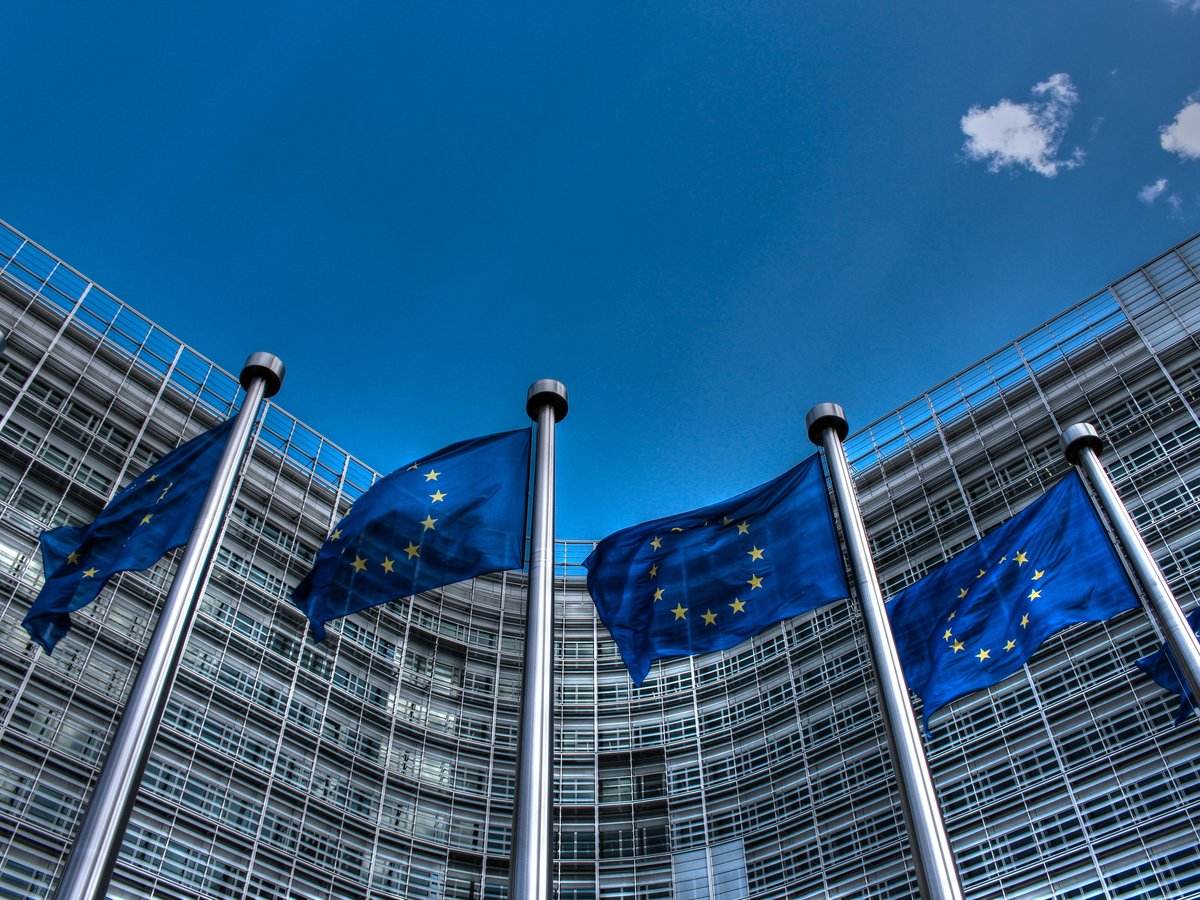

Voting takes place on Saturday, August 29, on a single question: "Should Iceland begin new membership negotiations with the European Union?" — Should Iceland resume accession negotiations with the European Union? According to electoral law, the referendum is advisory, not binding; the government has promised to respect the result, but has no legal obligation to do so. Landskjörstjórn ↗
Key actors — tap for context
Sigríður Kristinsdóttir
District prefect (sýslumaður) of Iceland's main metropolitan region (höfuðborgarsvæðið), thus an official responsible, among other things, for early voting.
Why here: She is the source of all preliminary figures on early voting before the August 29 referendum.

Þorgerður Katrín Gunnarsdóttir
Iceland's foreign minister, long-time politician of Viðreisn, the party promoting rapprochement with the European Union.
Why here: She said what she will do immediately after the votes are counted — equally for both "yes" and "no".
More info →Herdís Magna Gunnarsdóttir
A dairy farmer from Egilsstaðir in eastern Iceland, one of the faces of the "no" campaign.
Why here: Her argument is unusual — she admits that exemptions for Icelandic agriculture could be negotiated, yet she is still opposed.
Þóroddur Bjarnason
Professor of sociology and expert on regional development.
Why here: In the discussion, he did not take a side, but explained how membership would change the way Icelandic agriculture is subsidized.

Iceland
A Nordic island country with approximately 390,000 inhabitants, a member of the European Economic Area since 1994.
Why here: Its relationship with the European Union is being voted on August 29.
More info →
European Union
An economic and political community of 27 states. Iceland has been a member of the European Economic Area since 1994, so it adopts much of the single market rules without being a member.
Why here: Subject of the referendum — this is not about accession, but about resuming negotiations frozen since 2013.
More info →Why the comparison with 2020 is misleading
Numbers are growing fast. On Sunday, August 24, in the evening, offices reported approximately 35,000 early votes, of which over 23,000 in the main region. A day later it was 41,000, respectively 27,200 — thus 3,200 people in a single day. Offices extended their opening hours and voting takes place in two shopping centers: at Hlíðarsmári in Kópavogur until 9 p.m. and at Kringlan in Reykjavik until 6:30 p.m. RÚV ↗Kristinsdóttir herself points out two things that are lost at first glance. First, 2020 was a year of pandemic — on election day fewer people went to the polls, so early voting was inflated. Second, today's total also includes Icelanders who were home visiting over the summer and took the opportunity, plus students who voted before returning abroad. Both groups would otherwise have voted by mail or not at all. Vísir ↗
What remains is her own measure, which is more sobering: participation is higher than in both the parliamentary and presidential elections in 2024. This is a comparison with a normal election year, not a pandemic, and it indicates above-average interest in the referendum. Kristinsdóttir attributes this to the fact that plebiscites are rare in Iceland.
The dispute has meanwhile shifted to numbers
- Trust in media is deeply divided before voting. Vísir investigated how much Icelanders trust individual news outlets, and according to it the difference is significant. In a referendum where the dispute is over verifiable numbers, this is not a minor point: who trusts whom decides which cost calculation takes hold. Vísir ↗
- A campaign is criticized for taking the prime minister's words out of context. Heimildin writes about criticism for how statements by Kristrún Frostadóttir were handled. This is the third dispute about the accuracy of claims in the span of a week — after fifty billion and after exemptions for fishing. Heimildin ↗
- The "yes" camp is proceeding with the claim that economic benefit is obvious. Heimildin puts it in the headline in quotation marks, thus as a quote, not as its own conclusion. Against it stands the figure of fifty billion per year, which the same outlet had called misleading two days earlier. Heimildin ↗
While early votes are being counted, the campaign has moved to a field that can be verified: how much membership would cost. Opponents of entry claim that Iceland's contribution to the EU budget would cost 50 billion Icelandic krónaur per year. The fact-check column of the Heimildin newspaper compared this figure with what comparable countries receive back, and concluded that the claim is misleading because it never mentions the return side. Heimildin ↗
Over the last four years, Finland received back in subsidies at most approximately 76 percent of its contribution (in 2024) and at least 59.5 percent (in 2021). Malta, which is closest to Iceland in population, contributed 173 million euros to the budget in 2024 and received back 263 million — thus ended up in surplus. Heimildin also points out that the circumstances of both countries differ in many ways, so this is not a direct calculation for Iceland. Heimildin ↗
An argument that deserves attention, even though it sounds against entry
- Permanent exemptions will probably not be on the table. Morgunblaðið writes this as a direct response to the argument of the "no" camp, according to which membership can be bypassed with exemptions for fishing. If that is true, the dispute returns to the original question of whether Iceland wants or does not want a common policy Morgunblaðið ↗.
- Confidence in economic policy is, according to Morgunblaðið, waning. This is a variable that referendum polls do not measure, but one that can shift the result more than arguments about quotas Morgunblaðið ↗.
The most interesting voice of the "no" campaign came from dairy farming. Herdís Magna Gunnarsdóttir from Egilsstaðir in a discussion on public broadcasting RÚV admitted that an exemption for Icelandic agriculture — for example, a ban on importing live animals — could be negotiated in talks. Nevertheless, she is opposed: "This system is designed for continental agriculture, where conditions are completely different than in Iceland. We have a system designed for Icelandic conditions and we can change it. We can take from the Union what is good and build it into our system, but I don't think we need to join the European Union for that." RÚV ↗
Sociologist Þóroddur Bjarnason, who took no side, added figures to that. The Icelandic state today supports agriculture with a sum of 38 billion króna annually: 20 billion through agricultural product agreements and 18 billion through customs protection. Upon accession, customs protection would be eliminated. "The big difference would be that we couldn't do it through tariffs on consumers, but we would have to do it through taxes for taxpayers — and those are not exactly the same people," he said. According to him, maintaining the same level of support could be negotiated; the question is whether the state would want to pay it. He added that customs protection today benefits processors and intermediaries more than the farmers themselves. RÚV ↗
What will happen on Monday morning
- Voting is tomorrow and the campaign is in the final stretches. Movements on both sides negotiated Thursday evening, young leftists argued about the Union among themselves, and Vísir posed a question that sums up the entire measurement: will Saturday be tight, or a bigger difference than everyone expects? Turkish TRT Haber framed the referendum as a test of shifting security balances, not as a purely fishing dispute RÚV ↗Vísir ↗Vísir ↗TRT Haber ↗.
- Swedish press interprets Saturday's vote in its own debate: Iceland decides on the Union and can thereby create pressure on Norway. Svenska Dagbladet and Aftonbladet published the same text on the same day. This is the first time in this campaign when the Norwegian precedent is not cited as a warning for Iceland, but rather — as a risk that the Nordic trio will stop holding a common line. Svenska Dagbladet ↗Aftonbladet ↗
- Vísir gave space to a dispute within one camp: young right-wingers argue among themselves about membership. The formulation "from stagnation to stability is a short path" sums up why the campaign cannot be read as right against left — the dividing line runs across the right as well. Vísir ↗
- And refuted two campaign arguments at once: the Union, according to him, cannot take over energy resources nor command Iceland to lay a submarine cable. Both claims belong to the strongest motives of the "no" camp and the day before electoral silence discussed them publicly. Vísir ↗
- Heimildin looked at when "no" prevailed in Iceland. The fact-checking section recalls previous referendums — in a vote where measurements hover on the edge, the history of rejected proposals is equally useful for both sides. Heimildin ↗
- The inflation dispute that entered the campaign yesterday has meanwhile shifted to causes. RÚV released it as a separate topic: it is no longer about whether inflation will rise, but who is responsible — and that is exactly the argument both sides use to justify their stance on the euro. RÚV ↗
- Continental attention before the vote has risen sharply. In one morning window, German Frankfurter Allgemeine, Italian La Repubblica and the AGI agency wrote about it, French Courrier International writes that the membership question divides "even families", and an Austrian newspaper brought a portrait of a woman who wants to bring Iceland into the Union. For a country with 400,000 inhabitants, such density of foreign coverage is in itself data about what is being measured on Saturday. FAZ ↗La Repubblica ↗AGI ↗Courrier International ↗Kleine Zeitung ↗
- Two days before the vote, RÚV asks voters directly: what determines your vote on Saturday? This is the last campaign format before electoral silence and the public broadcaster closes a series with it that divided the camps into separate evenings. RÚV ↗
- Swiss SRF published two explanatory pieces about the Icelandic referendum at once — "the most important facts" and "what you need to know". Switzerland is the only other European country that decides on its relationship with the Union through referendums, and how much space it devotes to it is in itself data: it follows Saturday's vote as a template for its own dispute. SRF ↗SRF ↗
- A number that has nothing to do with the Union entered the campaign, but plays into it: higher inflation is expected. RÚV brought it the day when the economy is the main argument of both camps — and declining confidence in the government's economic policy is one of the few measurements on which the camps agree. RÚV ↗
- The chairman of the Norwegian parliament interrupted his visit to Iceland and is hurrying home. The reason is not the referendum, but the deteriorating condition of King Harald V. Norway is, however, a country whose two rejected referendums on accession to the Union are the most cited precedent in Iceland — and its highest parliamentary representative was supposed to be on the island precisely in the final days of the campaign. NRK ↗VG ↗
- Icelandic Vísir leads with this: the head of American intelligence warned Russia against attacking a NATO country. On an island that has no army and hosts an allied exercise in the pre-election week, this is not a foreign affairs section — it is the same dispute about security anchoring that is voted on Saturday. Vísir ↗
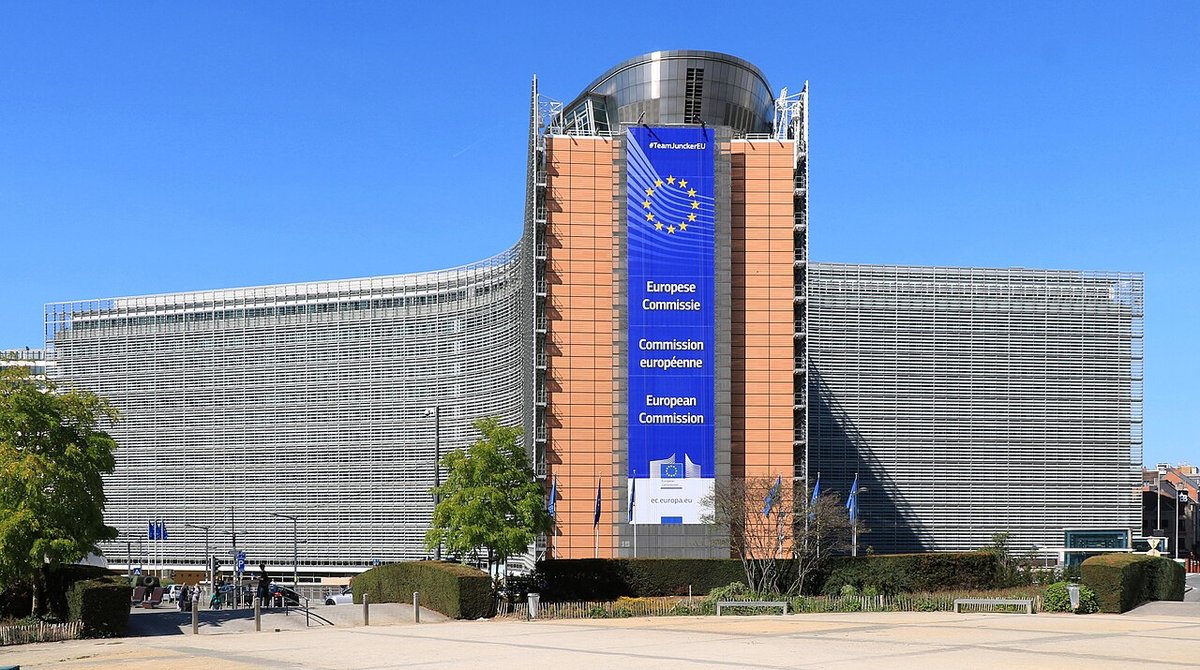
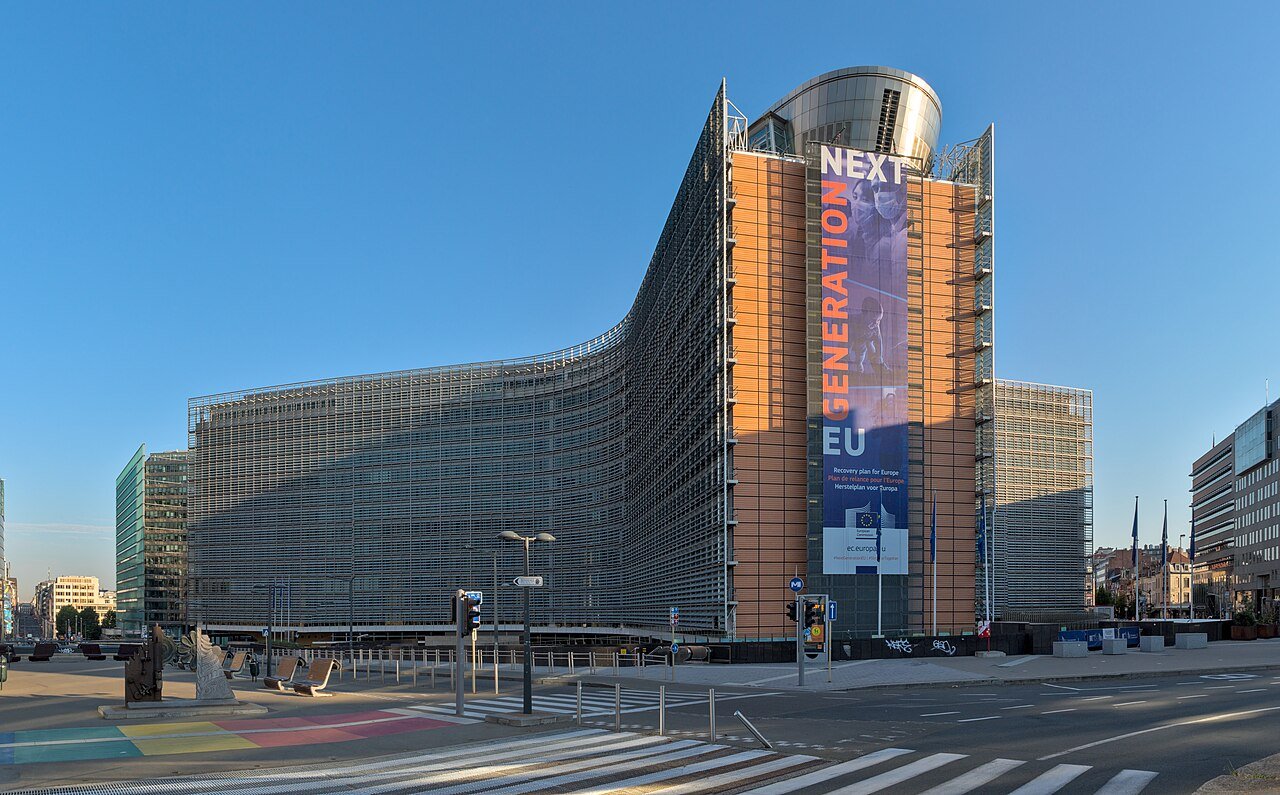
- Brussels for the first time gave its own estimate: negotiations with Iceland can be completed within one to two years. The commissioner for enlargement said this and RÚV has it in the headline. So far we only had an estimate from Iceland's foreign minister — one and a half to two years. Both sides of the table are thus speaking about the same horizon, which is unusual in accession negotiations. RÚV ↗
- Vísir also discussed a scenario no one asked about: what if the result is a tie. In an advisory referendum with a single question, this is not an academic consideration — the government promised to respect the result, but did not say what the result is in case of a tie. Vísir ↗
- And summarized how Saturday's vote will technically proceed. For 41,000 people who have already voted early, nothing changes; others go to the polls on August 29th. Vísir ↗
- If "yes" wins, negotiations can last almost two years. Public broadcaster RÚV cites this as a realistic estimate of the length of the accession process. For the campaign, this is an essential number: the referendum does not decide about accession, but about the beginning of a process that will exceed the current electoral period (RÚV ↗).
Foreign Minister Þorgerður Katrín Gunnarsdóttir said that her first step will be the same regardless of the result: she will convene the foreign affairs committee of parliament. "I think it is very important, whether it is yes or no, that the foreign affairs committee meet right away and we discuss how we will proceed." RÚV ↗
In case of a "yes," the Union will be informed of the result and a negotiating team will be formed, to which the minister wants to bring in trade unions, employers, and companies from fishing and agriculture. She phrases it sportingly: "We have to pick our national team for the negotiating team. The government is not going to negotiate — we are selecting our best people, seasoned, maybe even a few sharks among them." She estimates the negotiations themselves to take one and a half to two years. RÚV ↗
In case of a "no," negotiations will not begin and, according to the minister, all the current government's considerations about membership will be abandoned. The question remains open whether Iceland will formally withdraw its 2009 application — that decision is to be made in parliament. Gunnarsdóttir emphasized that parliament will not be bypassed this time, as she says happened when negotiations were halted in 2013. At the same time, she acknowledged that "no" does not mean the end of the topic forever: it binds this government, not the next one. RÚV ↗
Limits of This View
This is the latest update to this article. There are five of them and further developments — namely the actual referendum result and what emerges from it — we will cover in a separate article, not here.All figures on early voting come from one office and are interim — definitive turnout will be known only Saturday evening. We were unable to find an official count of voters on the roll anywhere, so we cannot calculate percentage turnout from 41,000 votes and deliberately do not do so. High early turnout itself says nothing about which side is leading — mobilization works equally well for and against.
Arguments for "no" in this text come from one RÚV discussion program that divided the camps across two evenings; the "yes" side got airtime only the next day, thus outside the window from which this article stems. So this is not a balanced cross-section of the campaign, but rather about how one side argues. Heimildur's fact-checking section has its own editorial perspective and its comparison with Finland and Malta is illustrative, not a recalculation for Icelandic conditions.
Read also: Iceland votes August 29 on talks with the EU. Polls are on edge, military exercises with allies underway on the island — an ongoing overview of the campaign, polling, and defense buildup on the island that we have been following since early August and that we have supplemented with five update waves. We closed that overview with five update waves; further development, including Saturday's result, we are now adding to this text.