

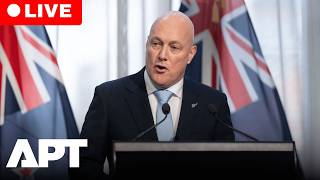
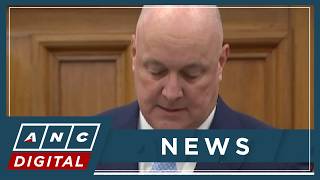

New Zealand's government on Monday unveiled legislation aimed at restricting access to social media for children under 16. The proposal is being promoted by Prime Minister Christopher Luxon's party and, according to an announcement by Education Minister Erica Stanford, is intended to introduce age checks for digital platforms.
The planned law would apply to services such as Instagram and TikTok. Under the proposal, technology platforms would have to verify users' ages and prevent access by people below the set age limit. If they violate the rules, they could face heavy penalties of up to 10 percent of their global revenue. El Mundo ↗
New Zealand is thereby joining countries that are trying to restrict children's use of social media. Similar steps have already been adopted or are being prepared by Australia. The aim of the measures is to create a stricter framework for minors' access to online platforms, with responsibility for checks to be borne primarily by the service operator.
Further developments will depend on the bill's consideration and on the specific form of the rules for age verification. A key issue will also be how technology companies adapt to the requirements and how the authorities will monitor compliance with them.
New Zealand Plans Social Media Ban for Under-16s
Videos
This summary was generated by artificial intelligence. It may contain inaccuracies. Please verify information in the original sources below.
Sources (3)
🔥 You might also like
📰
Music
Ronan Keating is heading out on a world tour. In September 2027 he'll play Prague and Vienna
Former Boyzone singer will perform on September 18, 2027 at Prague's O2 universum hall, two days later at Vienna's Gasometer.

Technology
Government approves proposal to ban social networks for children under 16; France's constitutional court quashed similar ban two weeks ago
16-year age limit applies from 2027. France's blanket ban struck down Aug 14 for undue interference with freedom of speech; same concerns apply to Slovakia's pr …
📰
World Politics
Slovakia to open embassy in Australia
Slovakia wants to strengthen ties with the Indo-Pacific region and is preparing to open an embassy in Australia, reflecting the region's...
© HotInfo
Geographic locations


From our newsroom original
All →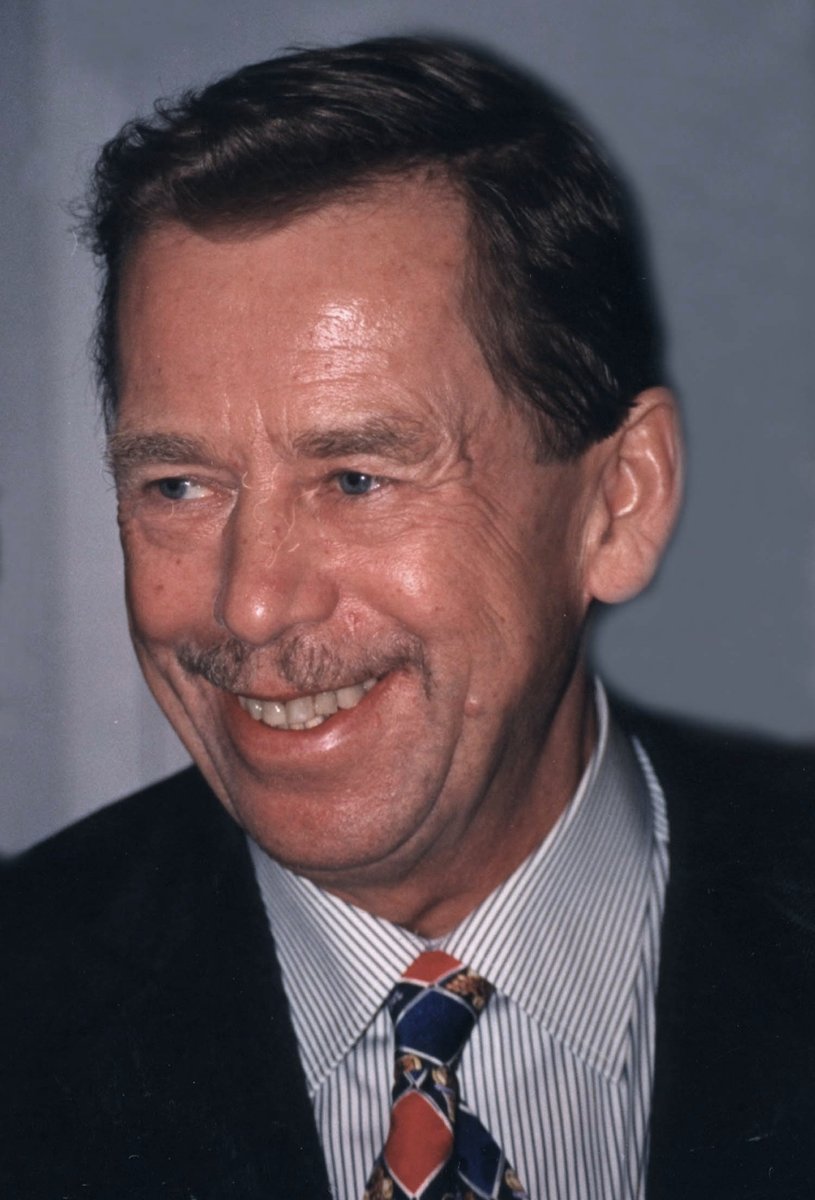
Havel Remains the Best-Rated President, Pavel Improves His Standing
Analyses cast doubt on United Russia's election result
EU delisted Usmanov and Fridman, Baku freed a Frenchman hours later

3,000 bottles of Barolo vanished from a Piedmont winery. Thieves loaded them onto the winery's own forklifts and drove them off in vans they pushed to the road with the engines off

René Benko Gets Two and a Half Years for Fraudulent Insolvency. Verdict Not Final, Signa Founder Denies Guilt
Romania arrests Georgescu for the first time, releases him a day later. Prosecutors’ file mentions a Russian bank, a villa in Tuscany and an ID card denied by the Order of Malta
Tisza rejects candidate for Hungarian prosecutor general
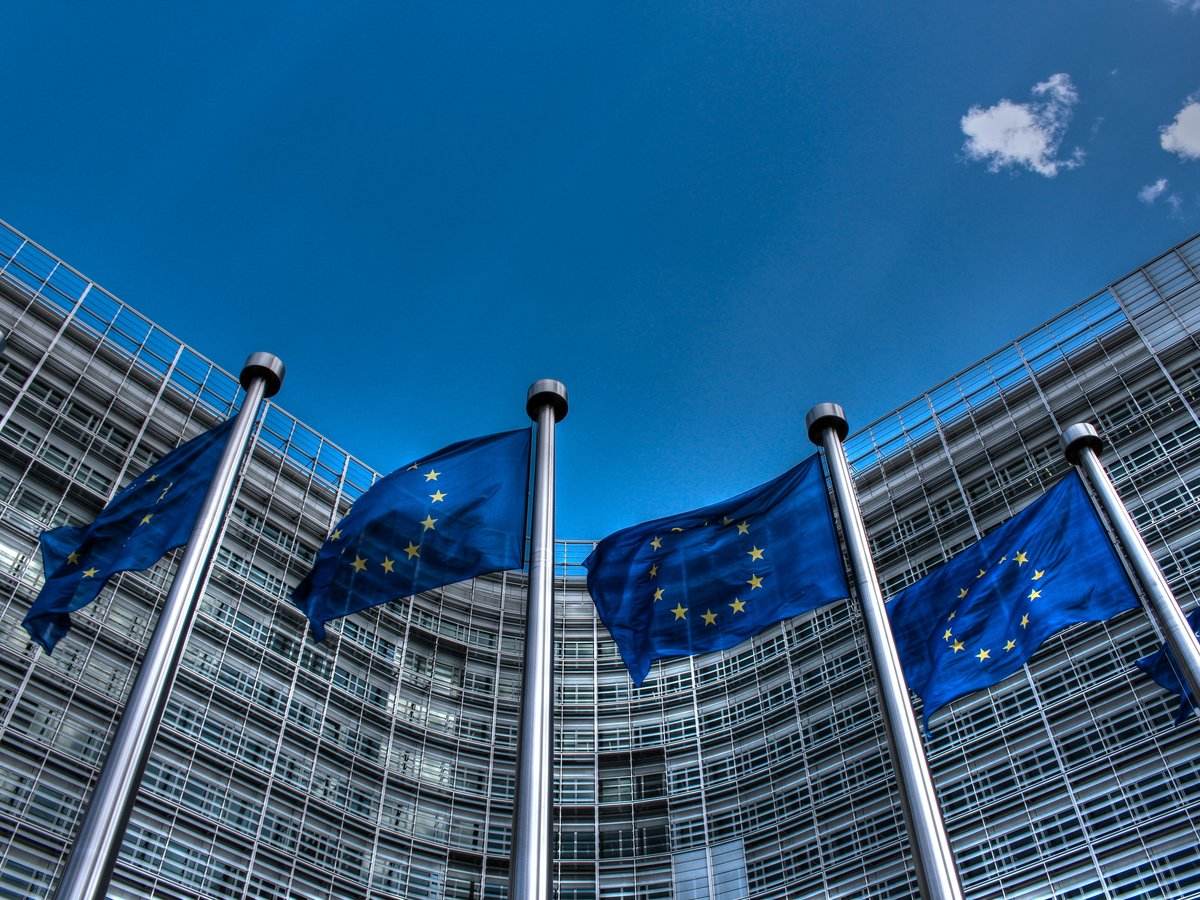
What Europe is writing about: EU fails to agree on lifting sanctions against Russian oligarchs, White House boycott expands to include Fox and CBS, Berlin addresses antisemitism dispute