
Key actors — tap for context

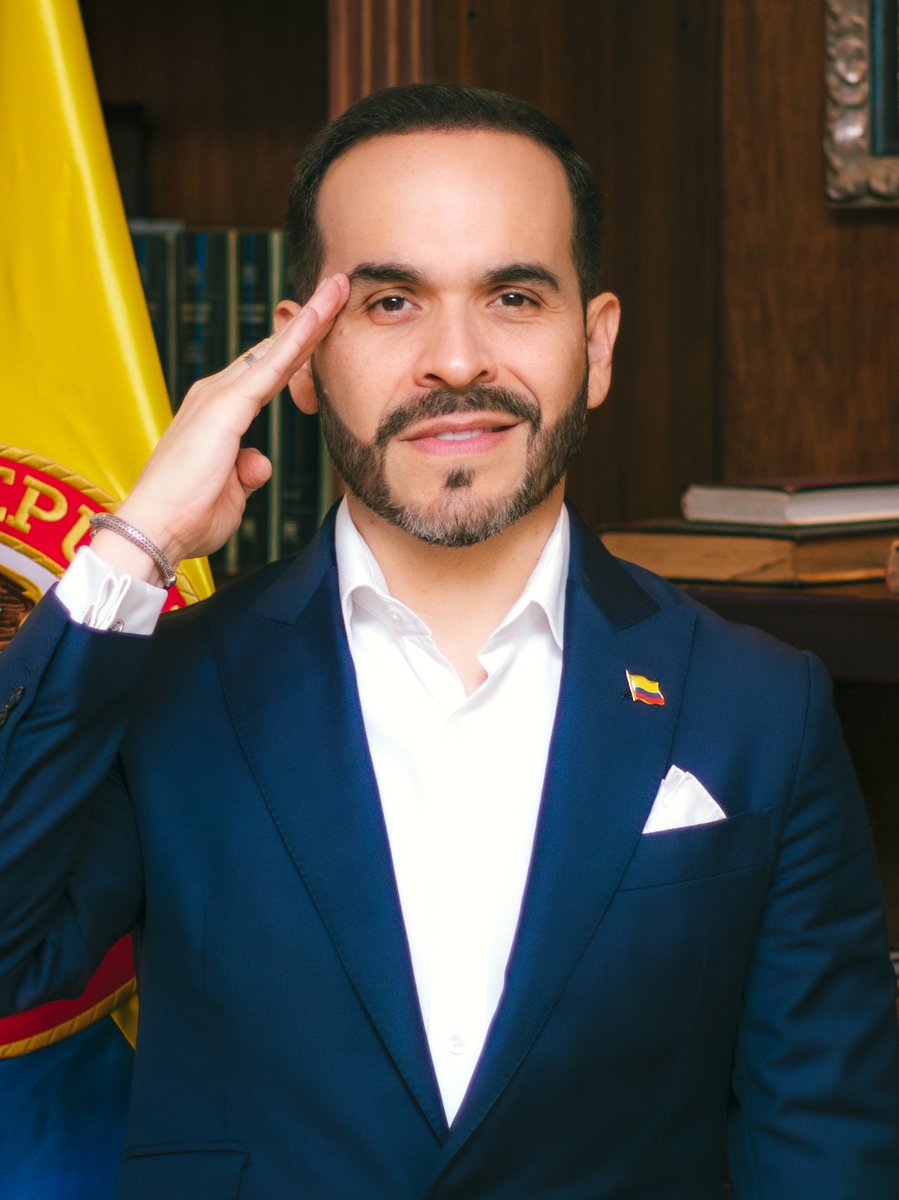
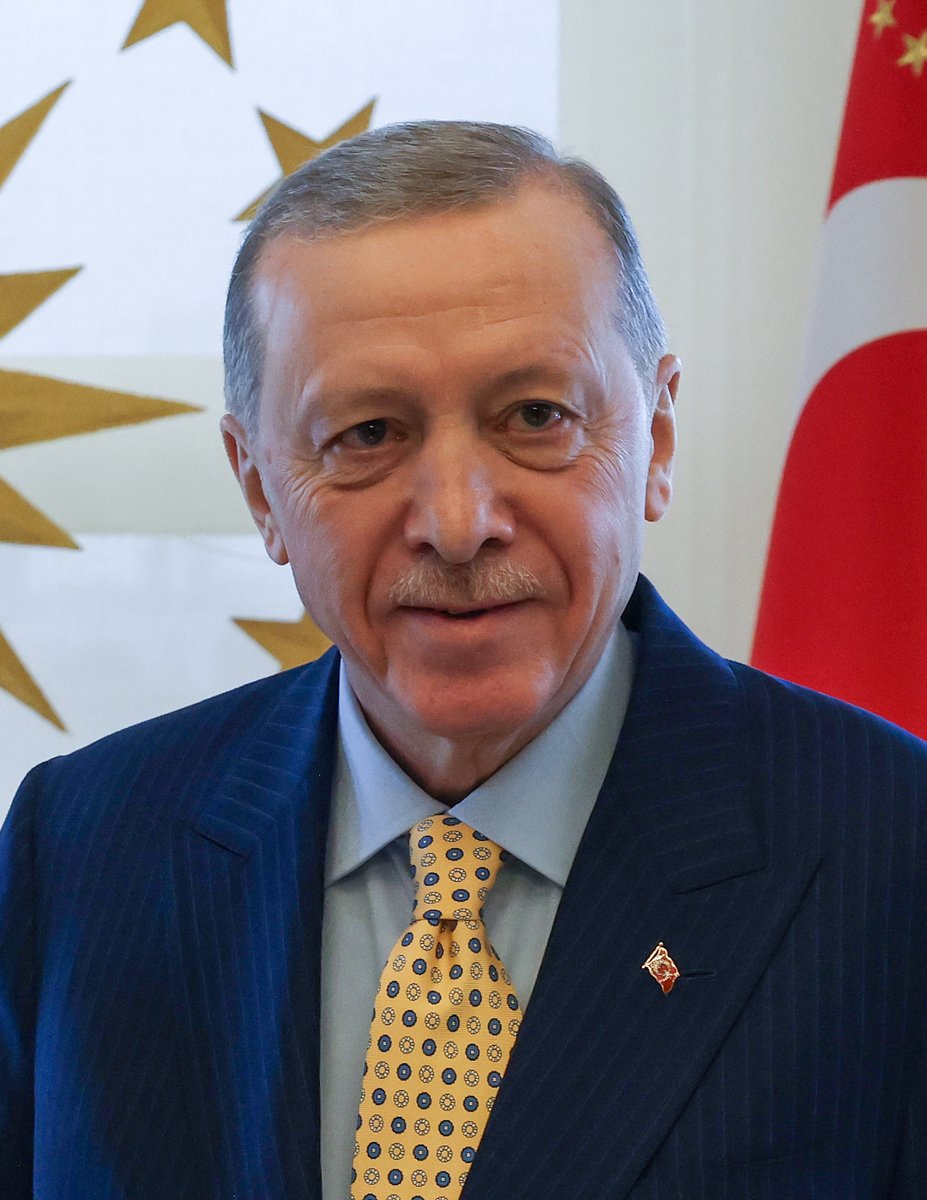
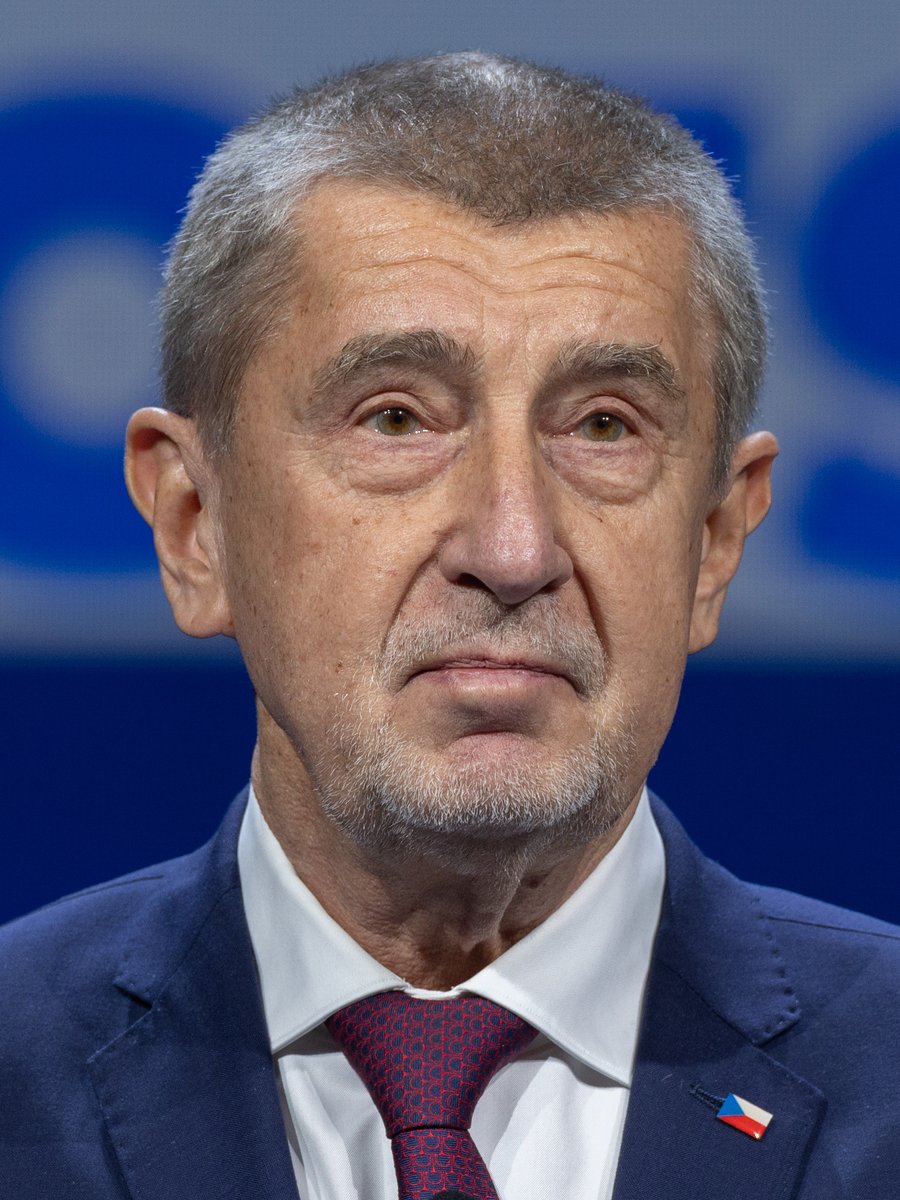
Abelardo de la Espriella
Colombian lawyer and businessman, he has been President of the country since 7 August 2026 and took office with a hard line against armed groups.
Why here: The disaster came in the first days of his term and he declared a state of emergency because of it.
More info →
Alejandro Eder
Colombian politician and expert in international security policy, mayor of Cali.
Why here: He imposed a nighttime curfew in Cali and deployed the army in the streets to prevent looting.
More info →Ryan Hoult
Specialist in structural and seismic engineering at the University of Newcastle in Australia.
Why here: He tested Colombian concrete walls in a laboratory and explains why the buildings collapsed.
Mauricio Facio Lince
Colombian architect, focused on risk management at the Centre for Science and Technology in Antioquia.
Why here: He says the problem is not the earthquake itself, but the risk the country had built before it.
Viviana Dionisio
Seismologist at Colombia's National Seismological Network.
Why here: She explains why the Colombian quake has a different mechanism from the Venezuelan one.
Dean Whitman
Geophysicist at Florida International University in Miami.
Why here: He rules out a direct connection between the Colombian and Venezuelan earthquakes.
Rodrigo León
Scientist at the Department of Geosciences at the University of the Andes in Bogotá.
Why here: He reminds readers that earthquakes and aftershocks cannot be predicted.
Jorge Eduardo Rojas
Mayor of the Colombian city of Manizales.
Why here: He reported five deaths despite sixty partially or fully collapsed buildings in the city.
Luis Felipe Molina
Colombian journalist and meteorologist living in Manizales.
Why here: His house withstood the tremors; after earlier earthquakes, the city has strict building regulations.

José Manuel Albares
Spanish foreign minister.
Why here: He announced that the ministry had failed to establish contact with 164 Spaniards in Colombia.
More info →
Cali
The third-largest city in Colombia and the capital of Valle del Cauca department; 2.2 million people live there.
Why here: It has the highest death toll from the earthquake, even though it lies 166 kilometres from the epicentre.
More info →Pereira
Capital of Risaralda department in Colombia's coffee region.
Why here: One of the worst-hit cities, 60 kilometres from the epicentre.
More info →
Manizales
Mountain city in Caldas department, home to universities and a centre of the coffee industry.
Why here: The mayor reported 60 partially or fully collapsed buildings there, but only five deaths; the city has strict seismic regulations.
More info →
Chocó
Sparsely populated and poor Pacific department in western Colombia.
Why here: The department where the epicentre lay has so far reported 14 deaths; little information is coming from rural areas.
More info →
Risaralda
Smaller department in central Colombia, with Pereira as its capital.
Why here: The second-worst toll after Cali, with 90 deaths.
More info →
Valle del Cauca
Densely populated department in south-western Colombia with Cali as its capital.
Why here: In addition to the deaths in Cali, another 35 people died there in rural areas.
More info →San José del Palmar
Small town in Chocó department at an altitude of about 1,300 metres above sea level.
Why here: The epicentre of Monday's quake was a few kilometres away.

USGS
The United States Geological Survey, the US scientific agency that among other things measures earthquakes worldwide.
Why here: Its measurement placed the magnitude at 7.4 and the hypocentre depth at 110.3 kilometres.
More info →The Tremor That Came From Inside the Subducting Plate
The US Geological Survey, USGS, recorded the earthquake on Monday at 07:34 local time, or 14:34 Central European Summer Time, with an epicentre a few kilometres from the town of San José del Palmar in the department of Chocó in western Colombia. The hypocentre lay 110.3 kilometres below the surface. The quake was linked to the Nazca plate subducting beneath the South American plate, but it was not a shallow tremor at the boundary between the two plates. According to the USGS, its mechanism was mainly horizontal slip deep within the subducting plate. An estimated 10.5 million people felt intensity VI to VII on the Mercalli scale, meaning strong to very strong shaking. USGS ↗The tremors were felt across the country, including in Bogotá, 240 kilometres away, and in neighbouring Ecuador and Panama. Colombia's geological service described it as the strongest earthquake in the country in the last decade. By Tuesday, more than 70 aftershocks had followed, the strongest with a magnitude of 5.0. BBC News ↗
Where People Died and Why There
- A 24-year-old man was found dead in the rubble two days before his wedding. The Sun ↗
- A woman died while trying to save her dog during the tremors. The animal survived. BFM TV ↗France 24 ↗
- {{upd3:The new toll says 281 dead and 379 missing RTP ↗Observador ↗}
- {{upd3:Families of the victims are running into a collapse of morgues; one summed it up by saying that even dying here costs money El País ↗}
- {{upd3:In Cali, the earthquake devastated a retirement home, but all residents survived Tagesspiegel ↗}
- {{upd3:German media describe the phase between hope and recovery, when the chance of finding more people alive is fading Tagesspiegel ↗Irish Independent ↗}
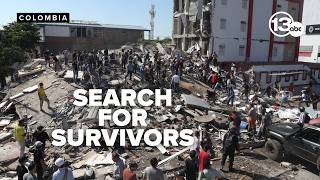
- {{upd1:The toll climbed above 250. Reuters, citing estimates from local authorities, reports at least 254 dead, including 95 in Cali, 101 in Pereira and 13 in the department of Chocó near the epicentre. Reuters via CBC ↗}
- {{upd1:The official UN figures are half that high. OCHA, the humanitarian office, was confirming 126 dead and 1,495 injured by Monday evening. The gap with the 254 figure is not a dispute over facts, but a measure of how slowly reports from cut-off areas are being gathered. Reuters via CBC ↗}
- {{upd1:Chocó is cut off, and that distorts its low toll. In the department near the epicentre, electricity, water, phone service and health care all failed. Parts of the region can be reached only by boat or plane, and San José del Palmar itself has 4,800 inhabitants. The low figure from the area around the epicentre therefore also reflects what cannot yet be counted. Al Jazeera ↗}
- {{upd1:Six airports were closed. Damage took Quibdó, Pereira, Manizales, Armenia, Cartago and Buenaventura out of service, and dozens of roads have also been affected. Reuters via CBC ↗}
- {{upd1:OCHA reports almost 5,000 damaged homes, hundreds more destroyed, and dozens of larger buildings collapsed. Reuters via CBC ↗}
The distribution of the deaths matters more for understanding this disaster than the total number. According to the combined reports from local authorities, which produced the figure of 240, at least 95 people died in Cali itself, 90 in the department of Risaralda with Pereira as its capital, 35 in the rural areas of Valle del Cauca, and six in Caldas. In Chocó, the department where the epicentre lay, the authorities are reporting 14 deaths. TASR ↗
Distances provide context. Pereira is about 60 kilometres from the epicentre, Manizales 82, Quibdó, the capital of Chocó, roughly 100, and Cali 166 kilometres. So the worst toll is not in the area closest to the epicentre, but in places where the most people live in vulnerable buildings. Chocó is sparsely populated and poor, while Cali has 2.2 million inhabitants. Manizales is an interesting case: Mayor Jorge Eduardo Rojas reported five dead, even though sixty buildings partially or fully collapsed in the city. In Pereira itself, the fire service reported 79 deaths; the rest of the Risaralda toll comes from the surrounding area. BBC News ↗
Manizales is in itself a clue. In an interview for BBC Mundo cited by Nový Čas, journalist and meteorologist Luis Felipe Molina said the city has, after experience with previous earthquakes, "very strict building codes concerning seismic resistance" and that his house withstood the tremors. "I have 450 books, and only a few of them stayed on the shelves," he said, describing the quake. Nový Čas ↗
Seven-Centimetre Walls
Why buildings held in one Colombian city and collapsed in another was studied by Ryan Hoult, an expert in structural and seismic engineering at the University of Newcastle. Together with colleagues from three Colombian universities, he tested concrete walls built exactly according to common Colombian practice in the EPFL laboratory in Lausanne. The results were worrying even before Monday. The Independent ↗The core of the problem is thickness. Many Colombian buildings have load-bearing concrete walls only 7 to 10 centimetres thick and only one layer of reinforcement in them, typically an electrically welded mesh that is brittle and cracks quickly. In a properly designed wall, an earthquake creates many small cracks that distribute stress. In a poorly reinforced wall, one large crack forms, stress concentrates there, and the reinforcement tears. A thin wall also practically does not allow so-called confinement of the concrete by steel stirrups at the edges, which prevents it from crushing, and the building codes do not even require it. The Independent ↗
A survey of nine buildings in Cali in 2018 found that 90 percent of them had walls with a single layer of reinforcement and 30 percent had walls no thicker than 10 centimetres. Hoult notes that this is not a Colombian peculiarity, but common practice across Latin America. The same solution was allowed until recently by Australian standards as well, which changed only in 2018 after buildings with thin, poorly reinforced cores collapsed in the 2011 Christchurch earthquake in New Zealand, where the magnitude was 6.3. The Independent ↗
"The Problem Is the Risk We Built"
- {{upd5:A Colombian family donated 41 million euros to rebuild hospitals and schools. CM Jornal ↗}
Colombian architect Mauricio Facio Lince, who works on risk management at the Centre for Science and Technology in Antioquia, points out that Colombia has had a standard for seismic-resistant construction since 1998, and that it was a major step forward. But a standard cannot retroactively rebuild what is already standing. The country has millions of buildings erected before it came into force, some according to very different standards. El Mundo ↗
To that is added the informal growth of Latin American cities. According to Facio Lince, millions of families built their homes gradually, often without technical supervision and without proper structural design. Informal construction is therefore, in his view, not only a matter of zoning and legalising land, but a direct factor in vulnerability. Time must also be added: a building can withstand a certain level of acceleration, but if it is exposed to repeated shaking for a long time, the demands on its structure increase, and the length of Monday's tremor was, in his view, especially important. "The problem is not just the earthquake. The problem is the risk we had built before the earthquake came," he writes. El Mundo ↗
It Is Not Linked to the Venezuelan Disaster, Seismologists Say
The first question raised in the region was different. On 24 June, Venezuela was hit by two earthquakes 39 seconds apart, according to agency reports with magnitudes of 7.2 and 7.5, although some sources give the second figure as 7.4, and they claimed 6,301 lives. It was the strongest earthquake in the country in a hundred years, and damage is estimated at around 37 billion dollars. Aktuality.sk ↗Viviana Dionisio of Colombia's National Seismological Network says the mechanism was different. The Venezuelan tremors were shallower and involved horizontal slip on the boundary between the Caribbean and South American plates. The Colombian one was deeper and related to a subduction setting, although according to the USGS its mechanism corresponded mainly to horizontal slip within the subducting plate. Geophysicist Dean Whitman of Florida International University is more direct: "There is no direct connection between them. They occurred in two types of systems." It is the greater depth, he says, that is why the Colombian damage will be smaller than the Venezuelan one. MercoPress ↗
Dionisio also adds a caveat that brings attention back to buildings: depth alone does not determine the scale of damage; it also depends on the vulnerability of the structures and the ground beneath them. Rodrigo León of the Department of Geosciences at the University of the Andes reminds readers that earthquakes cannot be predicted, nor can a stronger aftershock be ruled out. Ryan Hoult is also cautious, noting that it is too early for a definitive conclusion on any link between the two disasters, because nearby faults can, according to some observations, transfer stress to one another. Local 10 News ↗ The Independent ↗
A President in His First Week in Office
- {{upd5:De la Espriella has expanded his request to Washington: besides ending the tariffs, he is also asking for help with rebuilding the country. Danas ↗Vijesti ↗}
- {{upd5:Trump has on his desk a request for a "temporary suspension of high tariffs," German and Austrian media write. Welt ↗Der Standard ↗}
- {{upd5:In the middle of the recovery effort, the ELN guerrilla attacked the army, one soldier was killed and five were injured. ANSA ↗}
- {{upd4:The toll rose to nearly three hundred dead and thirteen thousand destroyed homes. G4Media ↗}
- {{upd4:President De la Espriella asked Trump for a temporary suspension of tariffs on Colombian goods - he says it would "provide at least some relief for our businesses." El País ↗CBS News ↗La Libre ↗Het Laatste Nieuws ↗}
- {{upd4:Hope of finding more survivors is fading, rescue teams report after the fifth day of searching. Tagesschau ↗ZDF heute ↗Kleine Zeitung ↗}
- {{upd4:Aid is flying into the cut-off areas above the jungle, and rescuers still have not reached the most remote places. Tagesspiegel ↗RÚV ↗}
- {{upd4:The International Organization for Migration warns of the risk of human trafficking in the affected areas. Observador ↗}
- {{upd4:El Español: Colombia is changing allies in the middle of the earthquake. According to the paper, de la Espriella is courting Israel, Morocco and the United States through the Golan Heights and Western Sahara. El Español ↗}
- {{upd4:El País on his foreign policy: action, personalism and uproar. El País ↗}
- {{upd4:The Colombian army destroyed a drug lab with 1.8 tonnes of cocaine and the president presents it as proof of cooperation with the United States. n-tv ↗Spiegel ↗ORF ↗}
- {{upd3:Spain is mobilising one million euros in humanitarian aid for those affected El Español ↗}
- {{upd3:Norway is sending ten million kroner for the earthquake response NRK ↗}
- {{upd3:The Senate allowed President Petro to leave the country for a year ANSA ↗}
- {{upd3:An Italian commentary says it was a failed test for De la Espriella, while Spanish media also write that he is reviving government through first ladies Il Manifesto ↗El País ↗}
- {{upd3:Under the radar: conspiracy theories have resurfaced and, without any evidence, blame the death of 270 people on the HAARP programme Klix.ba ↗}
- {{upd2:The new president rejects foreign aid, reports a Luxembourg newspaper Luxemburger Wort ↗}
- {{upd2:The European Union nevertheless released two million euros La Libre ↗RTV Slovenija ↗}
- {{upd2:Spain cut the number of missing citizens to 75, and so far has recorded no dead or injured El Mundo ↗}
- {{upd2:Mexico's Topos have arrived in Colombia, the legendary rescuers from collapsing buildings ANSA ↗}
- {{upd2:Geologist Fabio Florindo told El Mundo: this is an anomalous earthquake and aftershocks will certainly come El Mundo ↗}
- {{upd2:The earthquake halted Colombian coffee exports 444 ↗}
- {{upd1:Rescuers pulled 31-year-old Diana Troncosova from the rubble in Cali after almost thirty hours. Firefighters spent hours cutting their way to her, and her rescue was met with applause from bystanders. dpa via Die Zeit ↗}
- {{upd1:An unofficial missing-persons database passed 4,000 reports. Authorities officially record 195. "The missing are our top priority now," President de la Espriella said in Pereira. dpa via Die Zeit ↗}
- {{upd1:A hospital in Cali treated 600 patients directly in the street after several upper floors, including paediatric wards, collapsed. That was stated by director Irne Torres Castro in an interview with Caracol Televisión. Reuters via CBC ↗}
- {{upd1:The Inter-American Development Bank made 50 million dollars available for reconstruction, if the government requests it. That is more than three times the US aid. Reuters via CBC ↗}
- {{upd1:Pereira mayor Mauricio Salazar's voice broke on camera, as he spoke about the victims in his city. The reporter comforted him live on air. El País ↗}
- {{upd1:The third day is the last one with real hope. Rescue workers consider 72 hours after the quake the critical threshold, and that will expire on Thursday morning local time. dpa via Die Zeit ↗}
Abelardo de la Espriella took the presidential oath on 7 August, three days before the earthquake, and by coincidence his inauguration was held in Cali. He declared a state of emergency and on Tuesday in Pereira announced the national toll: 181 dead, 2,595 injured, 195 missing, 1,136 homes destroyed and 8,357 damaged, 48 collapsed buildings and 807 damaged educational facilities. TASR ↗
The difference between his figure and the 240 count lies in the methodology. The lower number is the official national record; the higher one is built by adding up reports from individual municipalities, and the same gap applies to the missing. While the president spoke of 195 missing people, the German paper Welt, citing local authorities, reported more than 3,000 missing-person reports. Spanish Foreign Minister José Manuel Albares announced that the ministry had been unable to contact 164 Spaniards in Colombia, and so far it has no confirmed dead or injured among them. Welt ↗
In Cali, Mayor Alejandro Eder ordered a curfew from 20:00 to 6:00, and the army was deployed in the city streets against looting. On Tuesday evening, rescuers managed to pull a woman alive from the rubble in Cali after more than thirty hours, and television crews followed her rescue live. La Repubblica ↗
Foreign aid also has a political dimension. The United States, whose administration backed de la Espriella in the election, promised 15.5 million dollars. According to the European Commission spokesperson quoted by the DPA agency, the European Union has so far allocated 100,000 euros to support rescue workers in the field, activated the Copernicus satellite service for rapid damage mapping, and activated the crisis consular mechanism. Ecuador, Brazil, El Salvador, France, Israel, Mexico and Venezuela also offered assistance. SME ↗
What Hotinfo Is Watching
- **This is the fifth and final update wave for this text.** We continue to follow the aftermath of the earthquake, but what comes next — the reconstruction, the final toll and the political dispute over building standards — will be covered in a separate article so that the list of updates stays readable.
- Whether the official national toll and the summed municipal reports converge, and on what number. The gap between 181 and 240 is not a detail: the administrative picture of the disaster depends on it, and so does part of the compensation for victims' families.
- What happens with more than 3,000 reports of missing people. They may be people under the rubble, people out of contact, or duplicate and unverified reports, and those categories will separate out in the coming days.
- How the aftershocks go. There were more than 70 on the first day, and damaged but standing buildings are most vulnerable to them.
- Whether de la Espriella raises the issue of strengthening existing buildings, or sticks to rebuilding what was destroyed. The 1998 standard protects new buildings, not older ones — and those make up most of Colombia's building stock.
- How many of the collapsed buildings were built after 1998. That will be the hardest test of whether the problem is the old stock, or also how the standard is enforced.